Before 2018, Uzbekistan was hard to reach. The government, led since independence by Islam Karimov, kept a tight leash on citizens, leaning into police both open and secret. Foreigners were discouraged and viewed, at least by the powers that be, with suspicion. This changed after Karimov’s death, the restrictive visa policy giving way since 2018 to a wide welcome of tourists and their dollars, rubles, euros, and yuan. The trickle has become a flood, a fact apparent from my seat on the bullet train, a massive step up from the overnight cattle car I’d been in before. In any direction was the babel of the international tourist, plus a few better off Uzbeks, whizzing back through the desert on a steel ribbon connecting Khiva to Bukhara. Again we passed over the Amu Darya, the train given priority over the single span while locals waited outside their cars, cigarettes dangling.
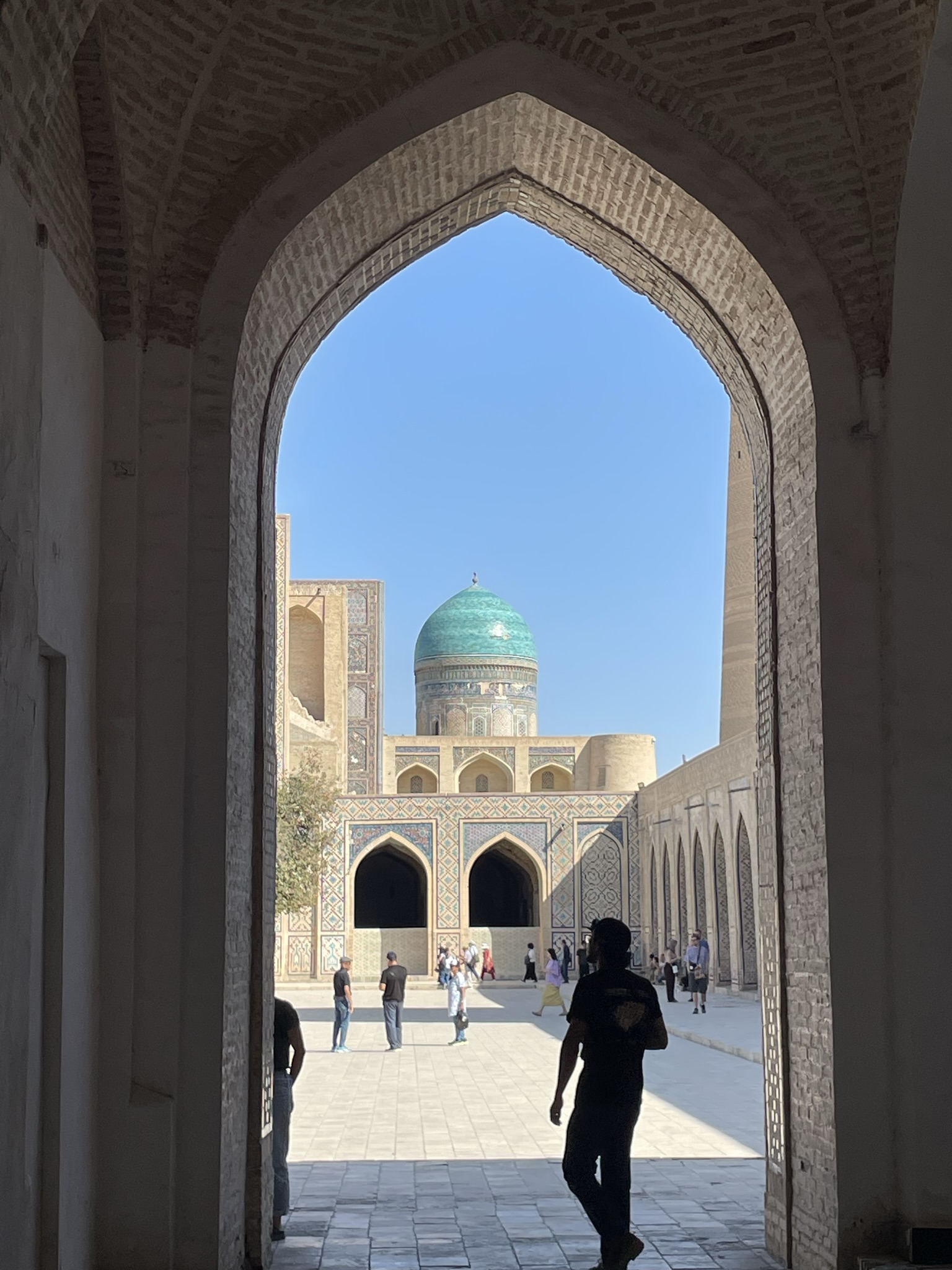
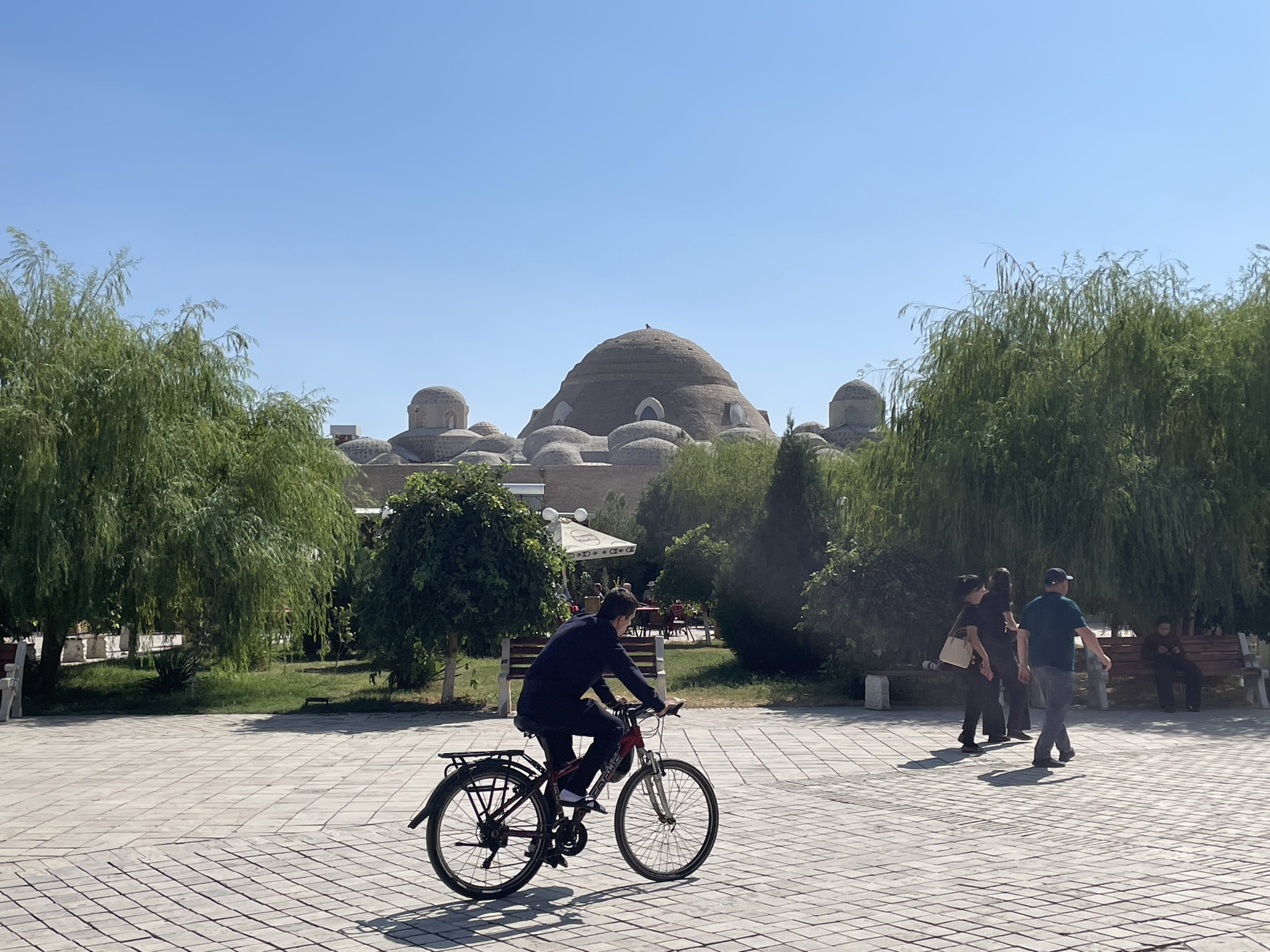
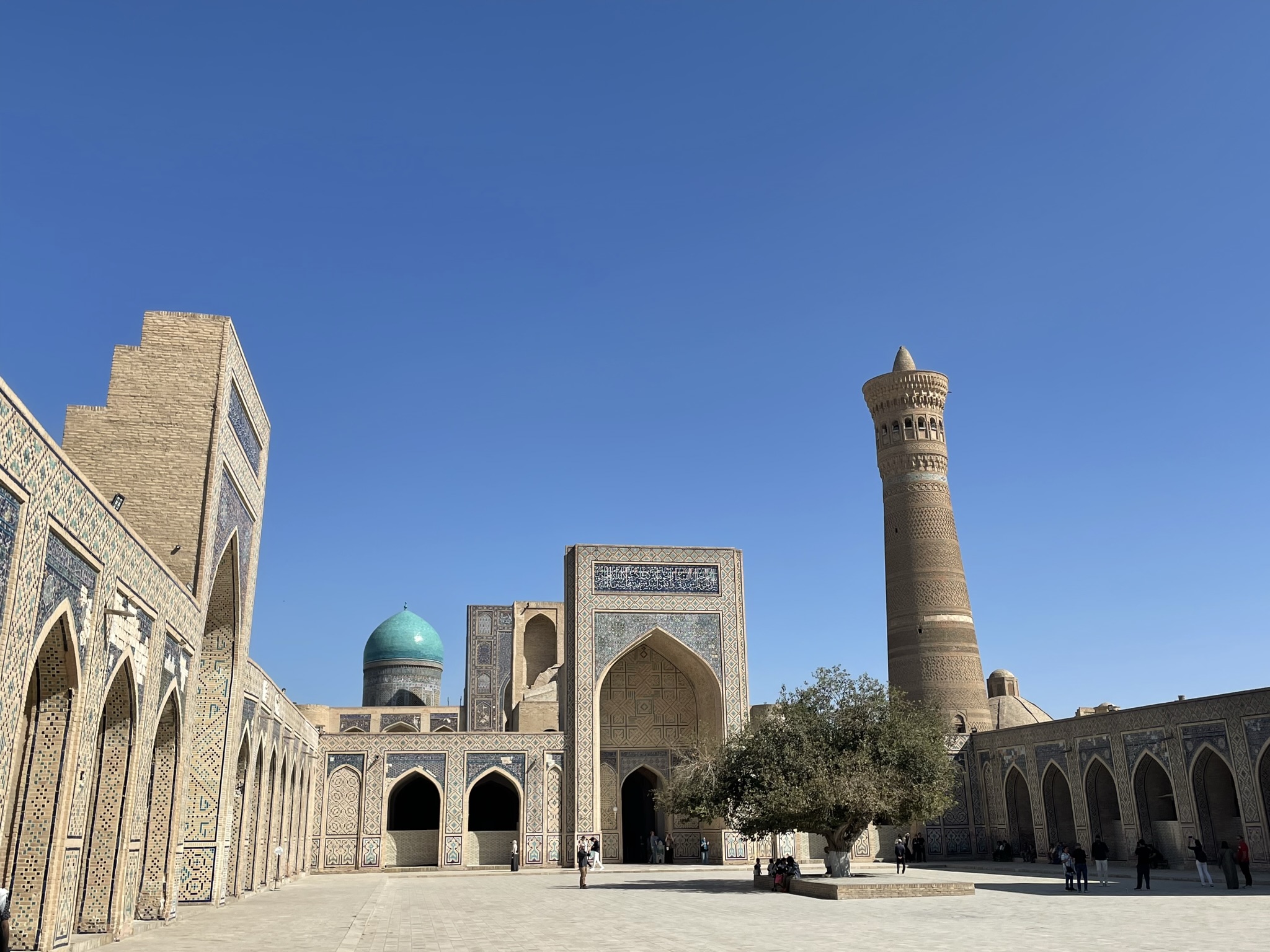
Bukhara is much bigger, a proper city compared to pocket-sized Khiva. The city wall has been overrun by decades of growth, lost in anonymous rows of houses and apartment blocks. At its heart is a similar core of Timurid architecture, the mix of mosques, madrasas, mausolea, now complemented by toqis (open market buildings at road junctions) and a network of wells and channels that would come and go beneath the repaved streets. My guesthouse was steps down an alley from Labi Hovuz, a Bukhara showpiece centered around a park and small lake that are utterly charming. Surrounding plazas are filled with tables and chairs for diners, encased on all sides by busy shops and (what else) centuries-old madrasas. It is touristy, no doubt, but the effect is magical all the same.
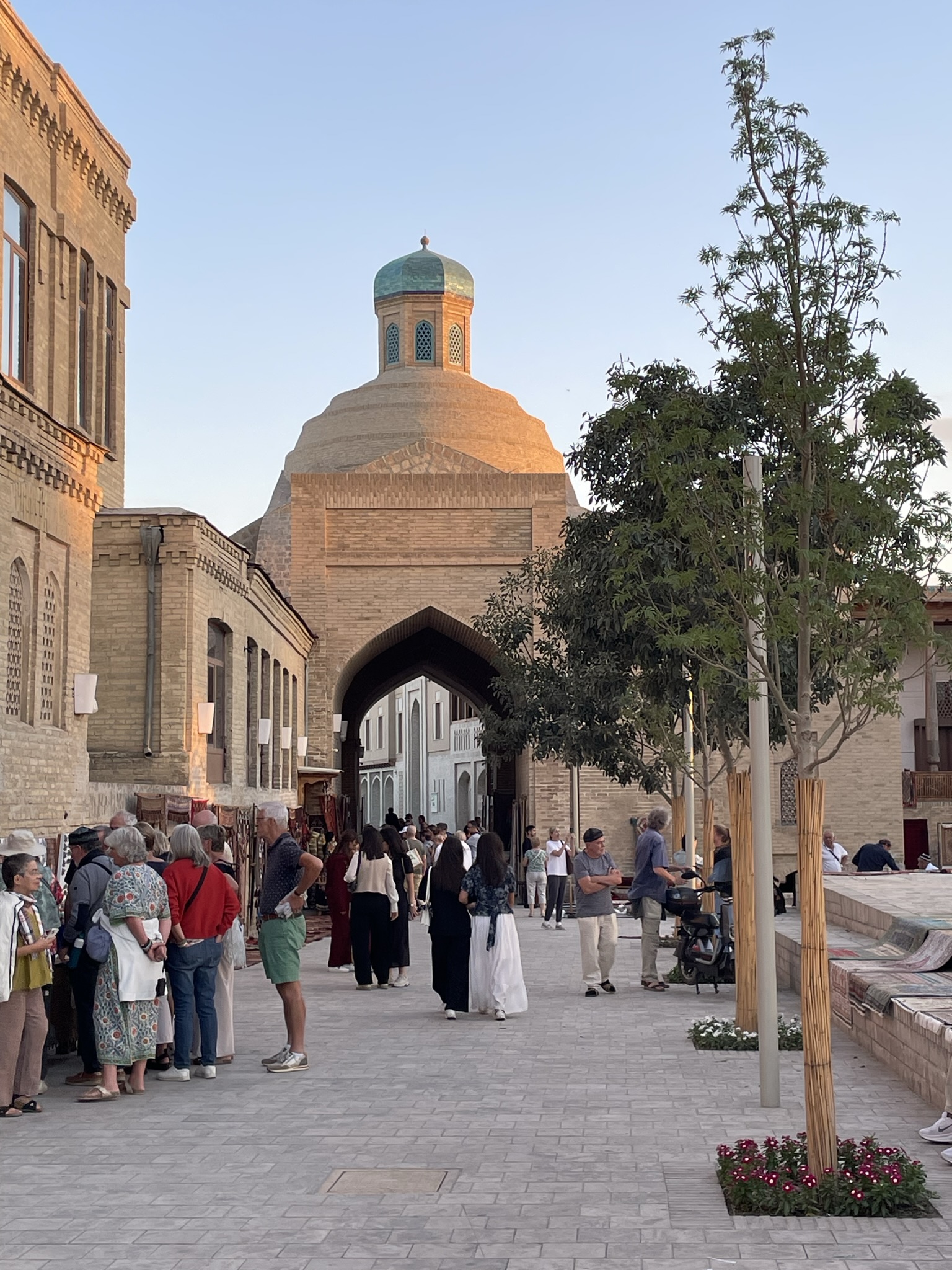
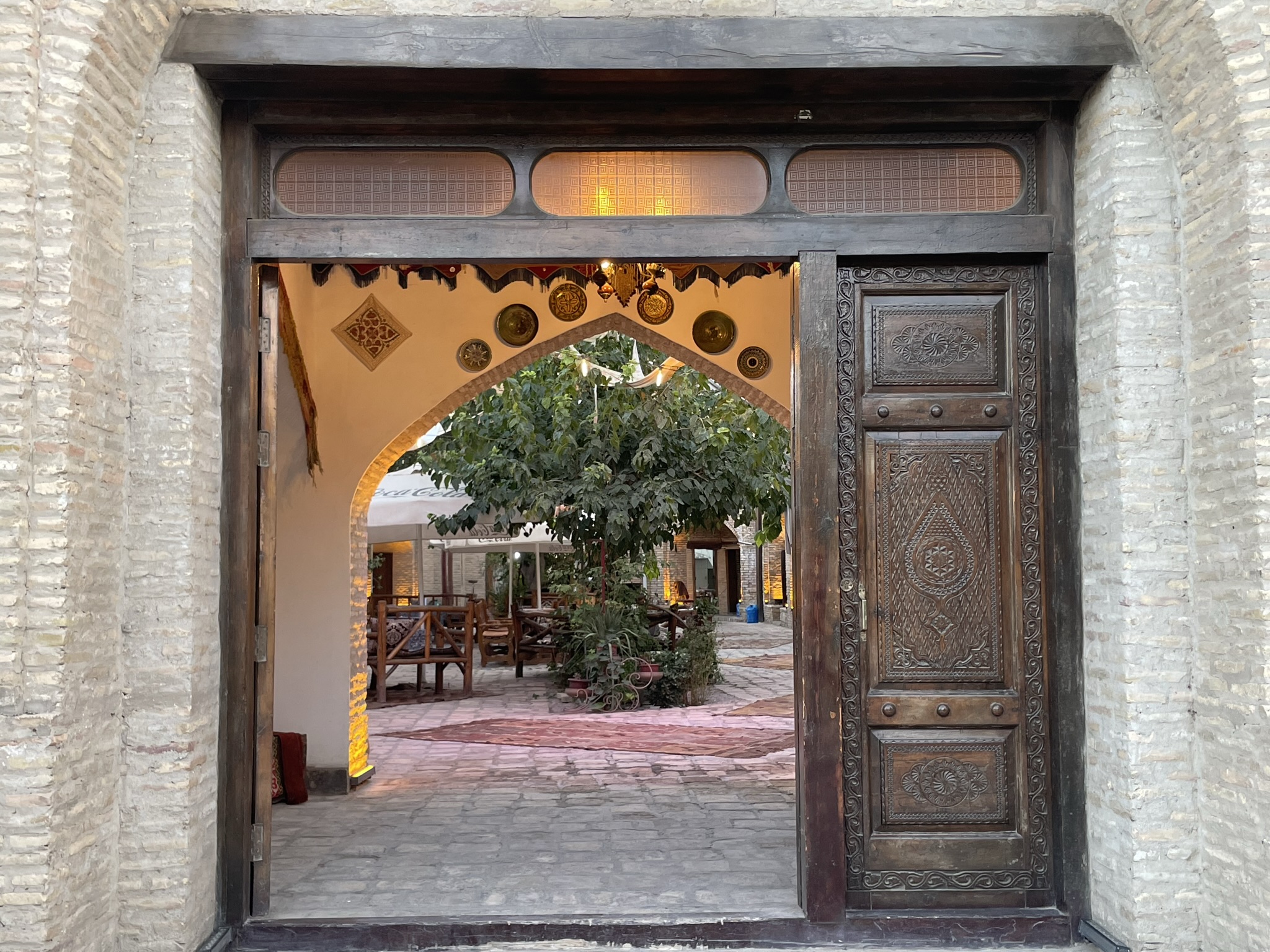
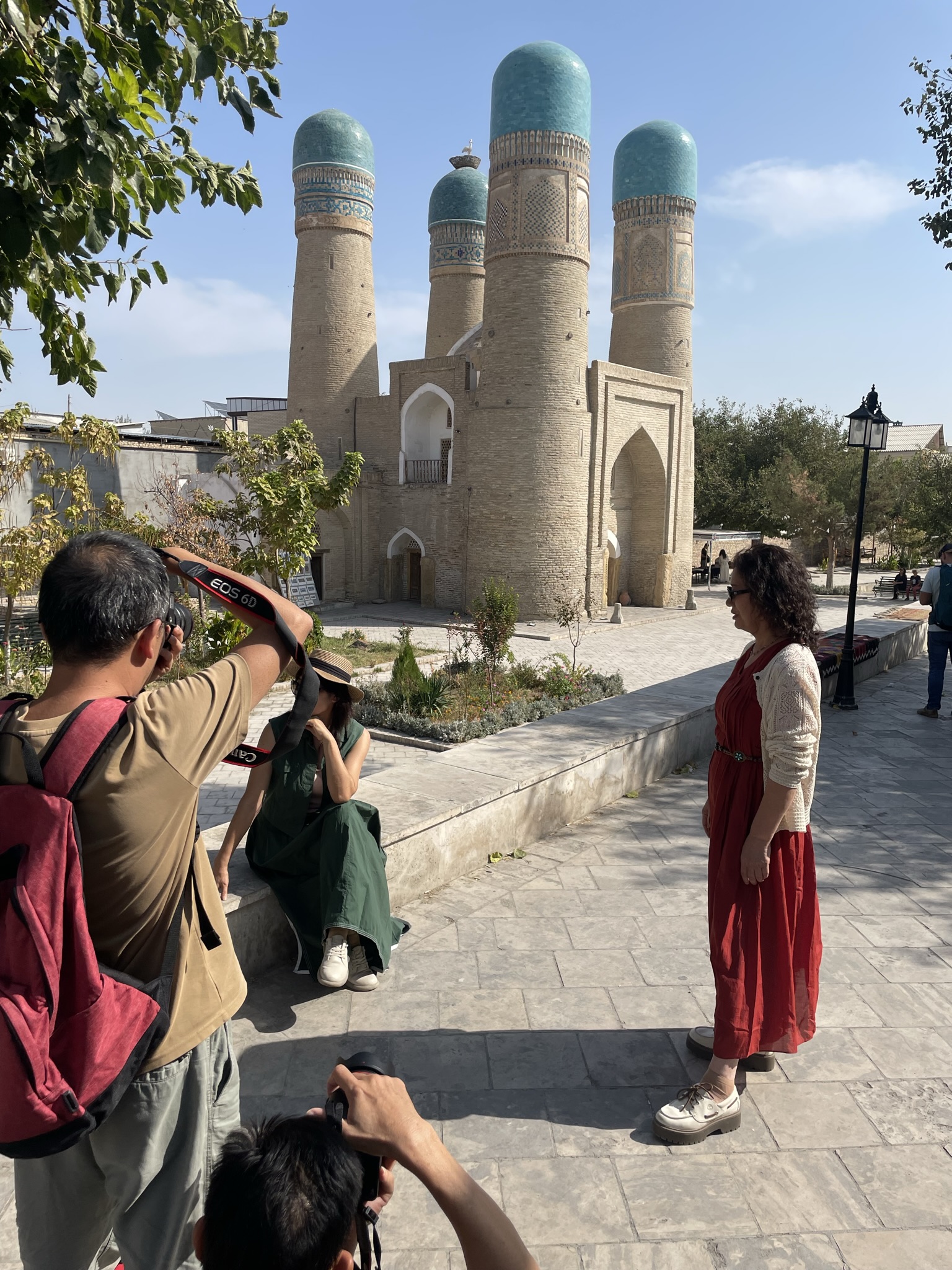
The city lies along a key trading route and has been subject to various dynasties and depredations over the centuries, a who’s who including the Huns, Sogdians, Persians, Arabs, Russians and Mongols. For nearly five hundred years, Bukhara functioned as an independent emirate before the pressure of Russian incursions, first Tsarist, later Soviet, finally broke and subsumed it into Soviet Turkestan. The legacy is scattered around the city, the centre swarmed with the same tour groups as Khiva (literally, I saw some of the same people), but also points further afield. The diffused nature of Bukhara rewards exploration and I found that a few extra blocks in any given direction, particular wherever the new polished streetscape ended, often led me to virtually deserted historic buildings.
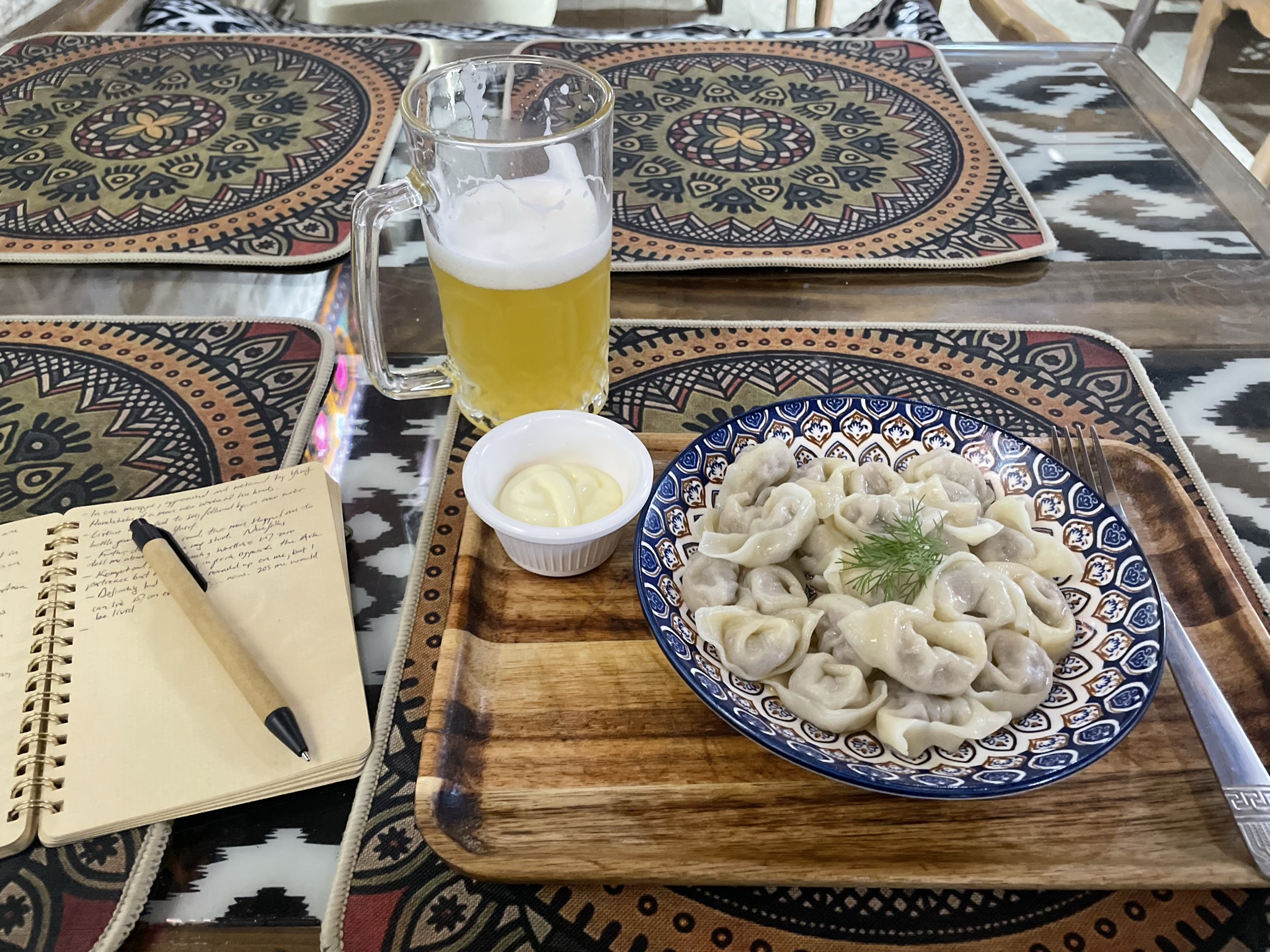
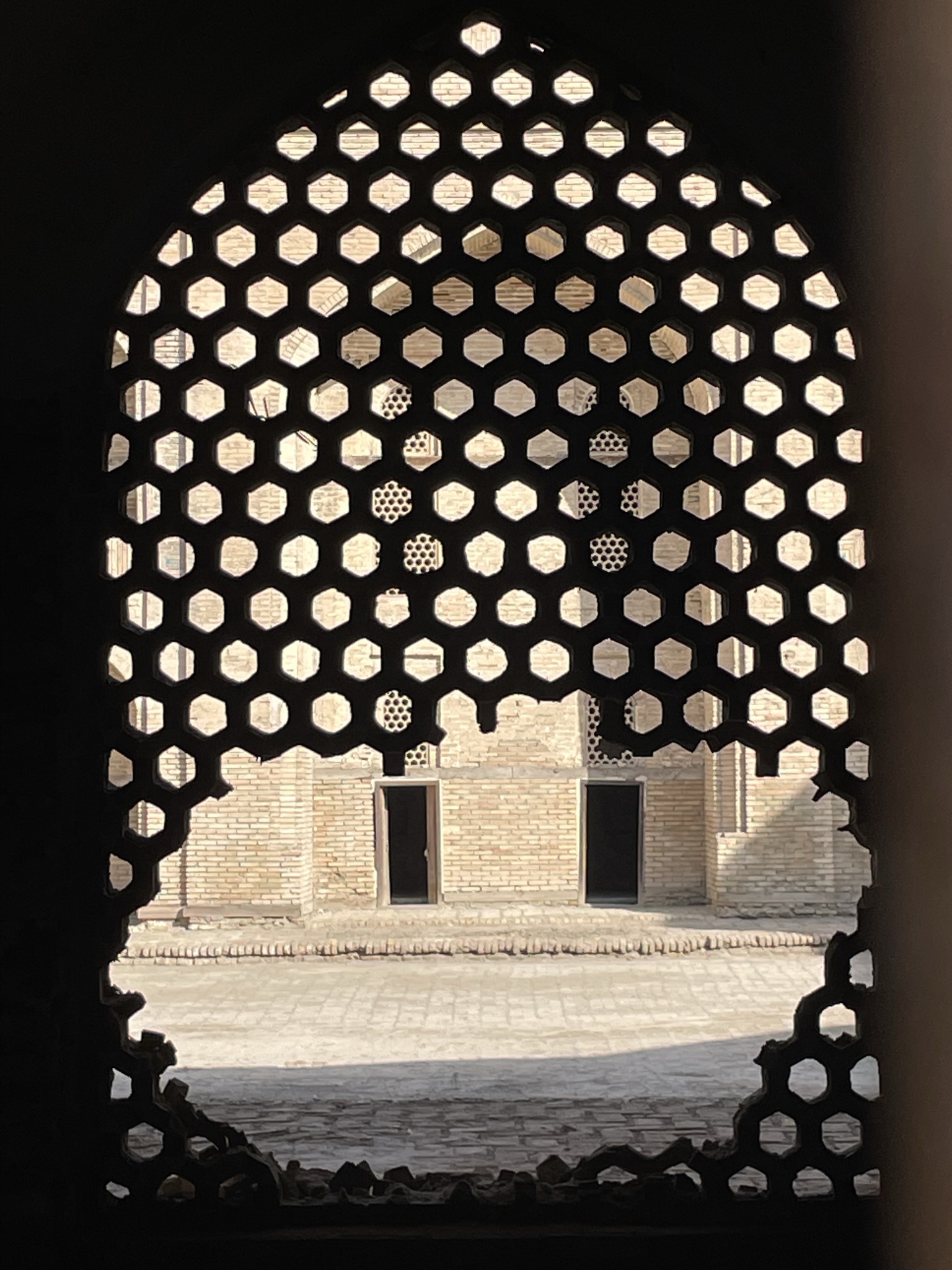
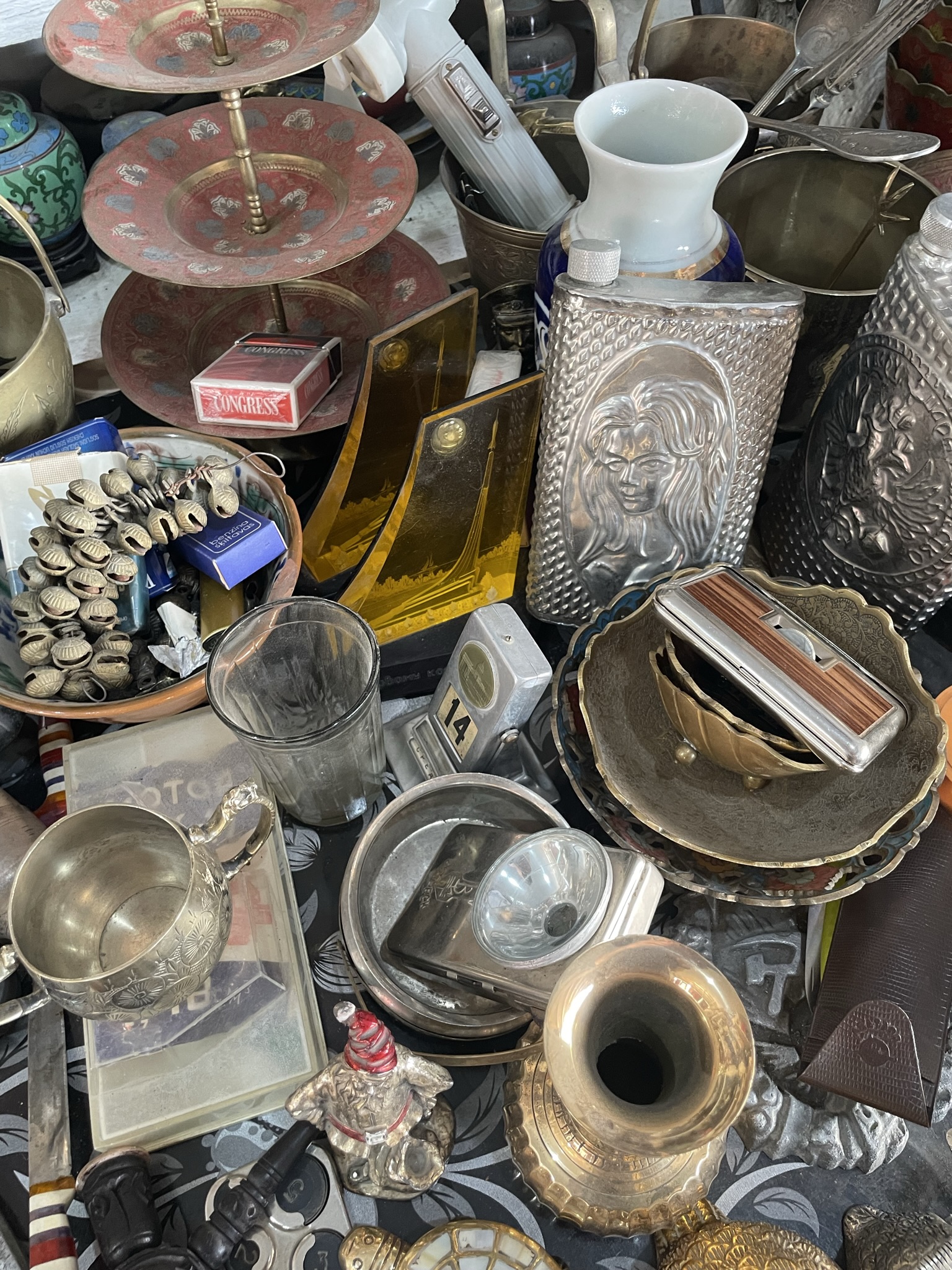
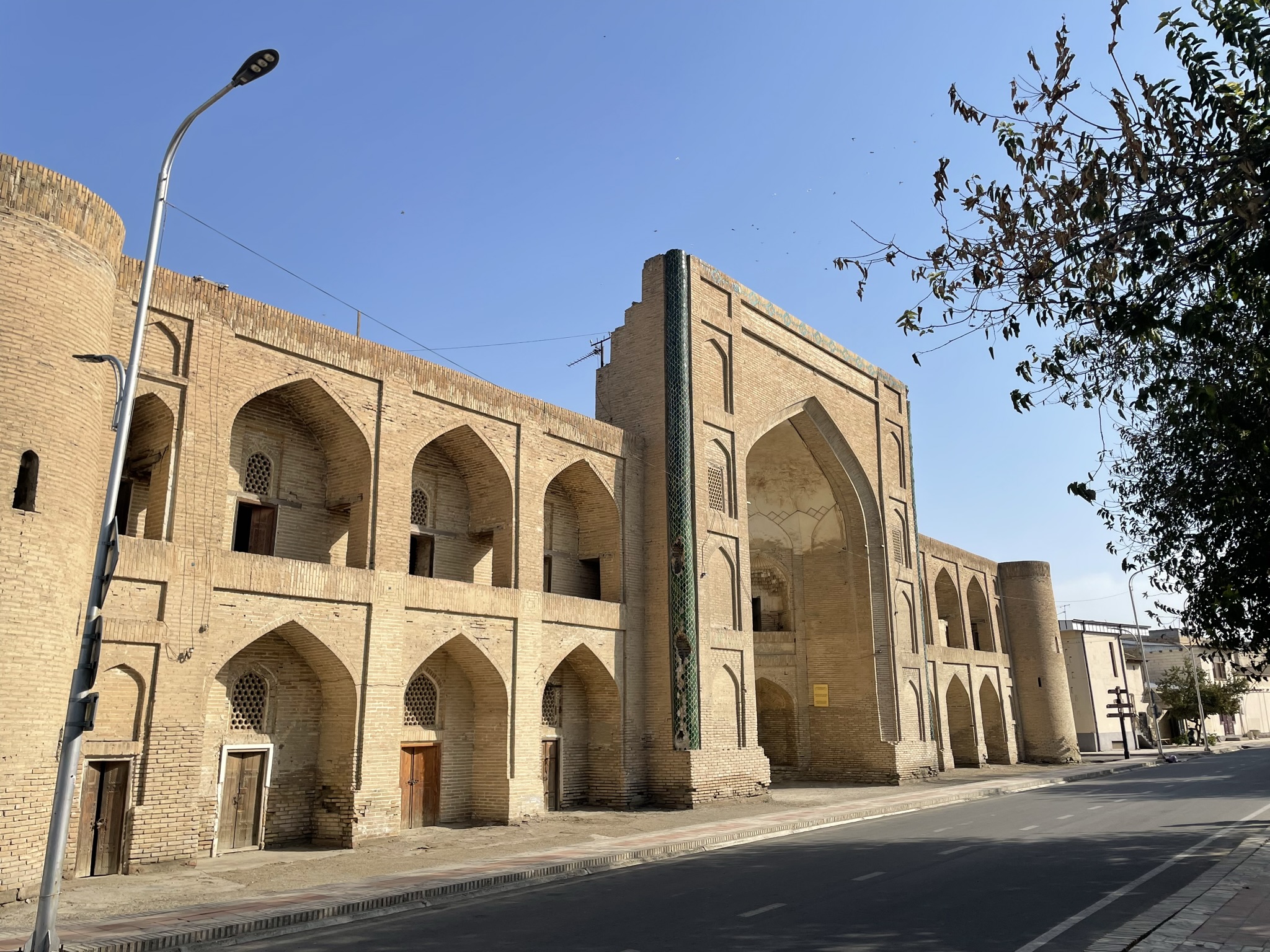
Many historic buildings have been or are in the process of restoration. The completed ones are pristine museums pieces, charging nominal entry fees, culture a la carte as opposed to the buffet-style all inclusive ticket of Khiva. Many of these buildings are home not only to museums but, more often, vendors who have set up shop within virtually any open space. A non-exhaustive list of items for sale includes jewelry, jewelry boxes, chess sets, cups, plates, magic lamps, magnets, bags, hats, postcards, scissors, and musical instruments. The most tempting to me were the collection of Soviet medals and pins and the nicely rendered miniature paintings, a style perfected centuries ago in the region and flaunting Islamic traditions against showing figures. Less enticing were the pithy T-shirts sporting phrases like “All You Need is Plov”, complete with the Beatles rendered in regional garb. As a certified curmudgeon, I bought nothing anyway.
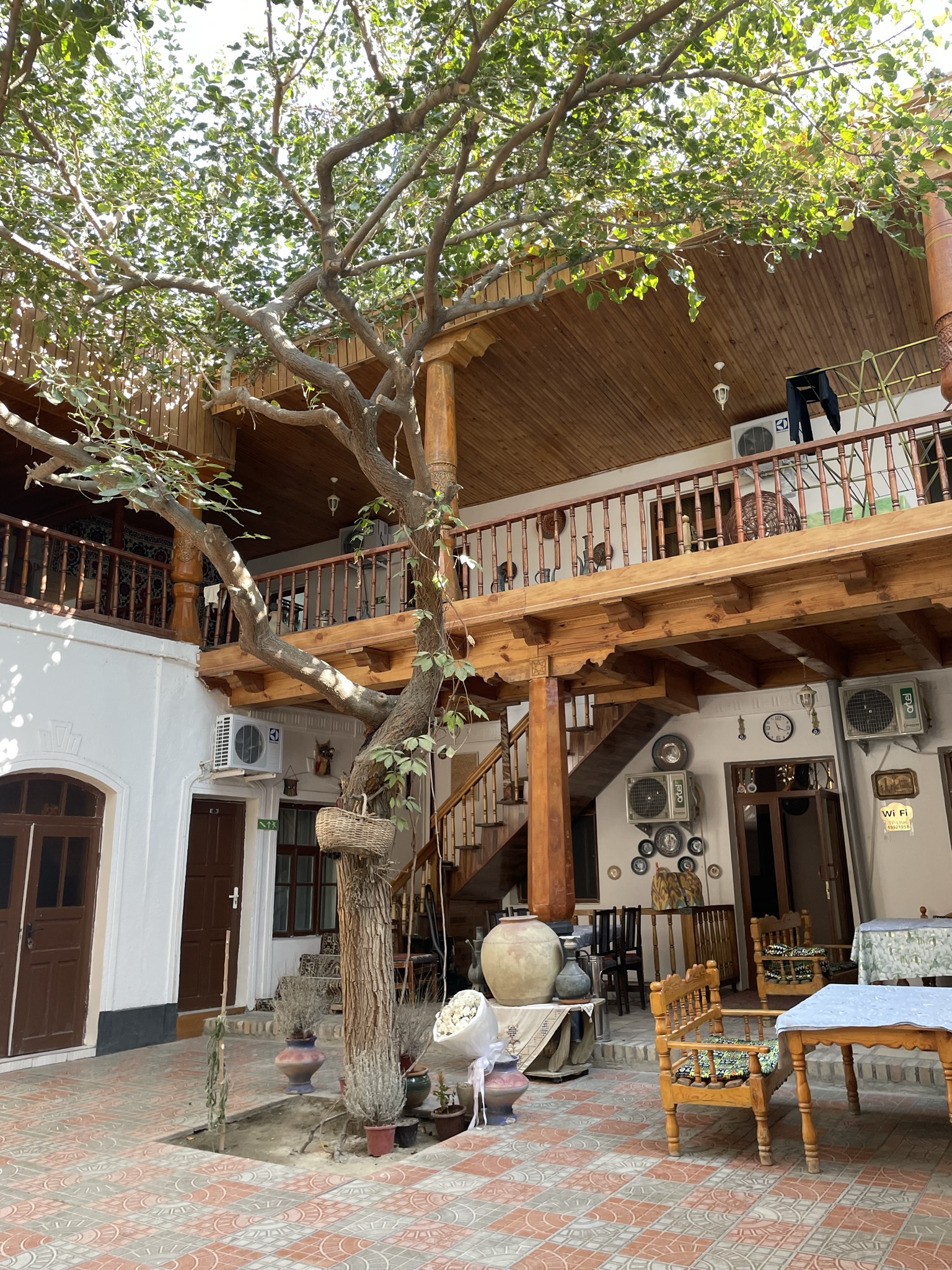
Other buildings are mid-transformation, obscured under scaffolding, and the remainder were still waiting, fencing up to keep aged edifices and people separate, unable to harm one another. The end result, for now, offers an appealing mix, a firsthand view of Bukhara being spruced up in real-time. While the majority of buildings go back a few centuries, some date from the 14th century reign of Amir Temur, known variously in the West as Timur the Lame or Tamerlane. Amir Temur has been adopted wholesale by the young Uzbek regime, apparently a one-to-one replacement for the Lenin status of the Soviet era. He is at least homegrown, though his wanderings as leader of a nascent conquering power would bring his armies to Anatolia, India, and the shores of the Mediterranean, an echo of the Mongols a century and a half before.
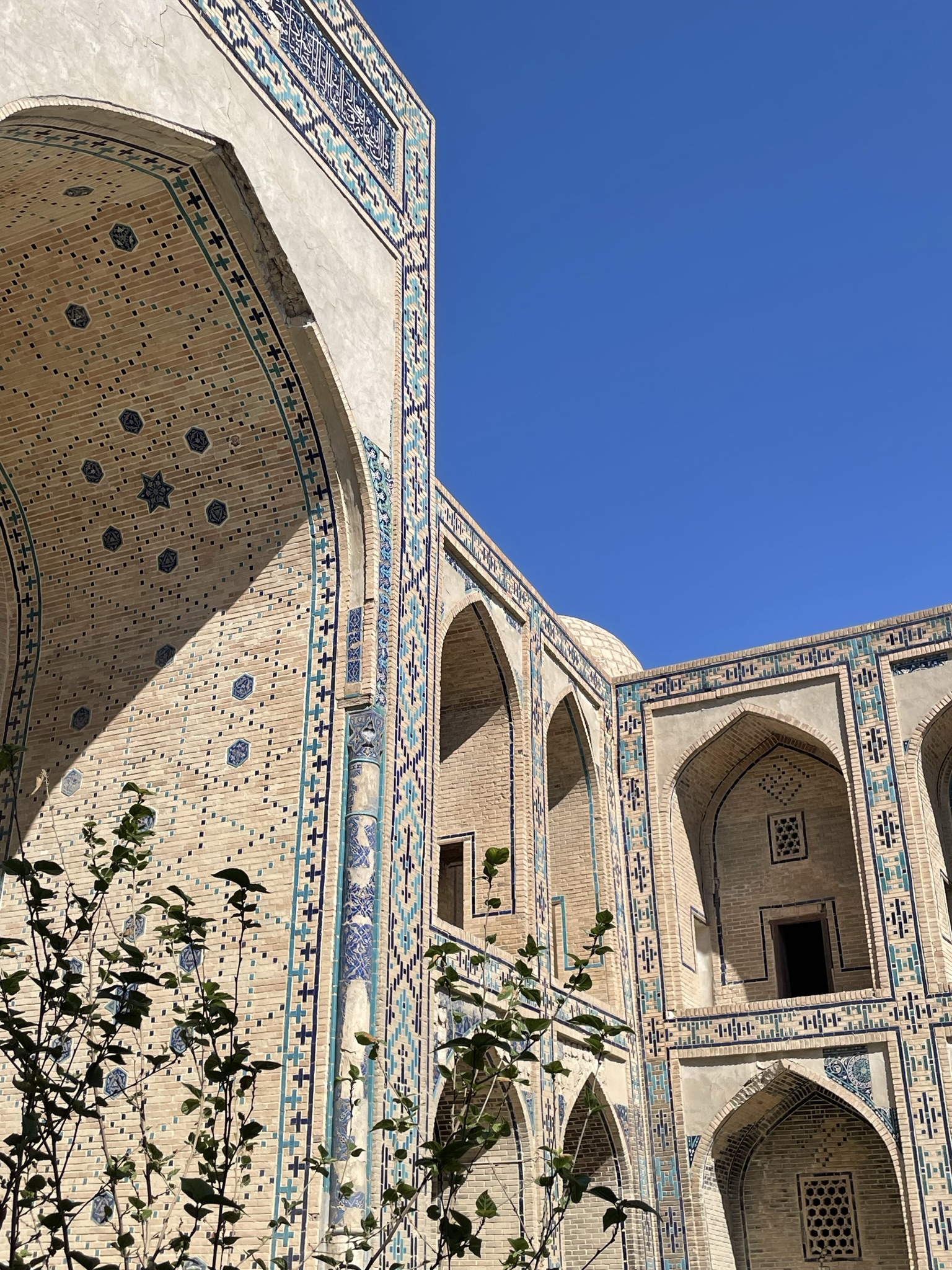
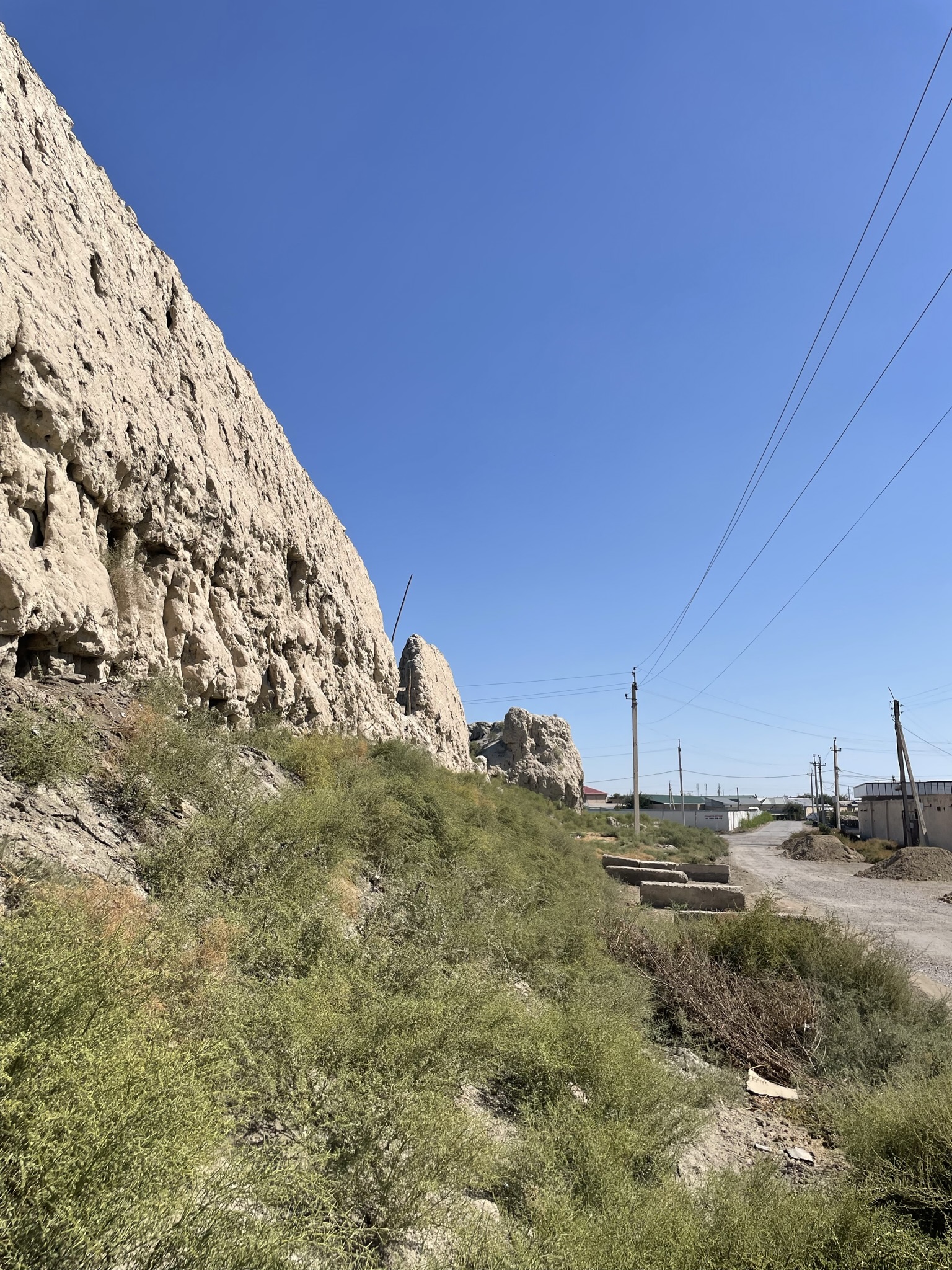
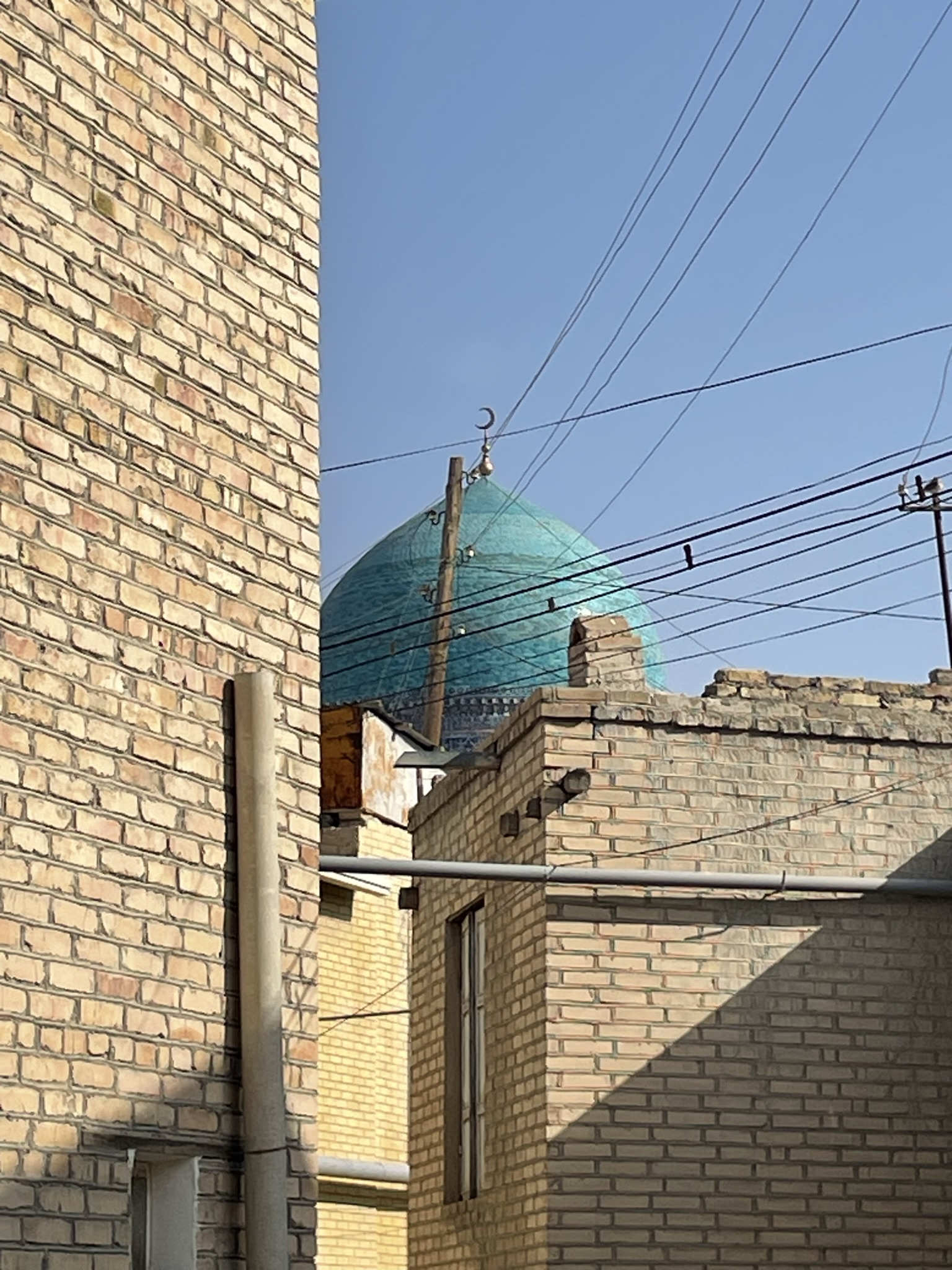
I roamed one day to the southwest, passing dusty madrasas waiting their turn and parks dusty and debris-strewn. Down the quiet concrete lanes of the mahallas, traditional inner city neighbourhoods with walled compounds and past Soviet-era khrushchevkas with heavy doors that had seen better days. The old city wall ran to one side of me as I traced it in the midday sun, muddled shapes looking like an eroded desert in miniature, weeds sprouting up in opportunistic tufts. Tucked into a dead end street sits the Xalfa Xudoydod mosque, dating from the late 1700s. Men were praying inside, bowing their heads to mecca. I had heard no muezzin call, but still felt like an intruder momentarily.
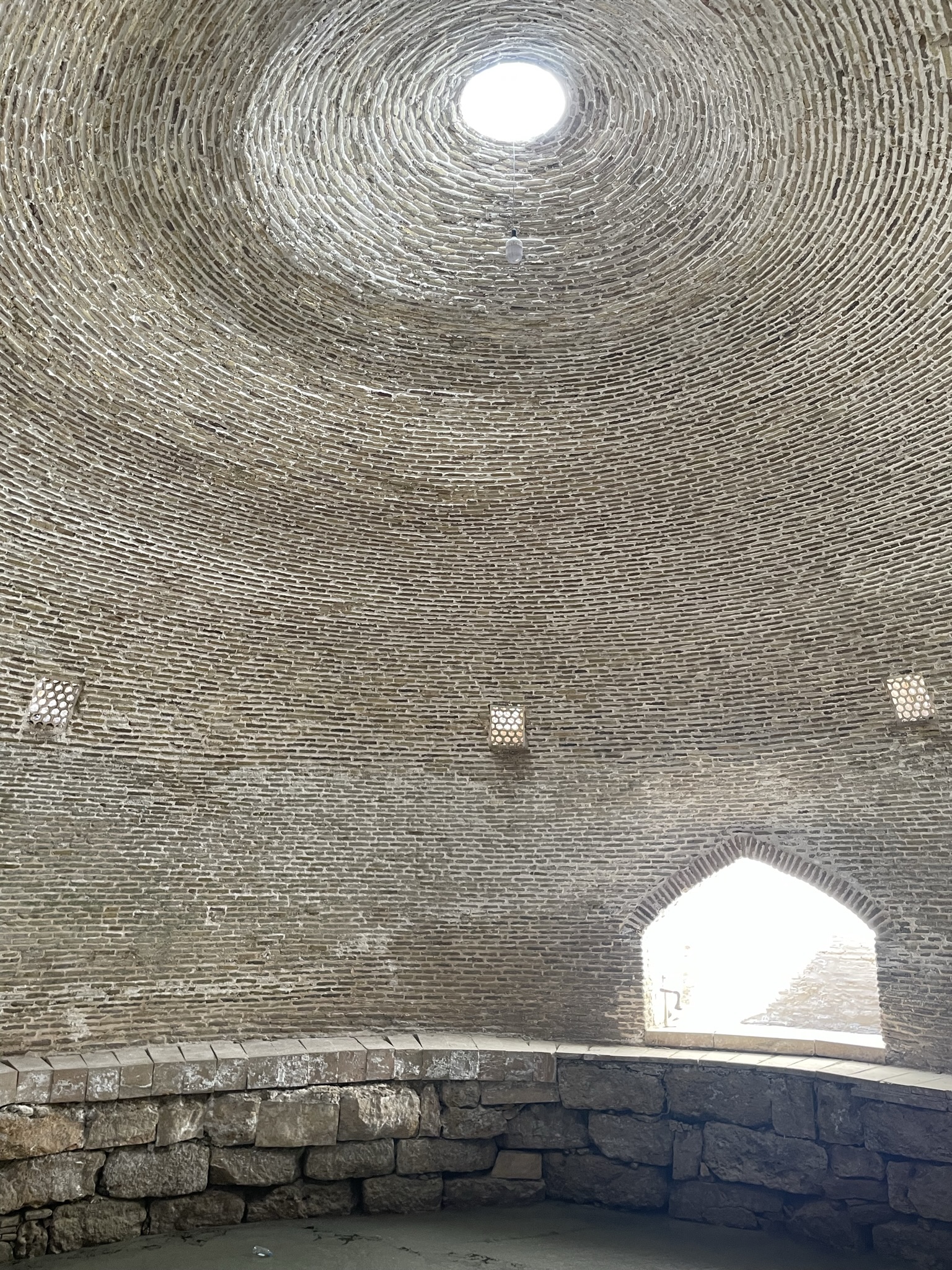
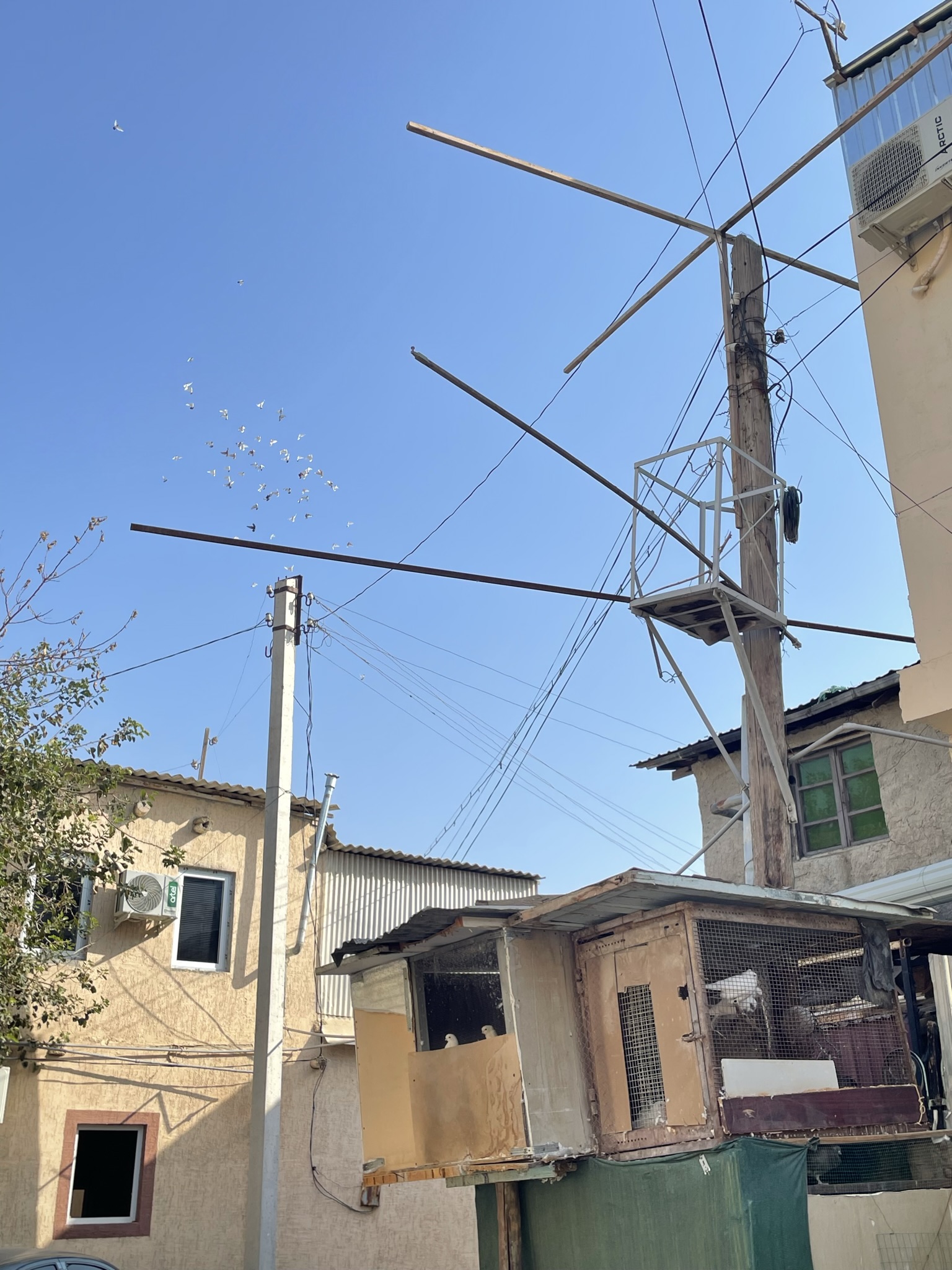
One older gentleman, Yusuf, short and spry, interrupted his devotions to offer me an iron handshake and his bottle of water. I politely declined with a smile and continued back into the courtyard, completing a lap in the dusty sardoba water reservoir before turning back to the exit. By this time, Yusuf had found me again, insistent on handing me a new bottle of water. This time I accepted and we quickly covered the usual questions. A small, totally unnecessary kindness, which I thanked him for, chastising myself for carrying nothing to offer in return. Farther up the road, two young men called out to me, I turned warily. There was dust on my shoulder, they motioned. My cynicism suffers here, Central Asia is a place of many small kindnesses.
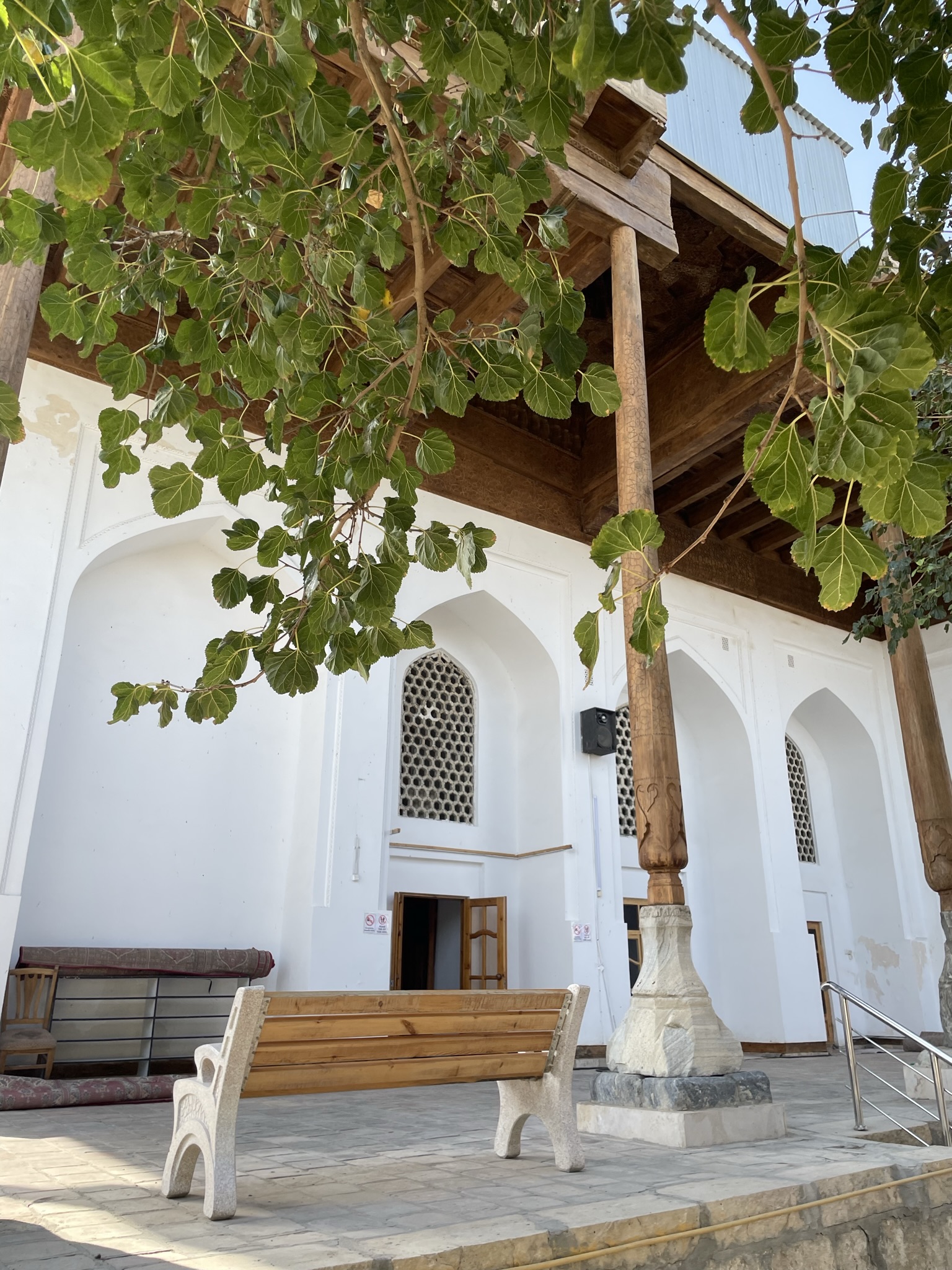
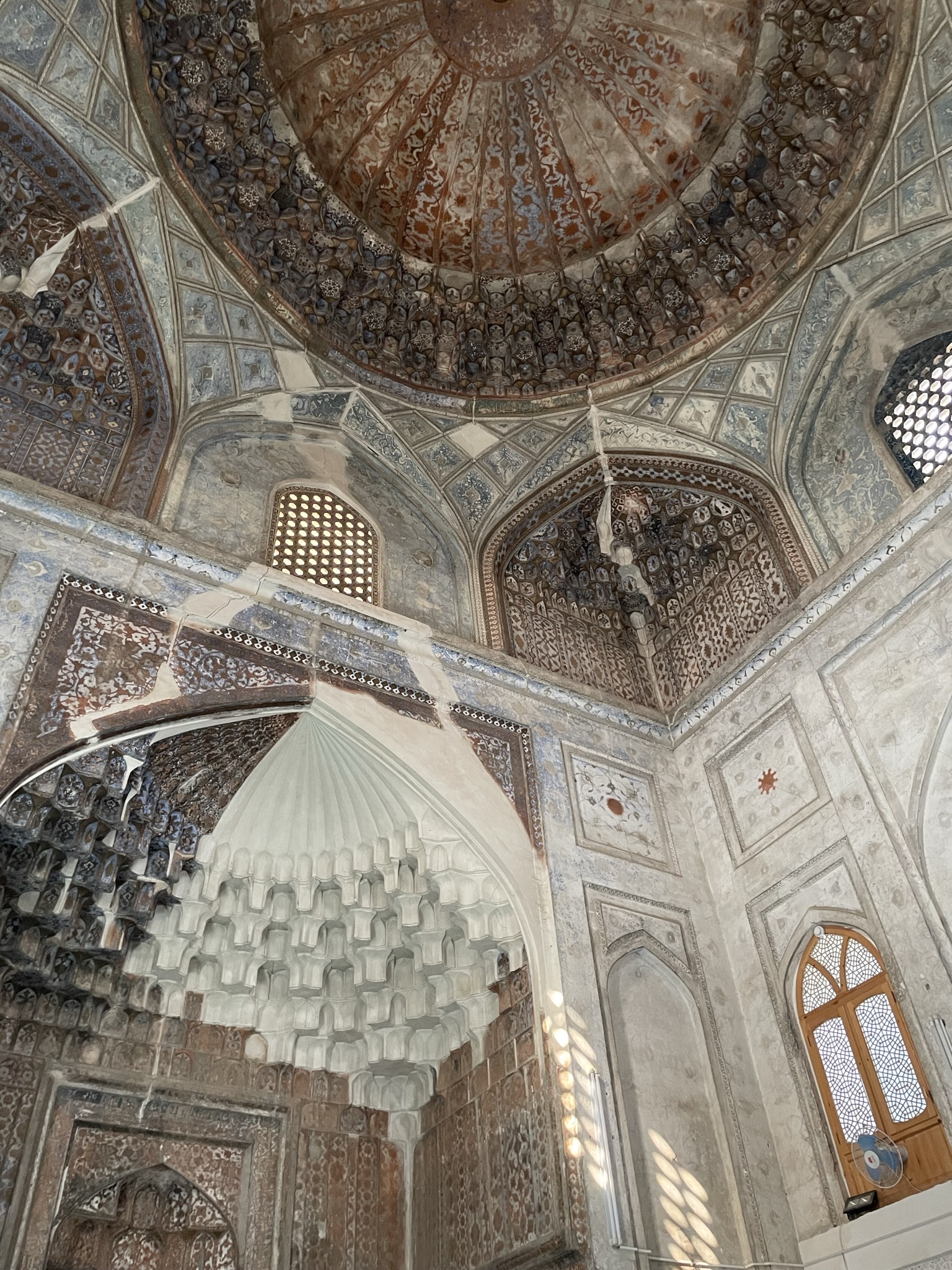
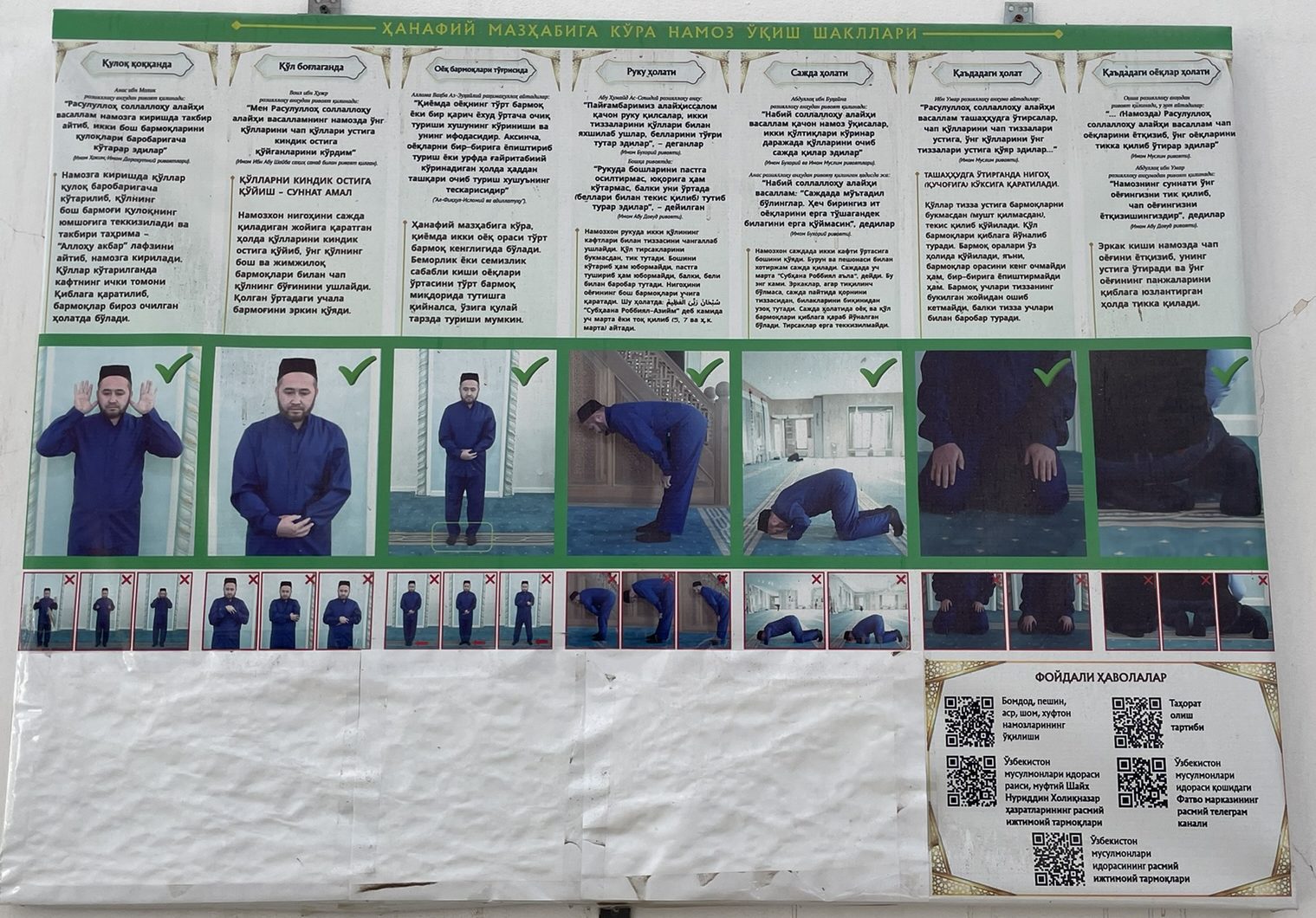
Down another long narrow street, past men and boys on bikes, I arrived at the Hoja Zayniddin Mosque. The small building is ornate, a jewelbox, and an active part of the community with prayer instructions on a poster, water for ablutions, and an electric reader board listing out the five times of prayer for the day. Ahead of me, a pair of shy kittens scampered away across the courtyard, disappearing into the brush. Setting aside my shoes, I entered the mosque and sat, body facing the mihrab and the iman’s pulpit, the minbar. The day in, day out relentless waves of fellow tourists were a reminder to me to also take time to be still, to breathe in the place, the moment. What an amazing thing to be on the other side of the world from my home in this ancient city.
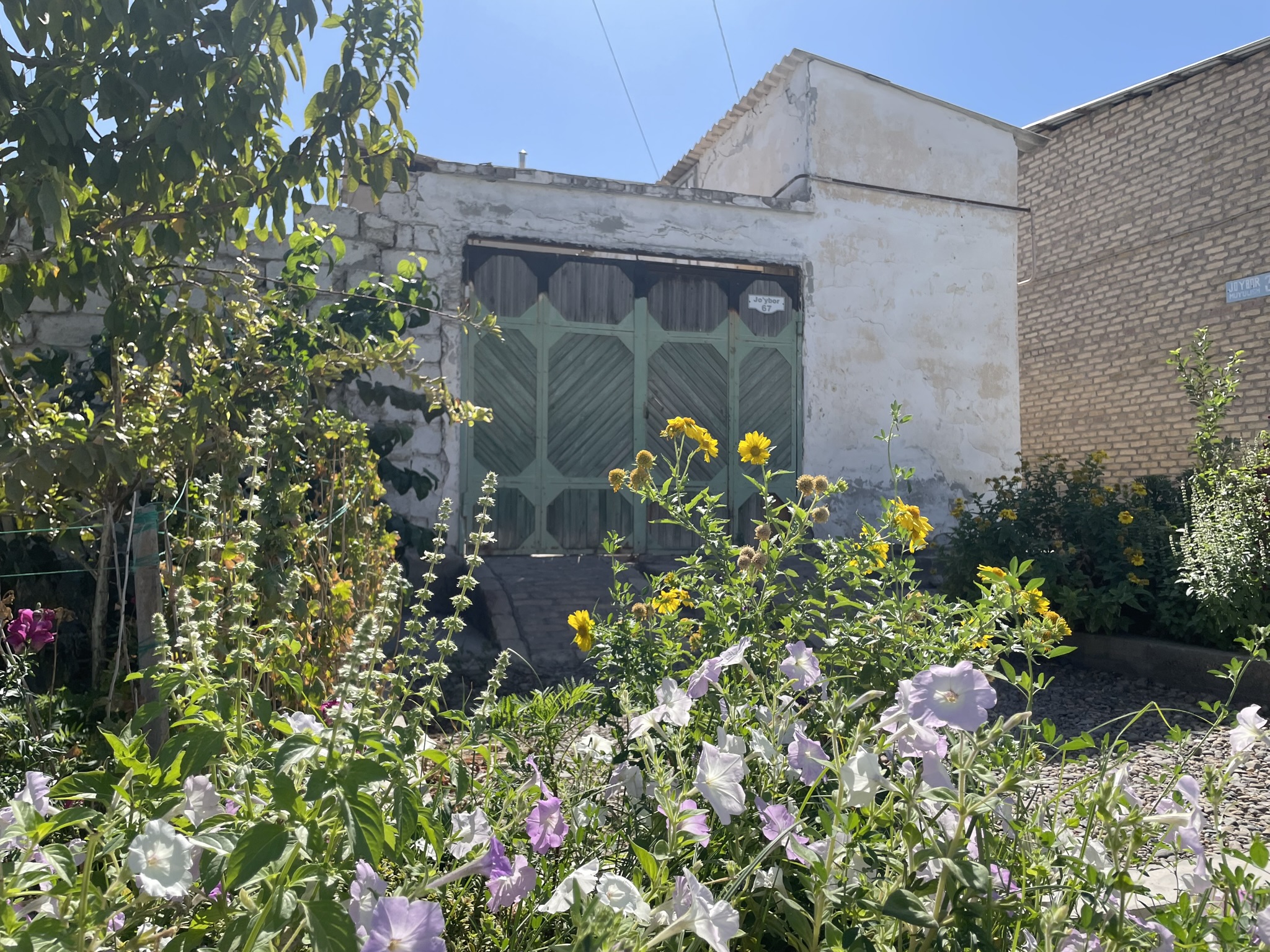
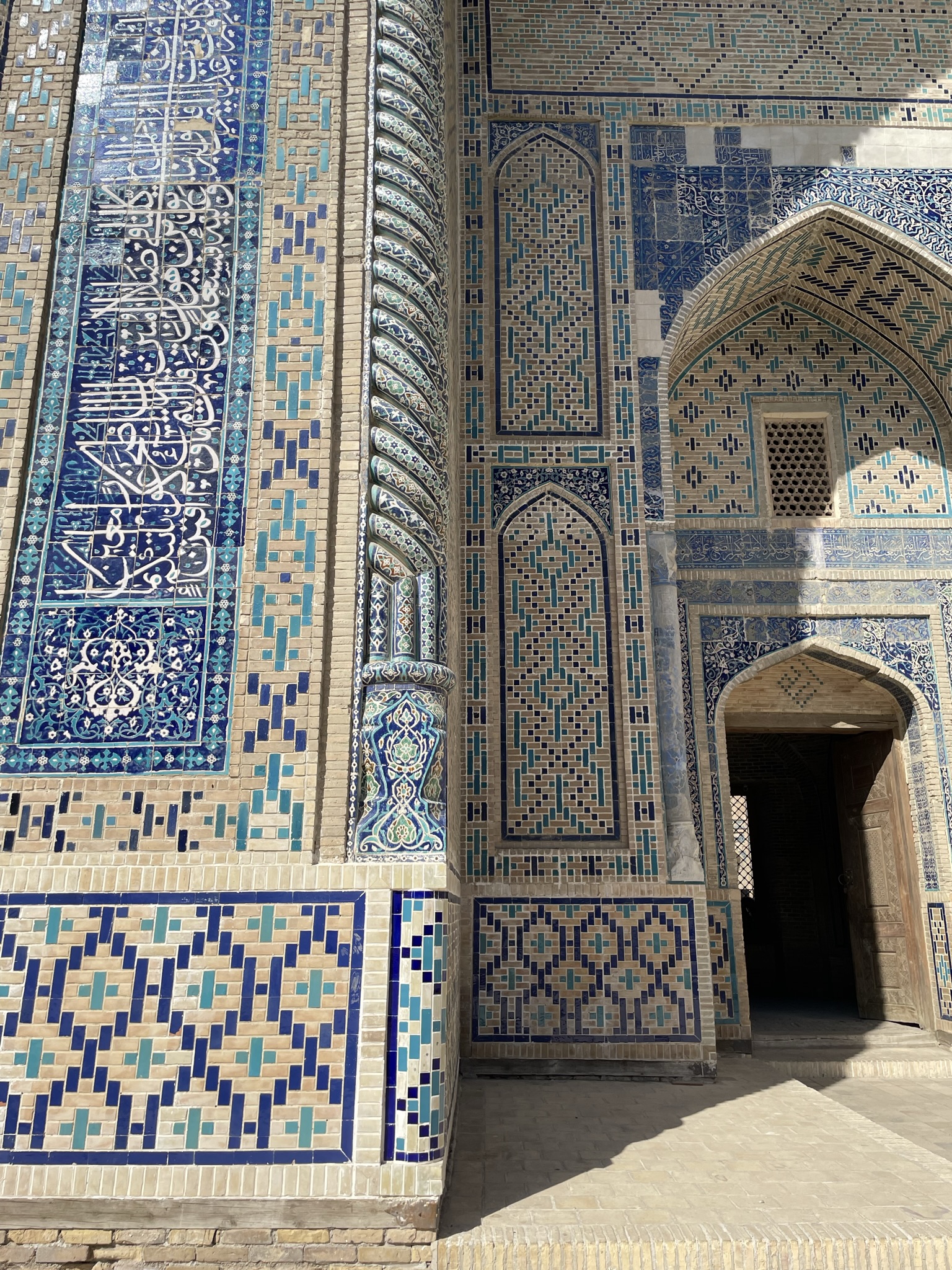
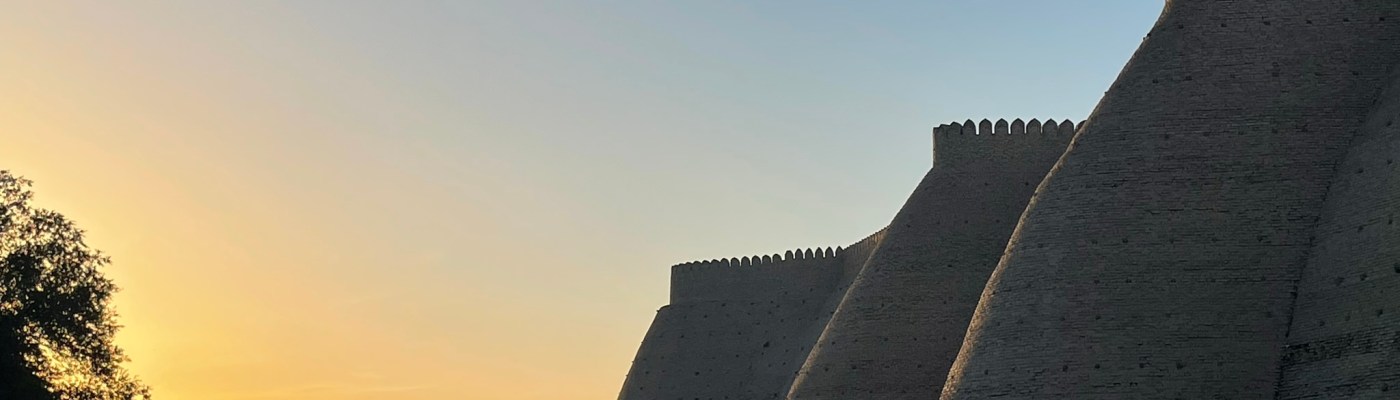
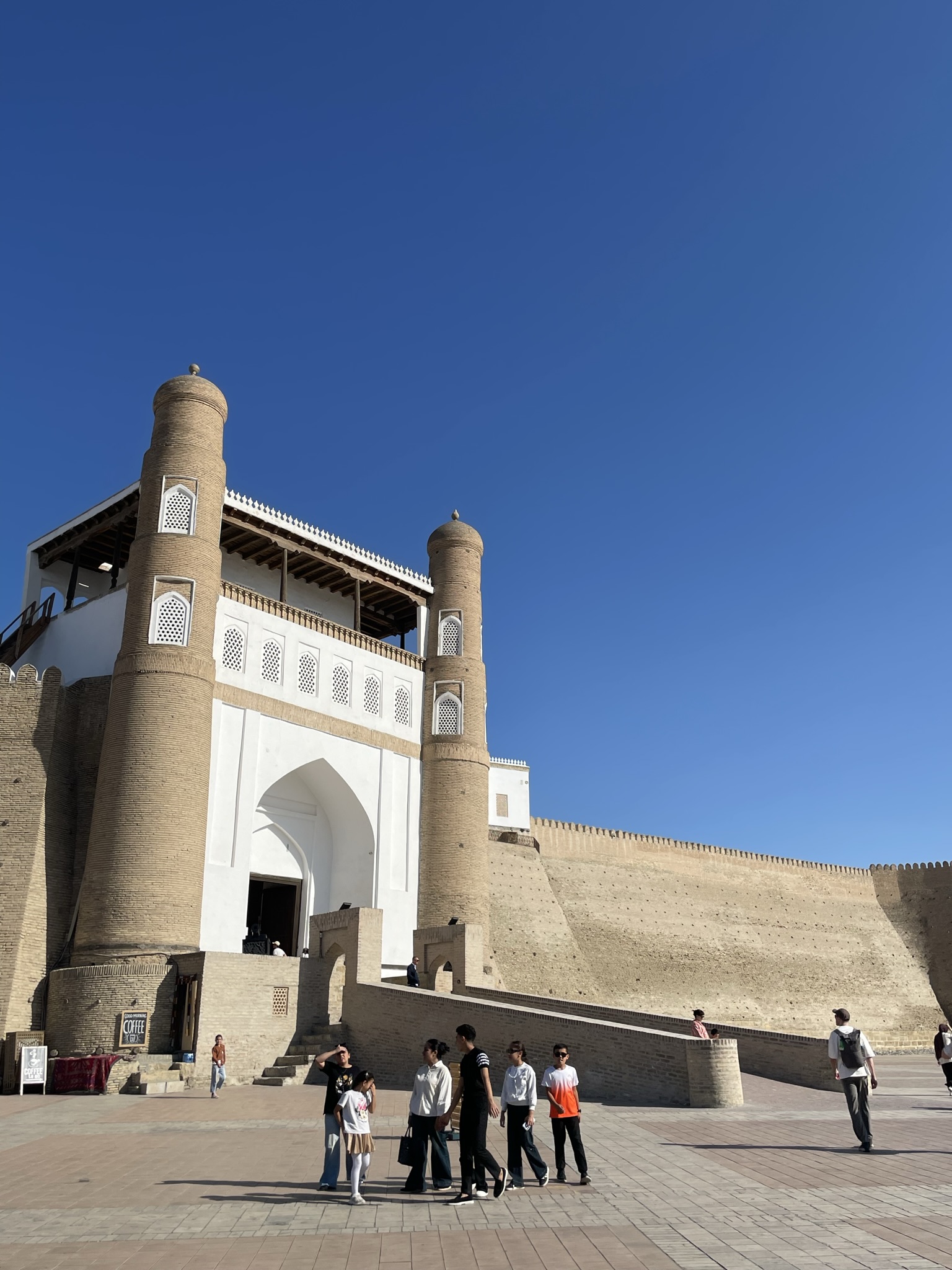
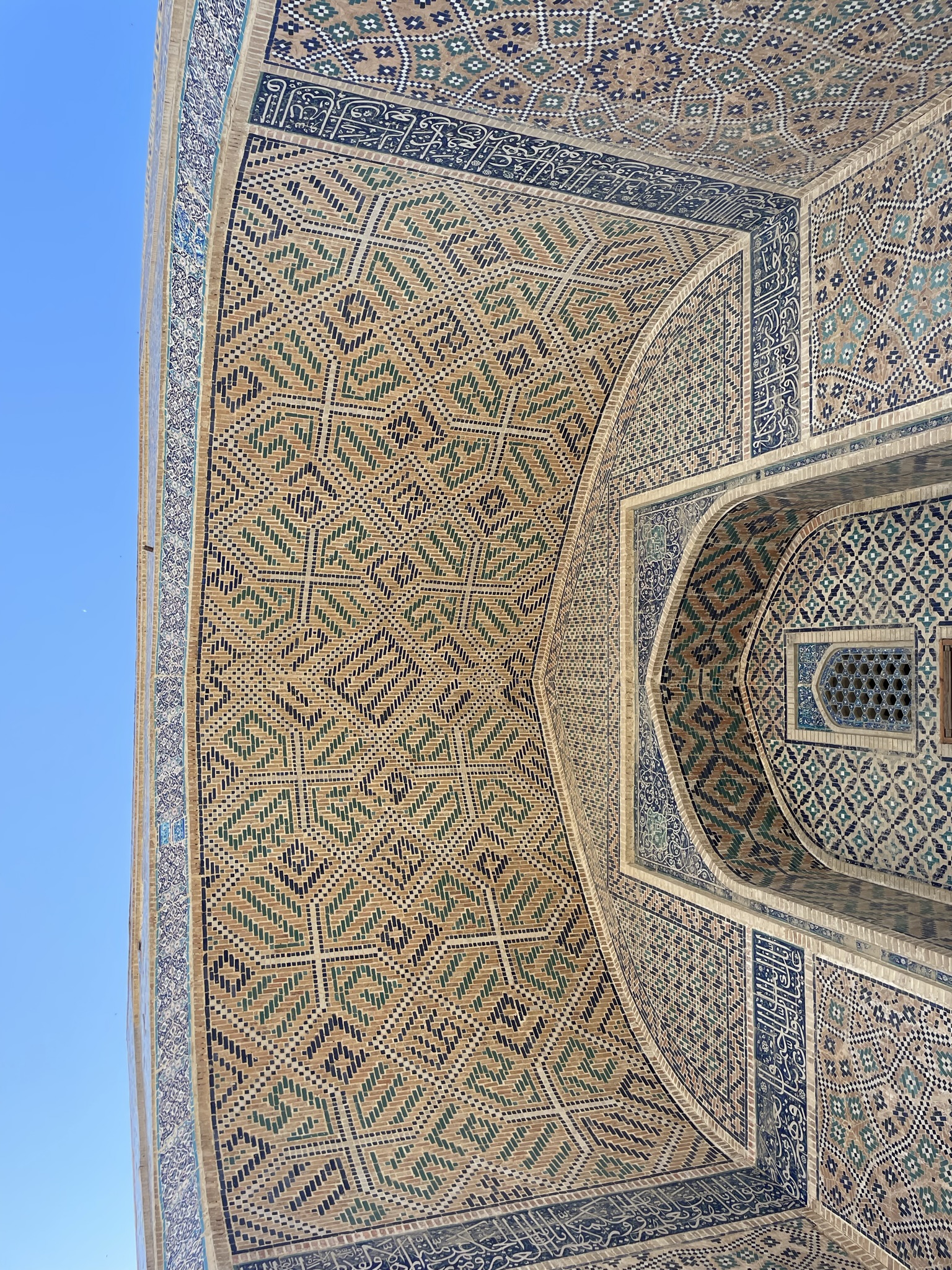
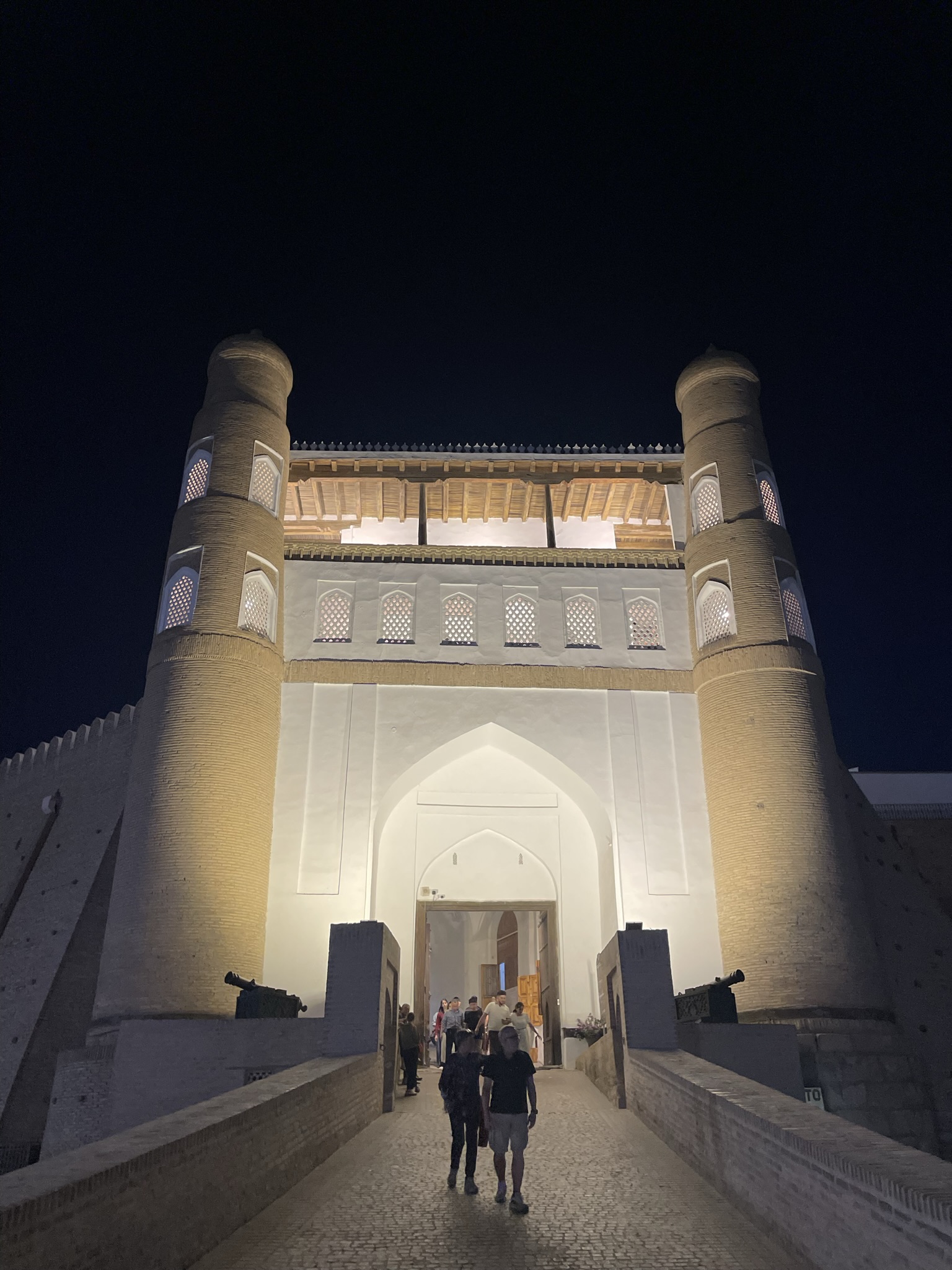
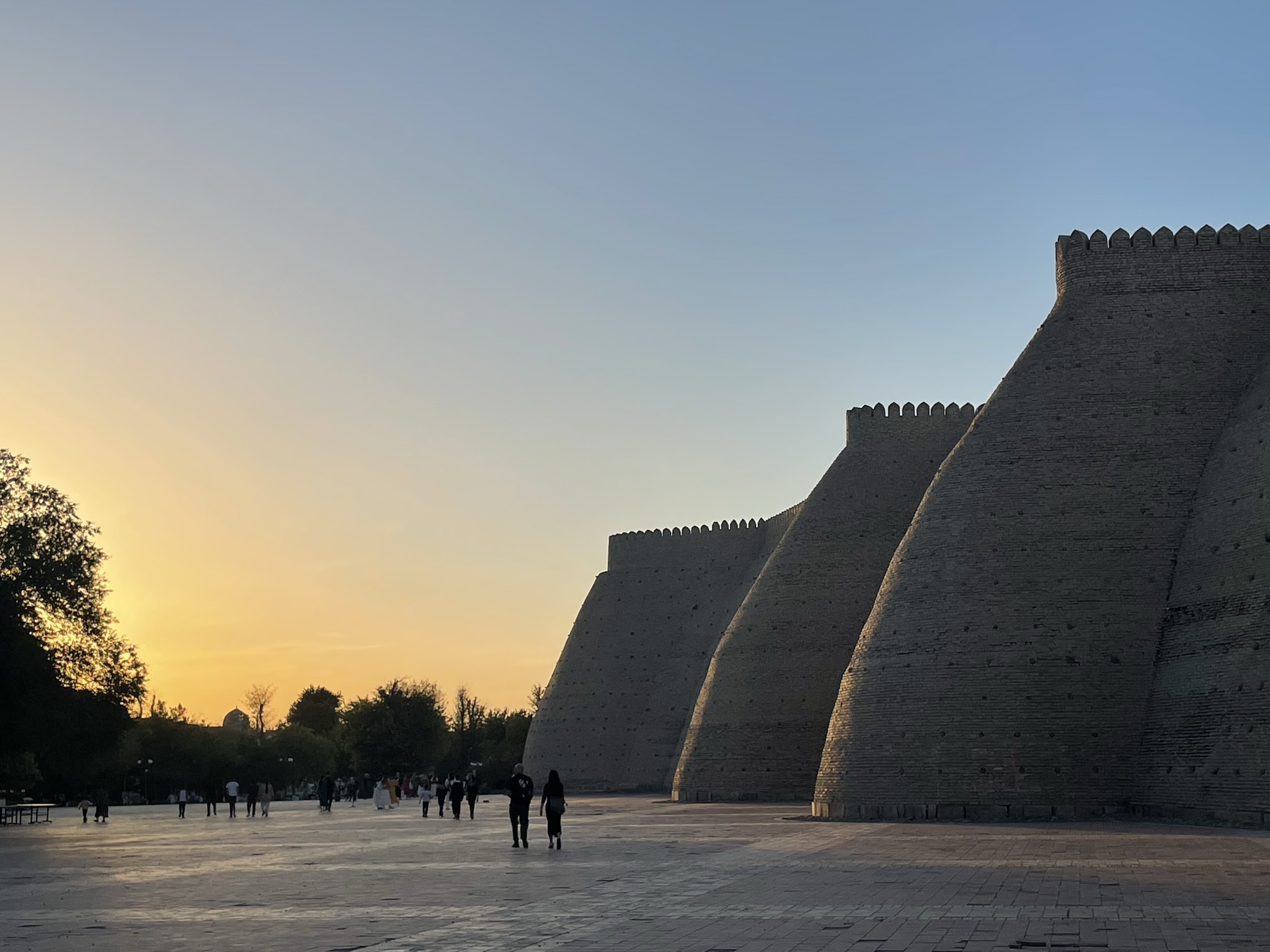
By day I wandered, through the city park and the contemporary central bazaar, into the zindan, the emir’s dungeon with its 6.5m deep pit. At sunset, the Ark, the local term of the citadel, is full of people shooting selfies and cityscapes in the falling light, catching dramatic shadows. In ten minutes the crowd disperses, sated in the darkness while a few scattered people stand in the cool evening air. Finding these little moments of peace, of discovery, kept Bukhara interesting long after the hypnosis-inducing tessellated geometries of the Islamic architecture started to blur together. I did my best to take it slow, posting up in afternoons at a second floor coffee shop balcony with a book and my notes, watching the to and fro through the old city.
As with so much else in life, people make the difference. My breakfasts in the guesthouse courtyard included a conversation with a Russian emigrant who landed in New York City and felt Mamdani was running it to the ground but didn’t see the point in voting. En route to the corner store a kid fell in step with me, speaking good English thanks to the tourist trade from his family’s guesthouse and brimming with ideas for his bright future. A few blocks away, past winding mahalla streets and down a few steps sits a basement bar, a tourist hub where I chatted with Eddie, a retired British Airways employee on holiday with his wife. Like me, he brings his notebook when he sits down for a pint.
A different night I partook in bar snacks and conversation with a pair of Uzbek tour bus drivers in their early 30s, again kind men game to answer my questions about Uzbekistan and their lives, as well as keen to ask about me, Canada, and what I thought of Bukhara. I told them the same thing I told myself the morning – in the end I loved Bukhara. A few days later, I was again on a train, rattling down the rails to the last of the Silk Road trio, legendary Samarkand.

