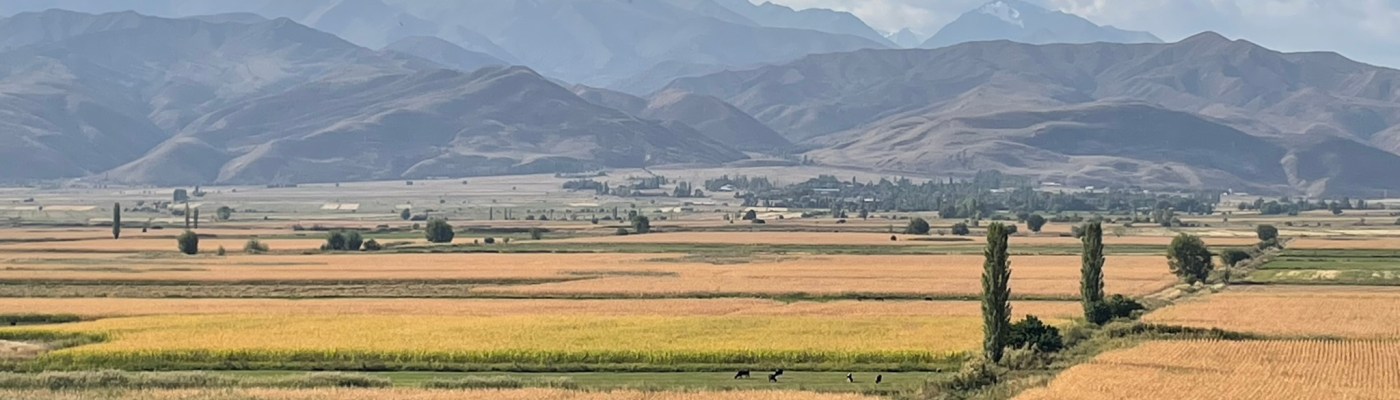
Aside from the flags, both sides of the border looked the same, mirror images in a sere landscape. For much of history, there has been no border here and today’s is a chance creation, fallout from the Soviet Union’s sudden collapse. While we can debate the ‘reality’ of a border, I will assure you the experience was deeply real, an aging bus churning over the Kazakh steppe for several hours with an inexplicable stop at a dilapidated gas station. This was bad enough, but the bus never, at least in the hour I waited, joined its passengers on the Kyrgyz side of the line. I threw in the towel, annoyed, and hailed a ride into Bishkek, another hour away. It had taken all day to cover the 250 km from Almaty, and it was long after dark when I set out for a meal. A rough first impression, no doubt, but thankfully not the only one.
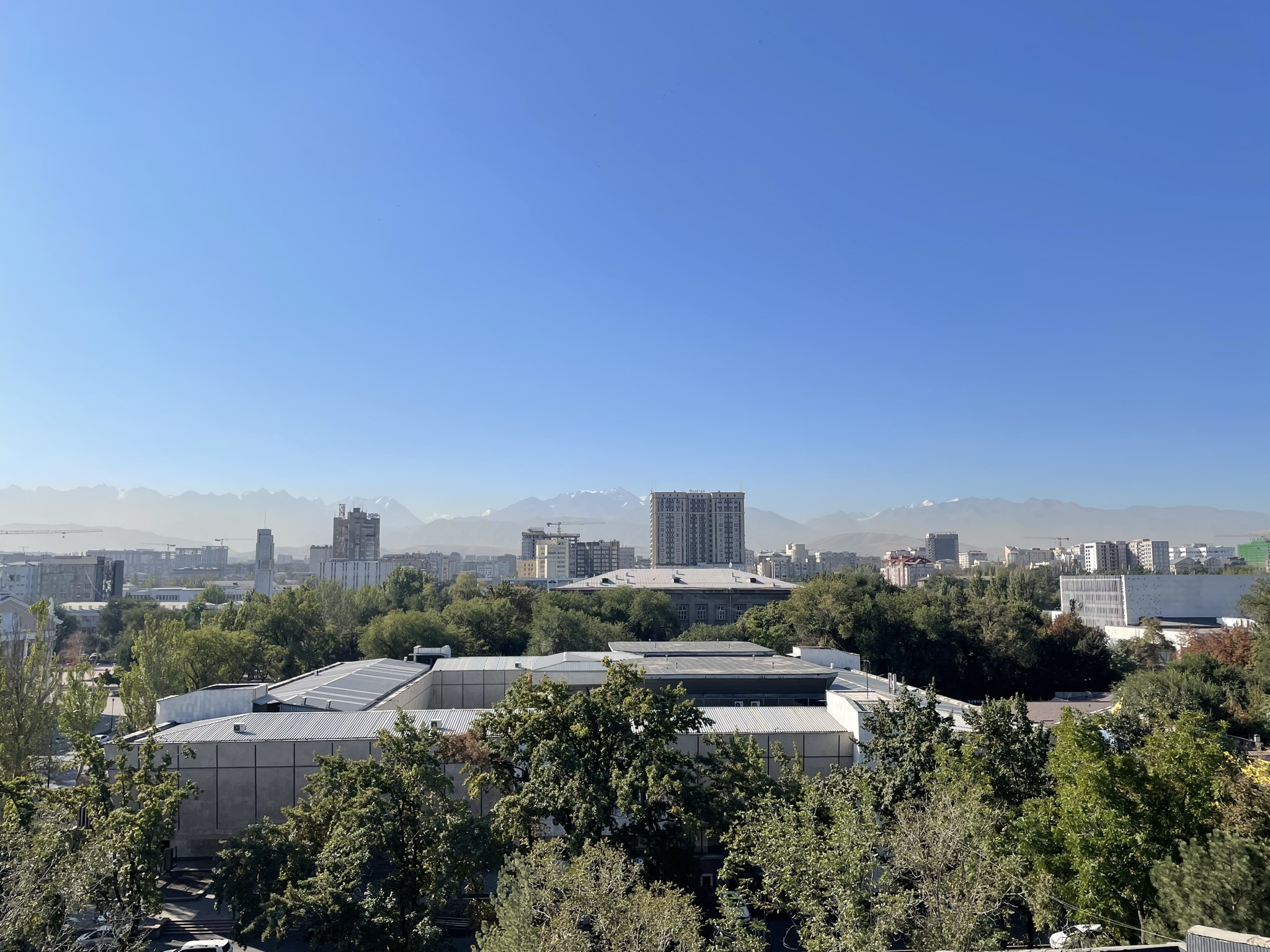
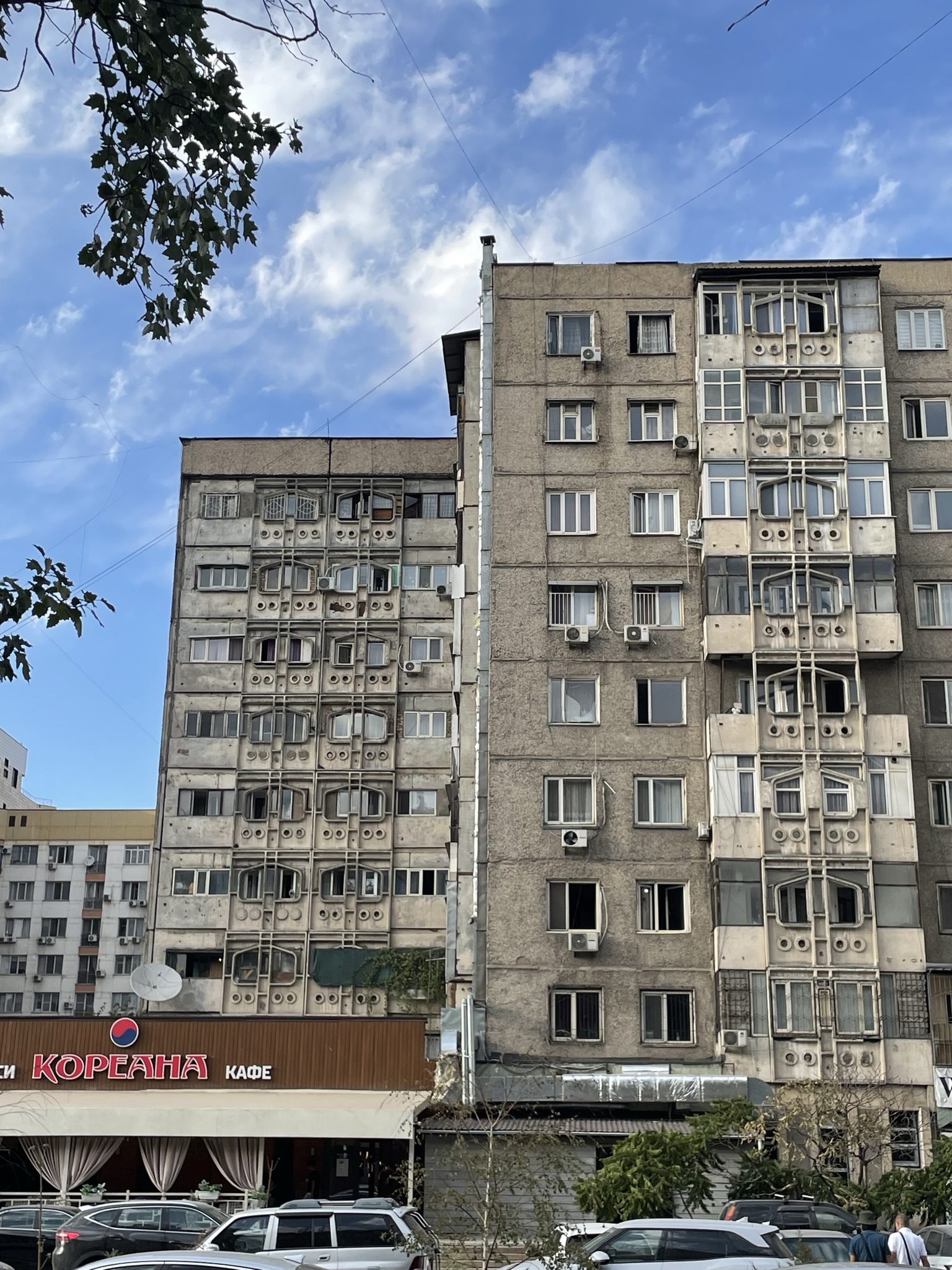
Bishkek is unheralded in literature on the region. It claims no fame as a major hub, historic centre, or even locus of contemporary culture. Kyrgyzstan instead is lauded for its mountain landscapes, undoubtedly breathtaking, covering the vast majority of the country. The capital is instead a footnote, a launching point certainly, perhaps worth a day to catch one’s breath, but rarely does it stand out as a destination. Imagine my surprise then that I liked it almost from the start. Even on arrival, people were out, families on the sidewalks and couples and friends huddled on park benches. Bright electronic ads lit the near-moonless night, and a mix of late model Toyotas, Chevys, and Hyundais crowded the roads. No tired Ladas, Zhigulis, or Volgas here. Bishkek was modern.
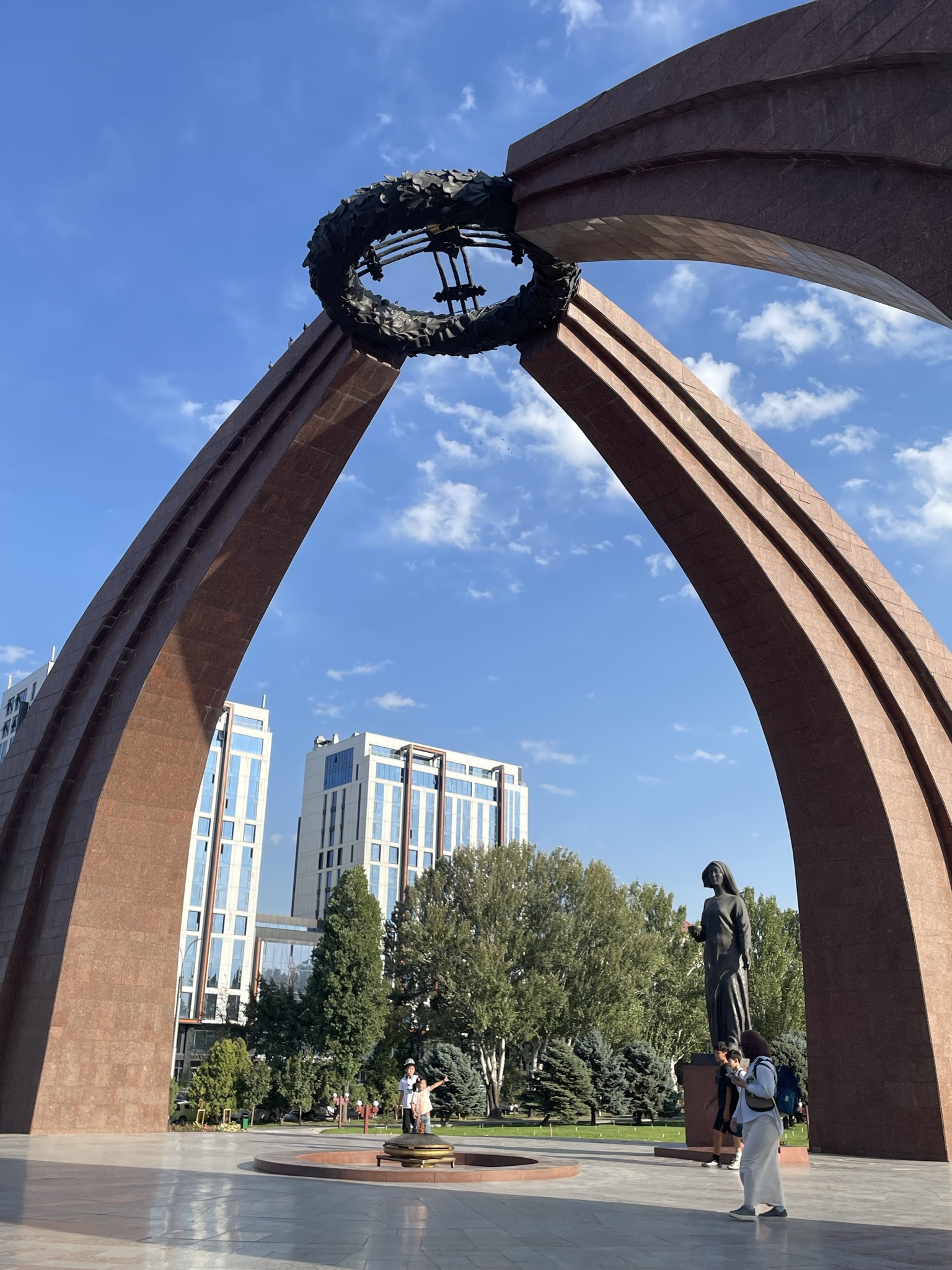
That energy carried over to the next day. Breakfast on the 8th floor of my hotel revealed the Ala-Too mountain range to the south, cutting off the Chuy river valley where Bishkek sits. Street corners are marked territory for women setting up card tables for beverage sales, coolers wrapped in “World Nomad Games” covers offering a selection of kvass (made from fermented rye), chalap, maksym (both traditional dairy beverages), and aralash (a mixture of the latter two). The beverages tie back to culture of nomadic herders traveling with their livestock, adapted now for the upwardly mobile 21st century employee headed to the office. Several days of sampling brought me to two conclusions: I do not care for the salty, tangy aralash but am a big fan of kvass.
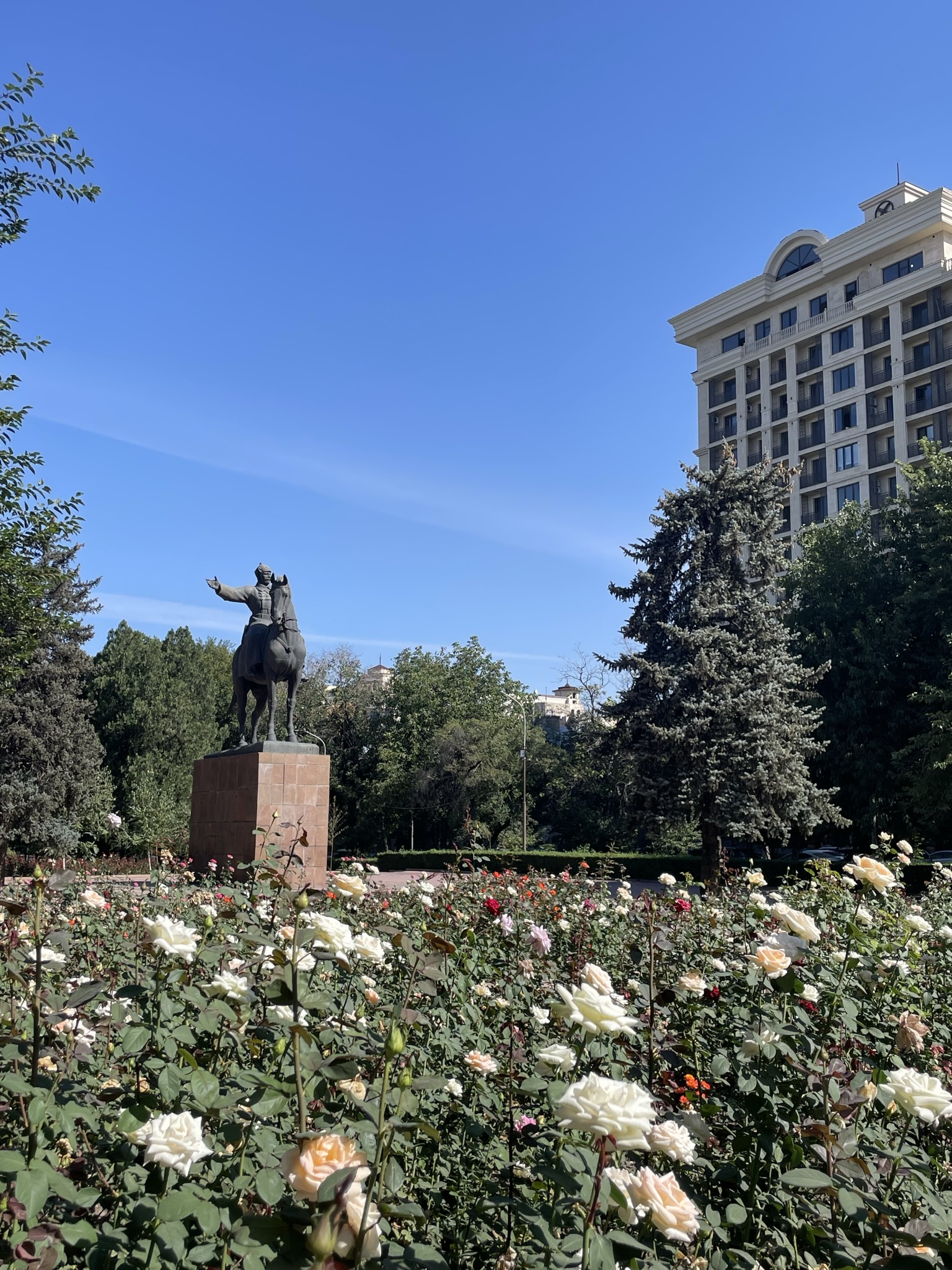
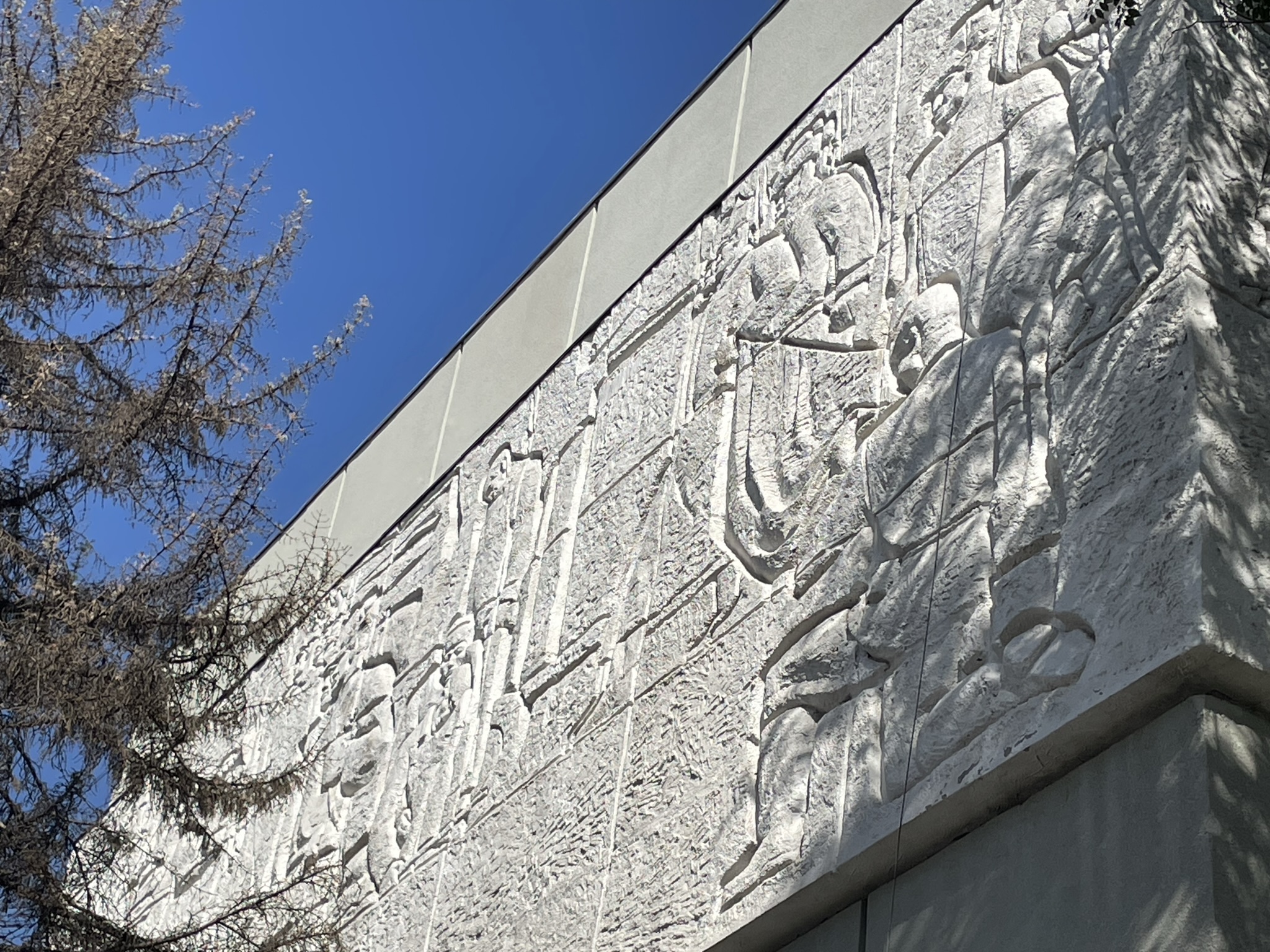
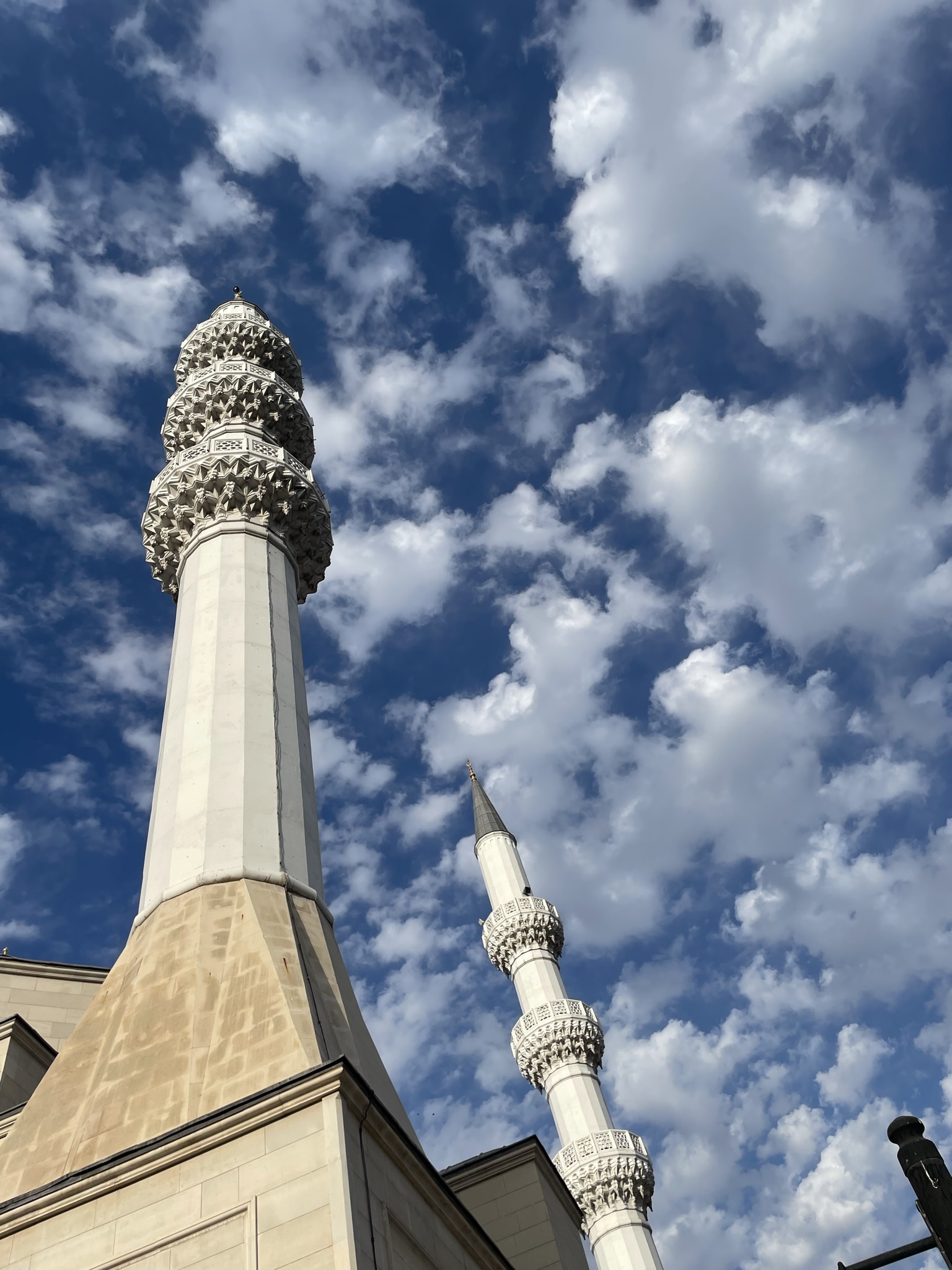
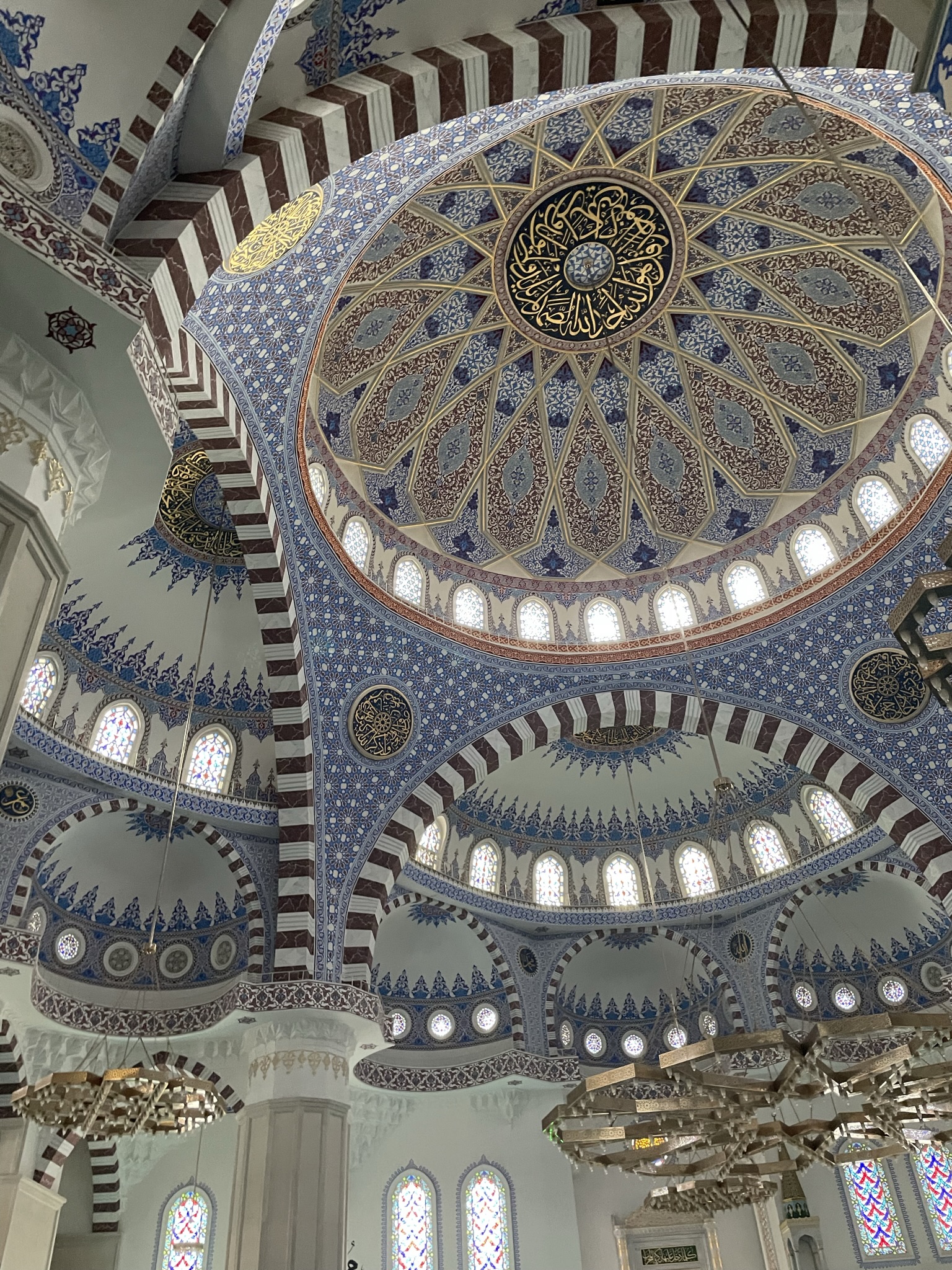
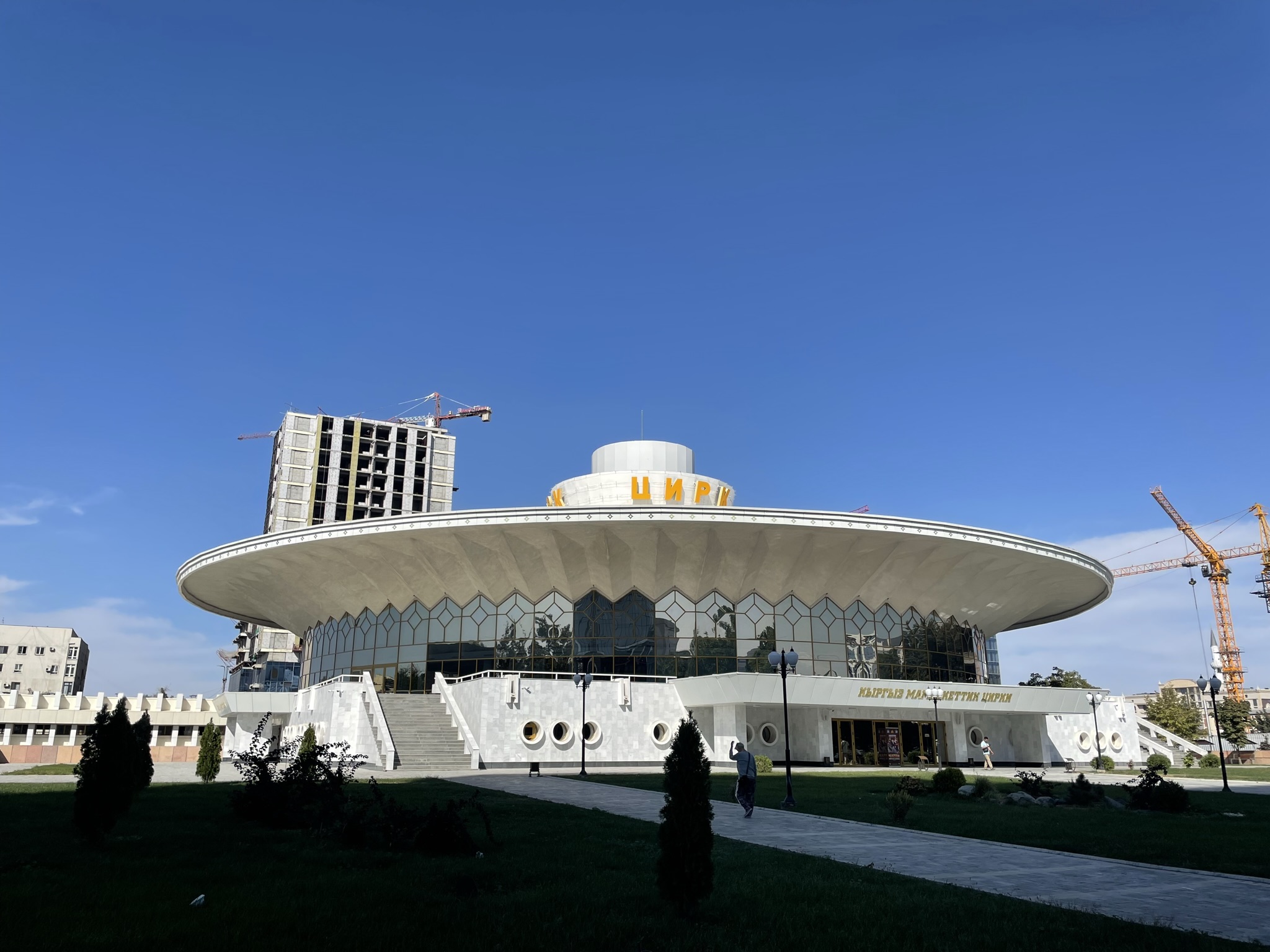
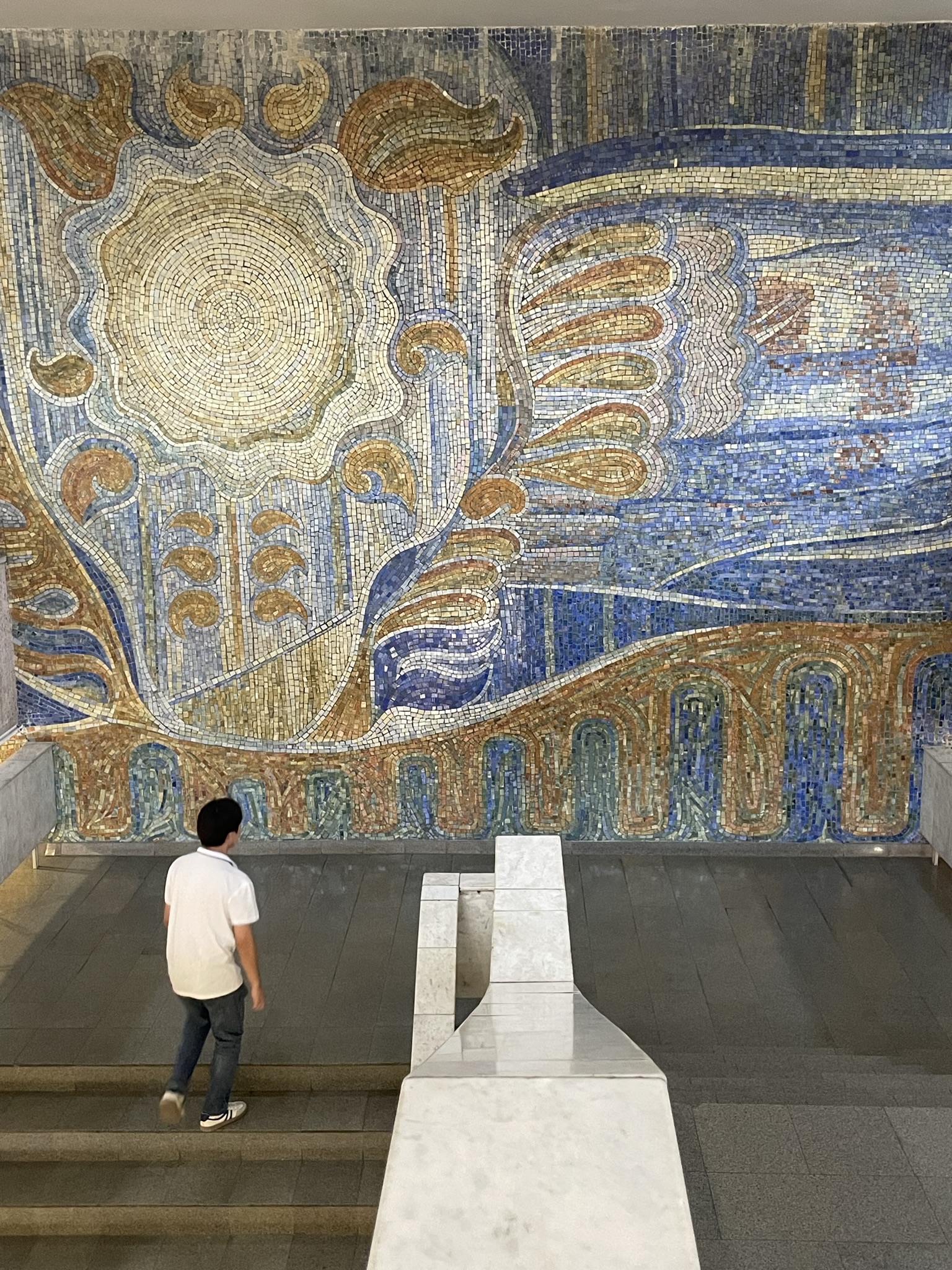
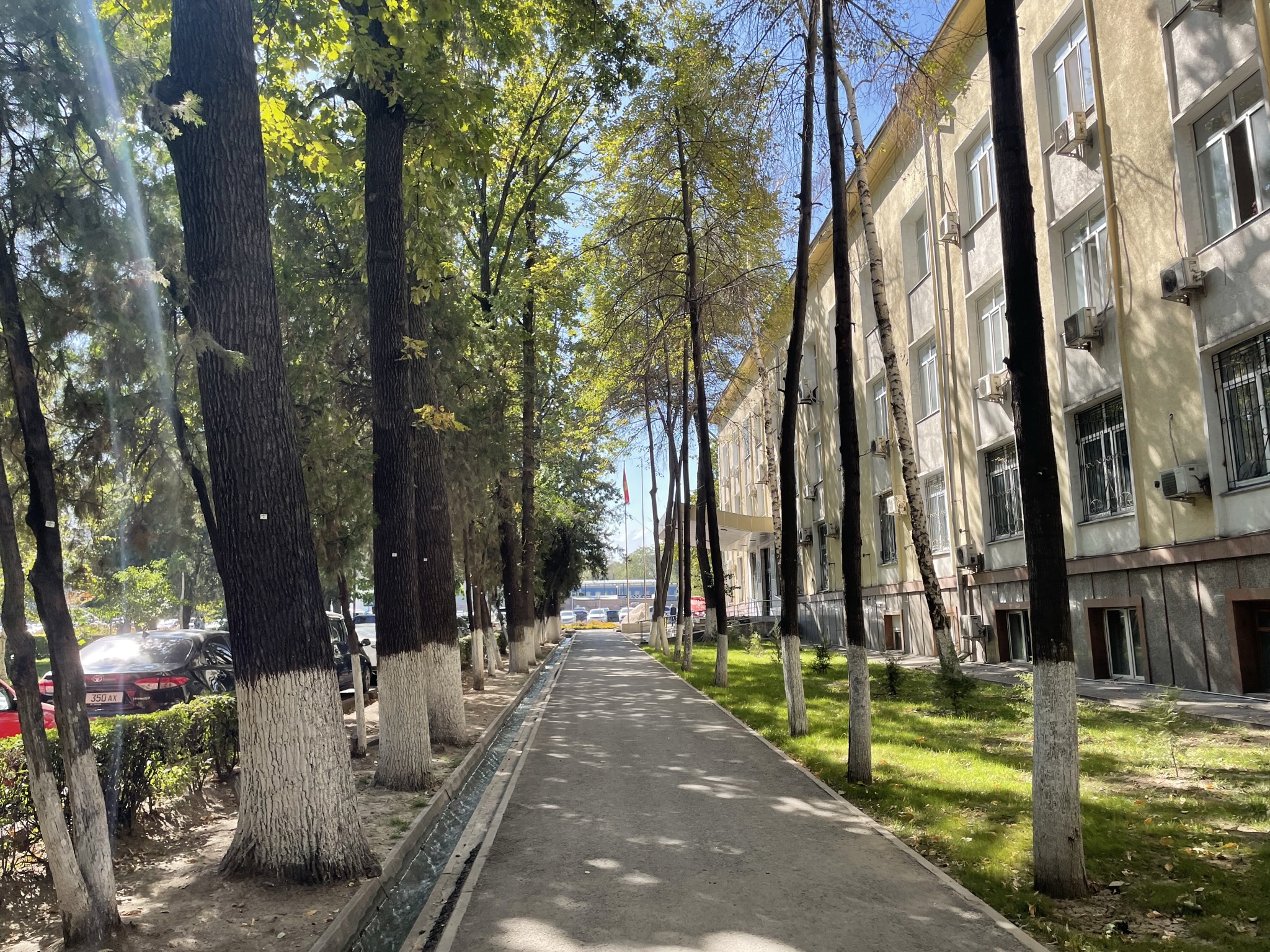
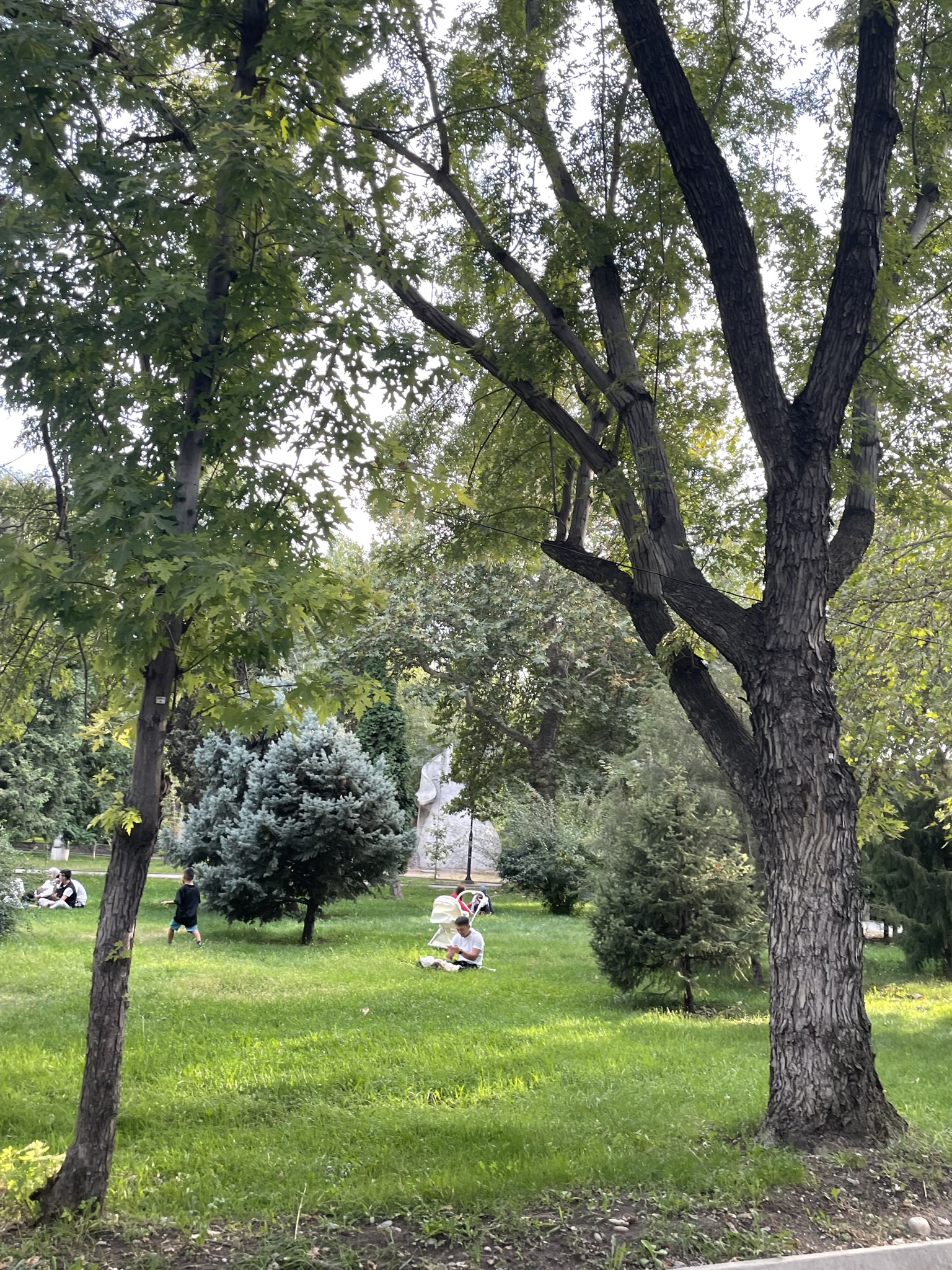
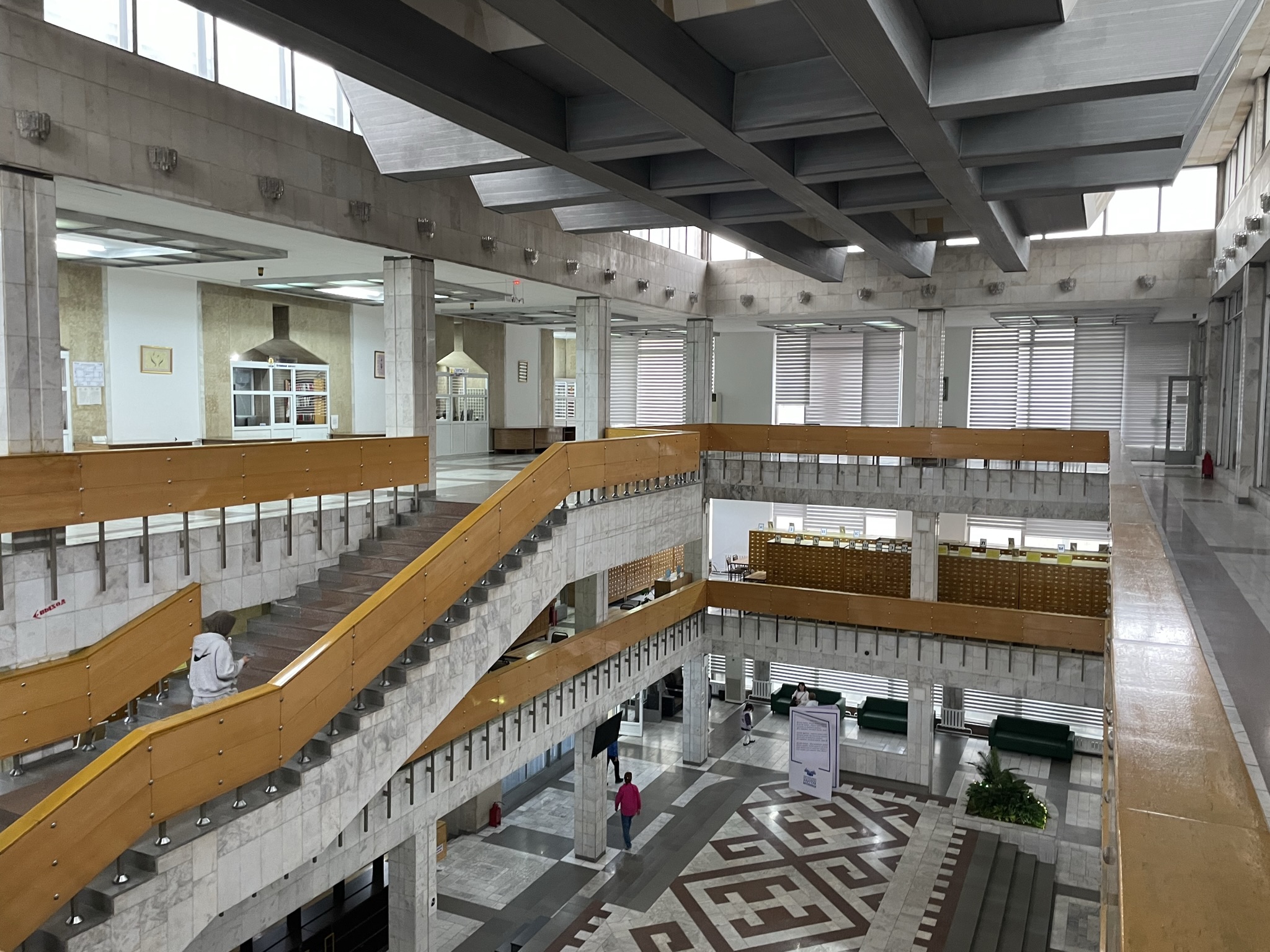
Like Almaty, Bishkek is largely a Soviet construct and its city centre is a grand grid of streets, packed full of parks and buildings for the people. Flowerbeds are a constant, the marigold seeming to be a popular choice, the city centre is kept meticulously clean. Canopies of oaks shelter the many mynas and magpies that rule over the parks. Again, a UFO-like state circus building exists, taking the ‘bread and circuses’ adage literally, along with the beautiful clean lines and dark wood interior of the National Library and the faded beauty of the National Museum of Fine Arts. Newer symbols like the grandiose Bishkek central mosque appear too, and there is an entry in the regional competition for largest-flag-on-tallest-flagpole at Ala-Too Square.
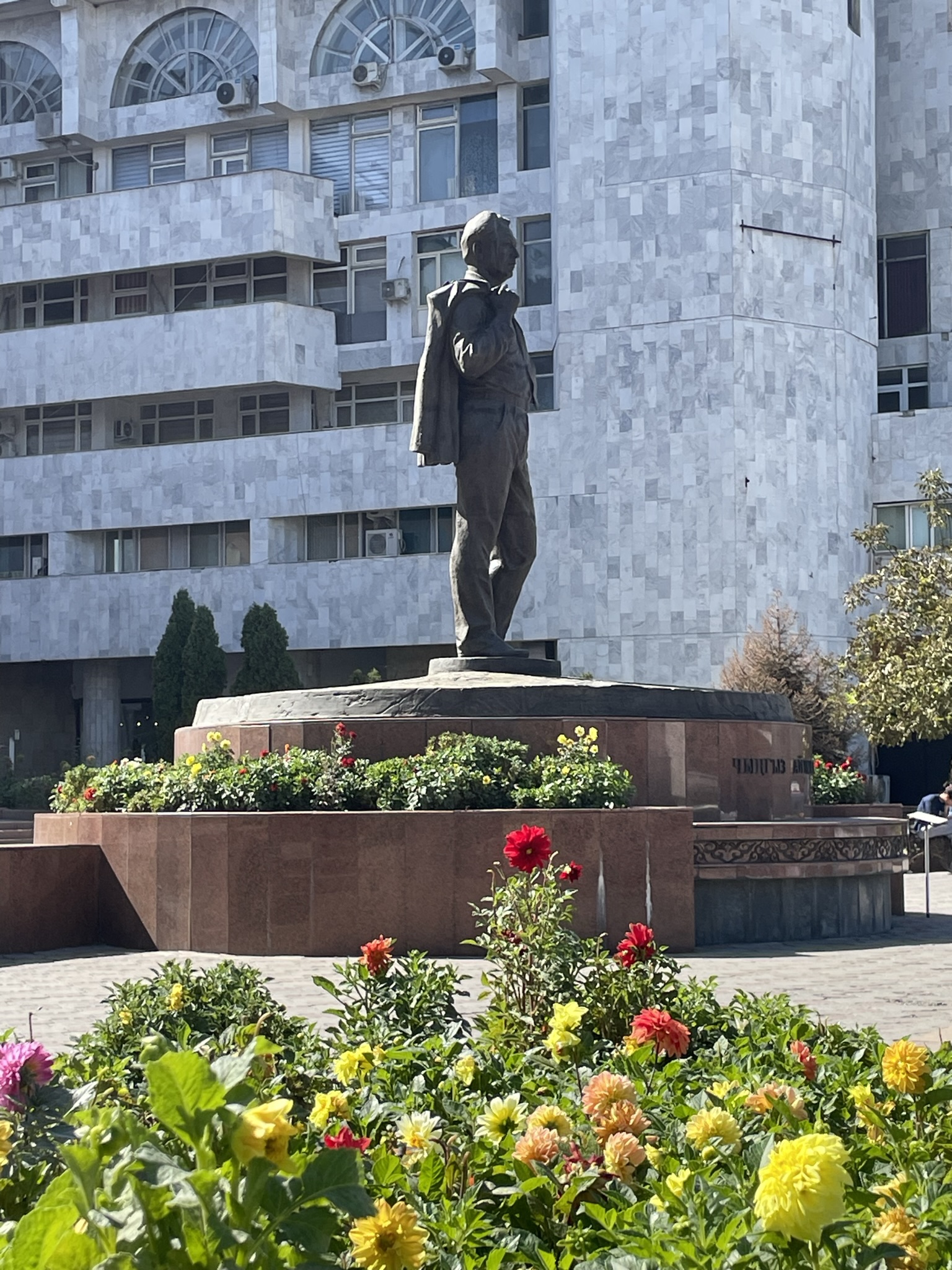
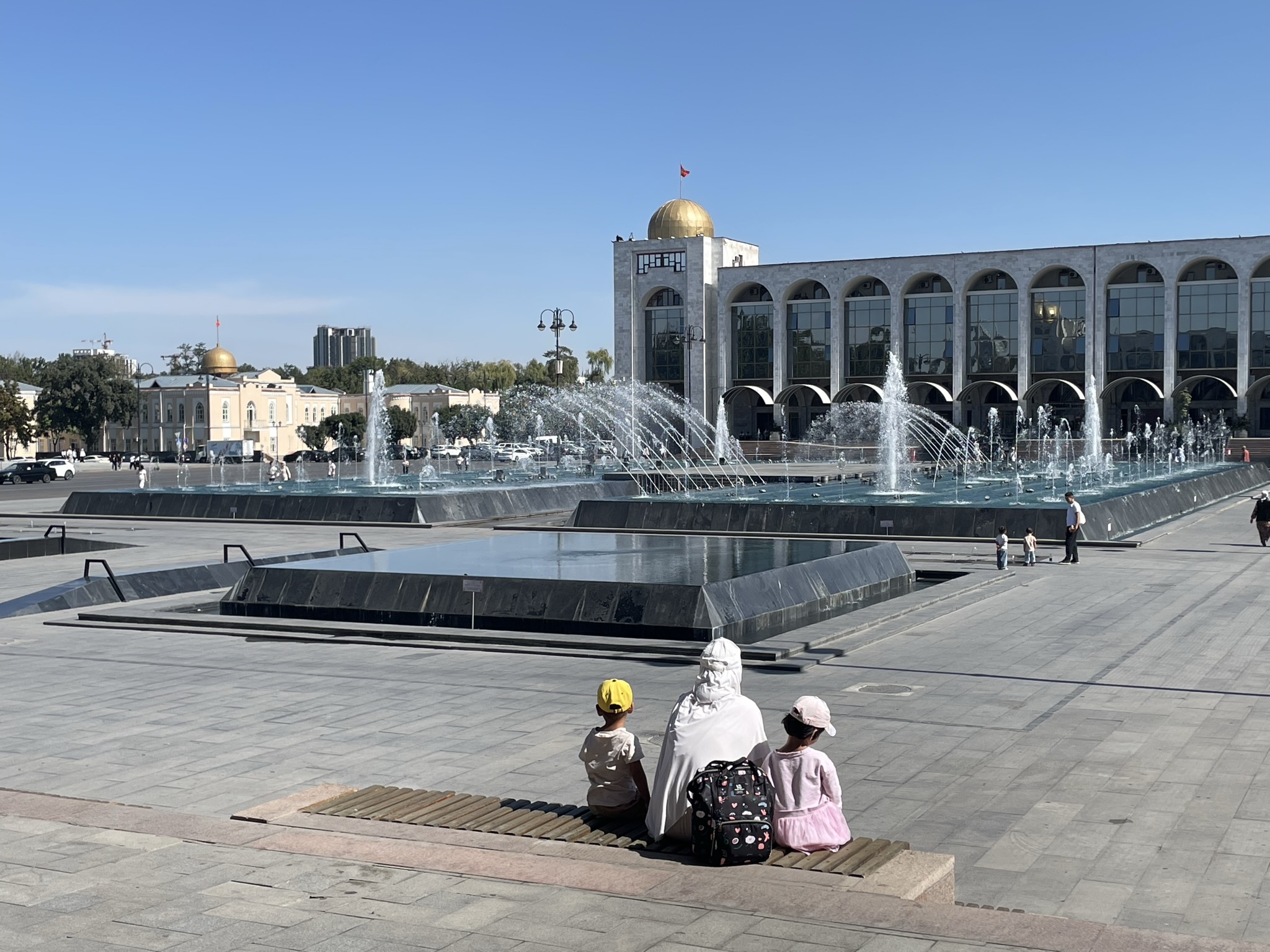
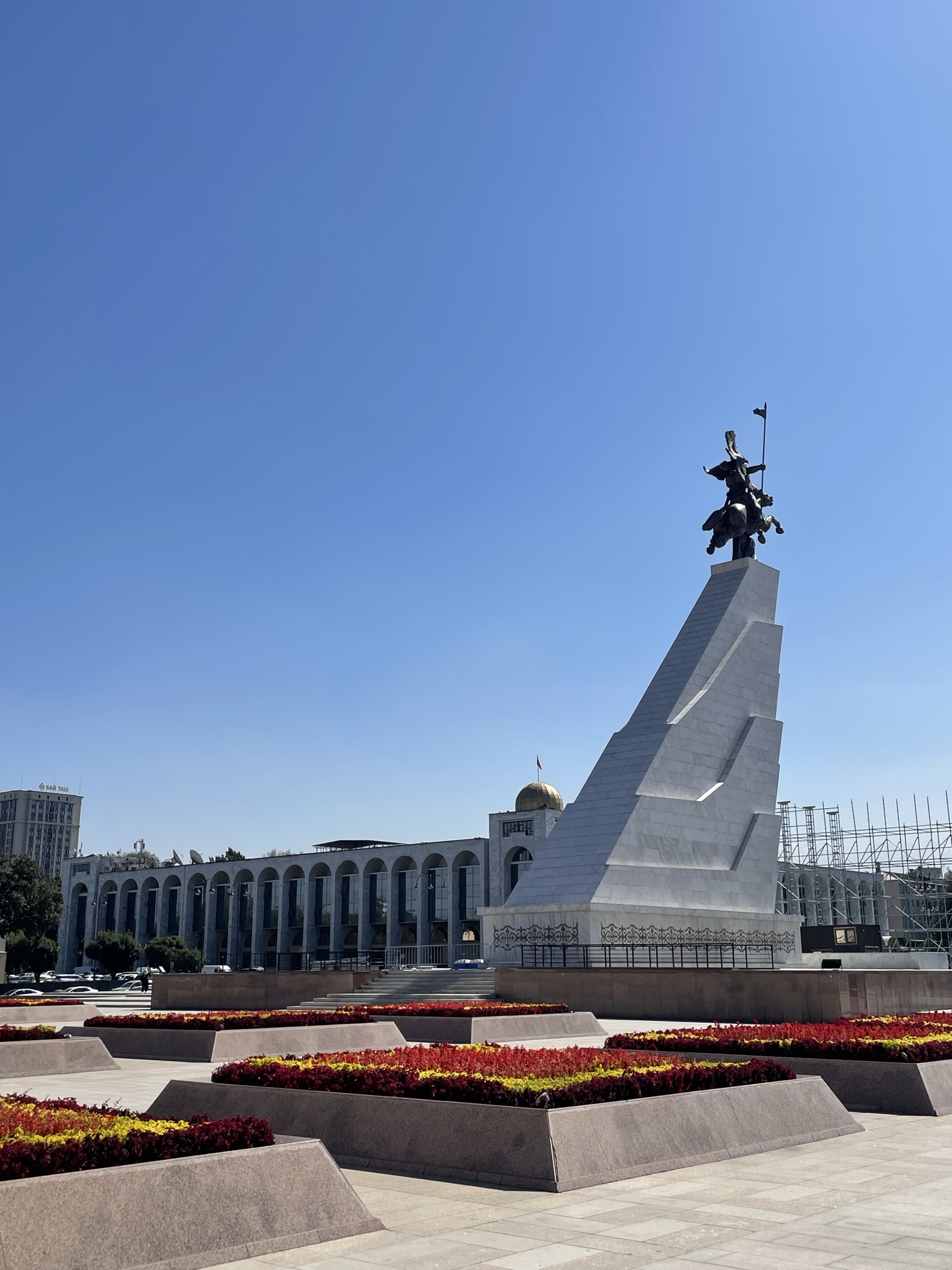
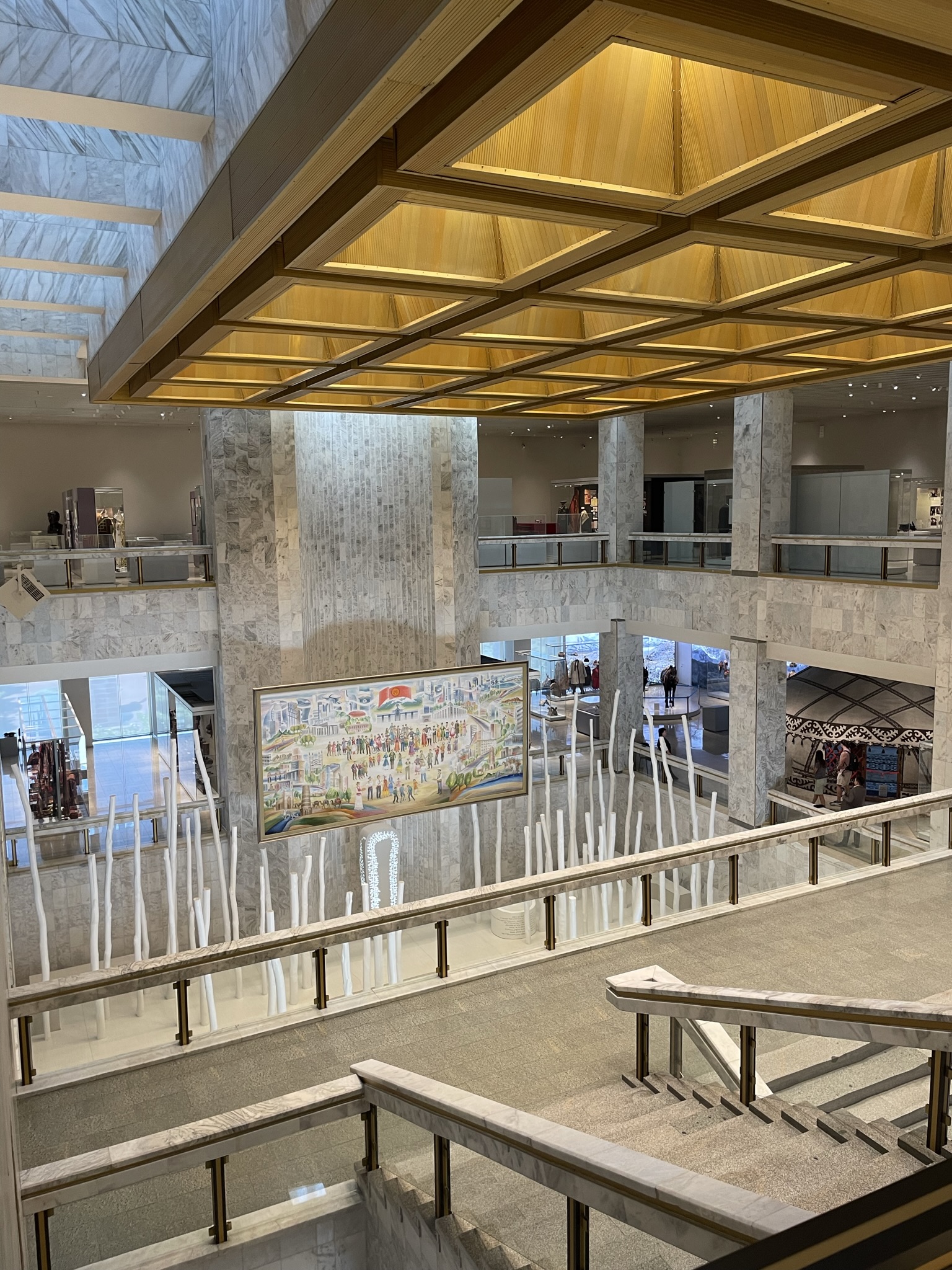
The flag, and accompanying massive statue of folk legend Manas, the adopted talisman of independent Kyrgyzstan, oversee the State History Museum. This smart Soviet era building has been updated nicely and gives a good overview of the history of the country. Just north are remnants of Soviet glories, a statue of Mr. Lenin pointing the way to our great future (apparently somewhere to the northeast) and the Frunze Museum. Mikhail Frunze was a local boy and hero of the Soviet revolution, so honored that for 70 years it was his name, not Bishkek, which given to the city. Today his house museum is dusty and tired, a shadow of the more illustrious Man of Steel’s in Georgia, but cut from the same template of a modern structure cocooning the honoree’s childhood home. Newspaper clippings and military paraphernalia constitute the actual exhibits, a dizzying array of Russian propaganda that beats a simple message: this guy was great, you should appreciate him.
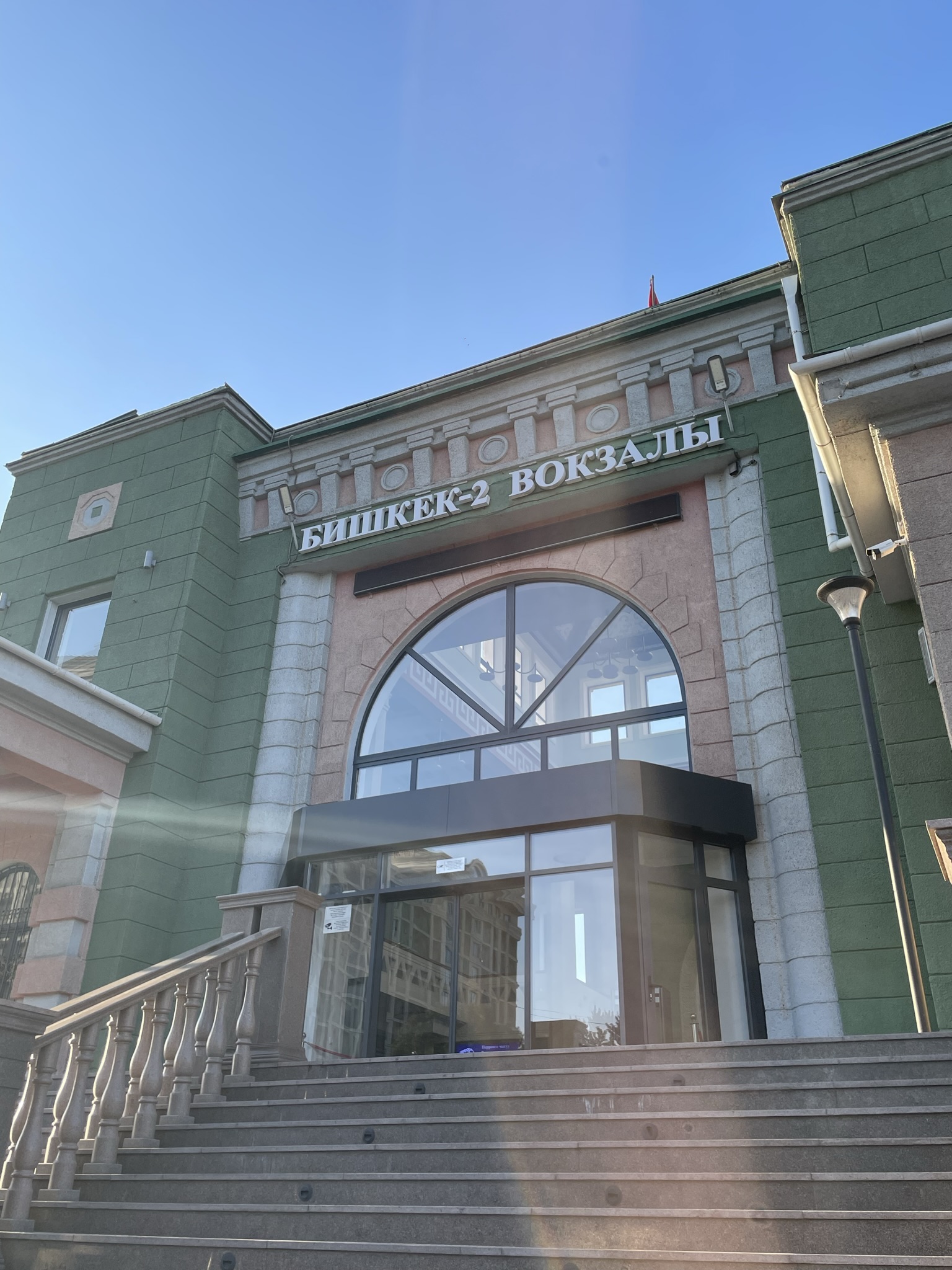
Smartphones have changed travel quite a bit, along with the pervasive and often toxic influence of social media, but one area that is an unmitigated win is the ease of making bookings. Fifteen years ago, finding a day tour would have been an effort, phone calls or emails sent ahead of time, or pounding along the pavement, popping into offices and comparison shopping. I was able instead to sit at a quiet cafe overlooking the exceedingly lovely treed park bisecting Erkendik Avenue, sipping at my tea and reading between swapping WhatsApp messages. It is a drastic improvement, and it found me the next day partaking in the ritualistic early morning gathering of backpackers in front of the Bishkek train station. Tourists eventually self-sort by package, direction and number of days, all coordinate over WhatsApp. For me, this meant being packed into Anbar’s four-wheel drive SUV, along with Tomo, a postal worker from Tokyo and Ion and Malina, a Romanian couple working in IT.
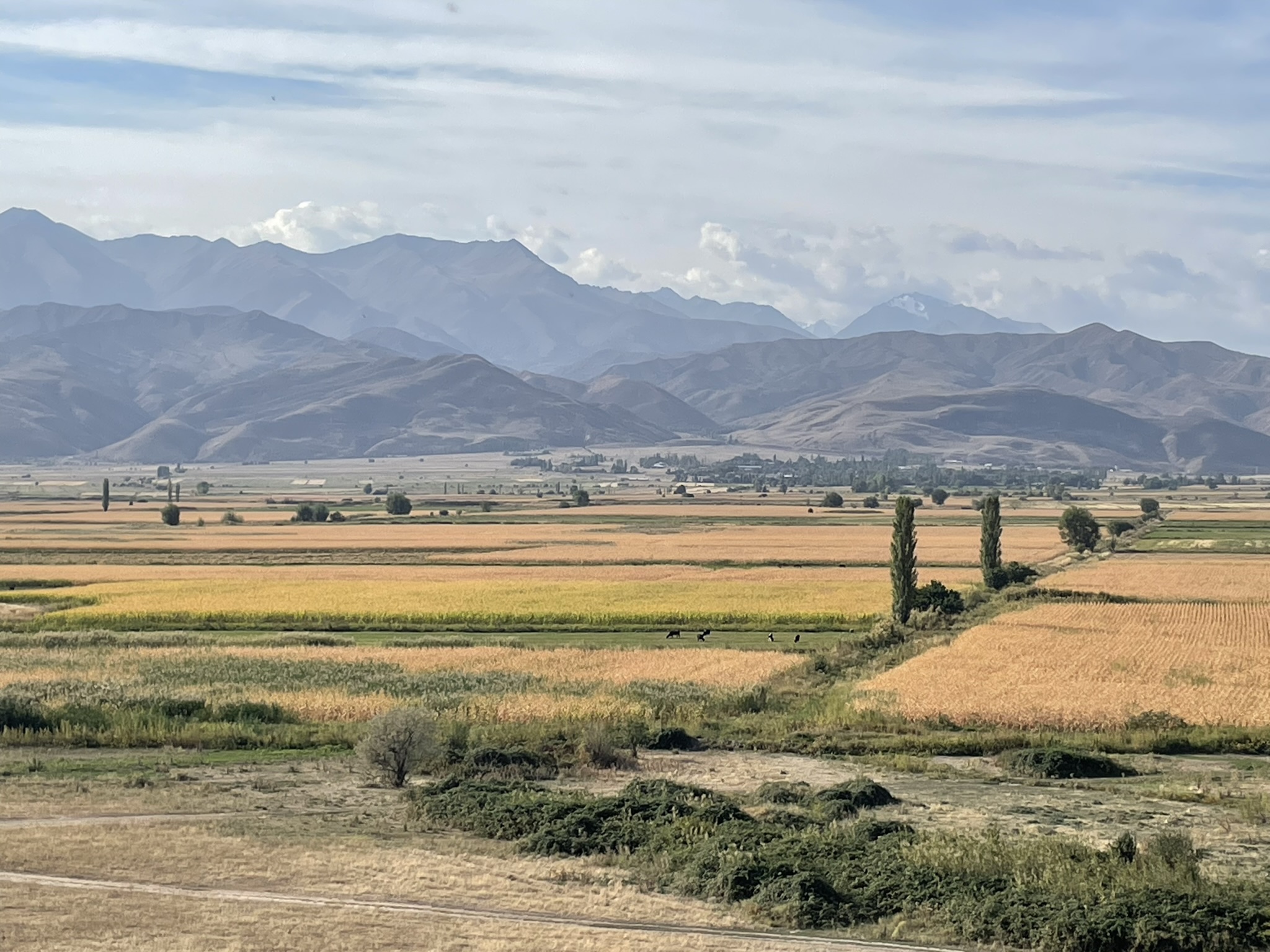
Anbar steered us east, out of the snarled roads of Bishkek with countless construction projects and bad driver decisions, to the open roads of the Chuy valley. The morning landscape was crisp, the cool cut of early fall in the air, as if the earth was slowly letting out a deep breath. The fields around us were a skein of autumn colours, harvest time approaching, while the mountains on either side gave way from yellows and browns to blues and whites. Anbar makes an affable guide, a young, energetic man with a baby at home who, when not taking out tourists, teaches at university and manages a fish farm. This would be a common trait across the region, at least with people I met: young, ambitious people who were hard-working, casually multilingual, and optimistic about the future. We were fortunate to have an open, outgoing guide like Anbar this day.
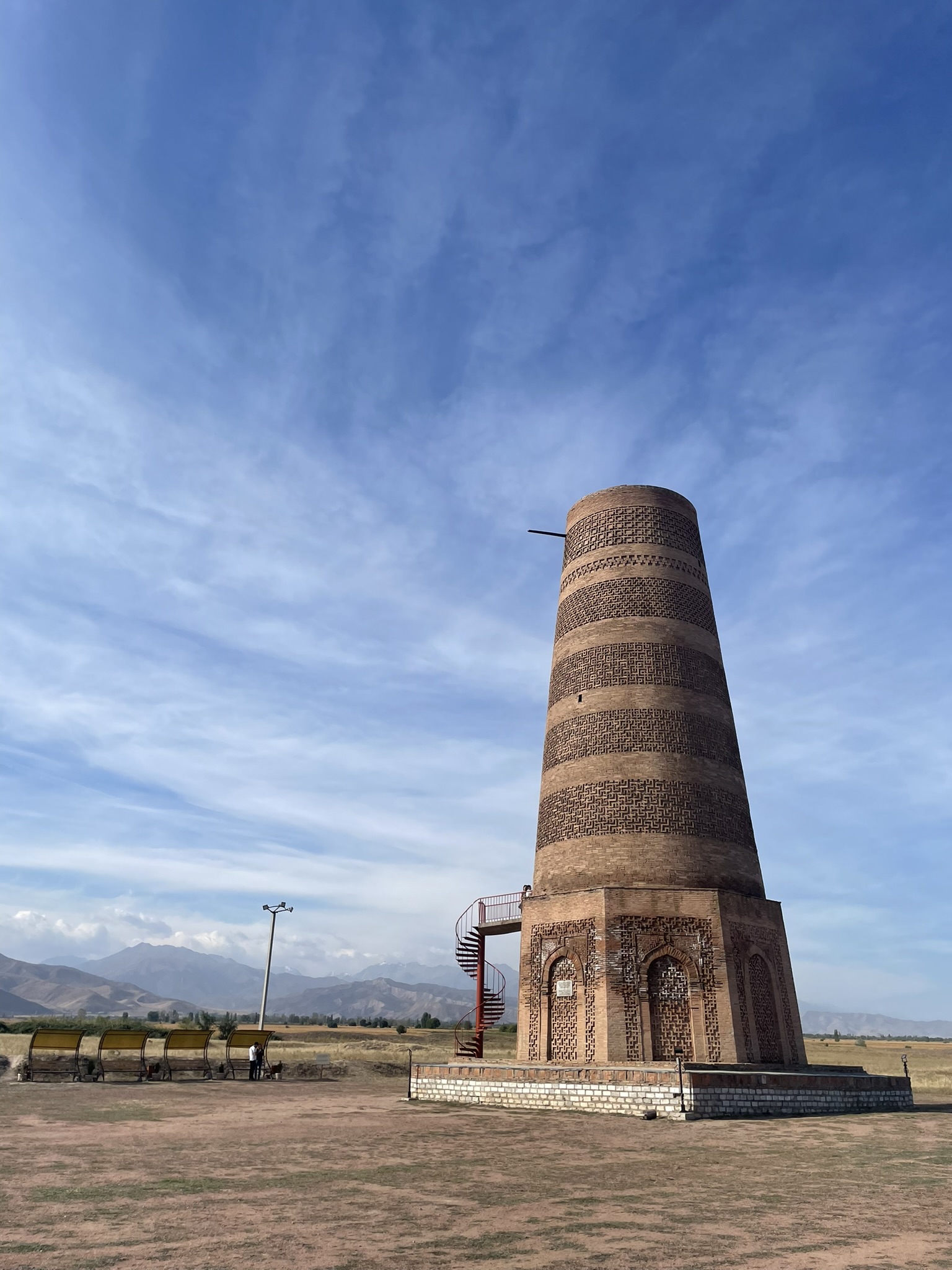
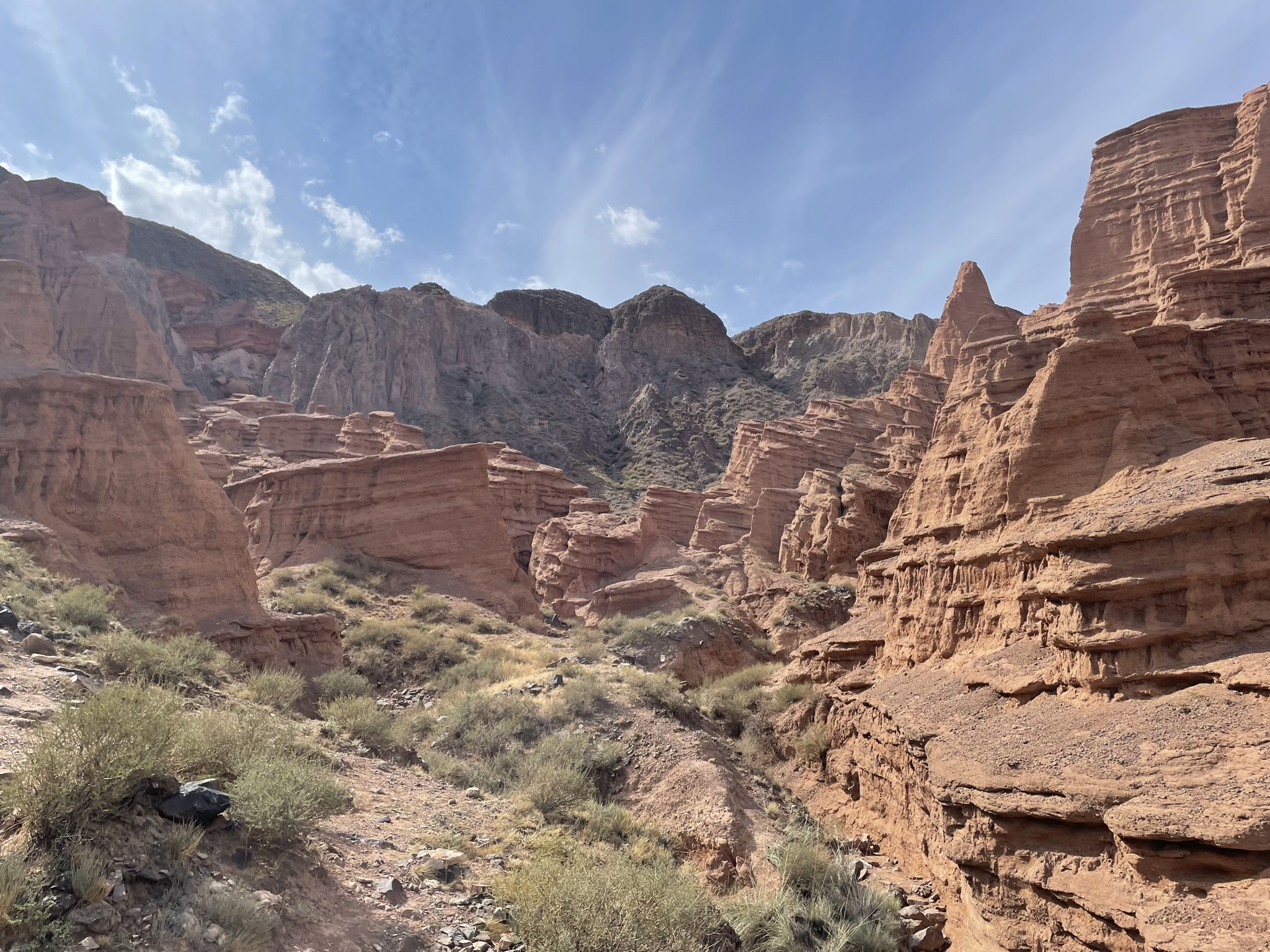
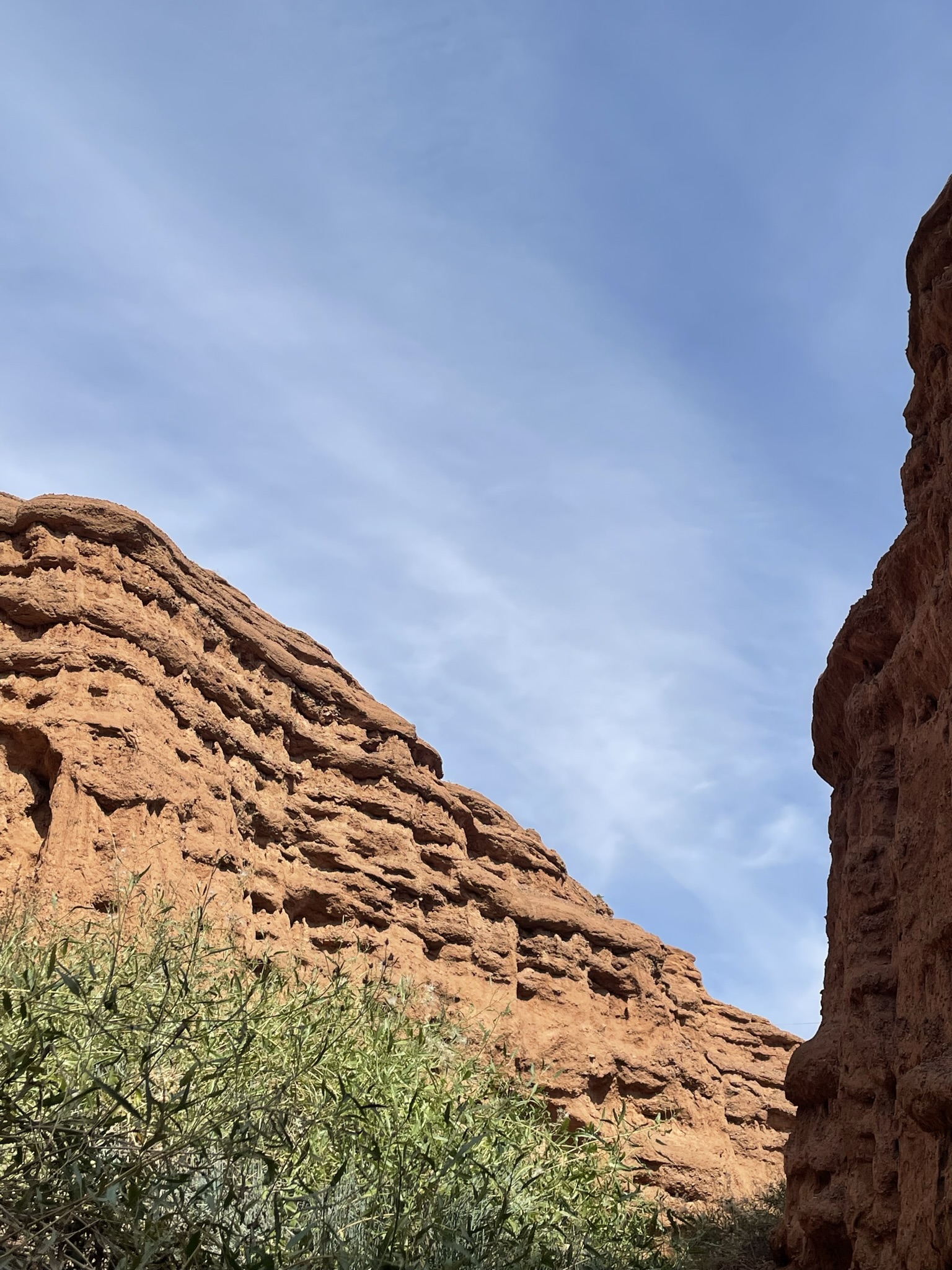
Our first stop was brief, a visit to the Burana tower, the remains of a 9th century minaret overlooking the pass coming down from the mountains from China. This was a crossing point for caravans and merchants, supporting the city of Balasagun. This trading outpost was home to thousands, though today little is apparent and aside from the brief stop to climb the minaret, few traces remain. It, naturally, was captured by Genghis Khan and the Mongols in their marauding heyday. Farther east, we journeyed down a bouncing gravel road to Kok-Moynok, a redrock box canyon leading down from the foothills. It was dry today, erosion from centuries of flash floods and storms visible amongst the pigeon nests. Overhead was the constant hum of transmission lines, a testament to the ambition and hubris of the Soviet Union’s modernising project, which envisioned such plans in the far corners of their re-imagined empire. It becomes redundant, but the views are of course stunning and the countryside in general is just so very pretty anywhere you turn that it almost loses its impact.
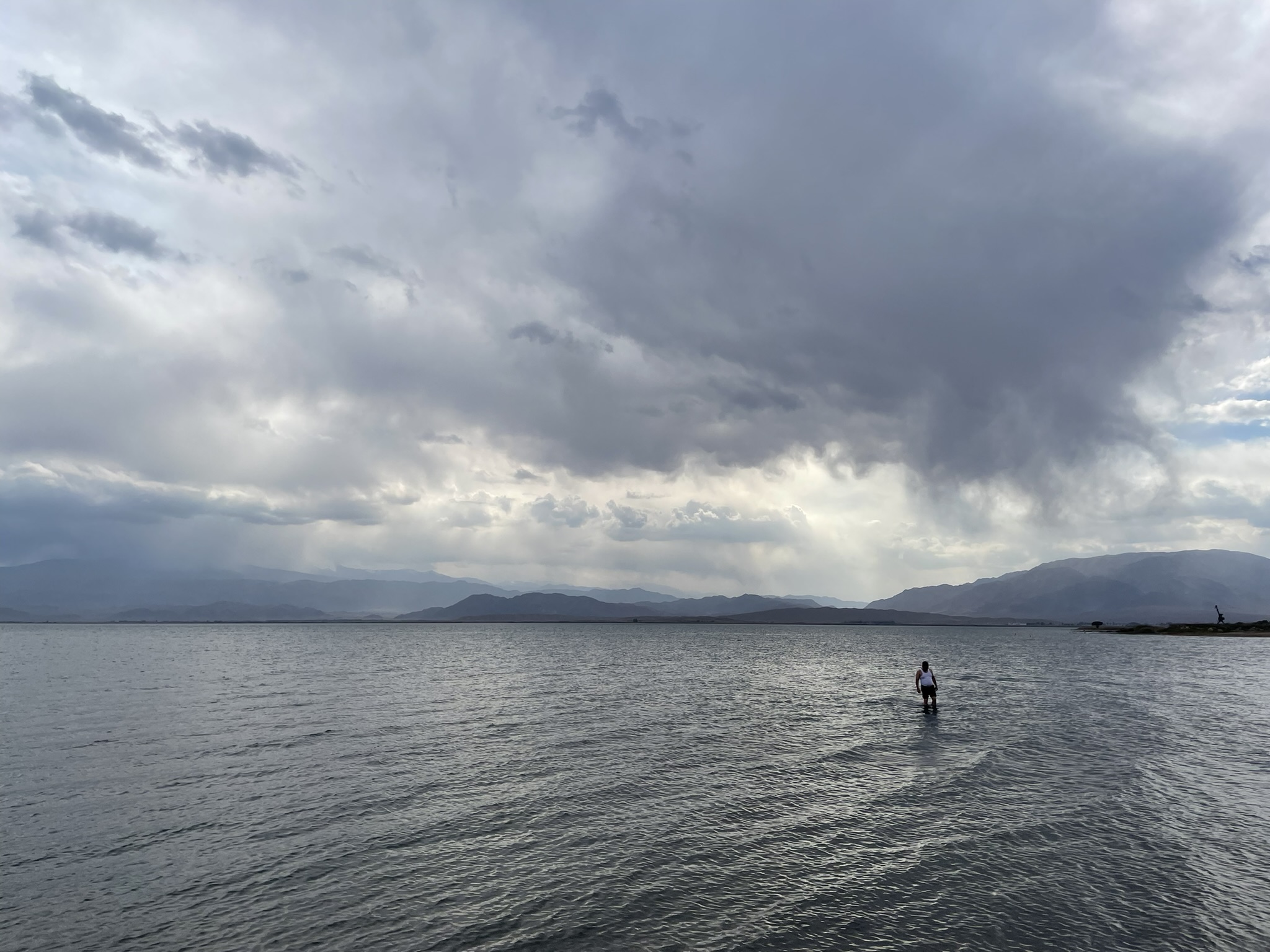
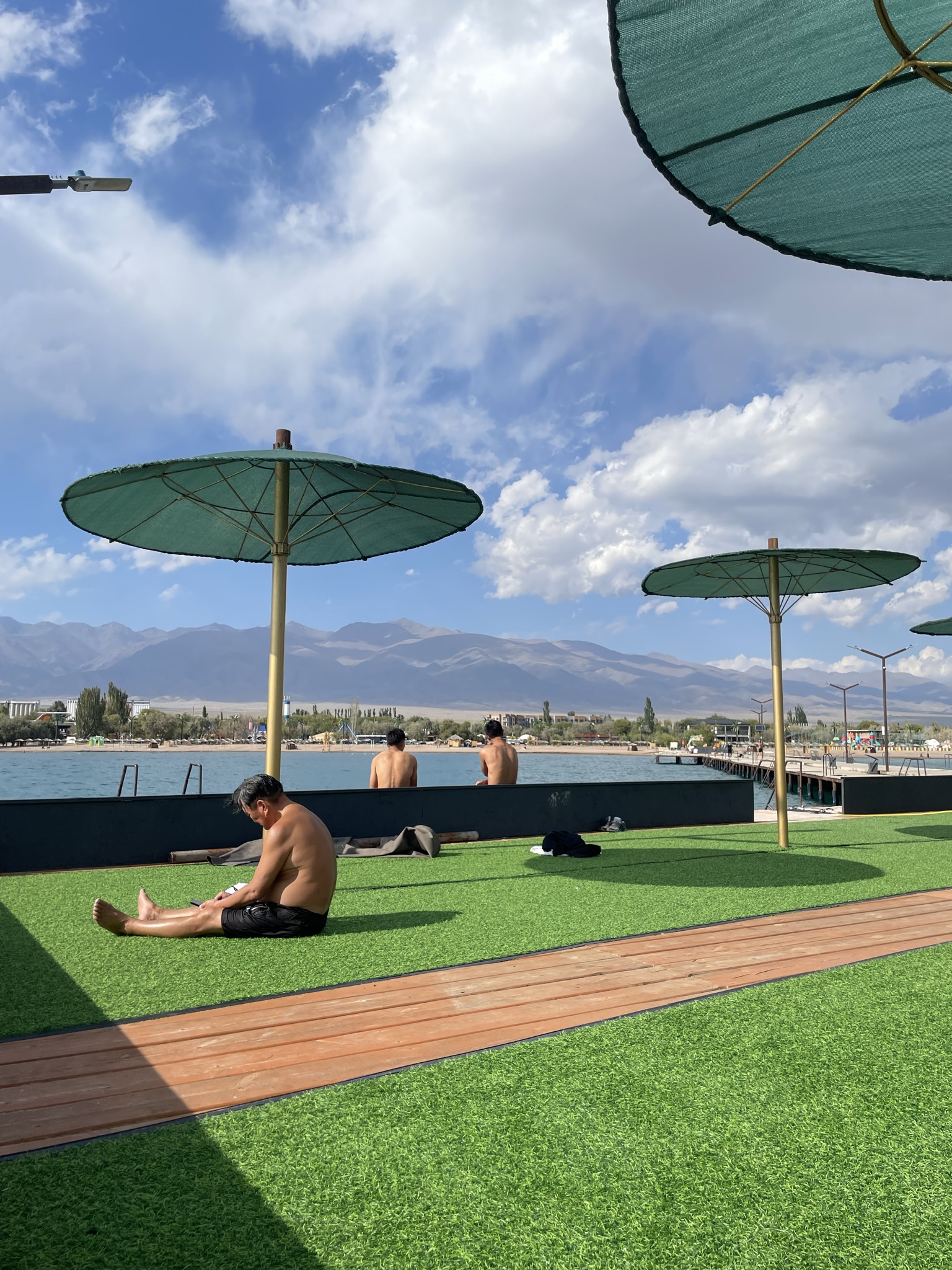
Our final stop was Issyk Kul, one of the largest, deepest, and highest lakes in the world. By late September tourist season had passed, it was a chilly day and clouds threatened to the south, hanging in a low curtain over the peaks of the mountains. The beaches were mostly empty and a wind blew in from across the water. We wandered out to large pier built several hundred metres out over Issyk Kul. Here, local teens took turns diving into the clear blue water, undeterred by the chill around them. Like so many places, Kyrgyzstan deserved more time. Other tours departed for multi-day overnights, hikes up mountainsides and to alpine lakes, stays with families in felt-lined gers. Another time, I hope, but I was glad at least to have a taste of what this country had to offer. The next day I was in the air over the same mountains, covered in thick clouds, on my way to Arslanbob, a remote small town in southern Kyrgyzstan, ready for another taste.

