Lightning flashed thousands of feet below, a white blast cascading in an instant through the gathered clouds somewhere over the Gobi Desert night. I was tired but smiled, finally only a few hours from touching down in Almaty, the former capital and still largest city of Kazakhstan, after a journey nearly halfway around the world. This trip had incubated for years. Six years before I had booked the same ticket and, a few weeks after, the pandemic promptly shut down normal life, at least for a time. So Central Asia sat on the shelf while I took Russian lessons, read travelogues and histories, and found my social media algorithm increasingly saturated with impossibly appealing images of the region. Now, at last, I was nearly there, a month alone on the road ahead of me. This trip could not help but carry expectations after so long, magnified by the multi-year deferral and the most intensive year of my professional career.
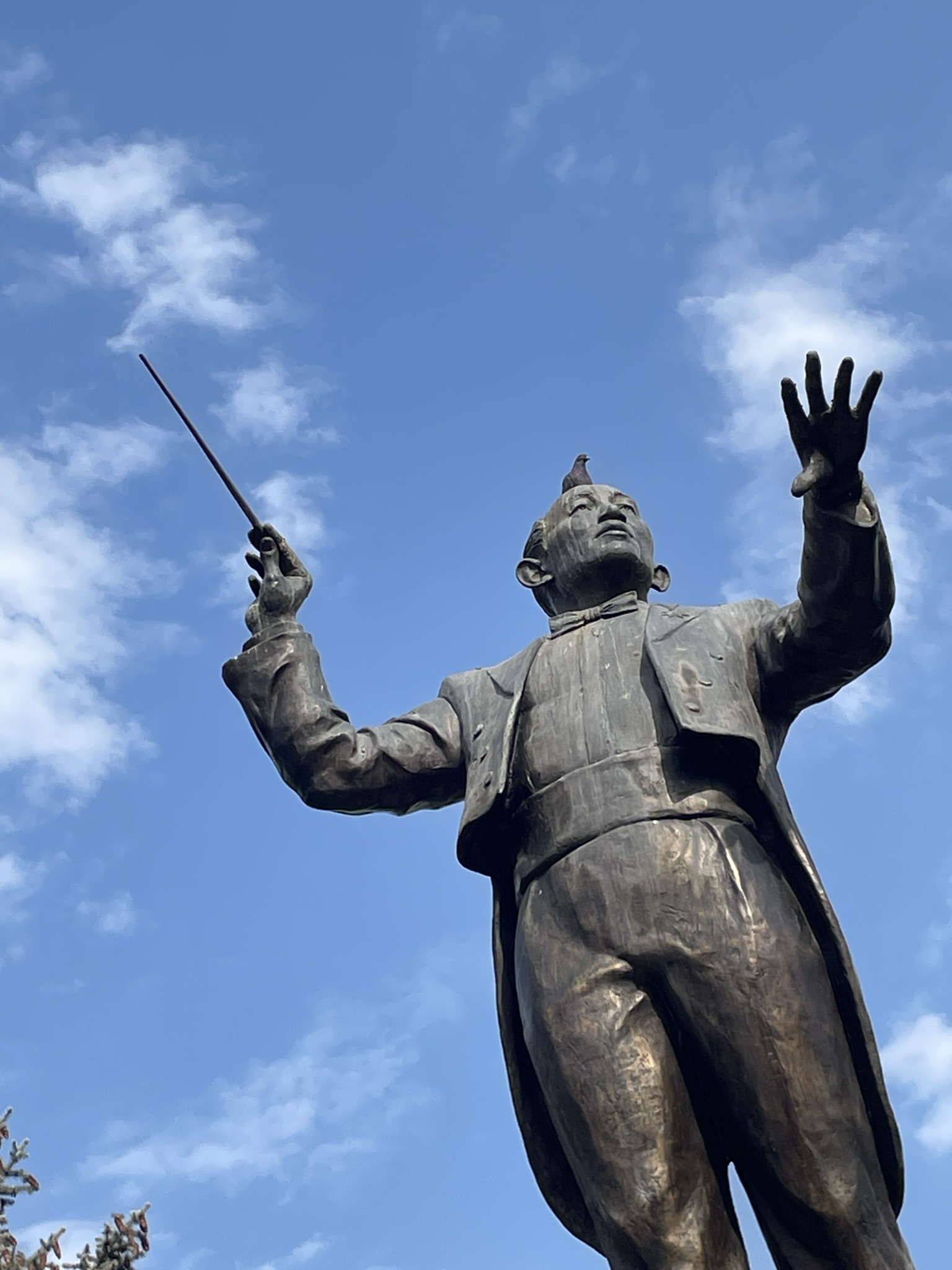
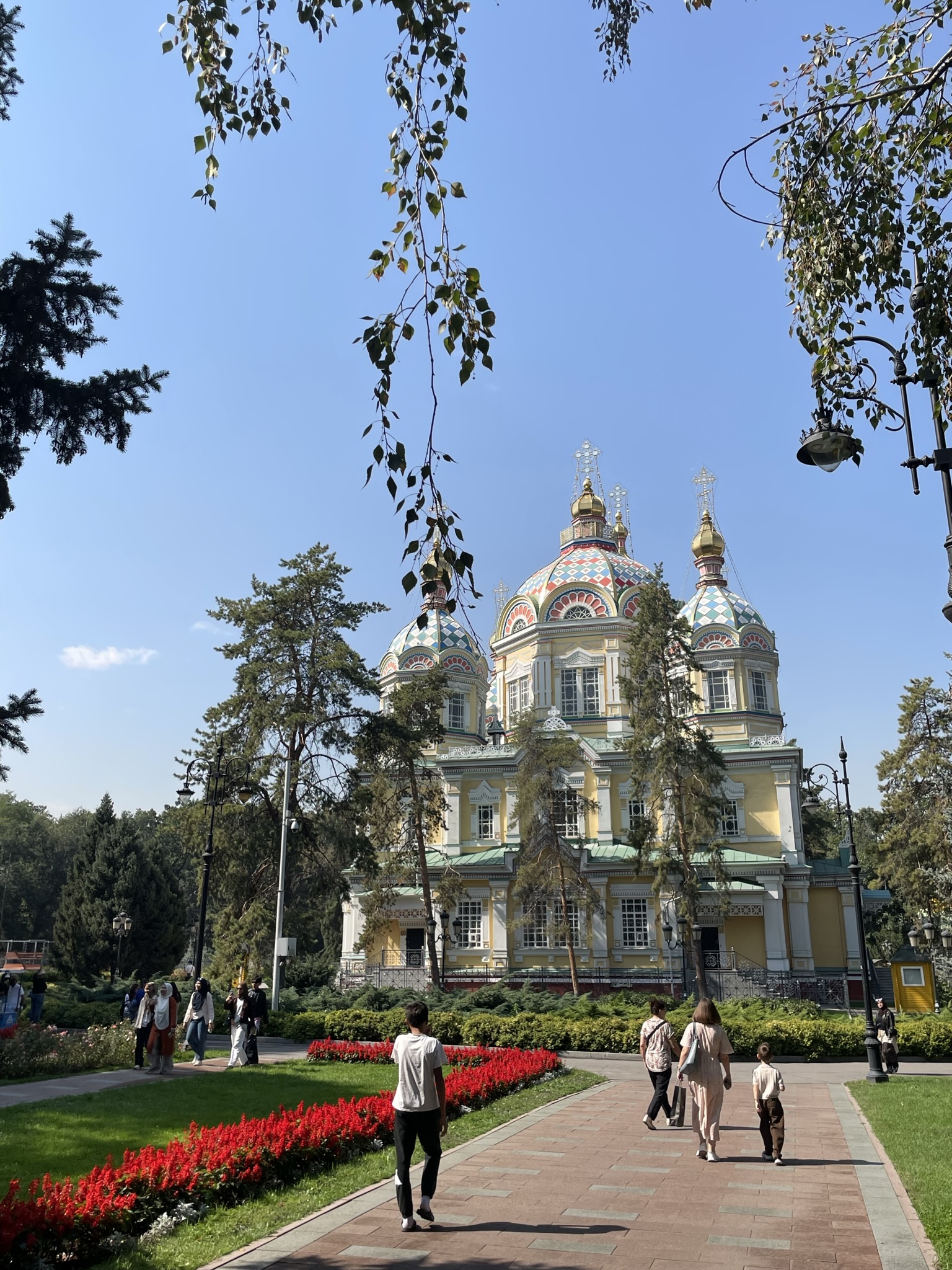
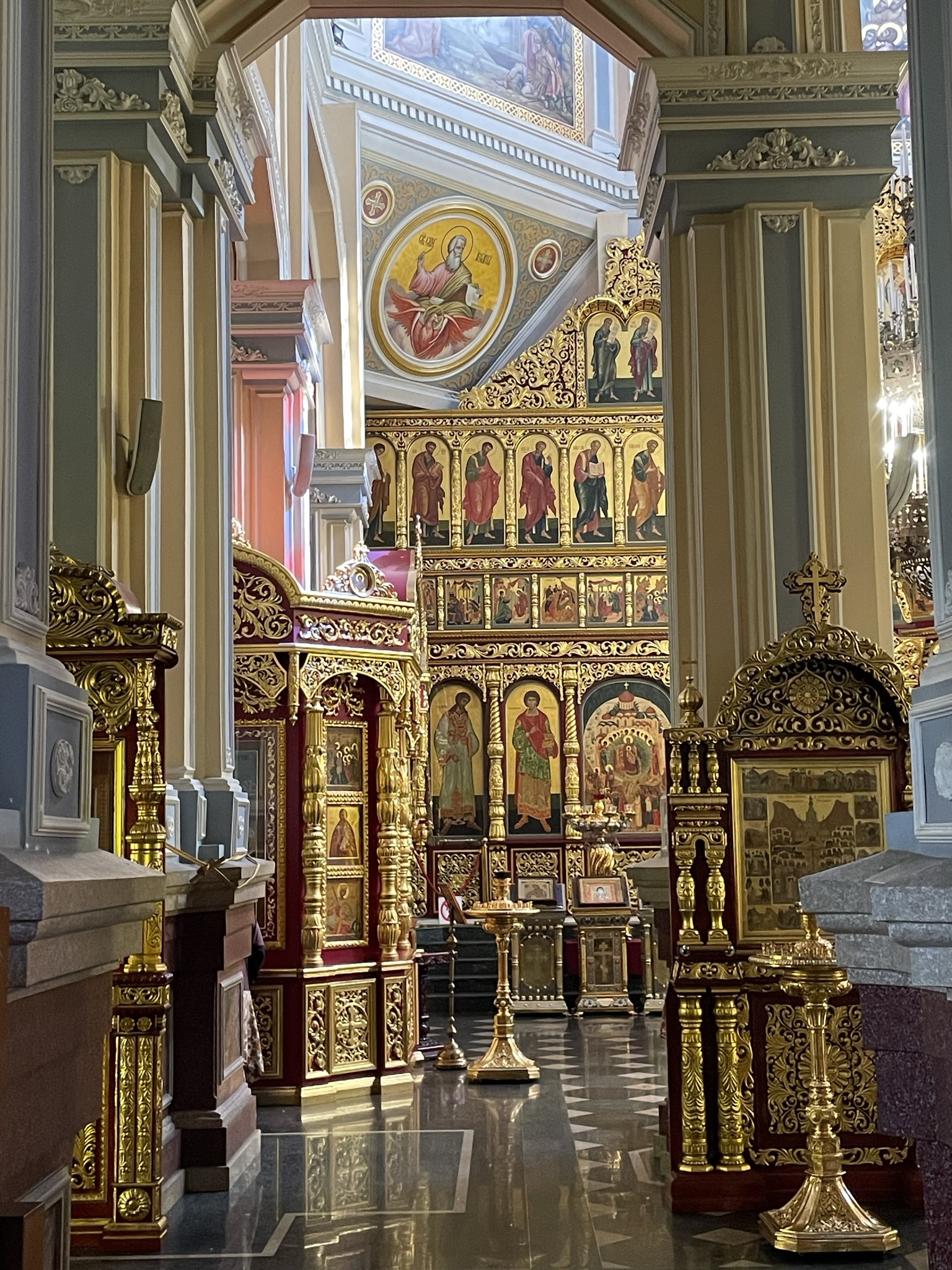
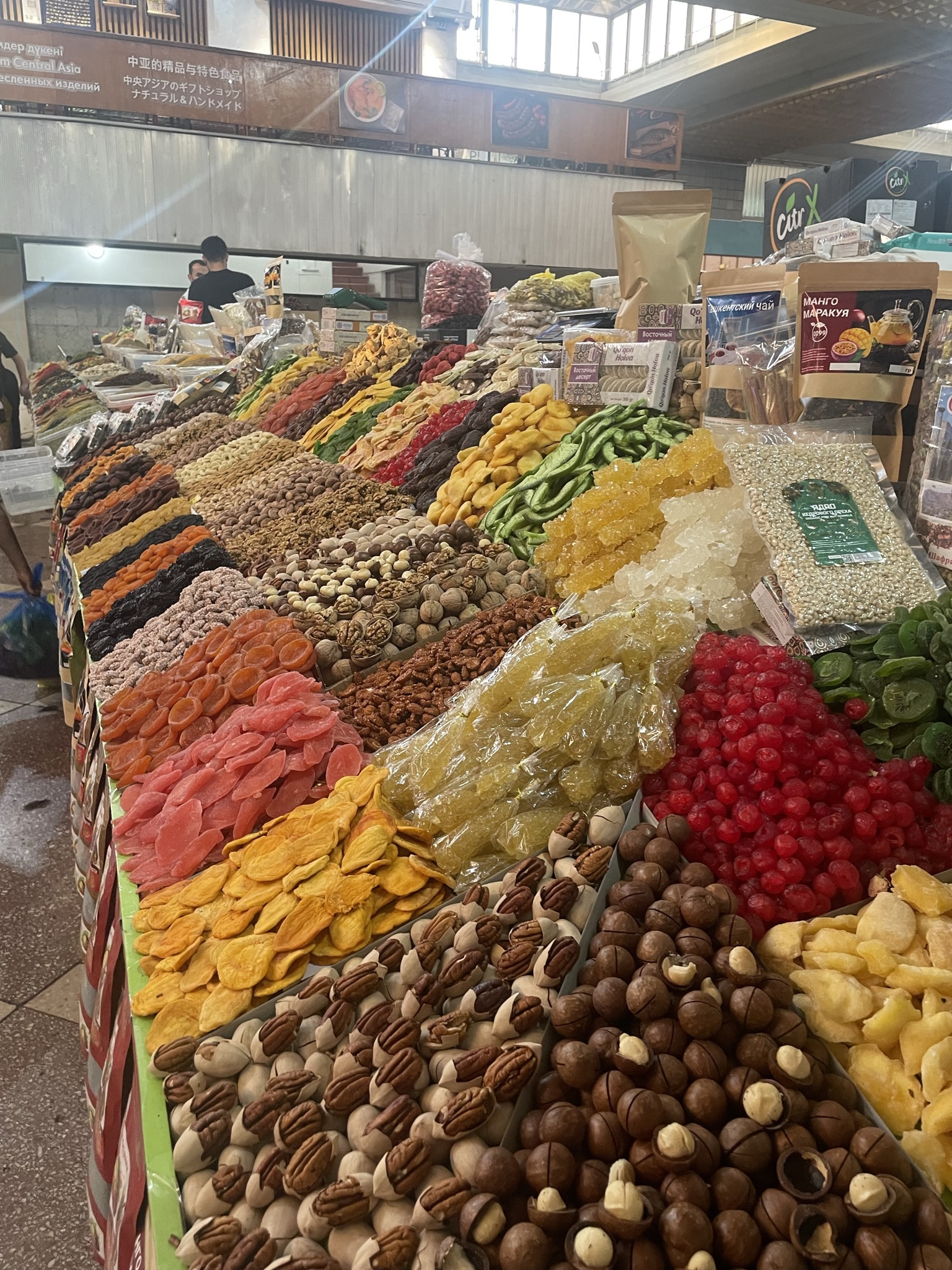
The first day, jetlagged but hitting the pavements, was a disappointment. Almaty was pleasant enough, clean and green, but not particularly exciting despite. Prime real estate in the Green Bazaar, the signature market of the city, was occupied with picturesque arrangements of nuts, sweets, and dried fruit. Disinterested vendors adeptly worked through tourists, offering up samples and, in the same elongated sentence, asking how many grams were wanted. Inside Ascension Cathedral, the 125-year old Russian Orthodox cathedral set amidst the evergreens and ice cream carts of Panfilov Park, I was quietly approached by a well-dressed beggar, whispering a request for spare change under his alcohol-heavy breath.
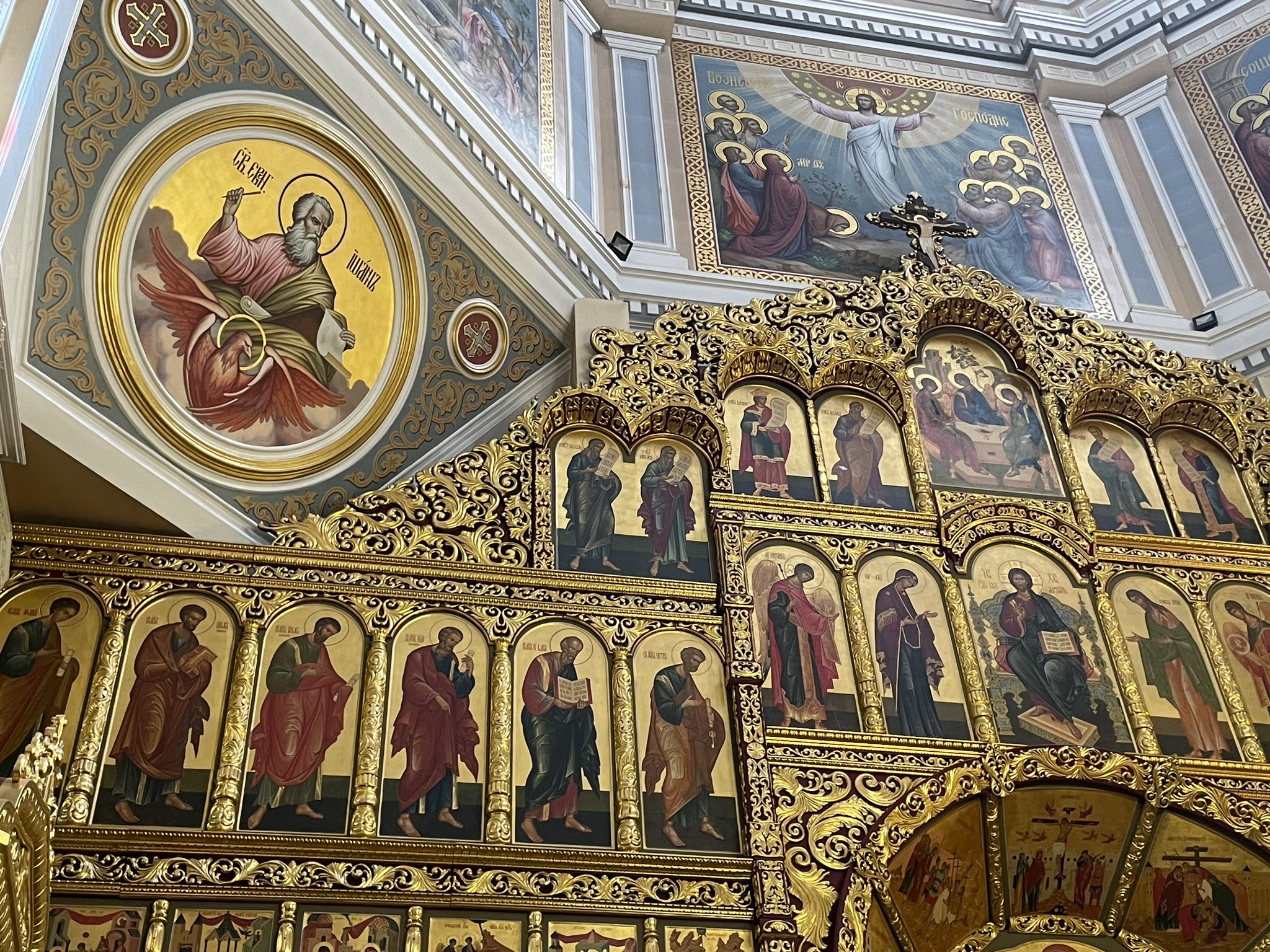
On the other side of the park is the Kazakh Folk Instruments Museum, which was squarely in the ‘fine’ category. The collection is, I’m sure, impressive to an aficionado, but I have a limit on the number of dombras, the long-necked stringed instrument, I can see and be impressed by. Later stops at the State Museum of Kazakhstan and the Almaty Museum left me wanting as well. On top of it all, most Kazakhs were content to quickly switch to English on me, and I struggled to engage in Russian, the speed of the language and my fuzzy jetlagged brain rendering me a monosyllabic bore. I was left wanting more, and tasked myself with a better next day.
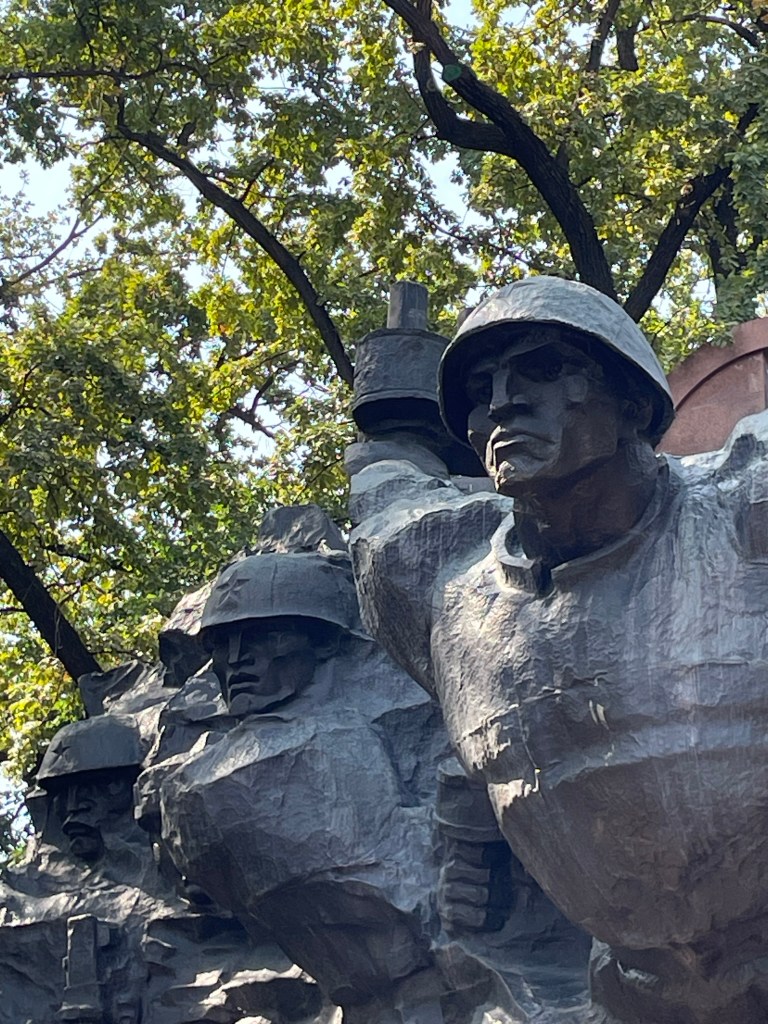
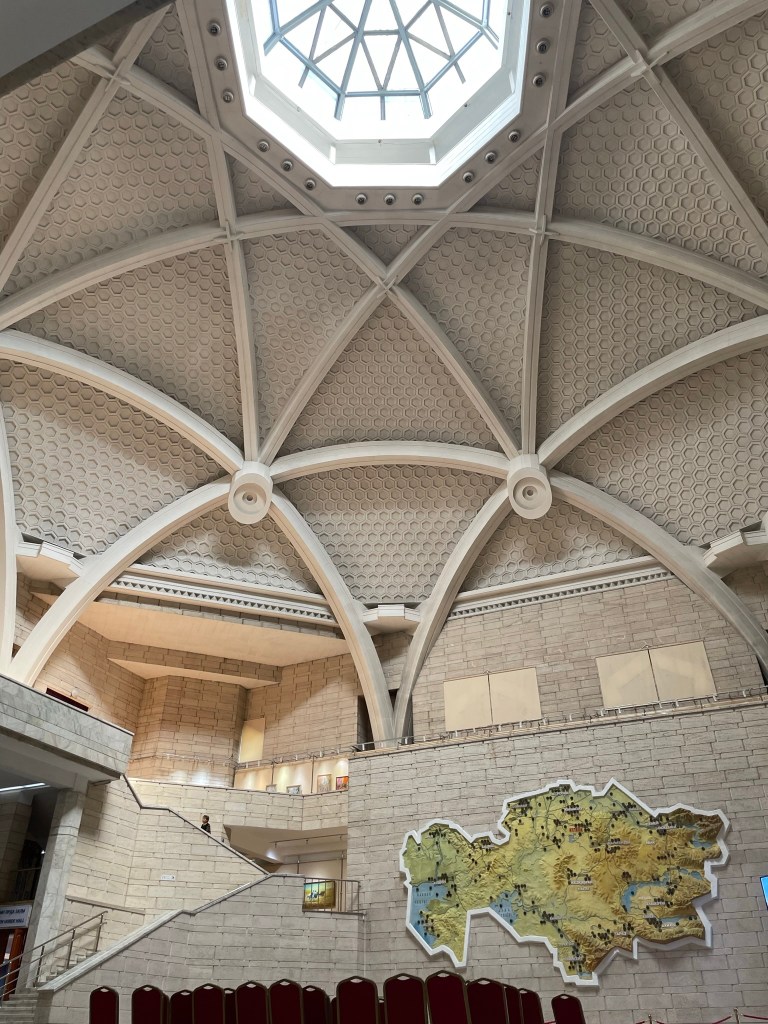
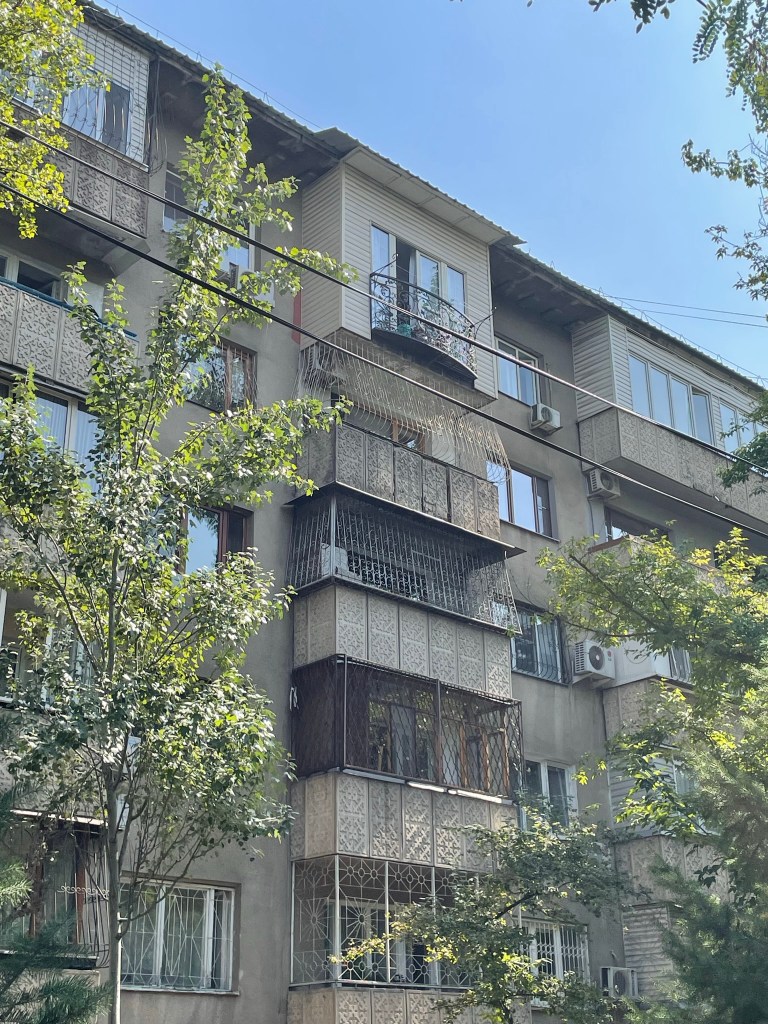
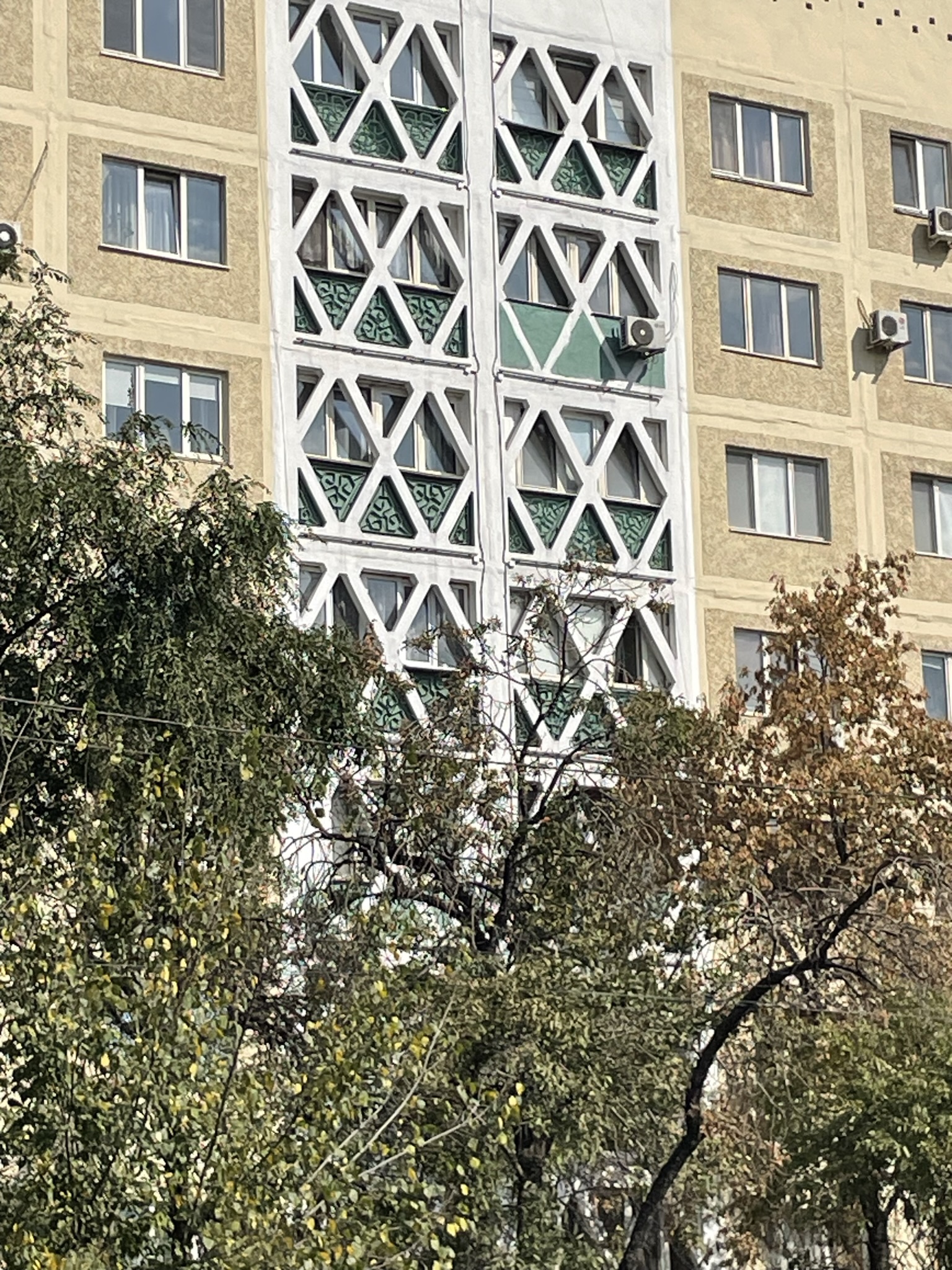
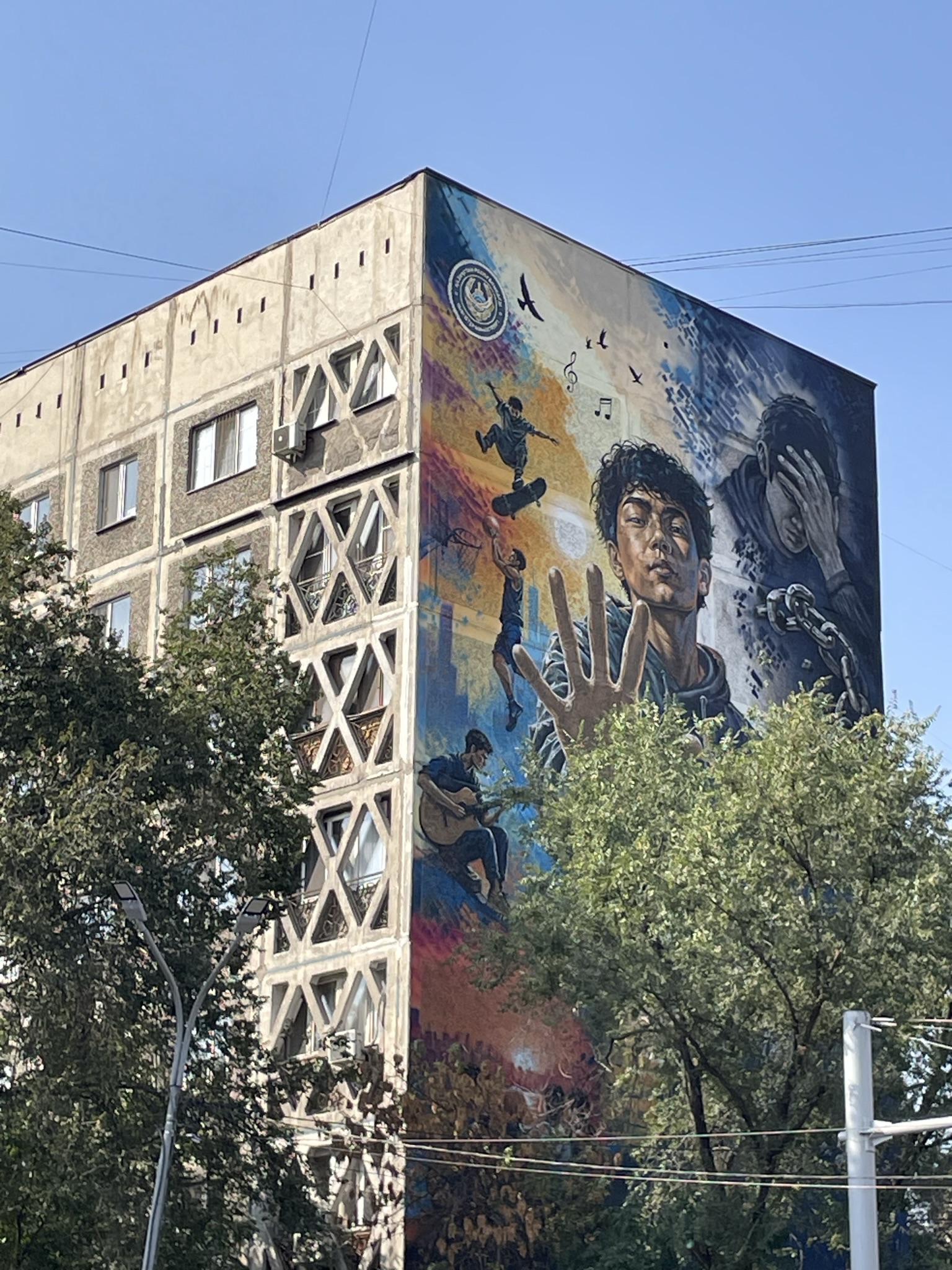
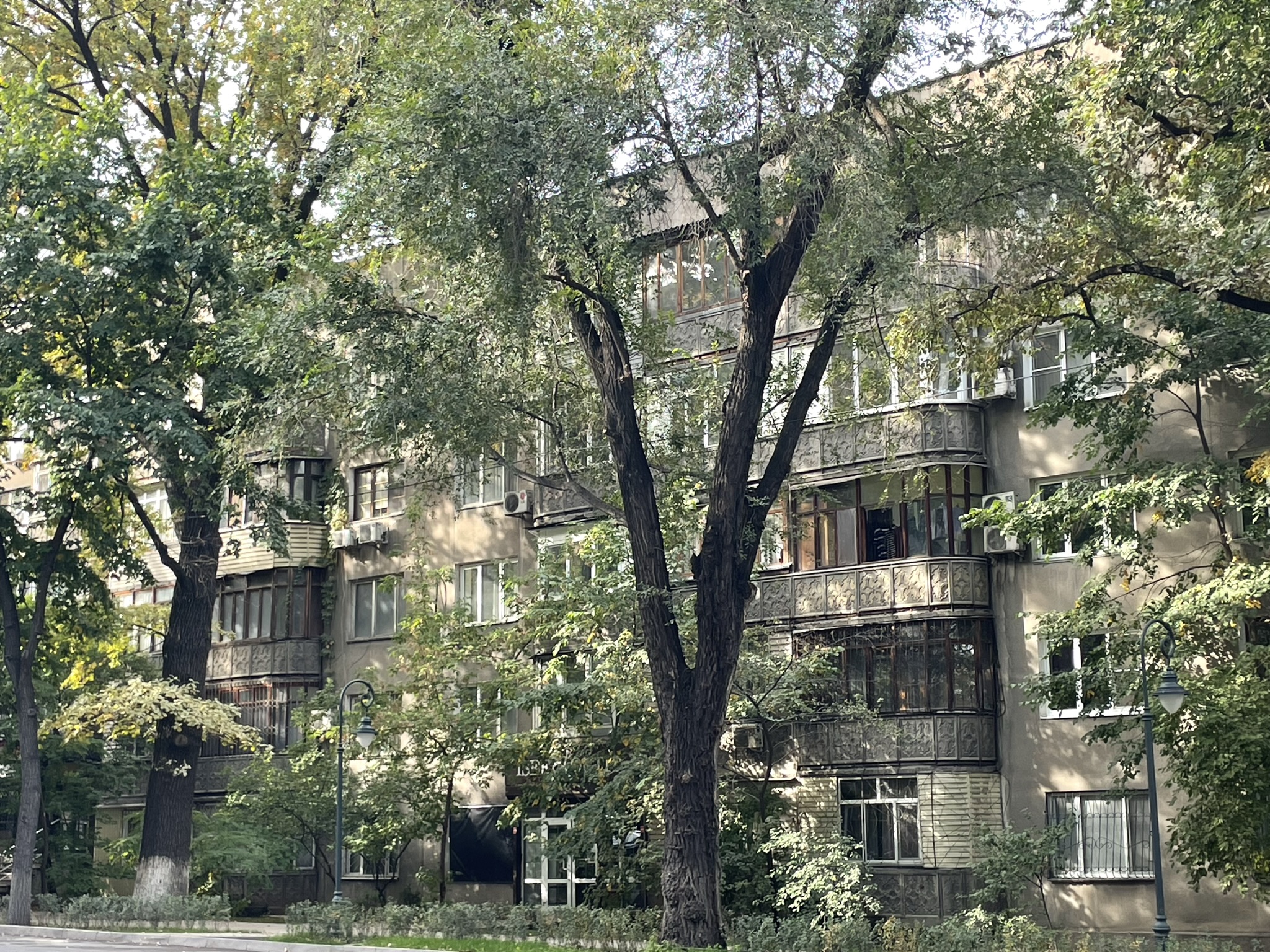
Almaty began its existence as Verny in the 1860s, an output of Russian imperial expansion that had marched south over the open steppe, a grid of streets smashed up against the looming Tien Shan mountains. The Soviet planners left behind a legacy of low-rise, precast concrete-paneled khrushchevkas set behind trees and generous sidewalks. Today the powers that be have embarked on a restoration program, facades being upgraded thanks to the strong national economy. The day was an improvement, highlighted by a stop a the Almaty Art Museum and Christian Marclay’s “The Clock”, a synchronized 24-hour video display stitched together with films, tv shows, and ads. I sat for half an hour watching it all, and if there had been concessions I could have settled in for hours. The State Museum of Art held a collection of largely Soviet era art, with a strong focus on the miracles of industry and education coming to the transformed steppe.
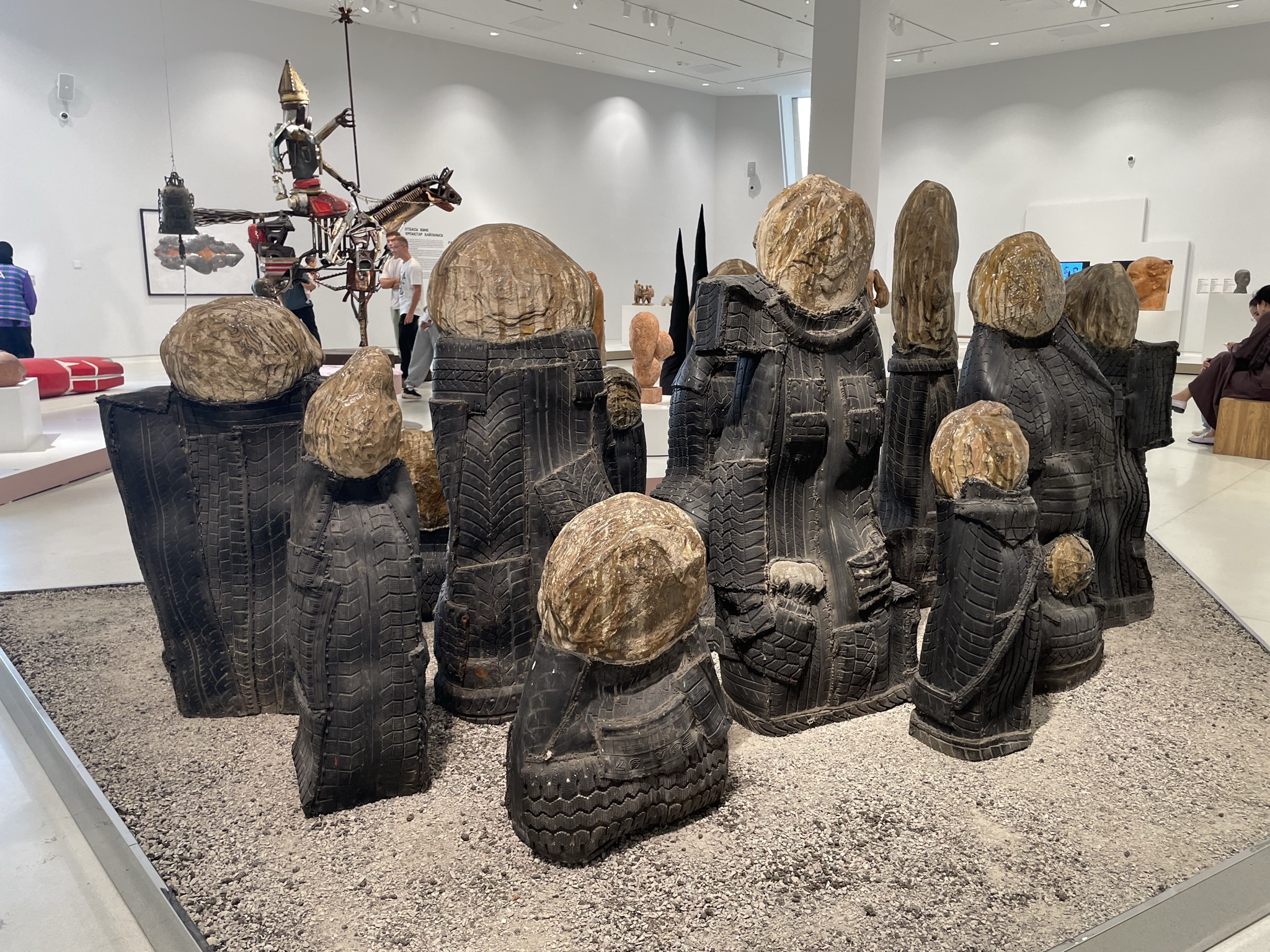
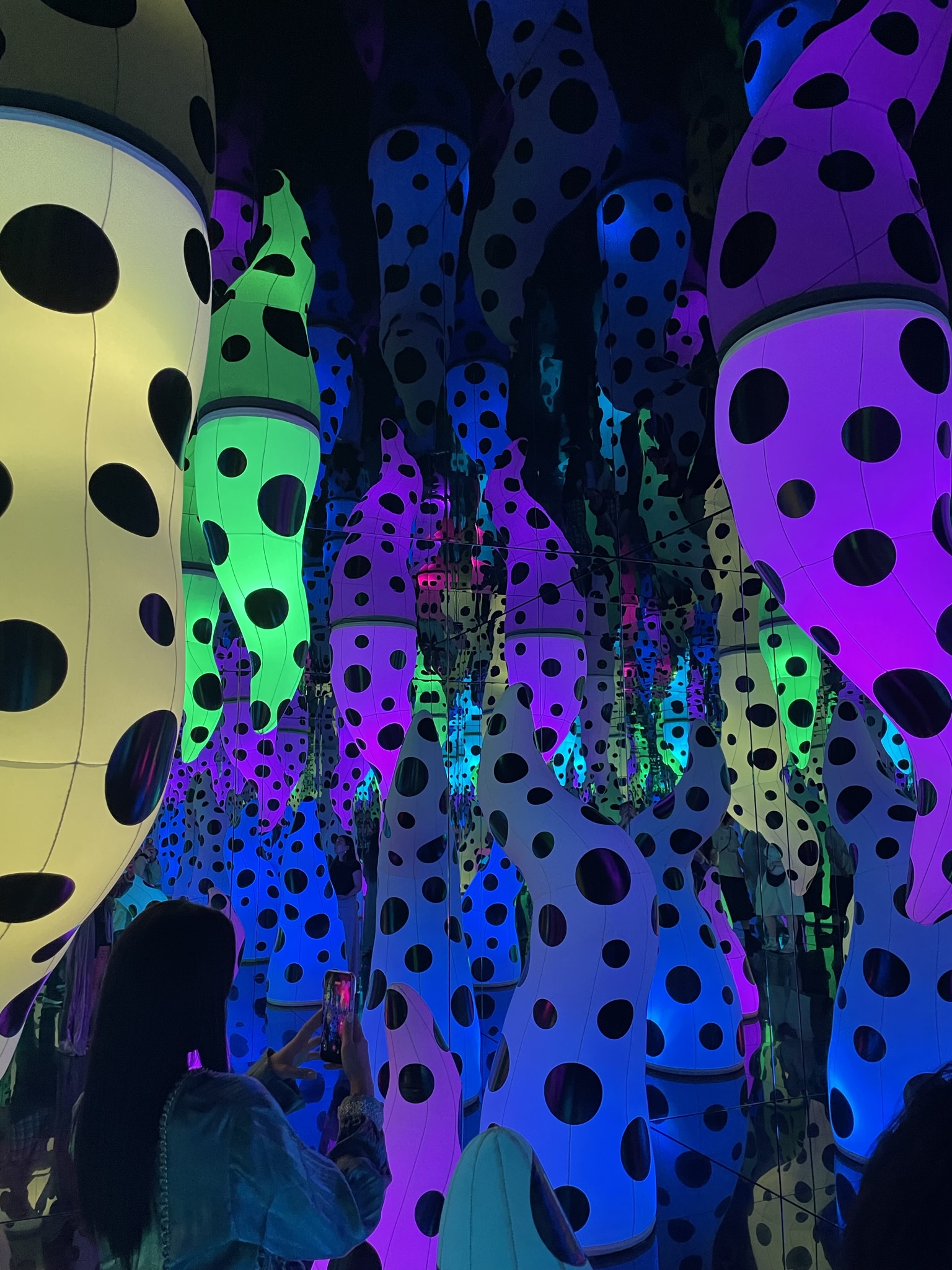
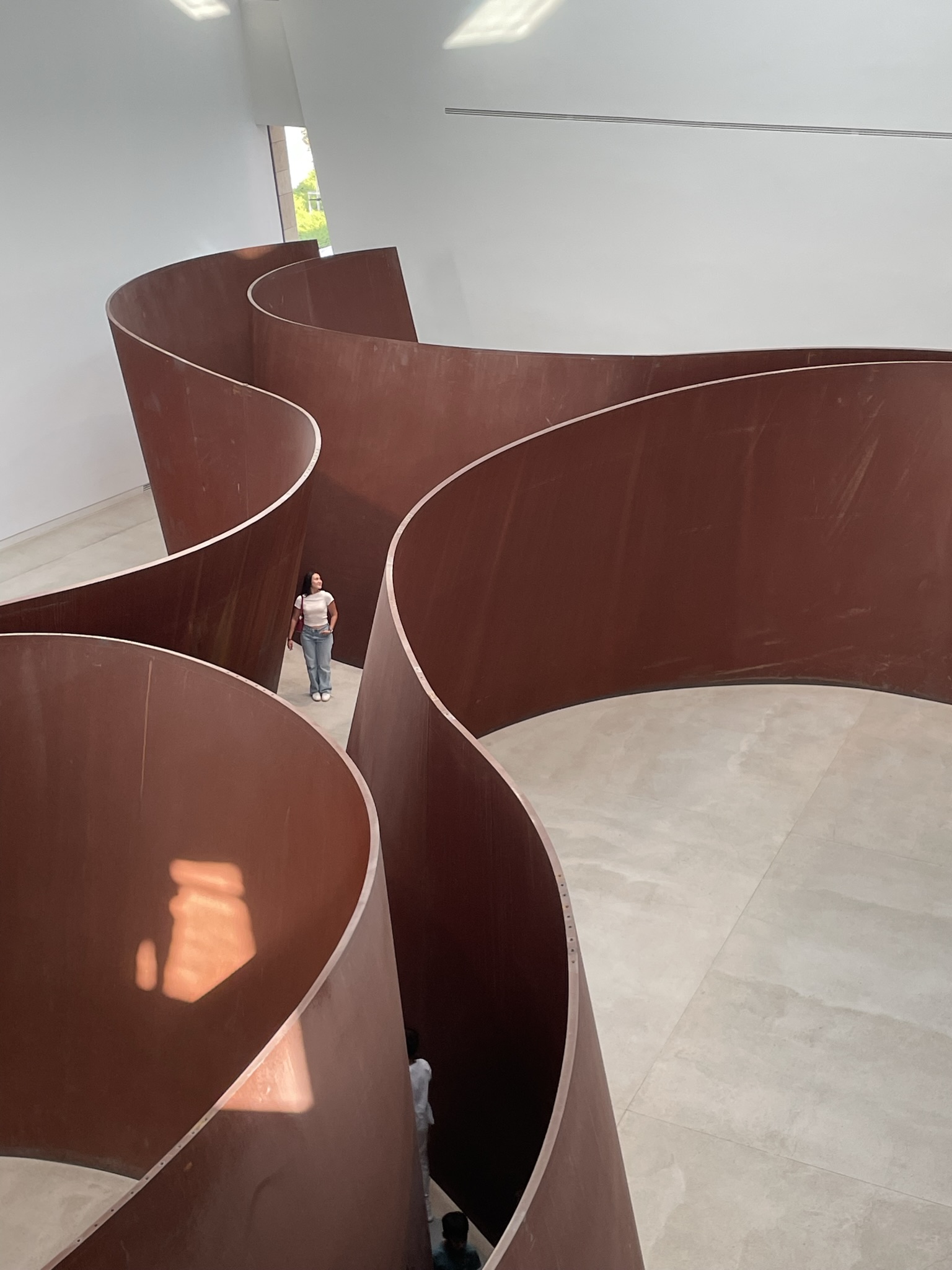
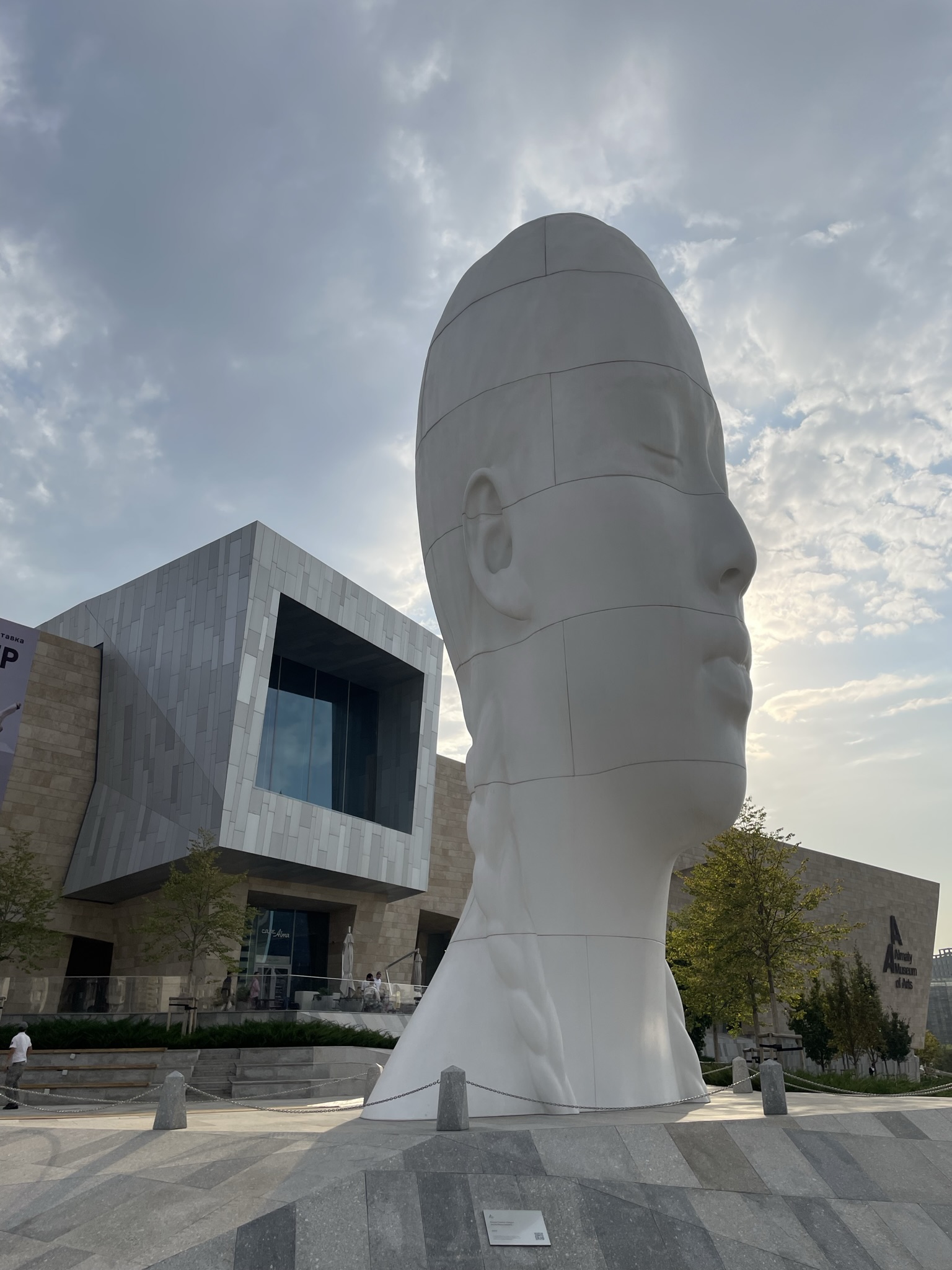
I wandered along the Arbat, a pedestrianized artery in the heart of Almaty busy with families enjoying the late summer. The next day I was off to Bishkek, making the mistake of asking myself tough questions on an uncomfortable bus, wondering if my love of travel has changed, if I had made a mistake with this journey.
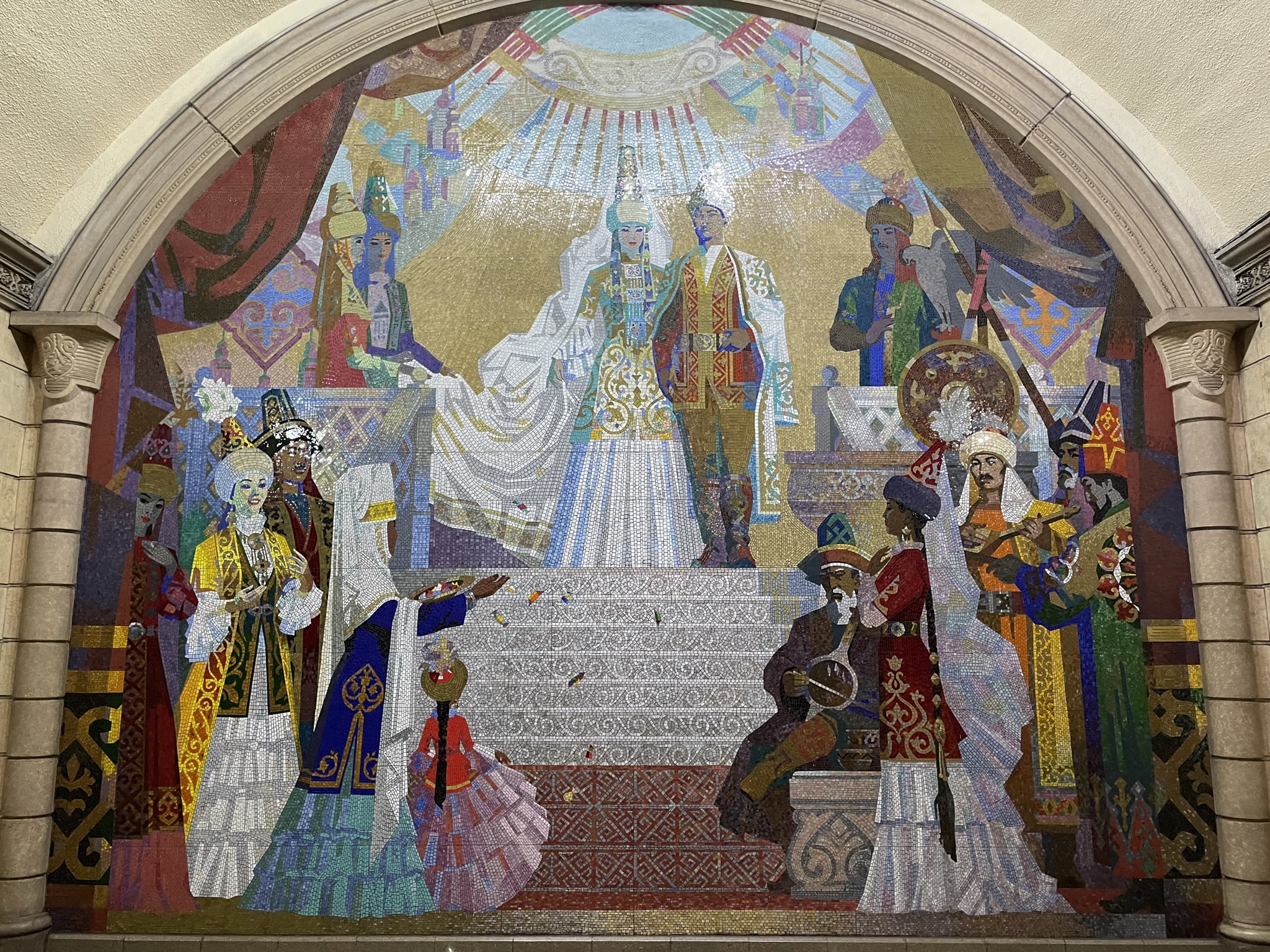
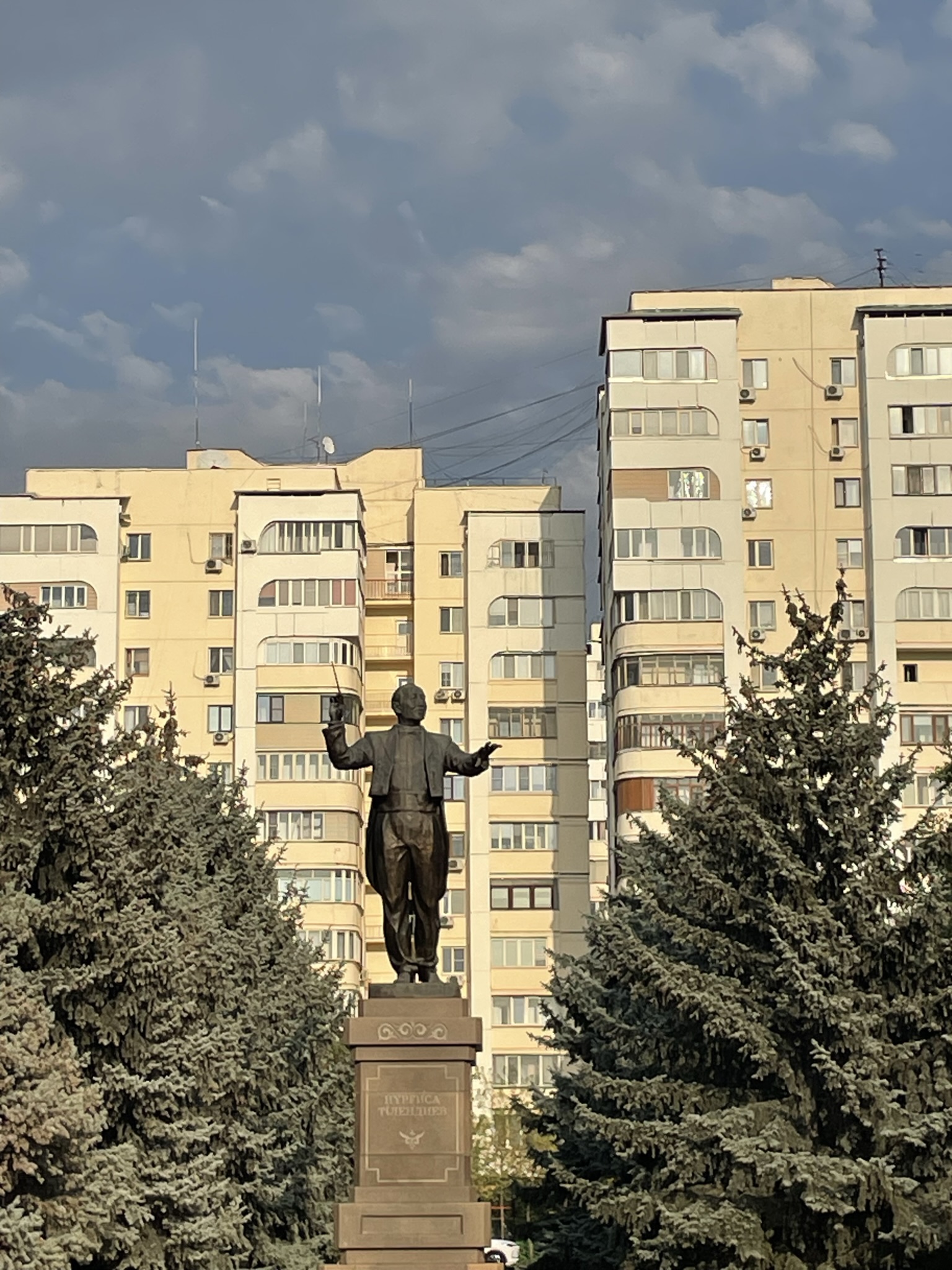
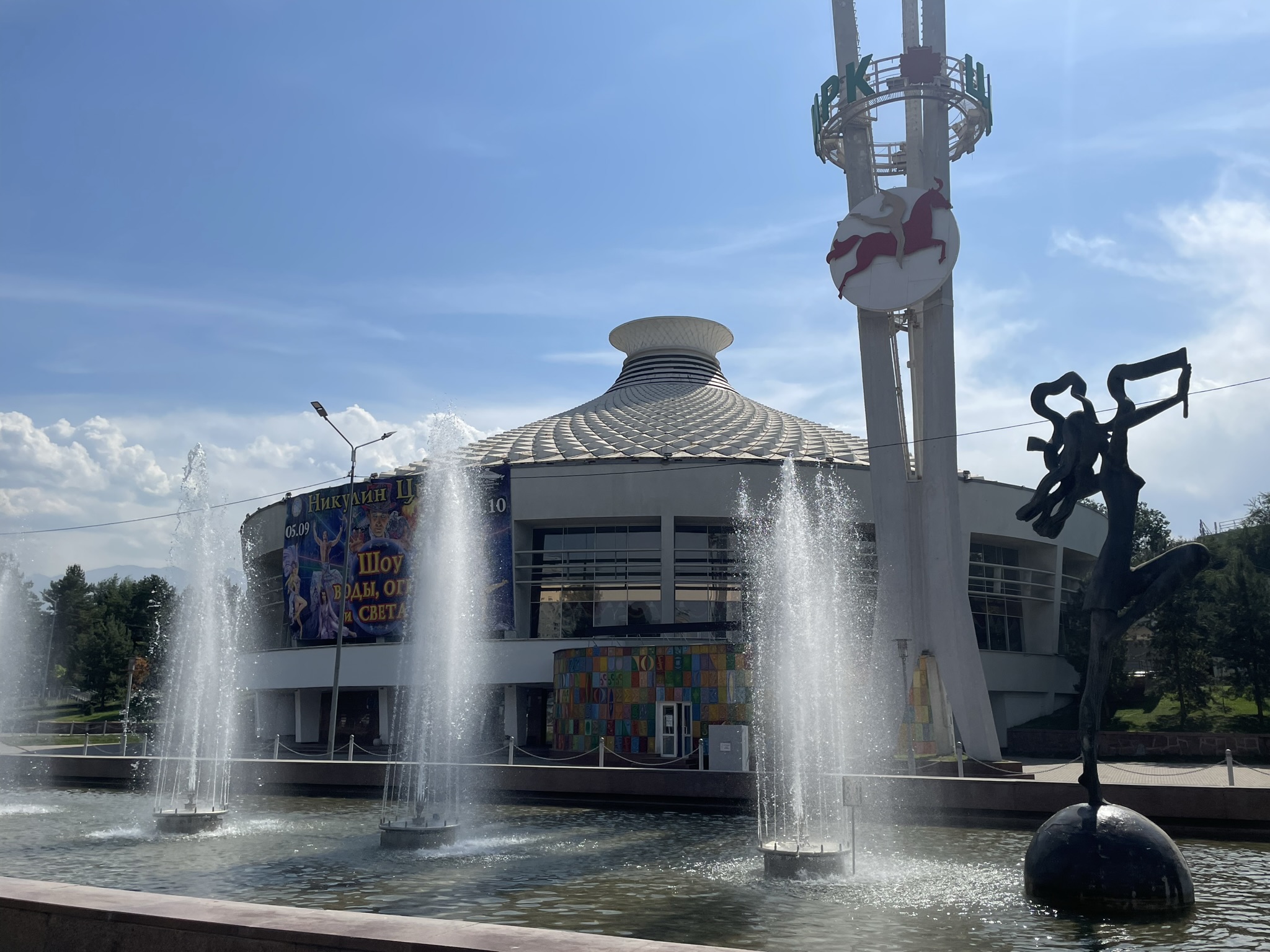
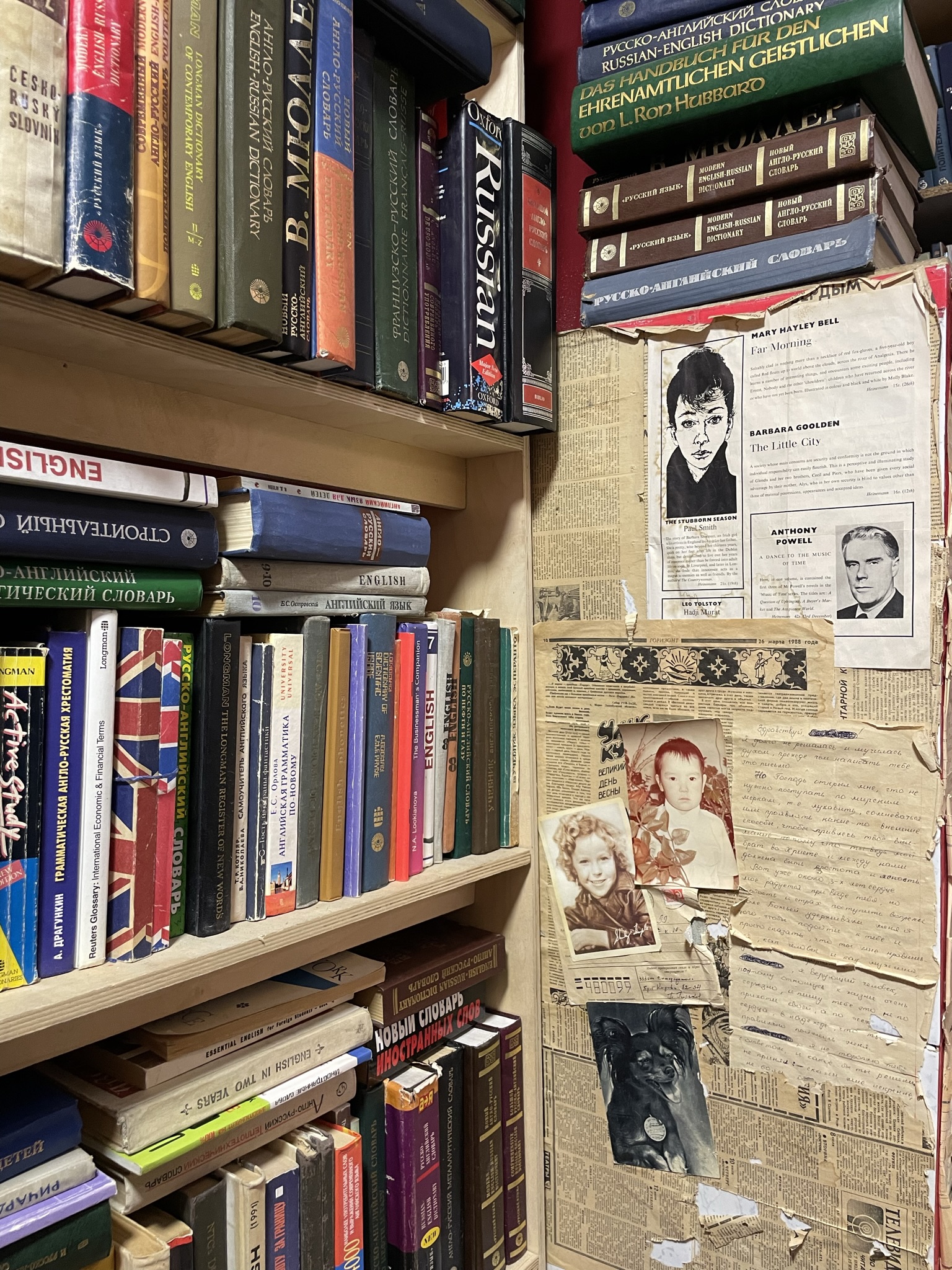
Nearly a month later I was back in Almaty, completing the circle ahead of my flight back home. I had found my rhythm in the weeks between and it felt like a different city. People moved in an unhurried pace, friends engaged in lively conversation on a crisp fall day. Stopping into cafes and shops, I was understanding Russian and responding in kind, mistakes be damned. In a basement used bookshop tucked away in the rear courtyard of a khrushchevka, staff helped me with my ultimately successful hunt for a book on Russian expansion into Asia, a testament to my newfound confidence and questionable taste in niche nonfiction.
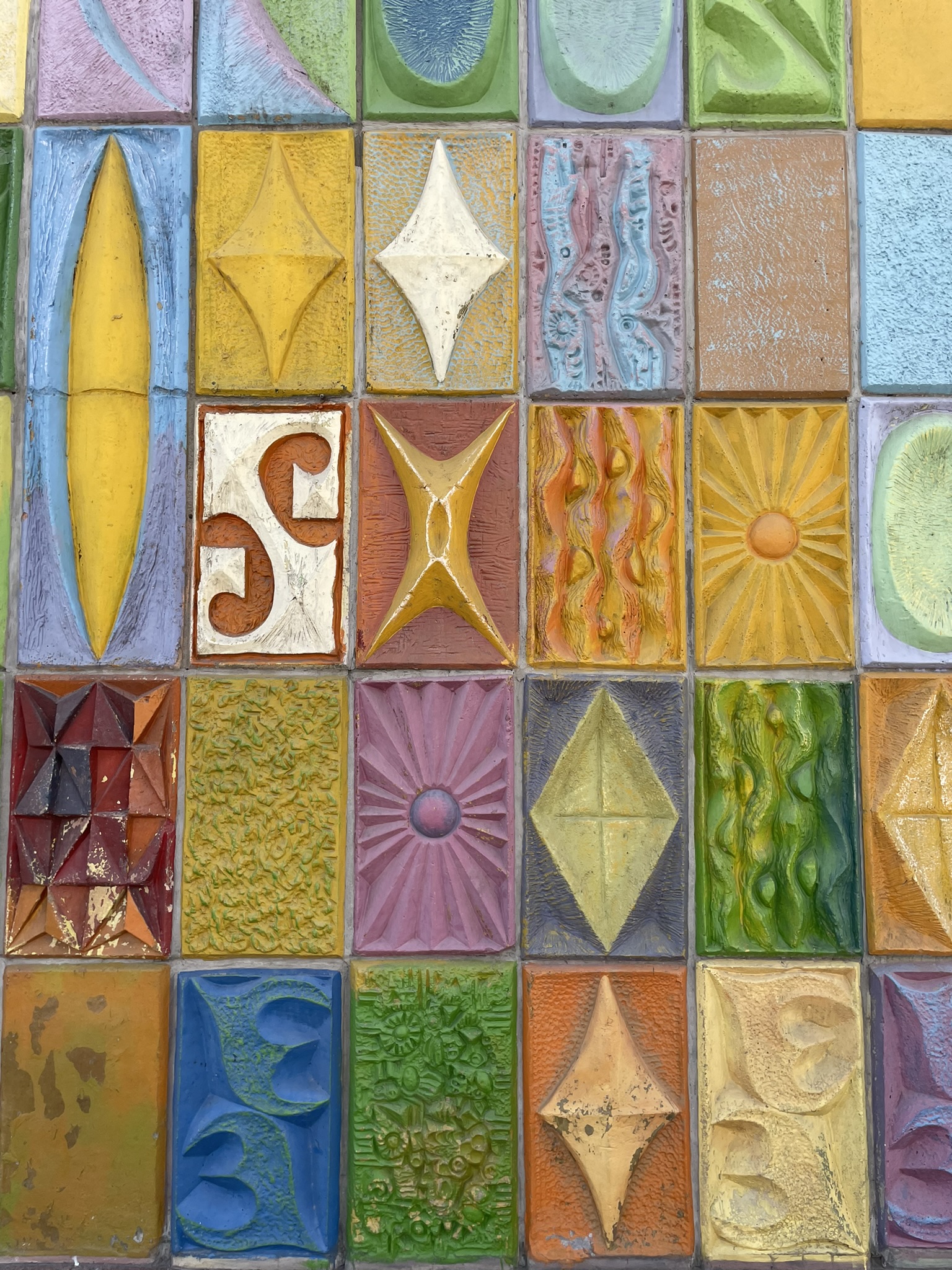
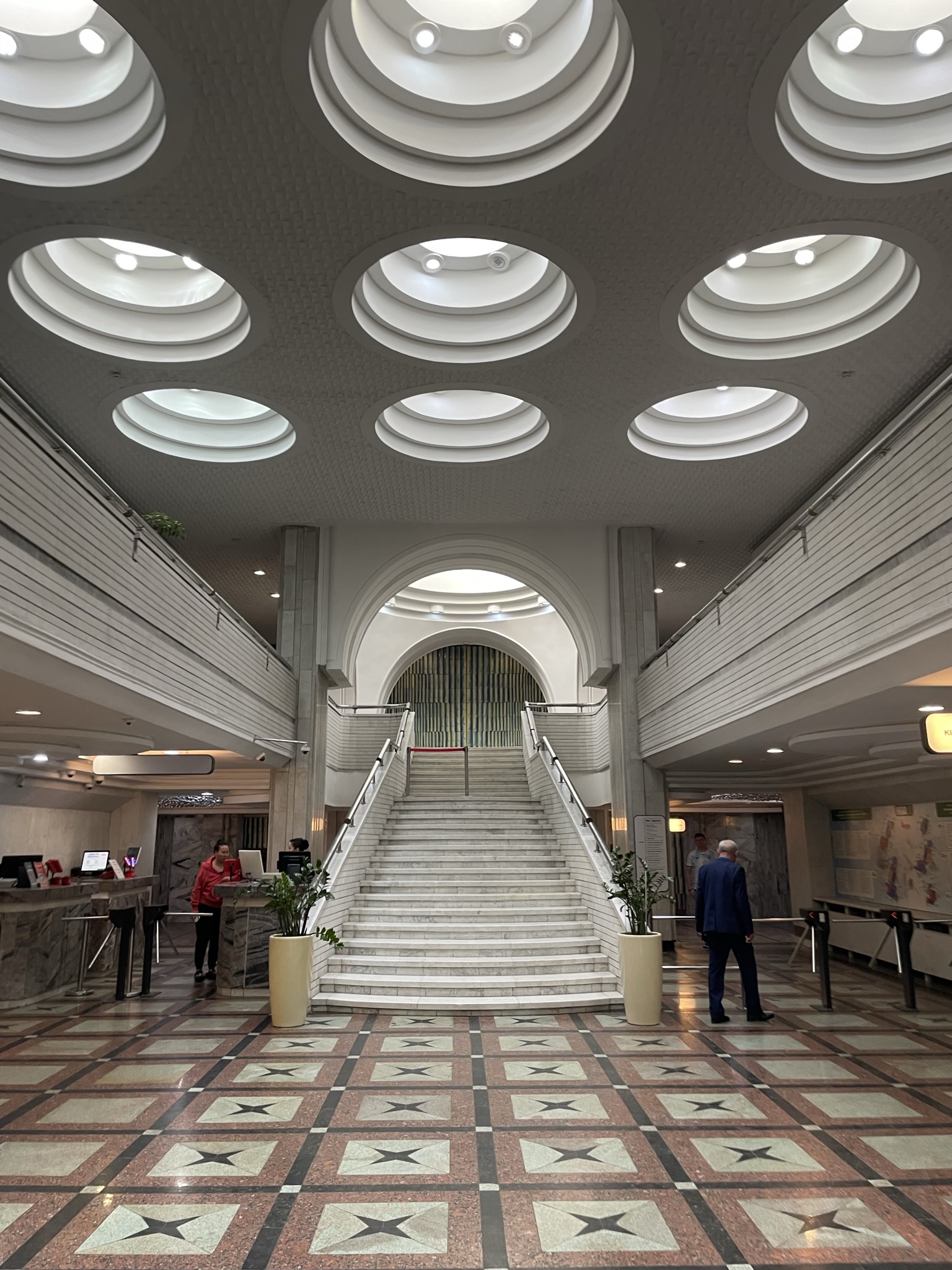
Another successful dip of the toe into local culture was a trip to the Arasan public baths, built in 1982 after the design team visited Turkey, Egypt, and Budapest to learn from the best of the best. The baths remain popular today, where guests pay by the hour to cycle between a series of saunas (Finnish, Turkish, Russian) and back to the pool for a refresh and recharge in between. The transition is punctuated by brisk rinse. I opted for the overhead wooden bucket on the chain, releasing gallons of chilly water upon myself. Arasan is gender segregated, and on the men’s side at least, being in the buff was de rigeur, though ironically it was the younger men, insecure, wearing swimsuits, while their elders were unfussed with such niceties. At least towels were available.
Additional services, such as massage or a brisk bashing with a venik, are said to be available for extra fees. The venik is the bundle of oak or birch branches used to…bash? It is said to help blood circulation and is a staple of the Russian bath culture, best administered by another person. I wandered through various rooms hoping to stumble onto a staffer with these bundled branches, and when I spotted another guest with his own venik, he told me where to get one – outside. Not helpful now when one is wearing just a towel. The same man found me again later, excitedly gesturing to me and sharing his branches by bashing me with them. It was a unique experience, both the venik beating and the banya on the whole. I found myself feeling clean, refreshed, even smelling nice, upon walking out.
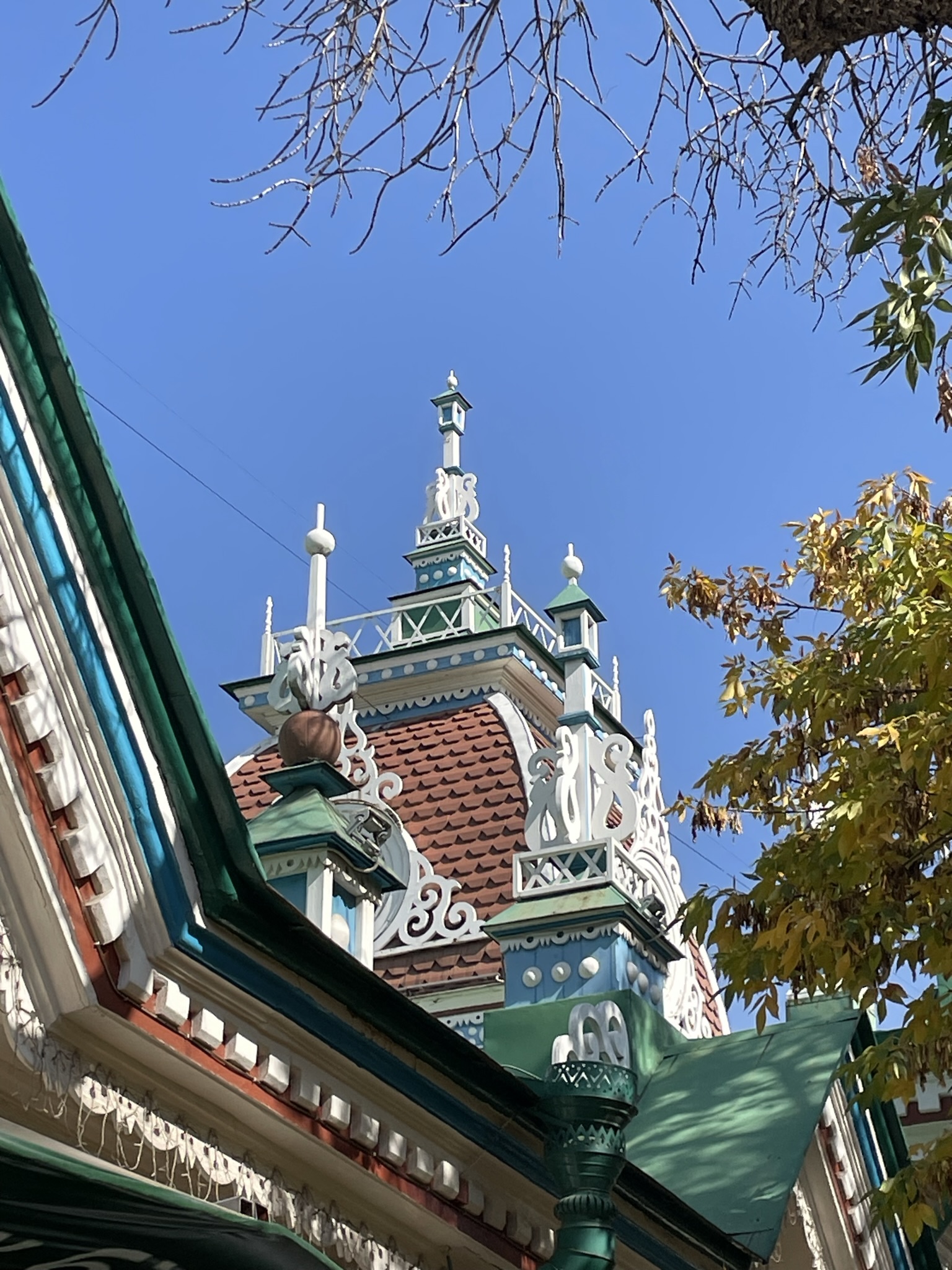
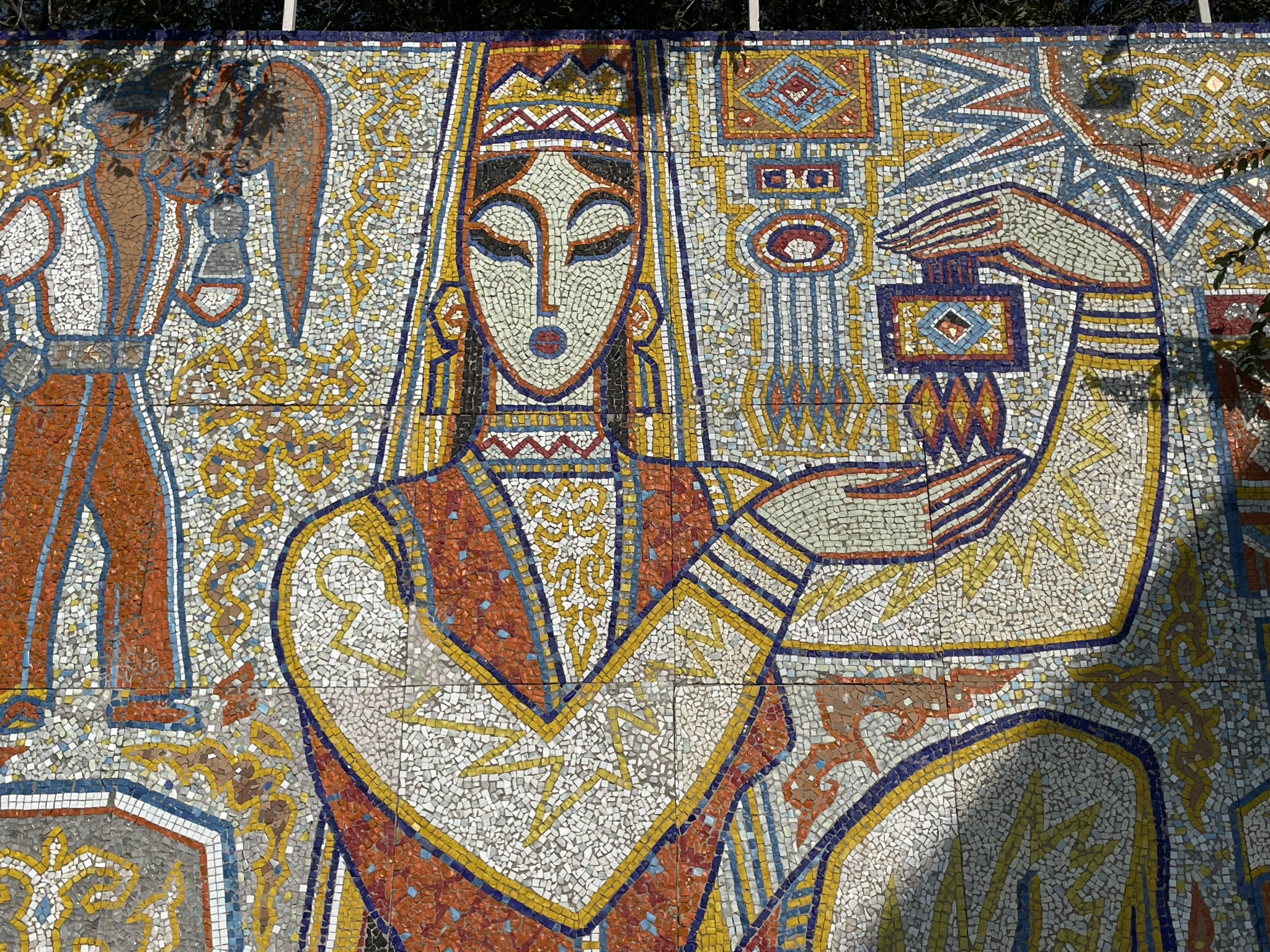
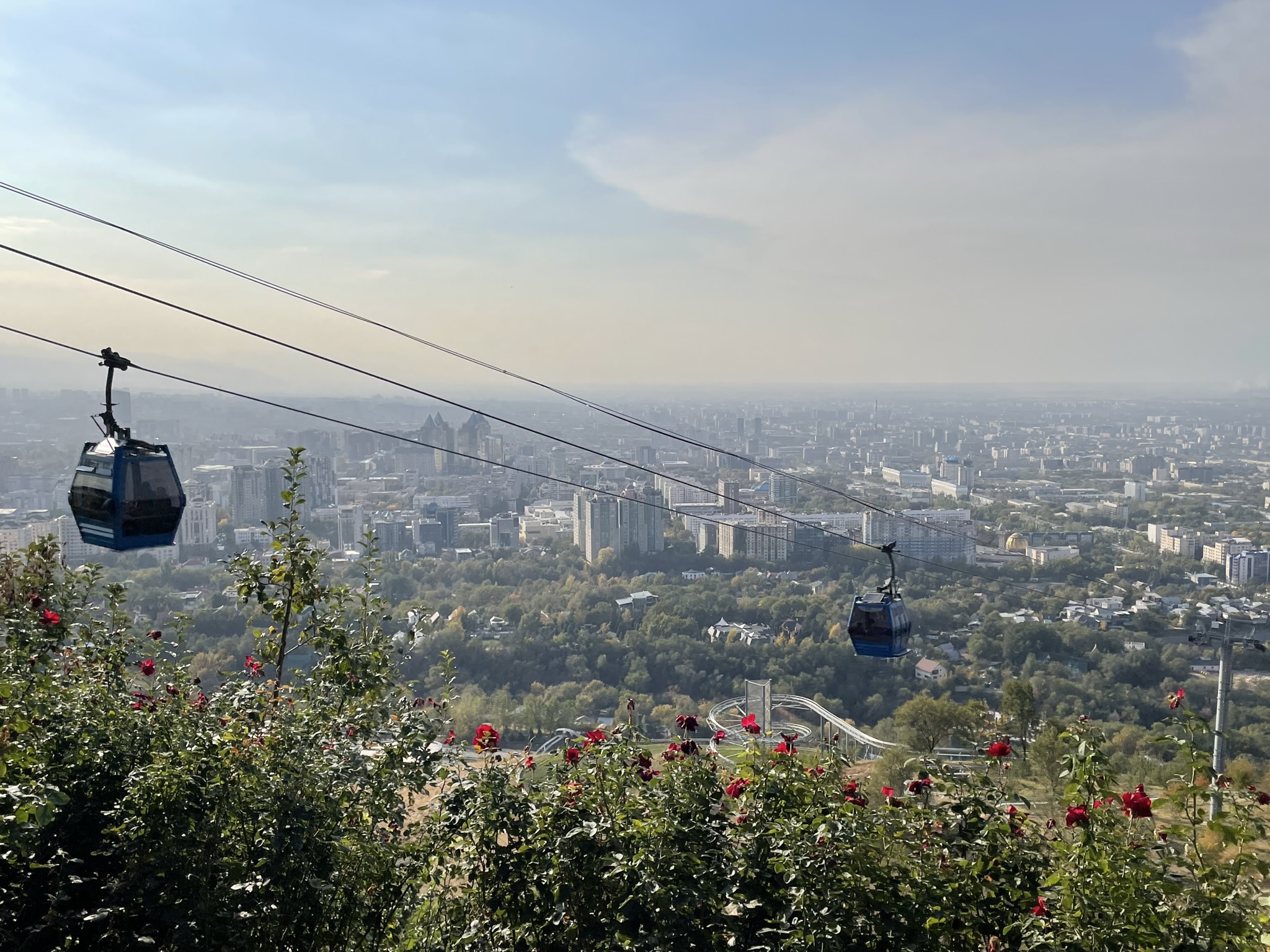
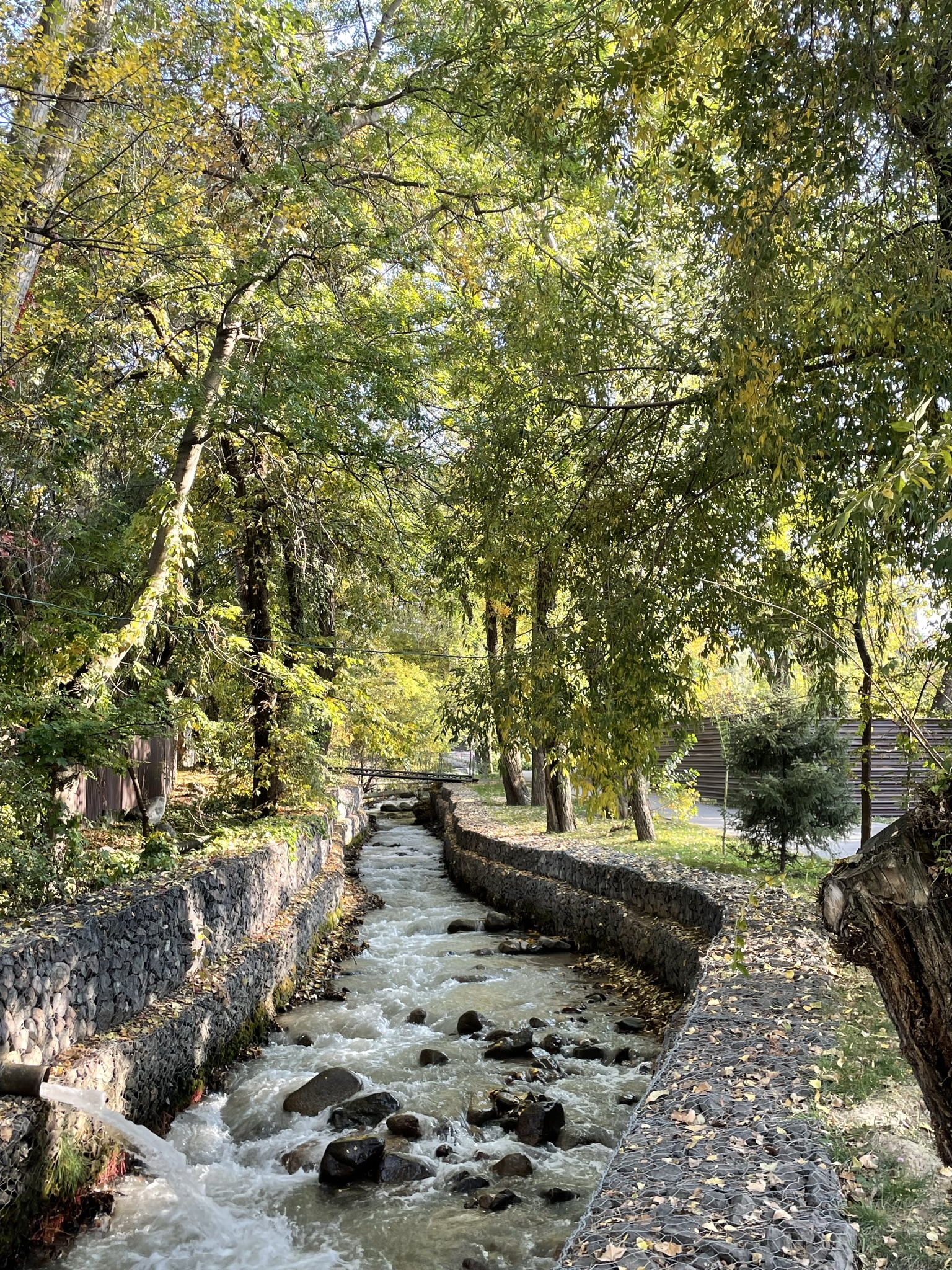
I opted for a wander on my last day, ambling along the blocks before hopping into the Kok Tobe cable car for a journey up to the eponymous hill. Once atop, Kok Tobe is host to a TV tower, series of county fair style amusements, and multiple platforms offering views of the spreading metropolis and nearby hills. On this Tuesday, I brought down the average age, surrounded by crowds of enterprising pensioners enjoying the fall colours. In lieu of a return cable car trip, I opted to walk back down to Almaty, stumbling onto Terrenkur, a treed pathway parallel to one of the small rivers coming down from the Tien Shan. Cafes punctuate the walk, and I stopped at one for a coffee and shakshuka, enjoying the sound of running water and a sleeping cat at a nearby table that didn’t stir once.
Normally I avoid repeating a place, especially on the same trip, but I am glad Almaty was an exception. I’d found the right headspace in the month between, my attitude was much improved, and I appreciated the city far more as a result. As for the road to that peace of mind, it led south, over the Kyrgyzstan border and onto the capital city of Bishkek

