North Korea – enigmatic, isolated, and dangerous – lies only 50 or so kilometres from the heart of Seoul. Even in morning traffic, it is less than an hour to the Demilitarized Zone, or DMZ, the dividing line agreed upon in the 1953 armistice. At my insistence, we found ourselves boarded onto a 40-person coach at 9am, doing our collective best to make Jin, our young guide, proud by showing some, or any, pre-existing knowledge of Korea. She gamely held up her end of the imbalanced conversation, sharing out various historical and geographical tidbits to duly nodding heads. When asked about North/South relations, she used Tom and Jerry by way of metaphor, with the South being the innocent Jerry. The North, armed with nuclear warheads and sending balloons of trash floating into Seoul, was clearly the bad guy.
These DMZ tours make a series of stops, slightly varied but more or less the same. The most recognizable site is probably Panjunmom, the little blue-painted buildings where the armistice was actually signed. No tours however come here any longer after a defecting American soldier, running into the North, was shot and killed. So instead our itinerary as a medley of localtions, all tied together by cafes and souvenir stalls. The first of these was Gloster Hill, site of one of countless Korean War engagements. Instead of hearing anything about the battle, or the nature of what the soldiers of either side experienced, we were led up to a suspension bridge for pictures and advised on a return time to our waiting bus. Most stops followed a similar script, a group walk to a point, after which we would be handed a few tidbits of information before scattering, fending for ourselves amongst the various vendors. This was true again at the next stop, an observatory where we were treated to an overcast view of Kaesong, an North Korean industrial hub and home to a large flagpole erected to outdo the South Korean counterpart. On departing, our bus held its collective breath as a women realized she forgot her phone…briefly she sprinted up the steep hill before turning around, apparently in possession of the device. A pointless delay averted!
As a side note, to encourage residents, the DMZ area is a form of tax haven, with all kinds of cheap goods with various DMZ and Korean War branding. It is a bizarre testament to short memories and the South’s wholesale embrace of capitalism. A stop at the Third Infiltration Tunnel, named for obvious reasons after the South discovered it in the 1970s, winds down a long, steep tunnel into a low chamber. A fifteen minute walk culminates in a small glass window with a view into the North’s half of the tunnel. The last stop, again with a gift shop (“Since we are early, you can shop a little”, per Jin), was in a random warehouse with a curtain dividing the space into two halves. The inner sanctum, with a stage boasting a tasteless backdrop a mocked up like a North Korean border post, was where a North Korean defector shared her story. Instead of insightful, this last stop felt exploitative and ultimately offered nothing that can’t be found in one of the books written by defectors. The day was then, at long last, punctuated with a late afternoon buffet lunch. Featured items included chicken nuggets and a plum tea tasting like Kool-Aid. It was reminiscent of some of my lesser school lunches in China and sealed the deal for us – while the DMZ tour was not without interest, I can’t say I recommend it either.
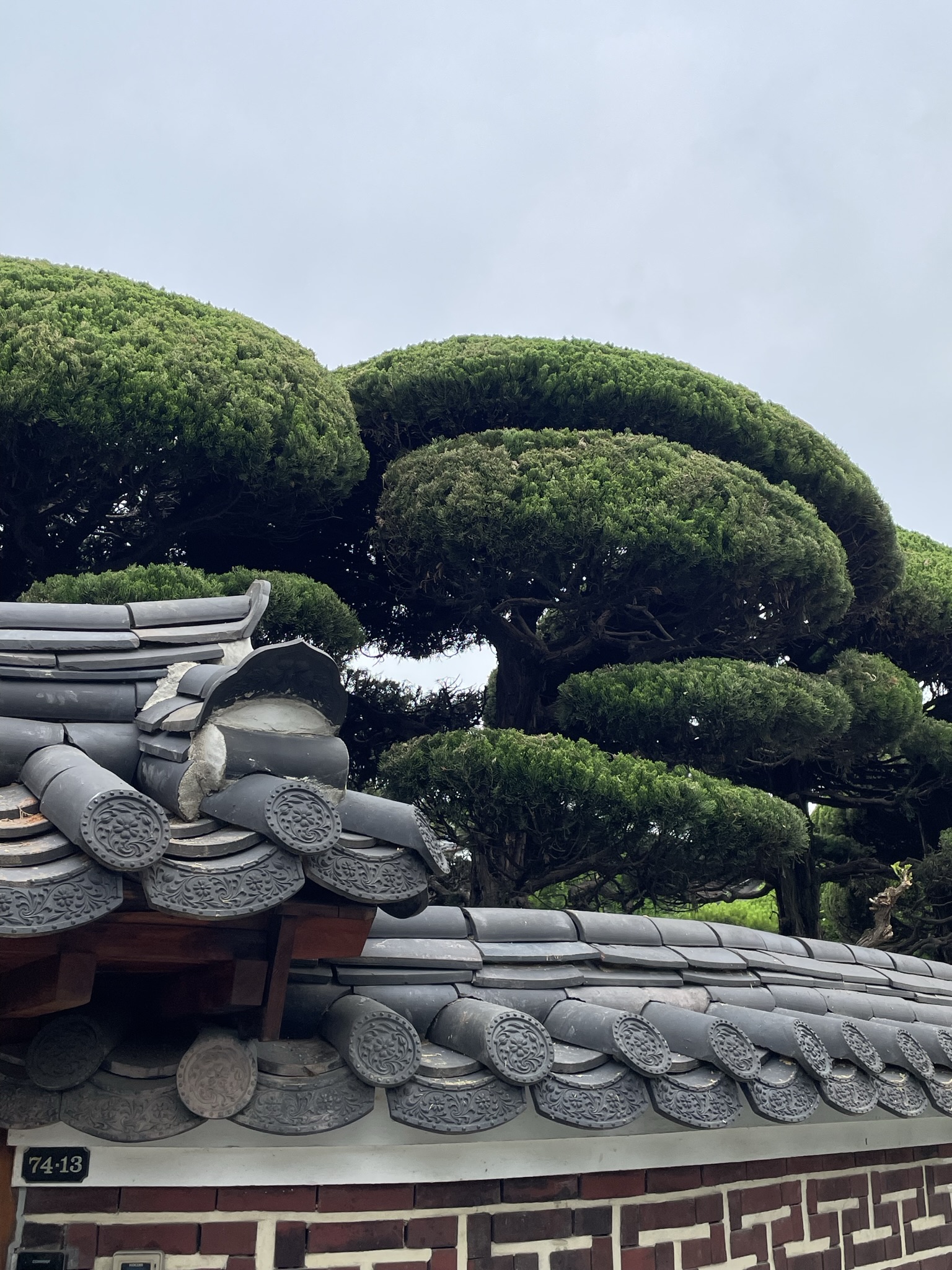
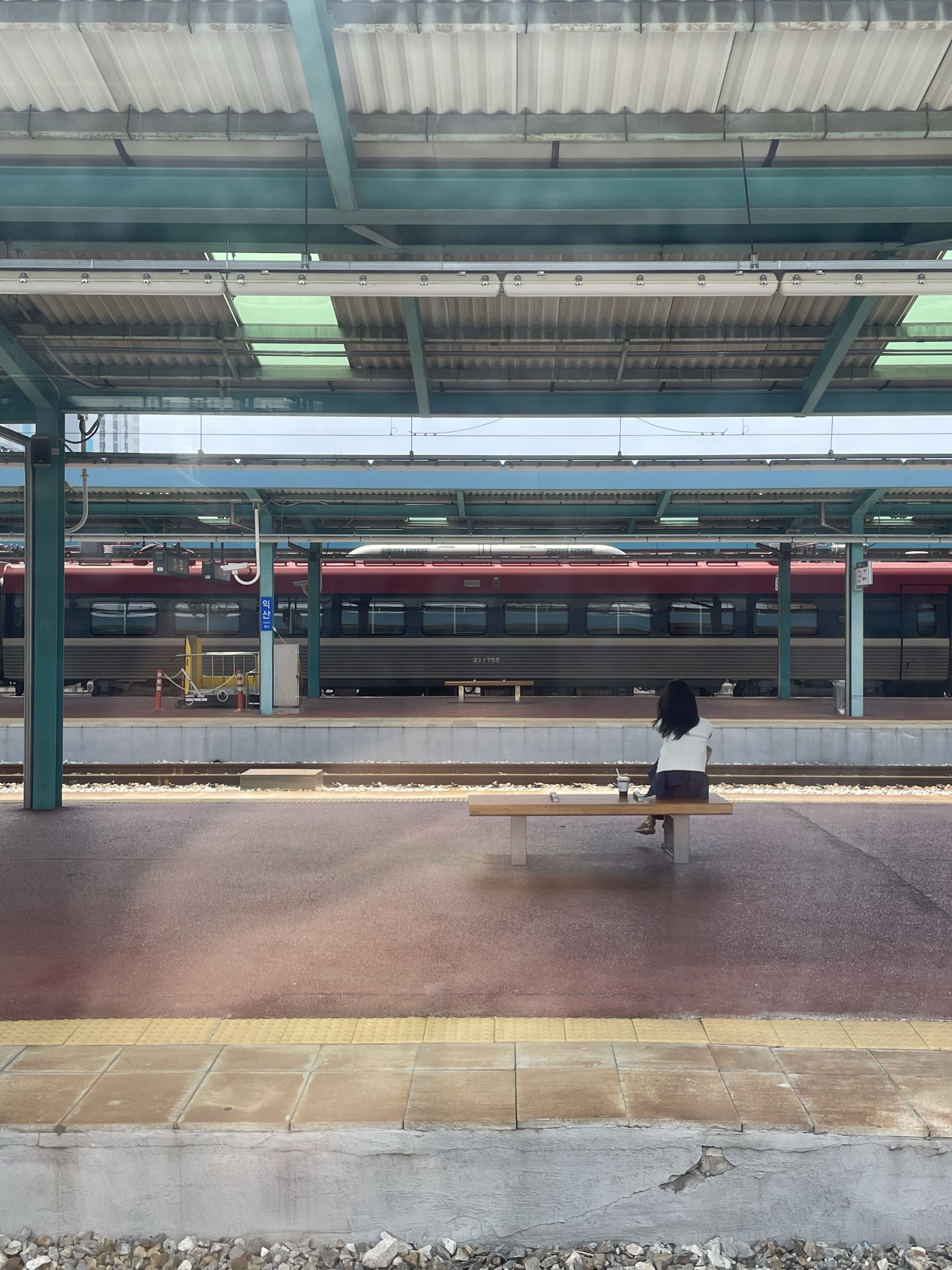
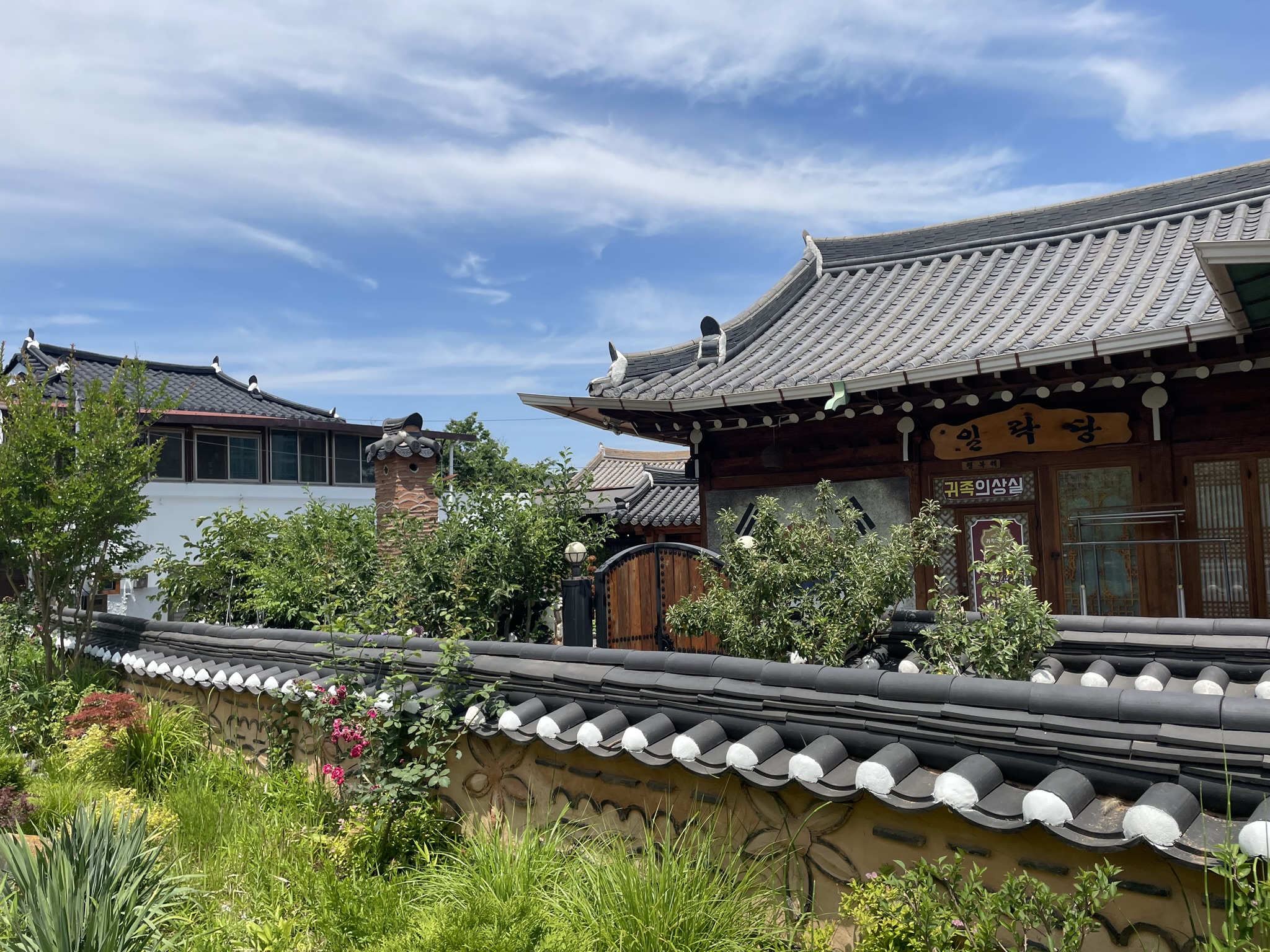
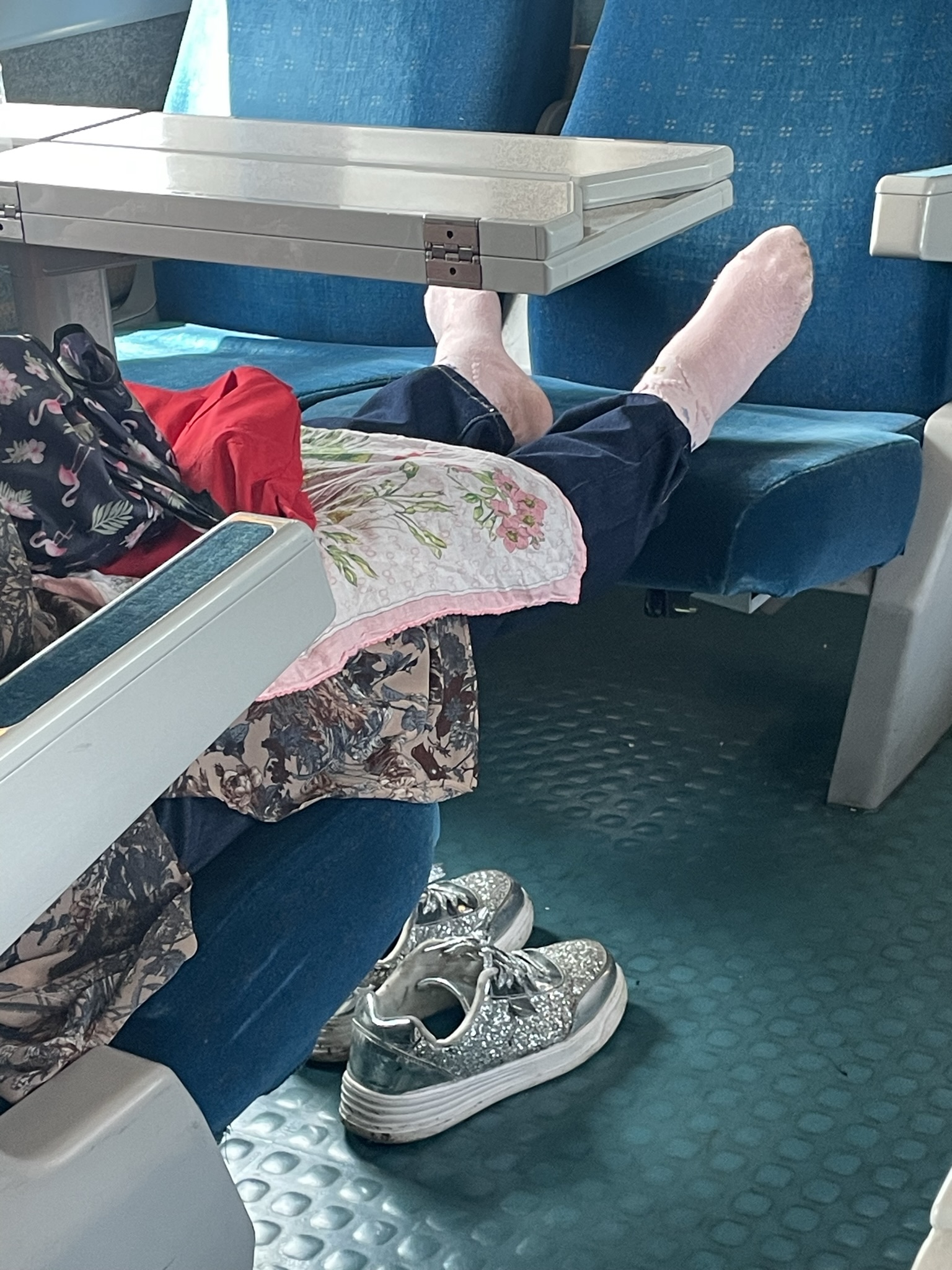
Better – much better – than the DMZ day was our next stop, Jeonju. It is a small city in western middle of the country, around two hours south from Seoul by bullet train. We choose to stop here on a flyer: wanting to see a smaller city in a less touristed, at least by foreigners, location and, topping it all off, one with a hanok village. Hanok seems to be a catch-all adjective noun and verb signifying traditional Korean culture. In this instance, it referenced the old town on the north banks of the eponymous river. The KTX, Korea’s bullet train, is an outstanding way to travel the country, quickly passing between a succession of fields, towns, and tunnels. Oddly, at no point did were we ever asked to prove we had tickets, conductors passing through the cabin, entering and exiting with a polite bow to passengers. I am still unclear how the system works, but am impressed by the degree of public trust.
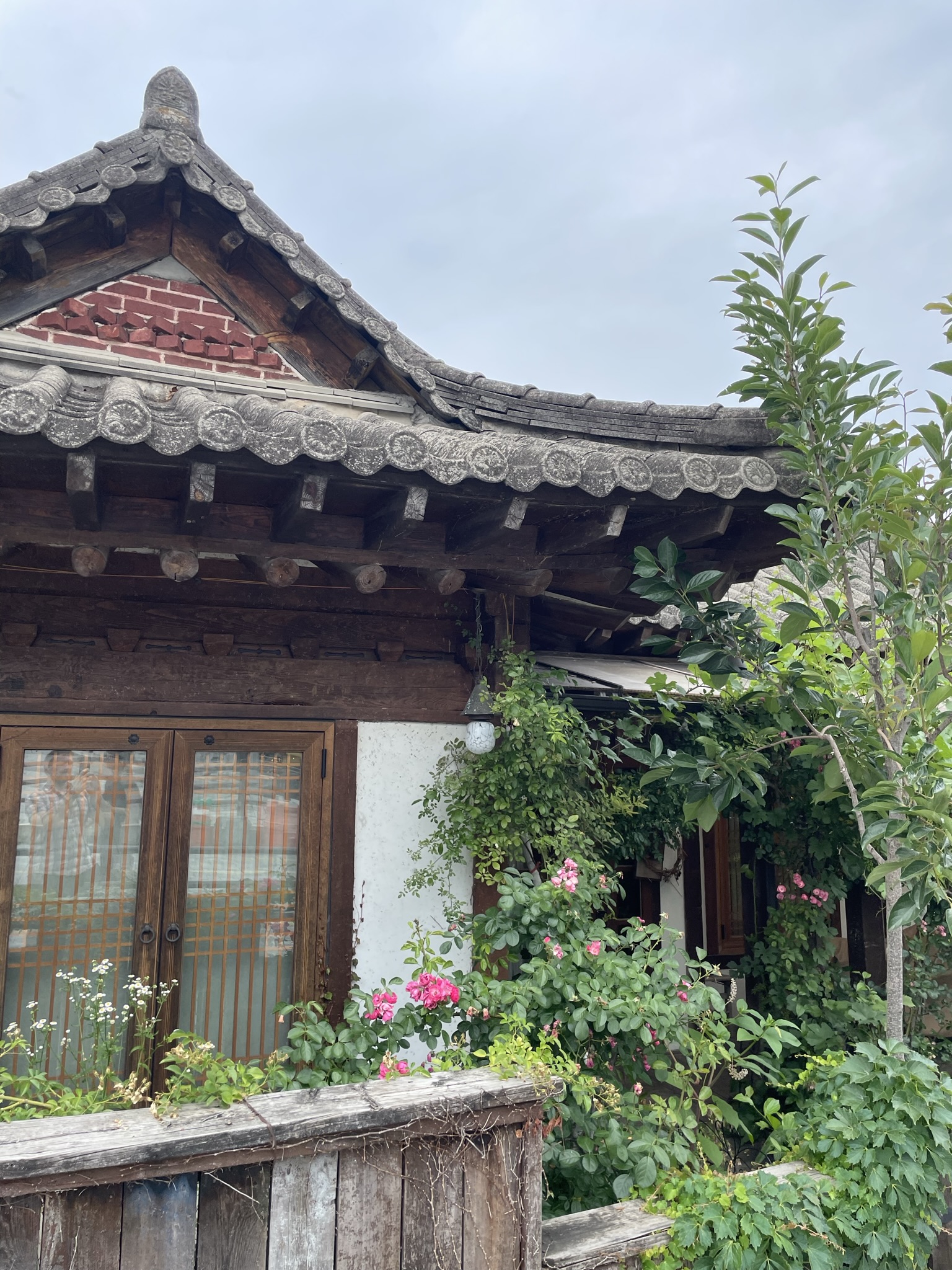
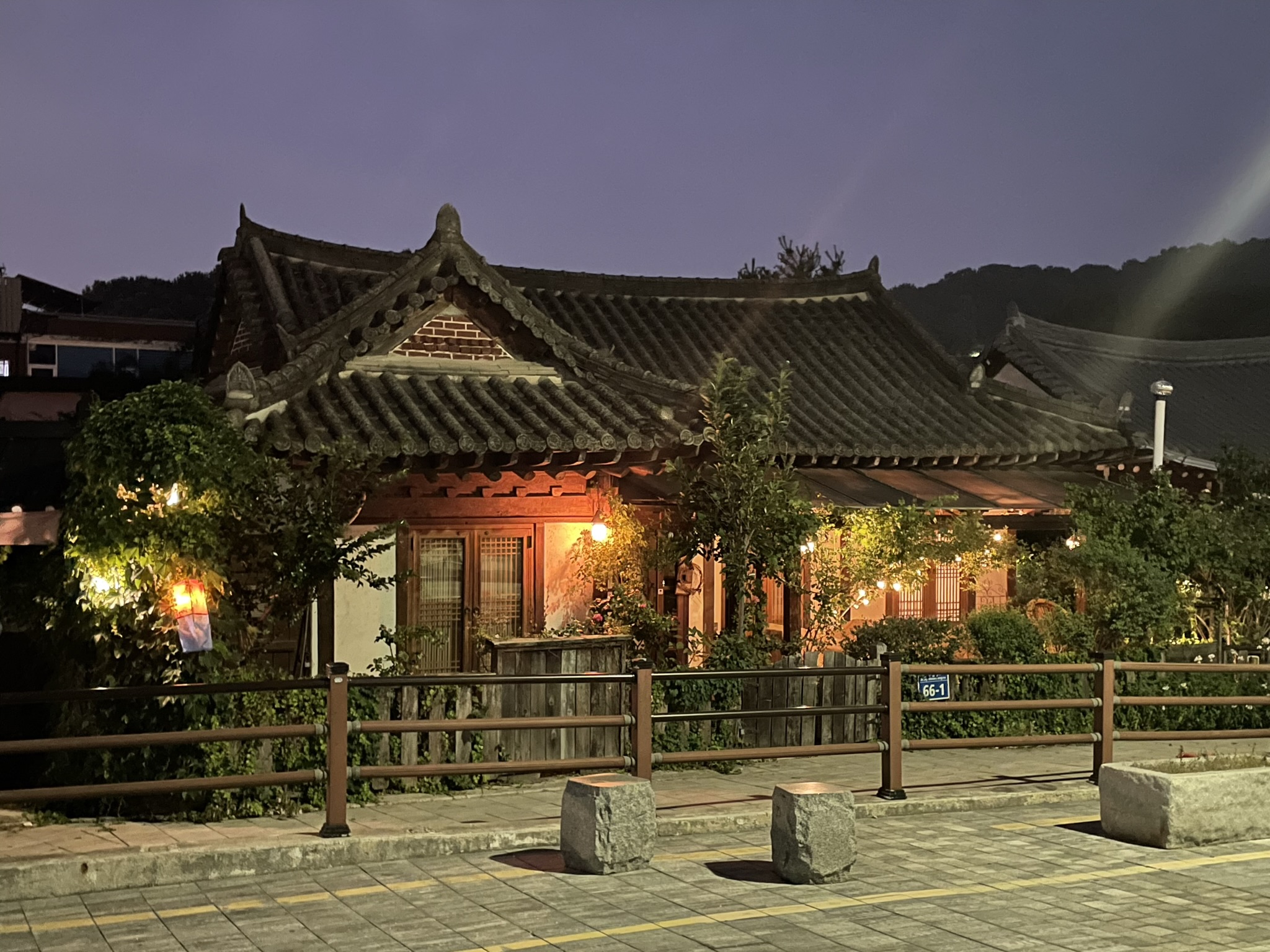
Upon being deposited at Jeonju station, we met our single language snafu of the trip trying to communicate with a cab driver. I’d flagged the guesthouse location, but my map was, understandably, in English. The cabbie asked repeatedly if hangul was possible, repeating the word and tapping his GPS. I knew hangul meant the Korean writing system, but neither of us had any idea how to change our phone’s languages quickly. We settled on a compromise option, finding the Korean name of a nearby market and with that, we were off. Our guesthouse was a few blocks from the drop-off point, a traditional Korean hanok guesthouse framed around a small courtyard with cozy rooms with fold out floor bedding and breakfast delivered at 8:30. The hostess spoke essentially no English, but was well practiced with hand motions and humoured my efforts to use the four Korean words in my arsenal: hello/goodbye, thank you, yes, and no. Shoes are, naturally, left outside the folding screen door of one’s room.
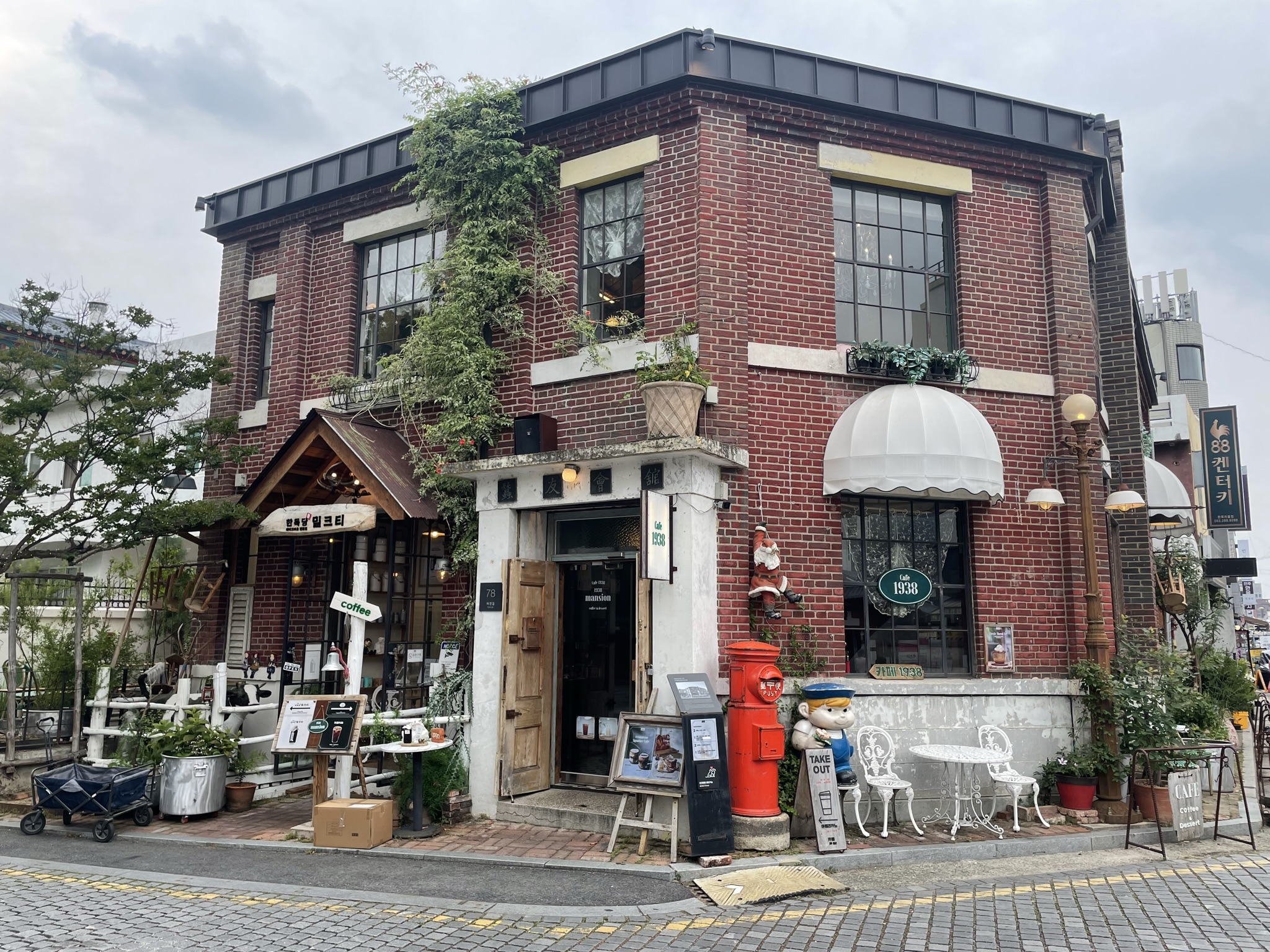
Size notwithstanding, Jeonju is an old city and a provincial capital, spiritual home to the Joseon dynasty. After the Korean War, Jeonju grew quickly, reflecting the broader national trajectory. Eventually the factories outgrew the old city, spreading out to newer, larger locations. Per the well-curated local history museum, we learned that the hanok village suffered under heavy regulations limiting any change, leaving residents frustrated and buildings abandoned. Policies were loosened in the 80s to support historic preservation while balancing investment. In the buildup to the 2002 World Cup, a flood of funding became available for restoration and the impacts are visible today. For better or worse, tourism, mostly domestic, has made its mark, and the village is a gentrified blend of old and new, bustling with mostly Korean families, partaking in carnival games, driving elongated golf carts, or wandering the picturesque streets in traditional clothing for photoshoots. It is a lively if slightly contrived atmosphere.
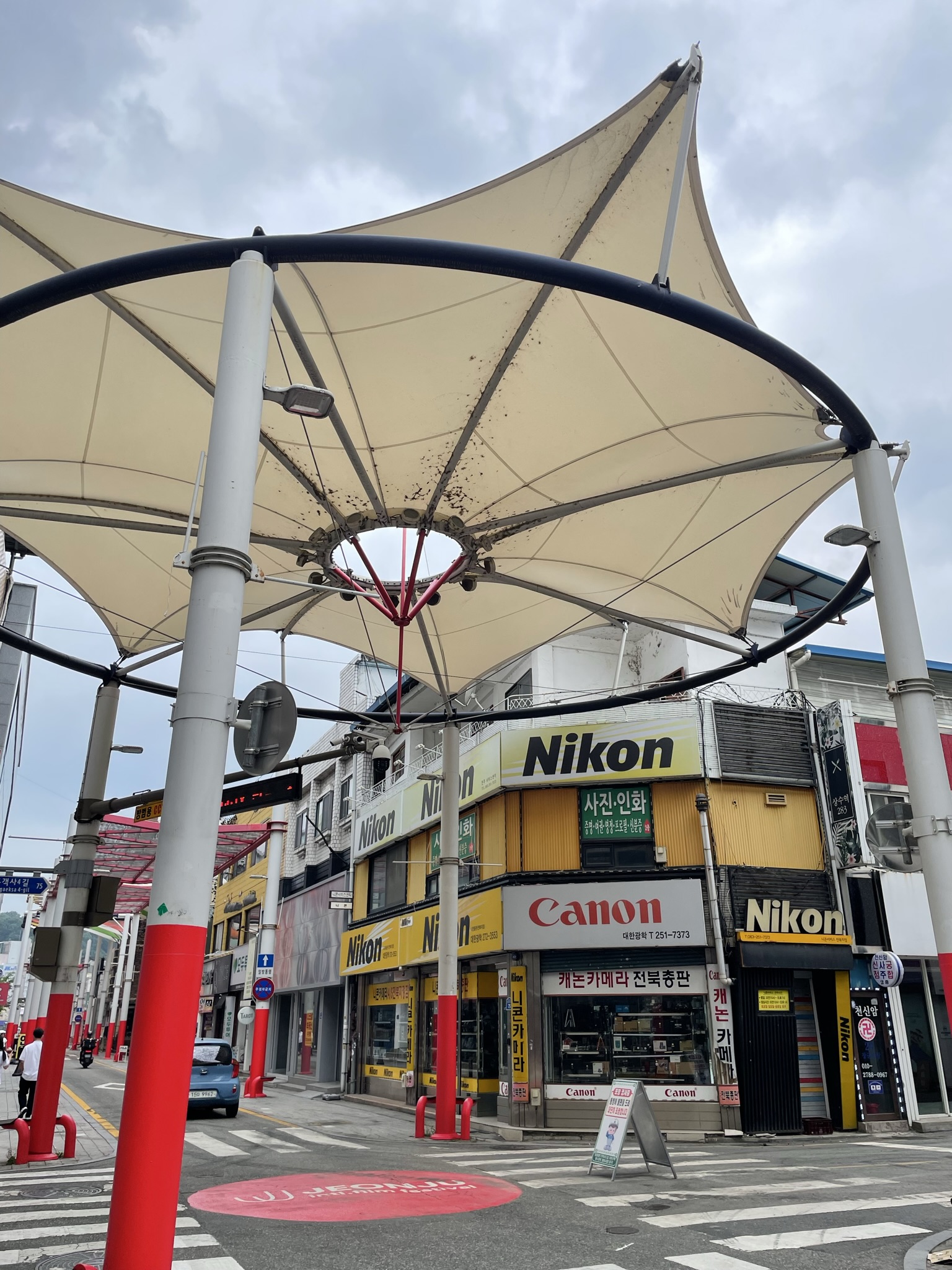
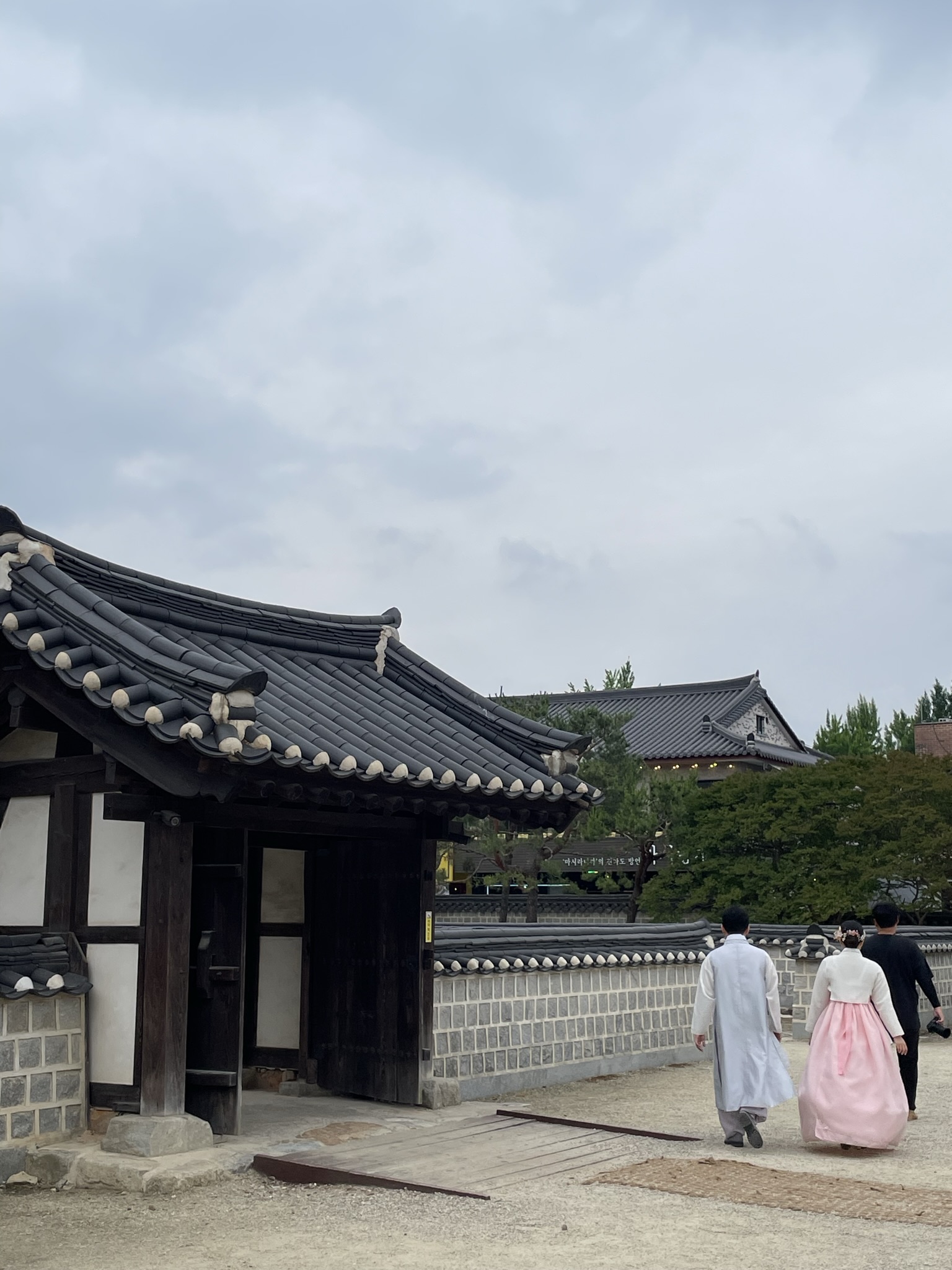
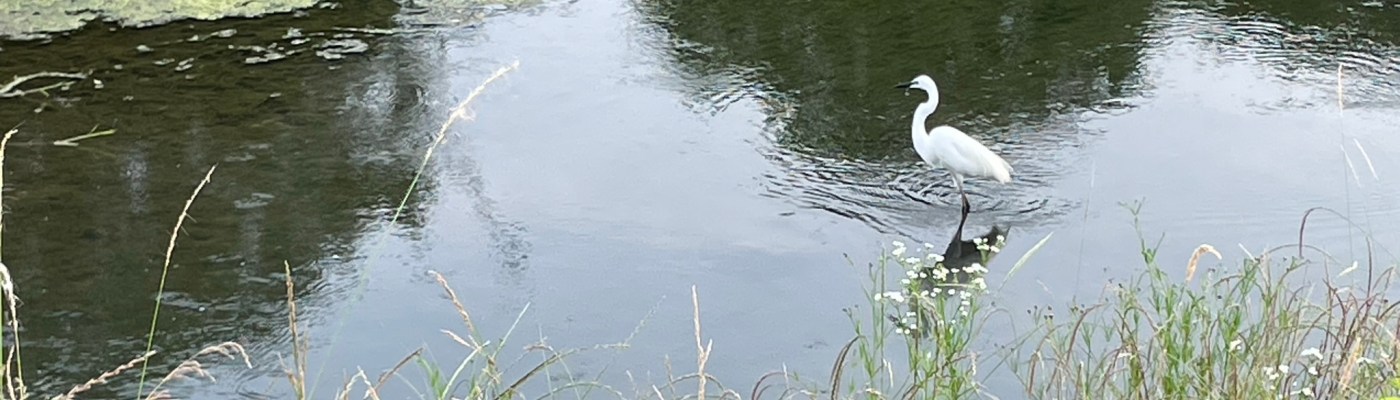
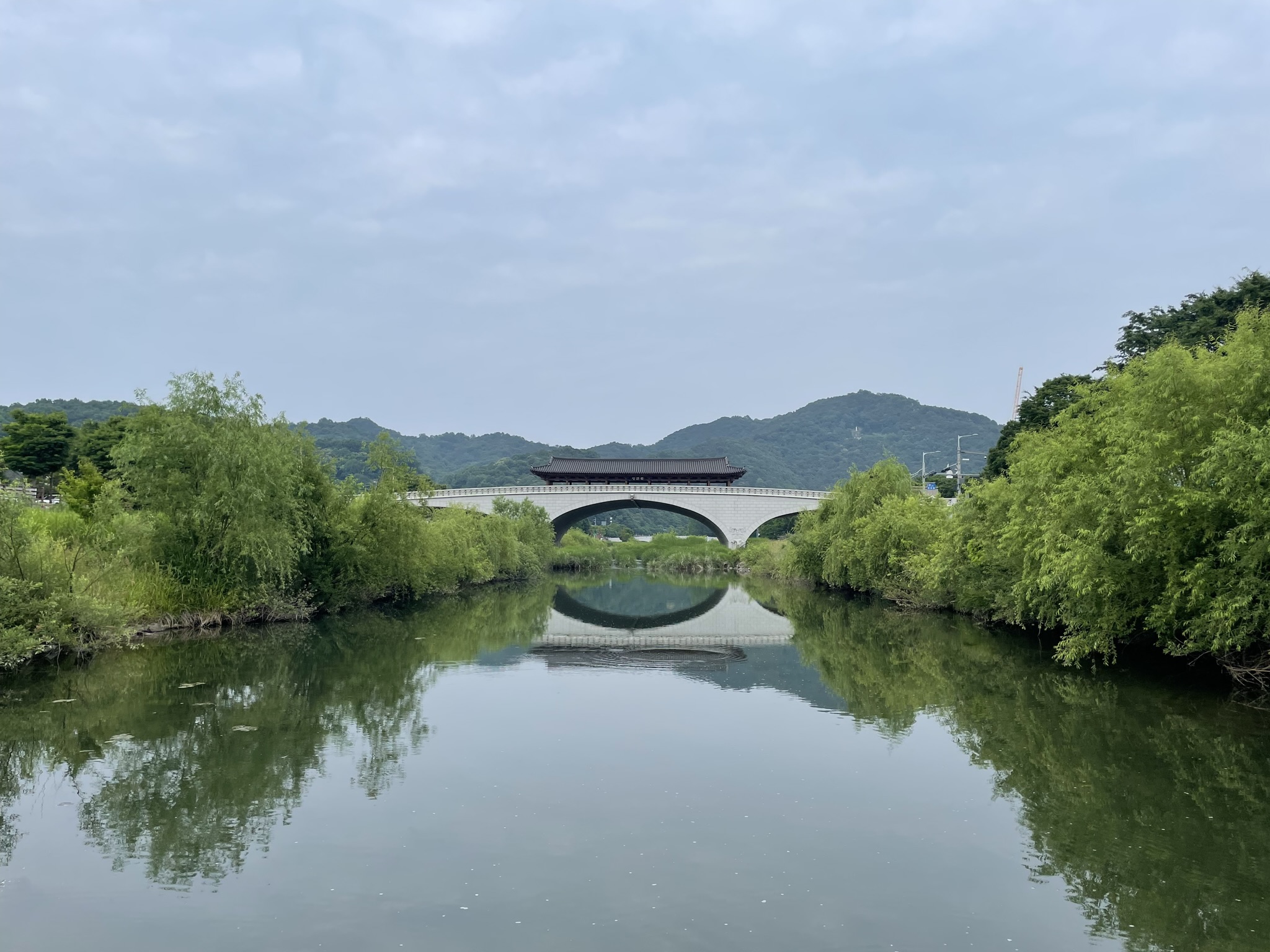
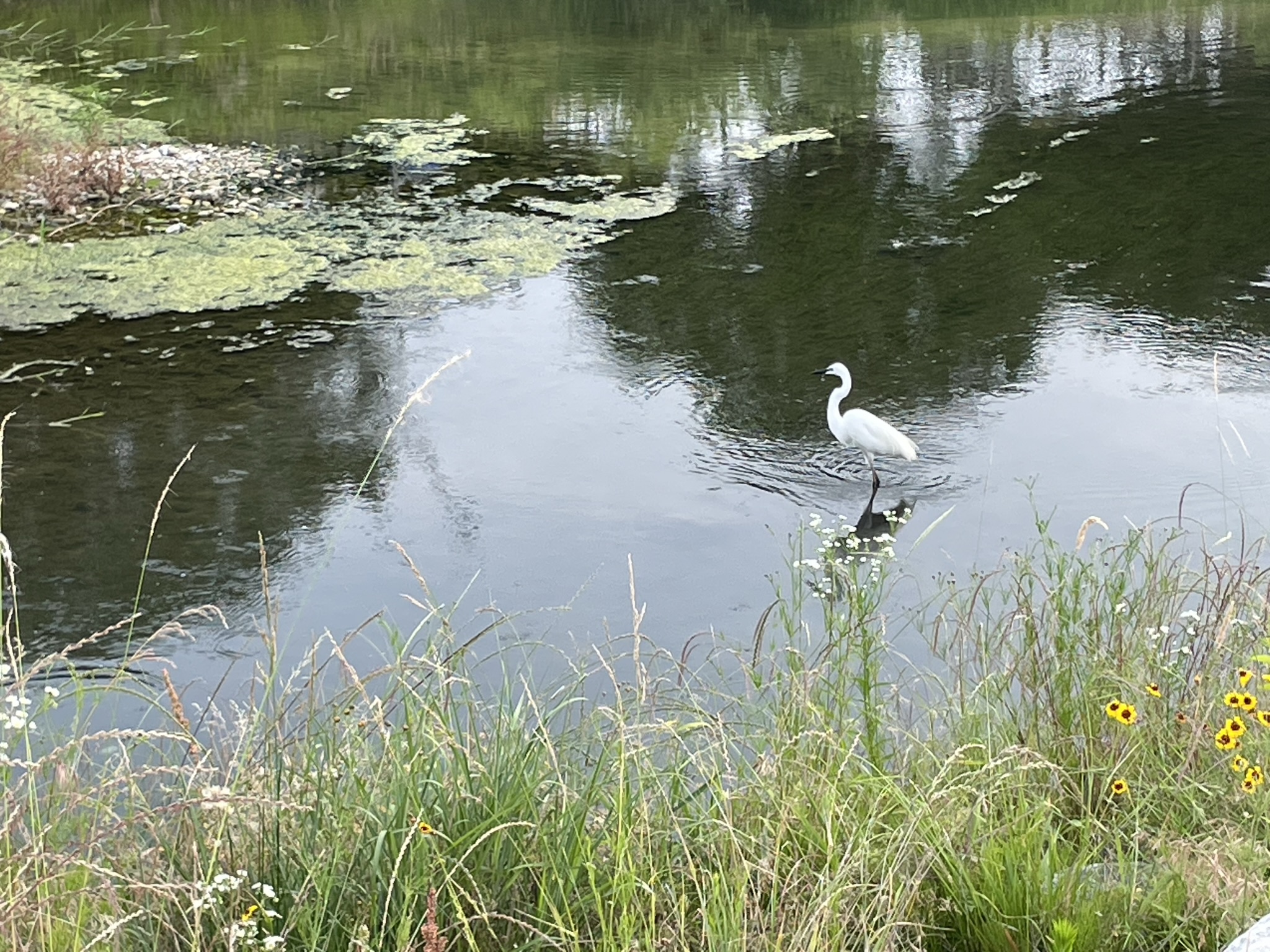
Reservations aside, Jeonju is a nice break. We wandered around the hanok village and surroundings. Wandering a trail along the riverside park, I stumbled onto a produce and small items market along the riverbank one morning, a lively but subdued chatter among customers and vendors with their goods spread out along along blankets and tarps. Down in the shallow stream, cranes and herons waded through the long grasses, while a pair of cormorants hunted and swallows flitted about. Farther ahead, a cadre of senior citizens in yellow vests set about picking up litter. I am not sure if this is a job or a volunteer gig, but either way it shed some light on how seemingly the entire country stays so clean despite the absolute dearth of public bins. As a note, if you find yourself carrying around a handful of garbage, every convenience store has bins inside, just be polite and buy something.
Like Seoul, the museums in Jeonju were high-quality. There is a former royal palace grounds in the hanok village, which were quiet in the morning as we took a slow walk through them. At the back was the Royal Portrait Museum, which was, importantly, included in our admission, so in we went. The starring piece is a silk portrait of King Taejo, the founder of the Joseon dynasty. As we learned in an informative video display, the silk portraits are remade periodically with painstaking care in a multi-step process that includes not only painting the front but also carefully painting through the back of the silk before adding fine details. This likeness of King Taejo is a rarity – of the 27 or so Joseon rulers, no more than 7 portraits have survived the centuries. Jeonju also served as a centre of recordkeeping, and historians penned annals of the various reigns which the ruler, apparently, was not allowed to see. Copies of these annals were made as a precaution, proved wise when an invading Japanese force sought to wipe the historical record clear. Now these historic details remain for scholars and the interested general public. Let that be a lesson to always back up your files.
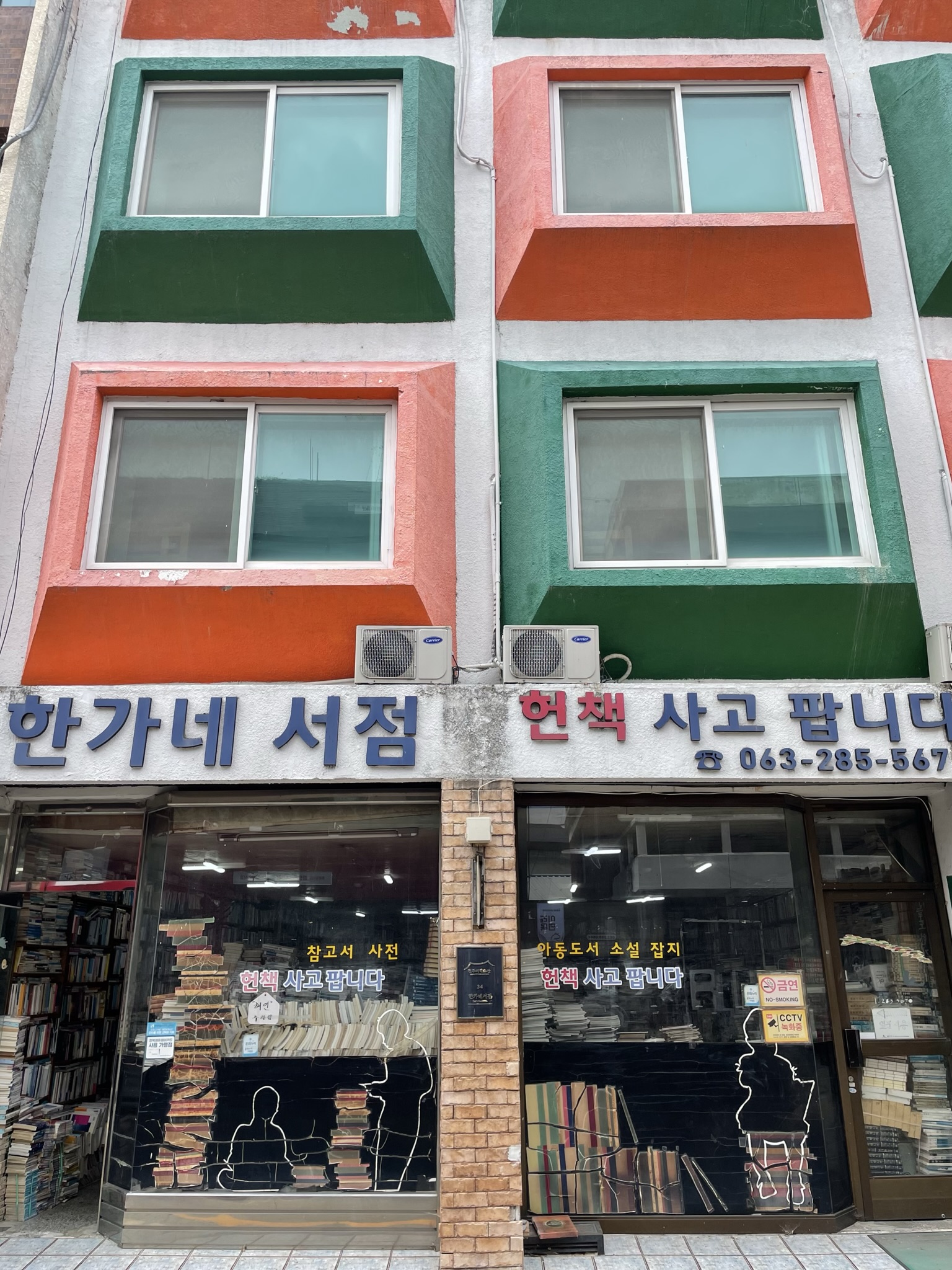
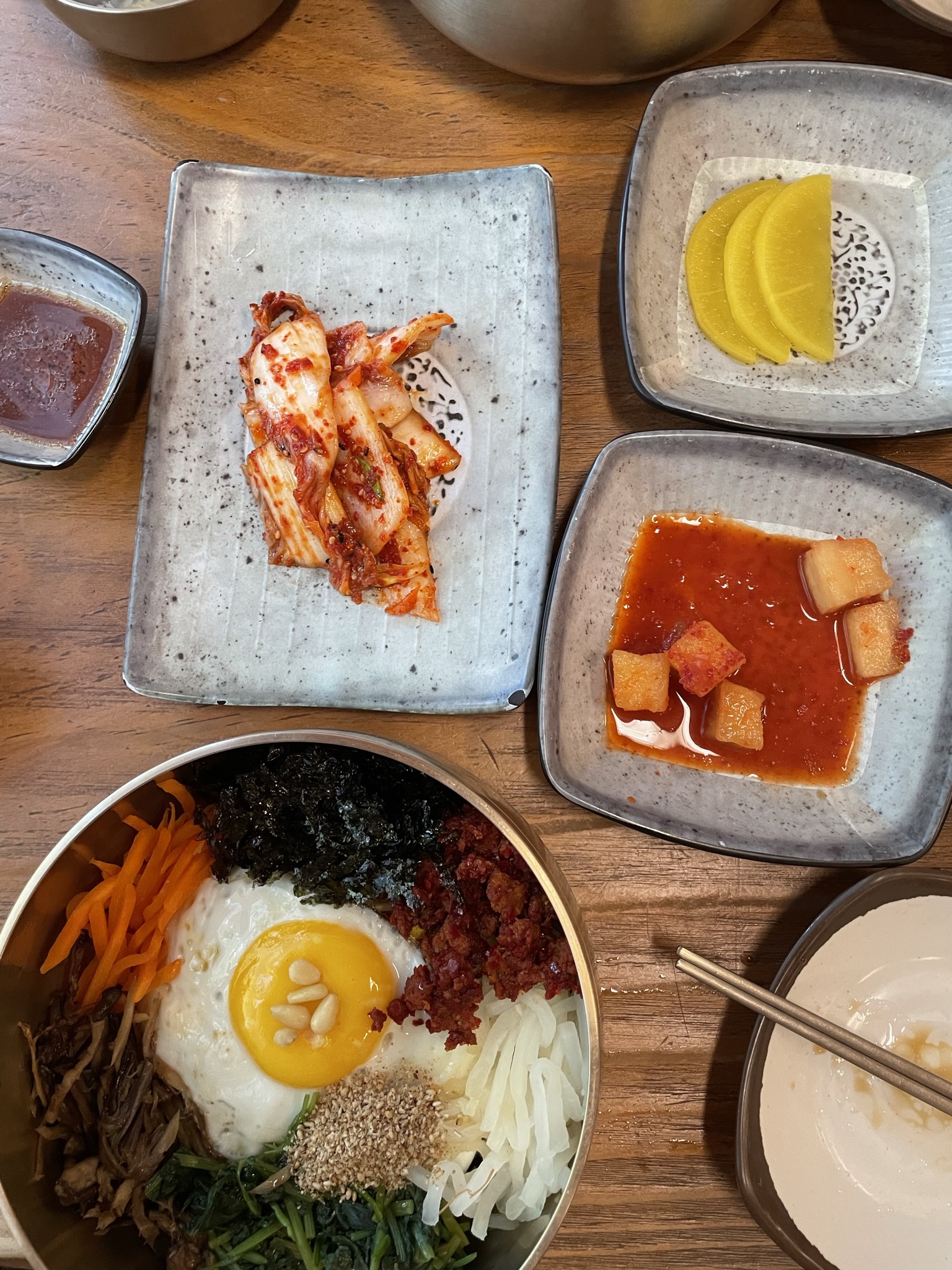
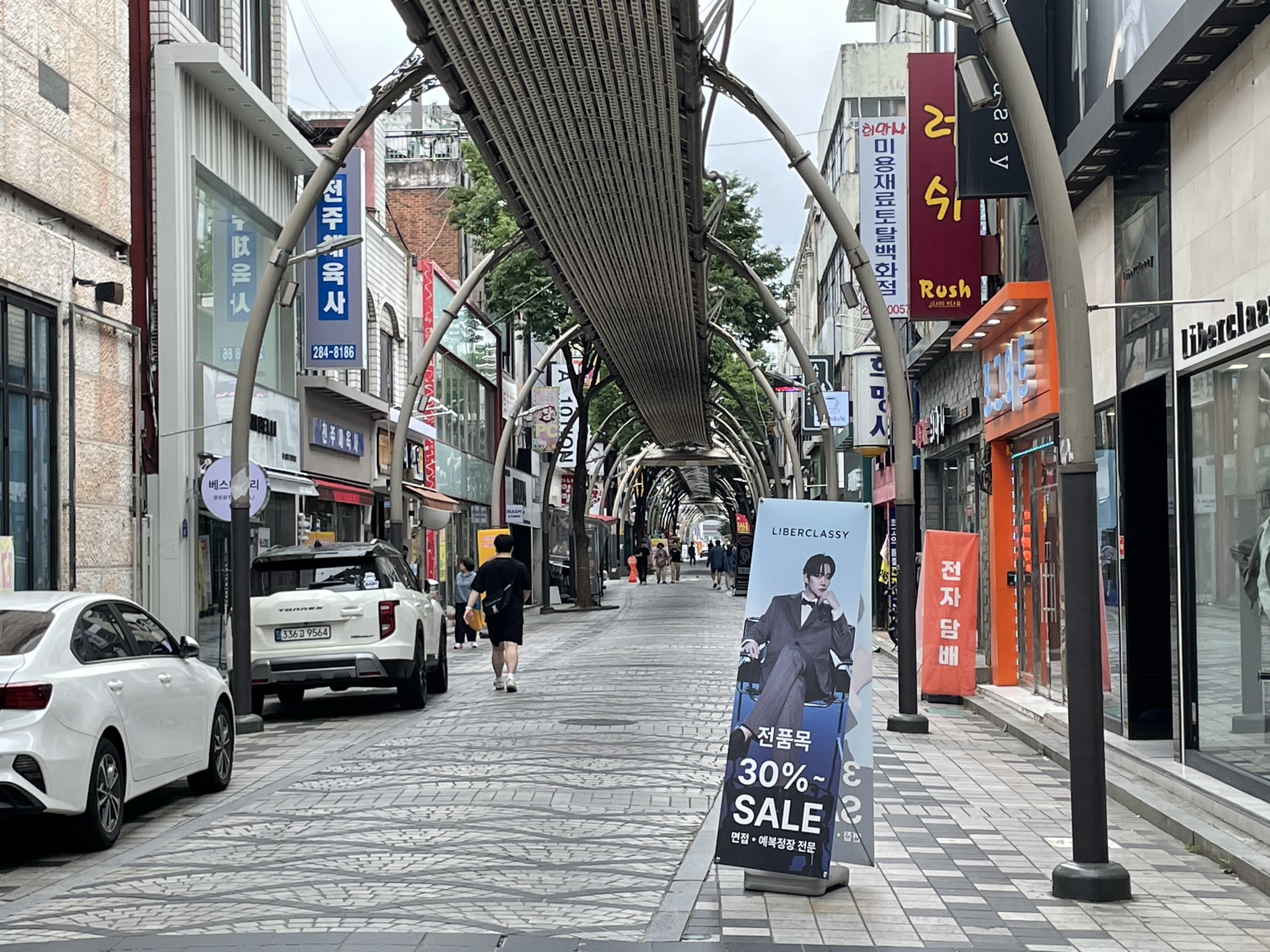
Even with only a few days spent in Jeonju, we quickly tapped out the sites of interest. As a result we found ourselves wandering farther afield into the contemporary city where a grid of streets has been given over to a large interconnected shopping arcade with a mix of local and chain stores. Yes, I went shopping, which may mark the first such voluntary outing on any trip I have ever done. It was interesting to see the smaller scale of Jeonju, to allow ourselves to spend less time shuttling from one place to the next. Instead we were treated to the local bibimbap, a specialty, where the mother-daughter team running the restaurant insisted on helping us mix our bowls before playing with a newborn at the table behind us. It is the same town where we could sit unhurried on a patio of a local brewery listening to the Beach Boys (almost exclusively), the one where we left our luggage on a platform in the middle of an open courtyard for the day while we explored, confident (and correctly so) that it would be safe there. In short, it made for a nice break between the big cities, however before too long it was time to move on to Busan.
 Zak Abroad