It had been over a decade since my first and only trip to Mexico City and I was long overdue for a sequel. True to the Hollywood formula, all the successful elements of that trip – locale, food, people, sights – were dutifully recreated. Like any sequel, new elements like my wife and a proper hotel were added to the mix – no more noisy hostel beds for me. Instead, our operating base shifted away from the Zocalo, Mexico City’s massive central square, west down the length of Calle Madero, the always bustling axis of the Centro Historico, to a recently restored historic hotel a block from the Alameda Central, where the fading purple blossoms on the jacarandas told of spring’s end.
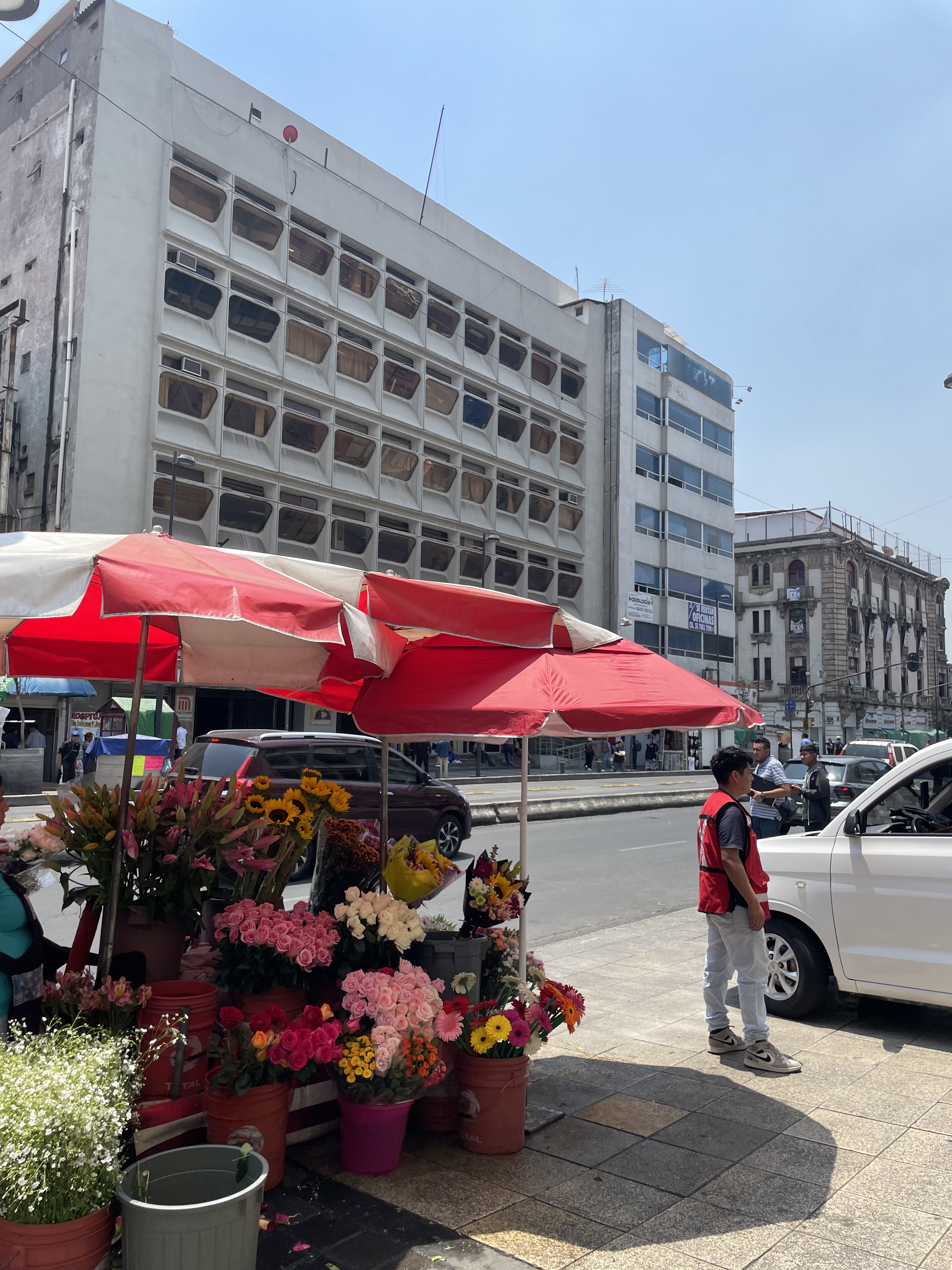
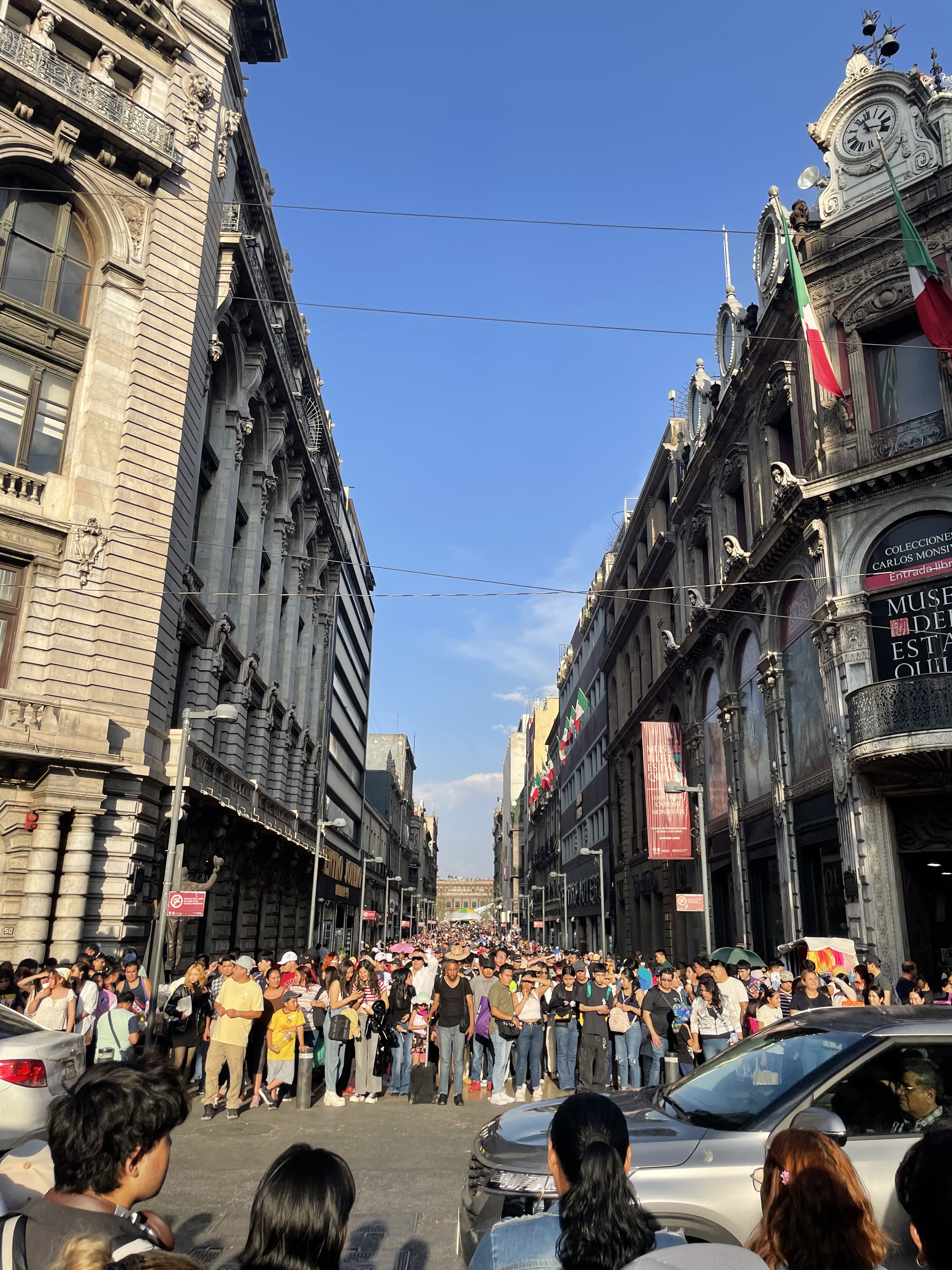

Calle Madero and the Alameda Central are suitably emblematic of Mexico City’s unending bustle. Pedestrians make their way on foot, the smarter ones holding on to a helado to ward off the heat, dodging one another while sidestepping the industrious army of vendors set up on blankets strewn with small goods or stationed behind folding tables. Others like the organ grinders stand, their harmoniums cranking out perpetually out-of-tune classics while these khaki-clad men circulate with a hat upturned, seeking a tip. It was never clear to me if the tip was to continue or stop the discordant music. In this sense, the heart of the city is an appropriate modern heir to Tenochtitlan, the Aztec’s island capital, set in the Valley of Mexico, a central trading hub connected via radiating causeways to a vast hinterland. Centuries after its founding and the Spanish conquest, urban life continues unbroken here.
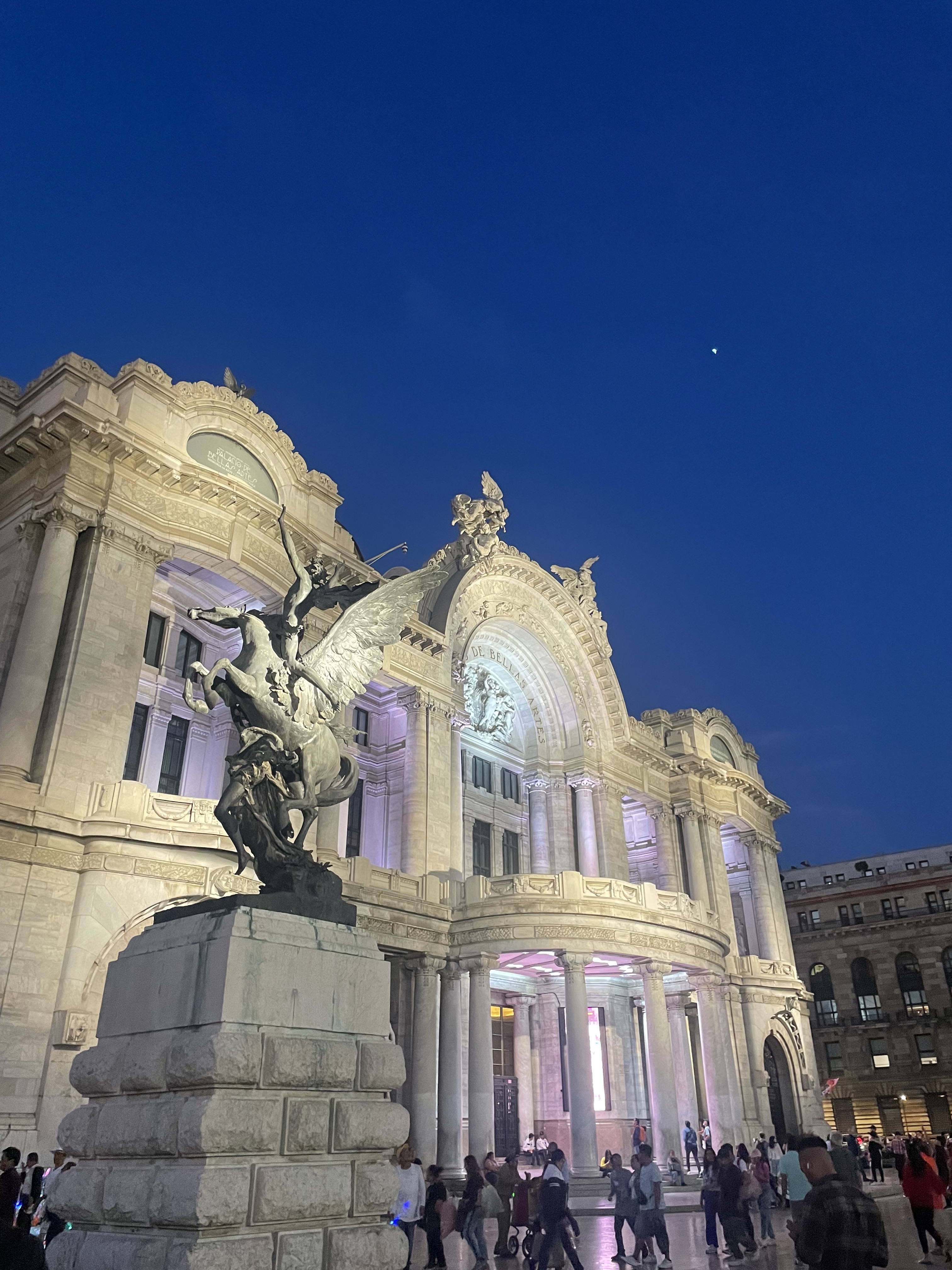
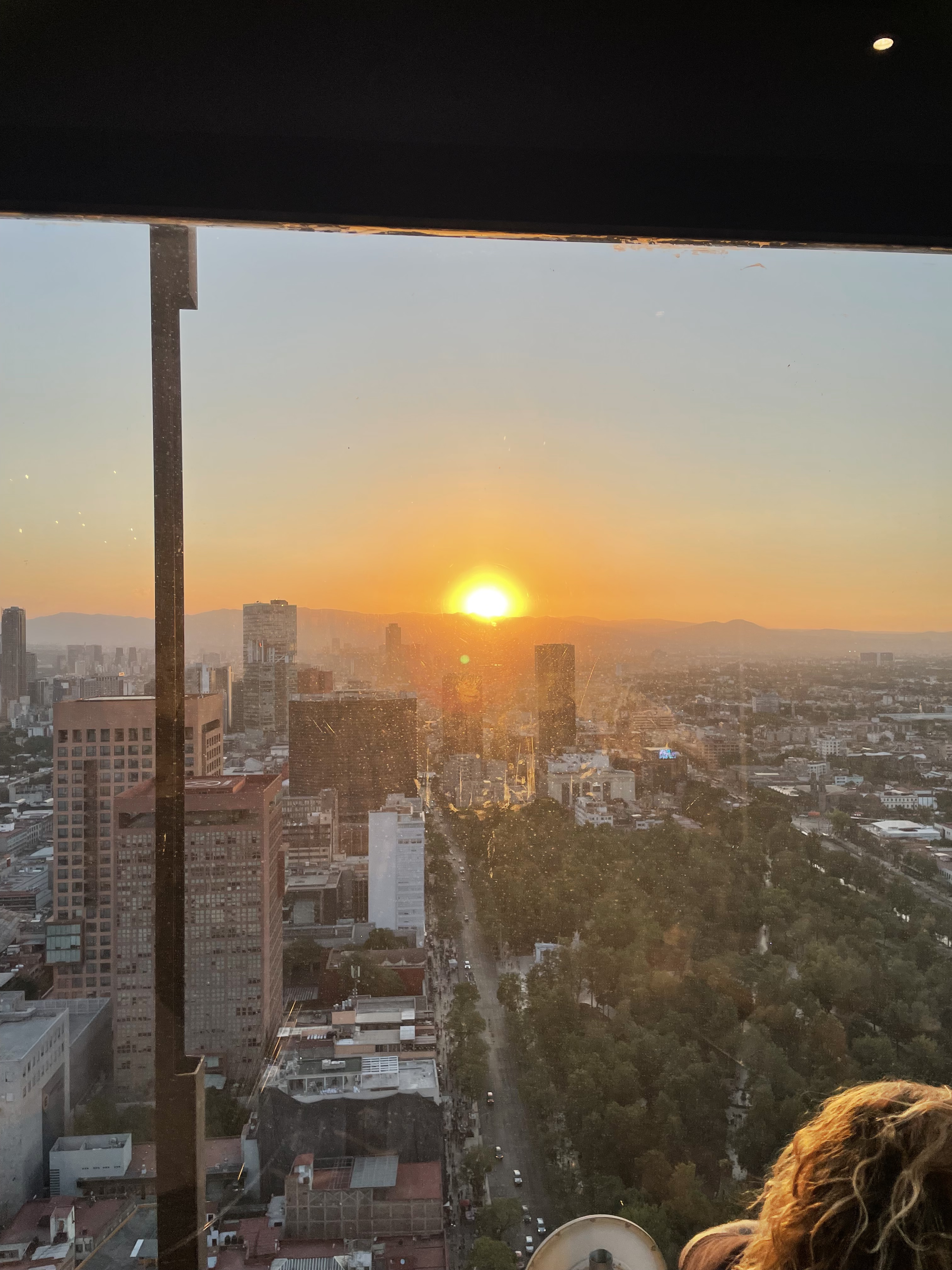
Valley of Mexico is a misnomer, in truth the city rests in a broad, flat basin, with too little water in, no rivers or other natural drainage, dried lakes, and stagnating pollution at a high elevation. All this in the midst of a robust seismic zone, attested to by official guidance posted in every building telling one how to behave in case of sismos. The mountains remain just in view, the hazy edge of this urban world. We took this in over drinks at Nivel 41, atop the Torre Latinoamerica, for decades the tallest building in Latin America, watching the sun drop down over the sprawl and the skyscrapers. Below, the glorious Palacio de Bellas Artes anchors the Alameda Central, an eruption of Art Nouveau and Art Deco rendered in marble, its colourful dome matching the dropping sun. Inside, we took in a show of Impressionists coordinated with the Dallas Art Museum, wherein I learned that the search for authenticity predates aging Millennials, going at least as far back as Paul Serusier’s rendering of Brittany, pure and untouched by late Victorian modernism.


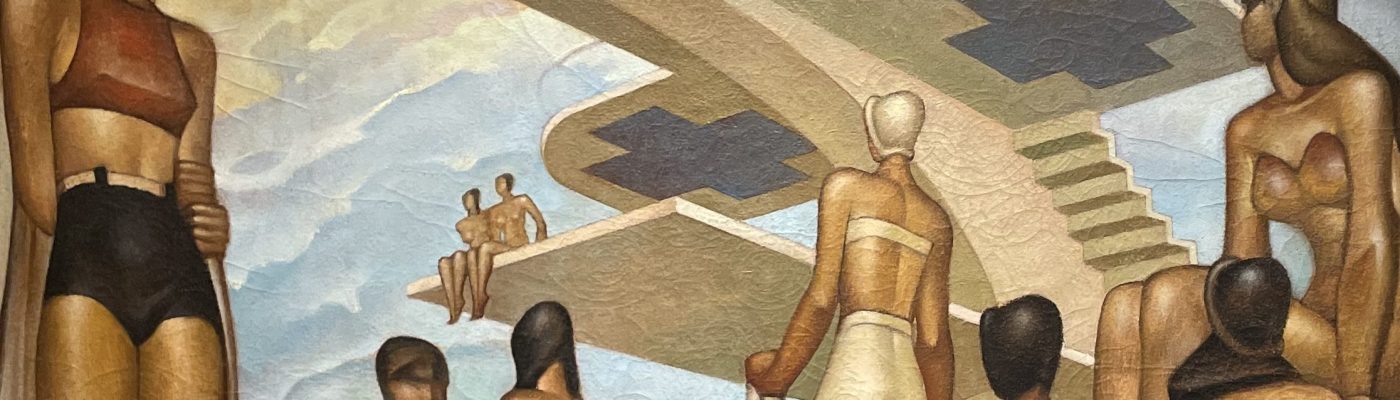
Adorning the interior walls of the Palacio de Bellas Artes are murals from the leading lights of the Mexican movement of the 1920s and 30s – Diego Rivera, David Alfaro Siqueiros, and Jose Clemente Orozco, among others. The politics are upfront, with clear messages borne from the post-revolutionary era, when Mexico was seemingly redefining its identity. We took lunch in the bright dining hall inside, a mobile half-height coat track brought tableside for the convenience of Hannah’s purse. With some practice, we learned to unselfconsciously wave down waiters, who seem to operate on a platoon system. From the double-height windows, we enjoyed a view down the Alameda Central. Its far western edge, appropriately, is home to a small museum dedicated to another Diego Rivera mural, “Dream of a Sunday Afternoon on the Alameda Central”. Mercifully the museum includes a who’s who guide for those of us without a working knowledge of Mexican historical figures and archetypes.
At the western end of Calle Madero is the Zocalo, the enormous central square that somehow still manages to have an outsized Mexican flag, all framed by important civic buildings like the Metropolitan Cathedral and Palacio Nacional. These edifices symbolizing the joint power of, respectively, church and state, were built atop the razed temples of the Aztecs, at times with the very same stones. This was an intentional effort, unmistakably setting the tone for power dynamics between the Old and New Worlds. It is further attested to a short walk north of the Zocalo, at the open-air museum/grave of the Templo Mayor, the one-time centre of the Aztec spiritual and political world. Hernan Cortes, the plucky, ruthless, and politcally-savvy Spaniard who led the unauthorized conquest, arrived here up a causeway from the south, the culmination of a months-long journey to meet Moctezuma. Today the causeway and the lake are lost to urban development, buried under stone and concrete. Cortes himself, after a peripatetic journey, lies near this fracture of before and after, his bones entombed in the inconspicuous Parish of Jesus of Nazareth and the Immaculate Conception. There is no fanfare, just a small marker set in the plain whitewashed wall. It is a missed opportunity for conversation and debate about his problematic but lasting legacy.
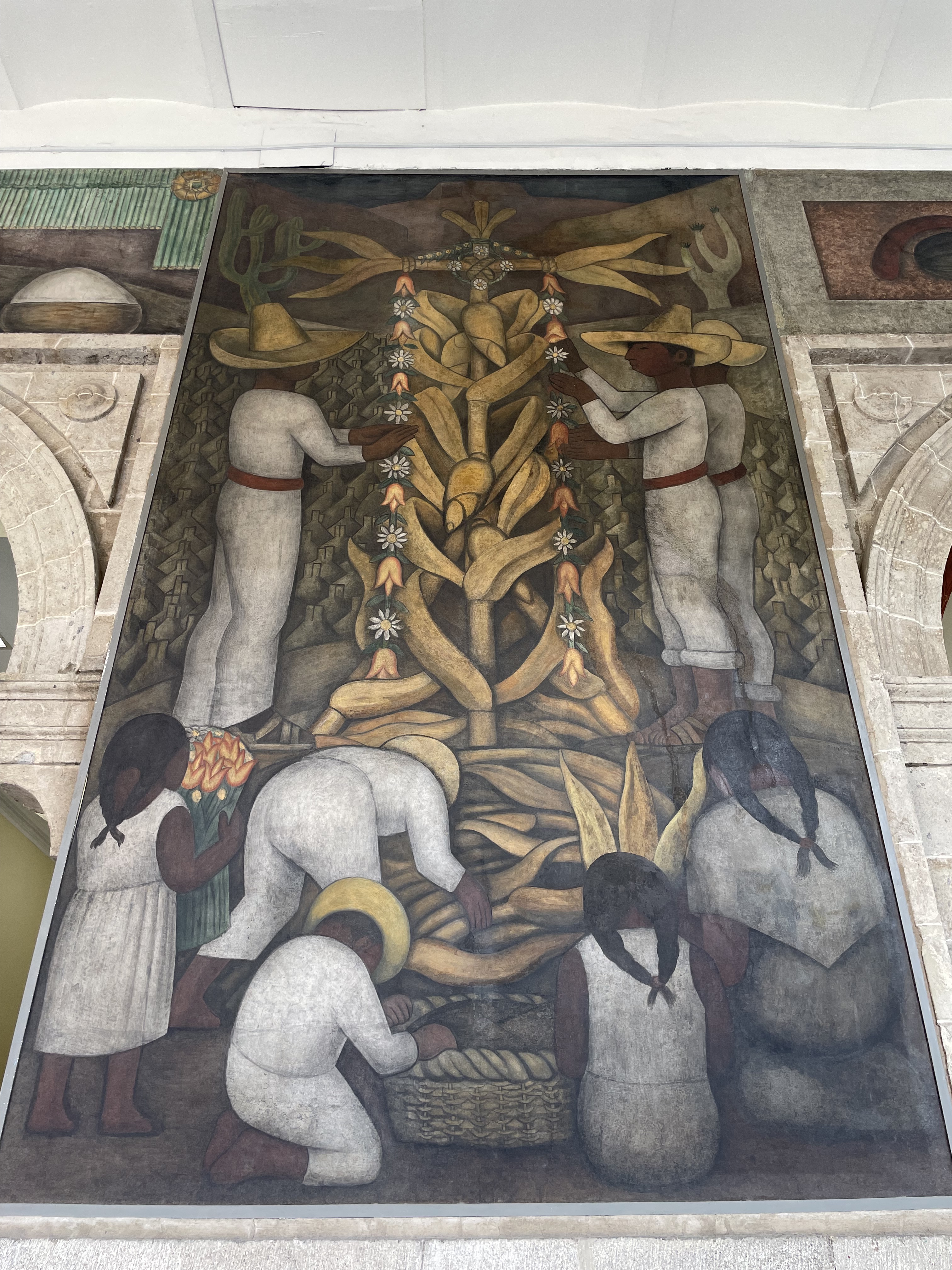
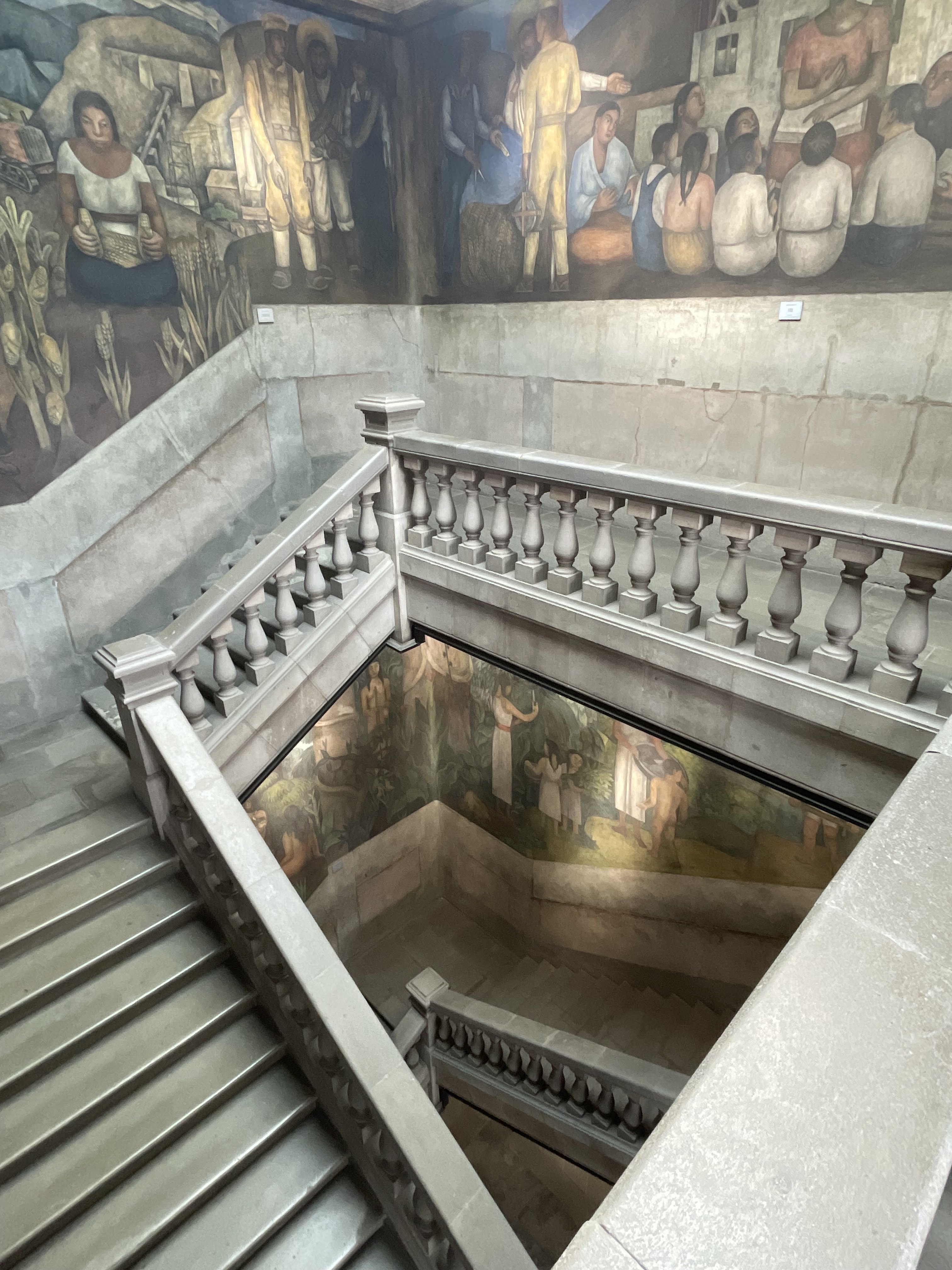
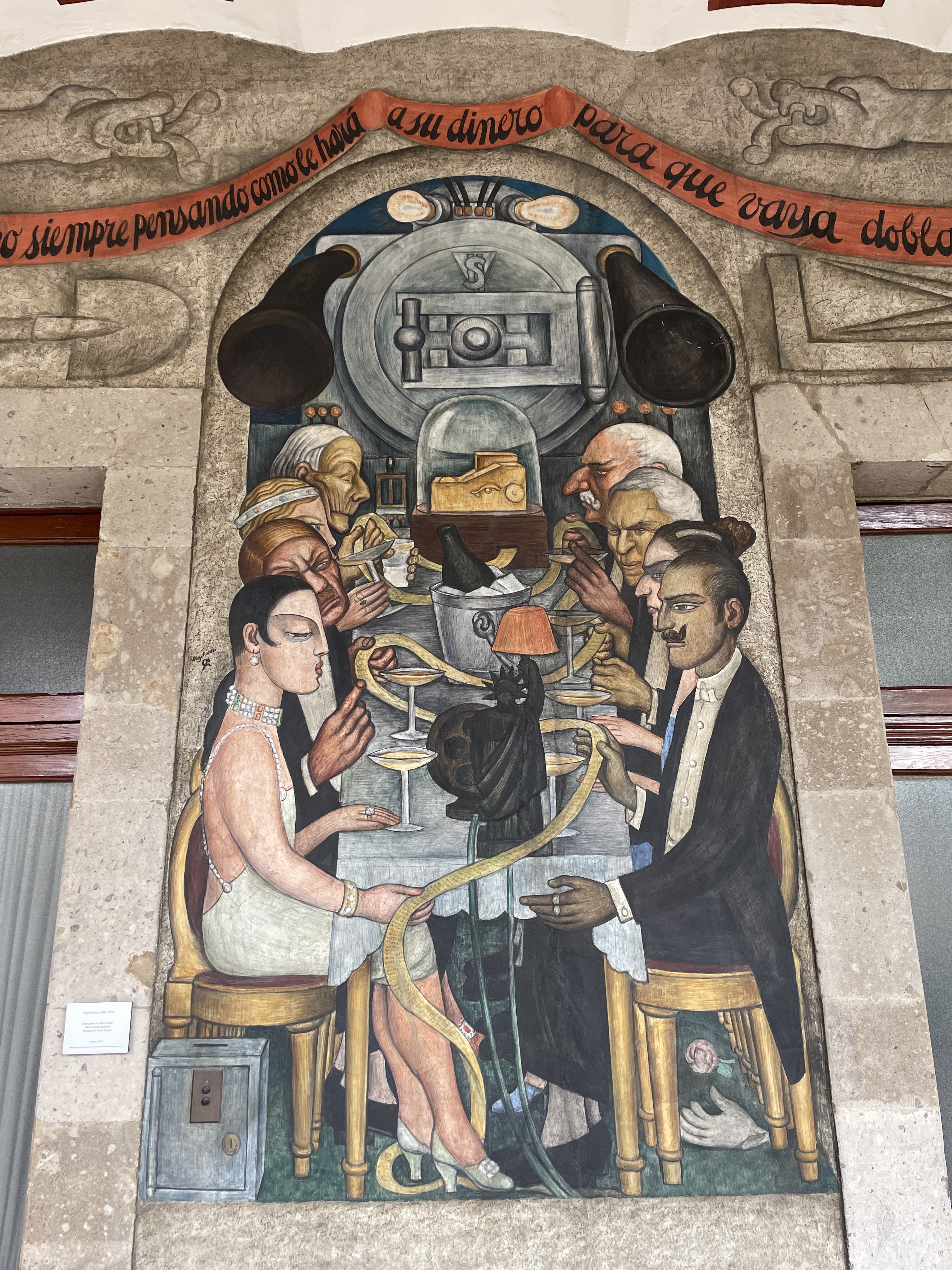
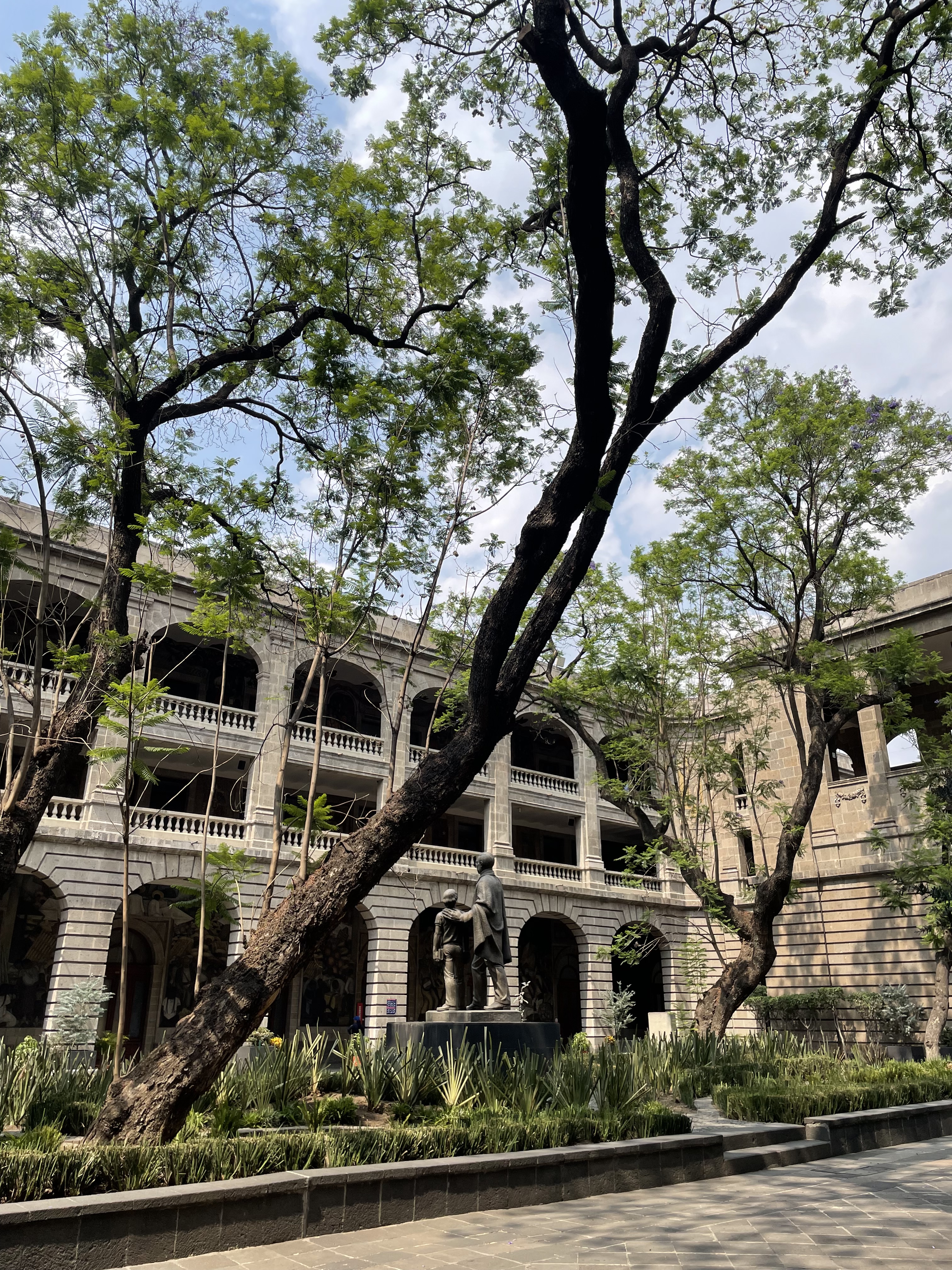
The Palacio Nacional, seat of the Mexican government, holds more examples of the Mexican muralist movement, offered on free but limited tours. Our timing was off, and in consolation we wandered a short walk north to the sprawling Secretariat of Education complex. The federal ministry serves double duty as host to the Living Museum of Muralism, a newer addition to the crowded pantheon of mural museums in Mexico City. This space excels, with thoughtful curation woven between three floors of last century’s murals. Diego Rivera is front and center, his works flowing over doorways and arches from one wall to the next. It is a strong testament to the power of the visual medium to share and to frame a worldview, a democratization of symbols and stories open to anyone who can see them. It is not a subtle message, but neither are the tweets and memes of today which disseminate with such speed.

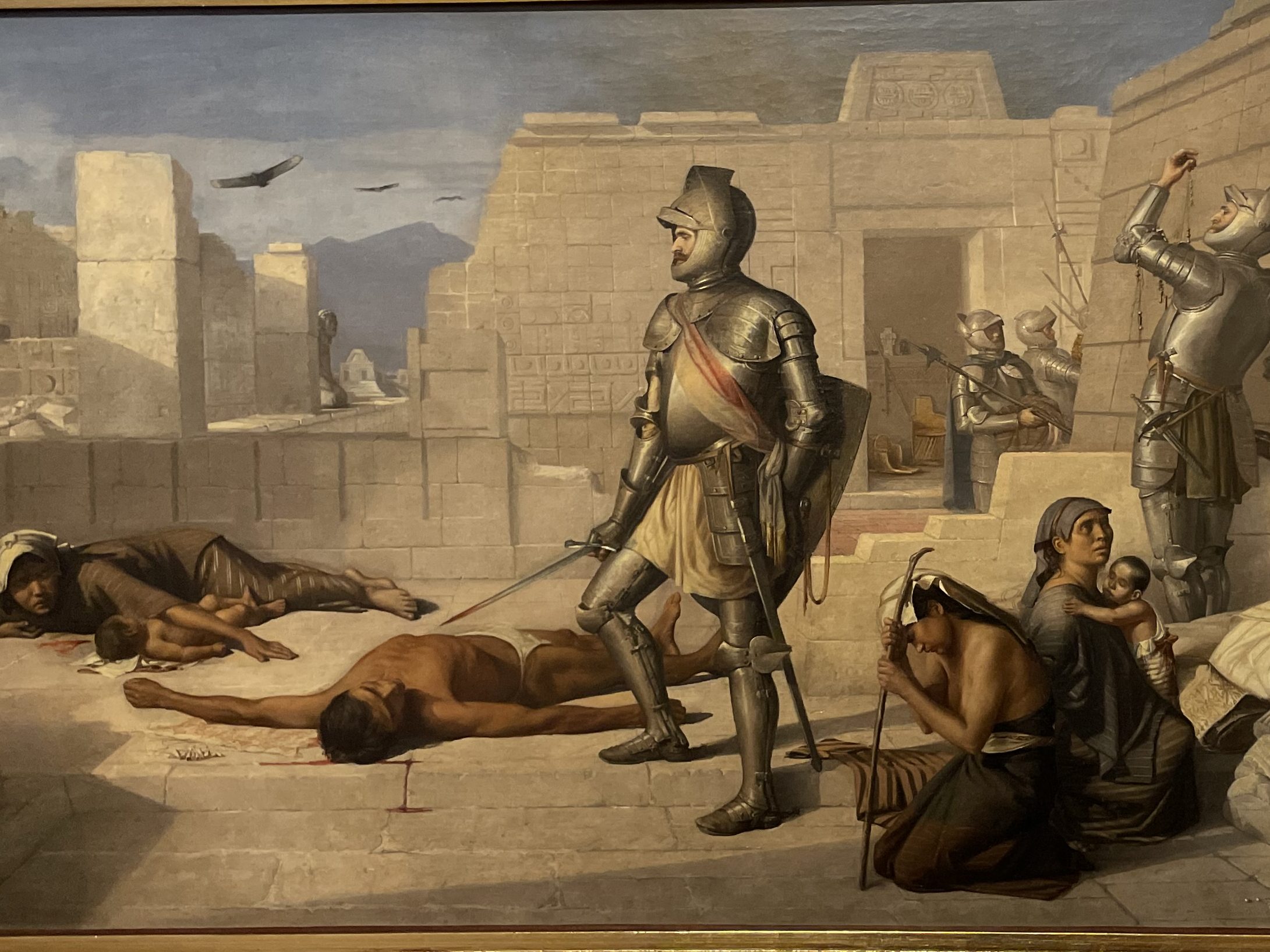
In a similar vein, the National Museum of Art resides in a grandiose former secretariat building, its graceful twisting central staircase, to my chagrin, a minefield of selfie-takers and photo posers. I arrived fully ignorant, save the muralists, of Mexico’s art history and it was refreshing, challenging, and invigorating to see five centuries collected and laid out, room by room. The first half, a series of religious art, has never been for me. There is a period in the late 1800s, under the reign of Porfirio Diaz, when there is a clear discussion of Mexican history and identity, dramatic landscapes of the country’s upland mountains paired with scene real or imagined from history, such as the torture of Cuauhtémoc or the Conquest of the Aztecs. These are rendered expertly by many, though my standouts were Jose Maria Velasco and Luis Coto.
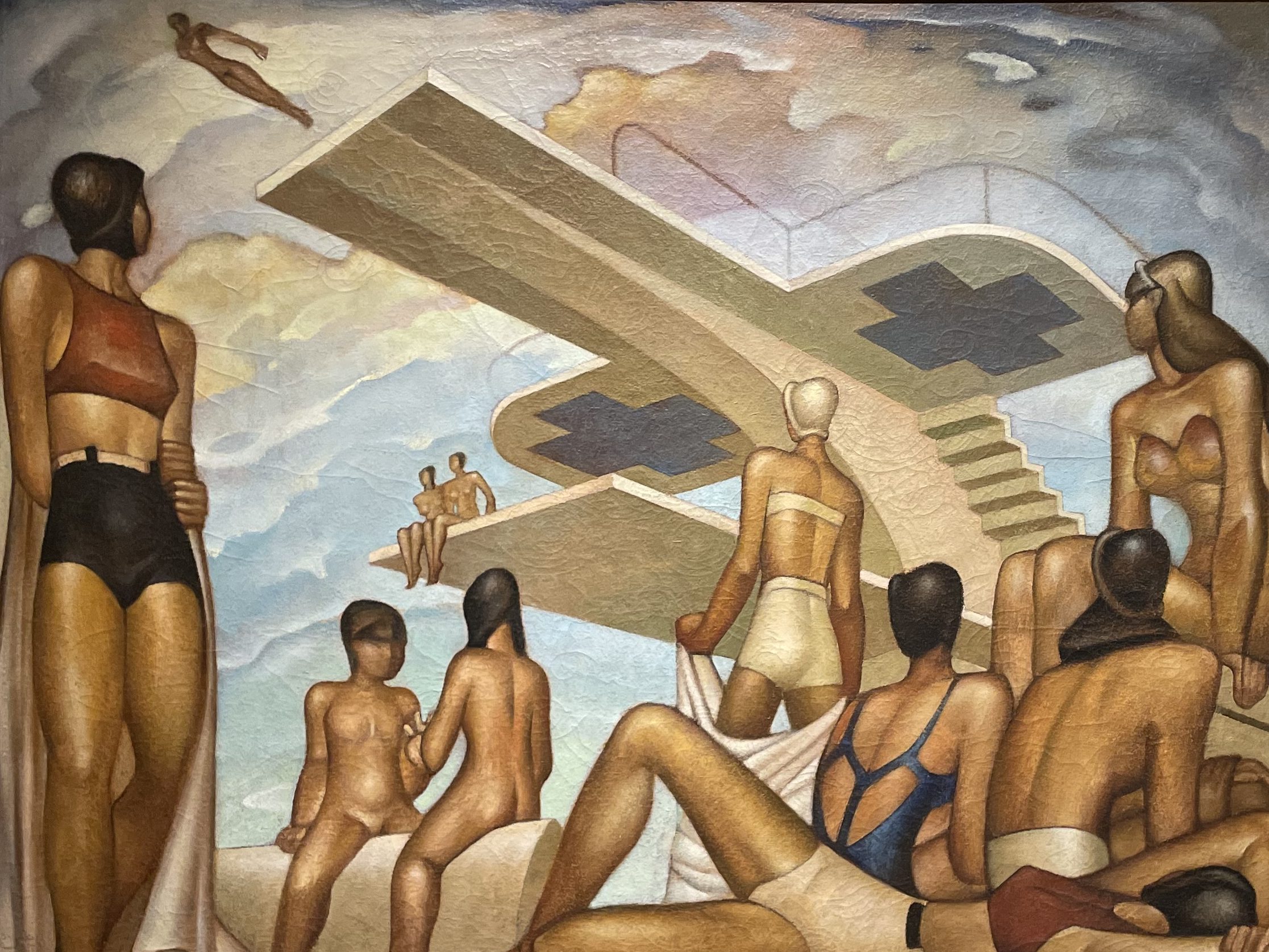
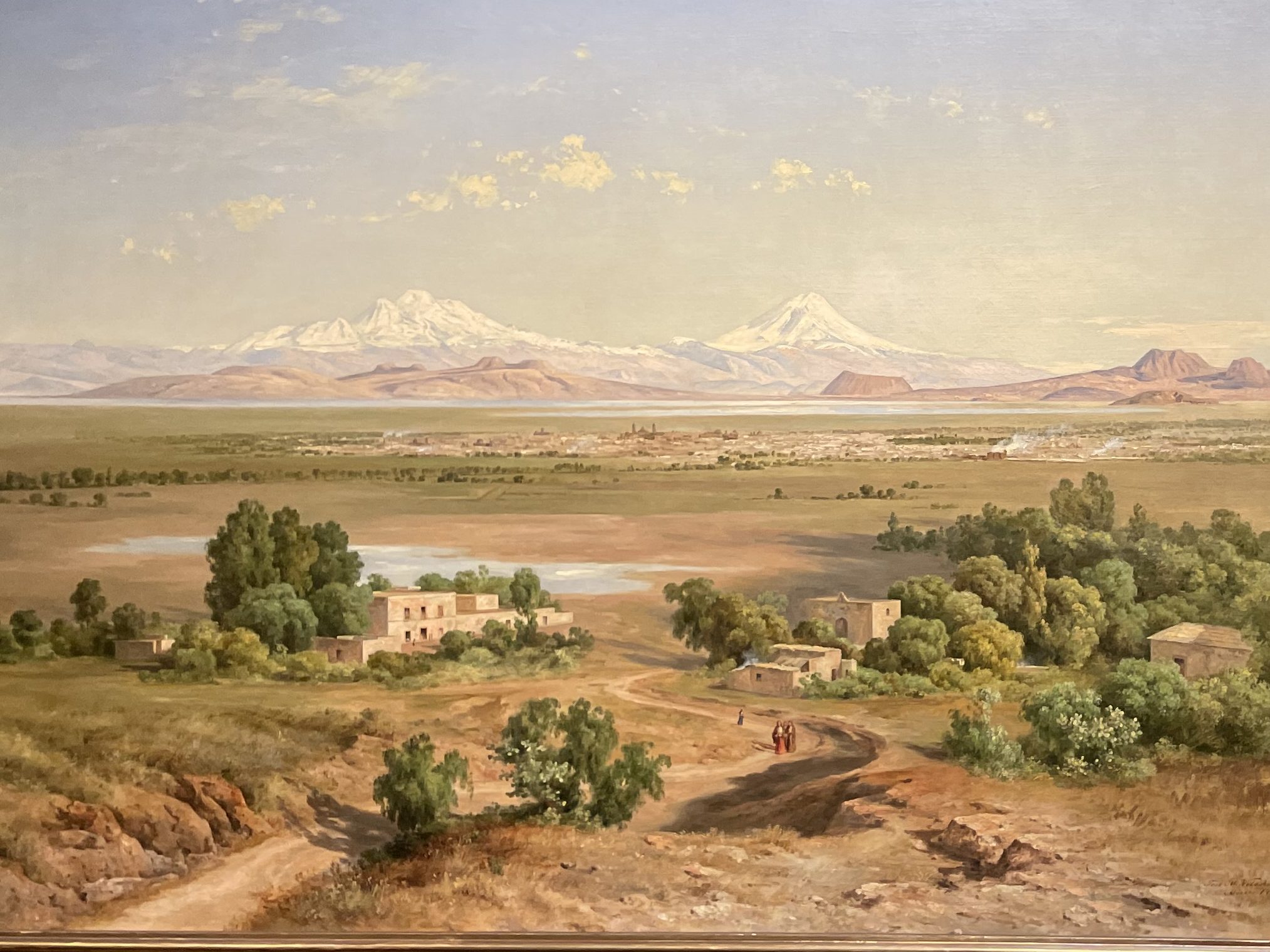
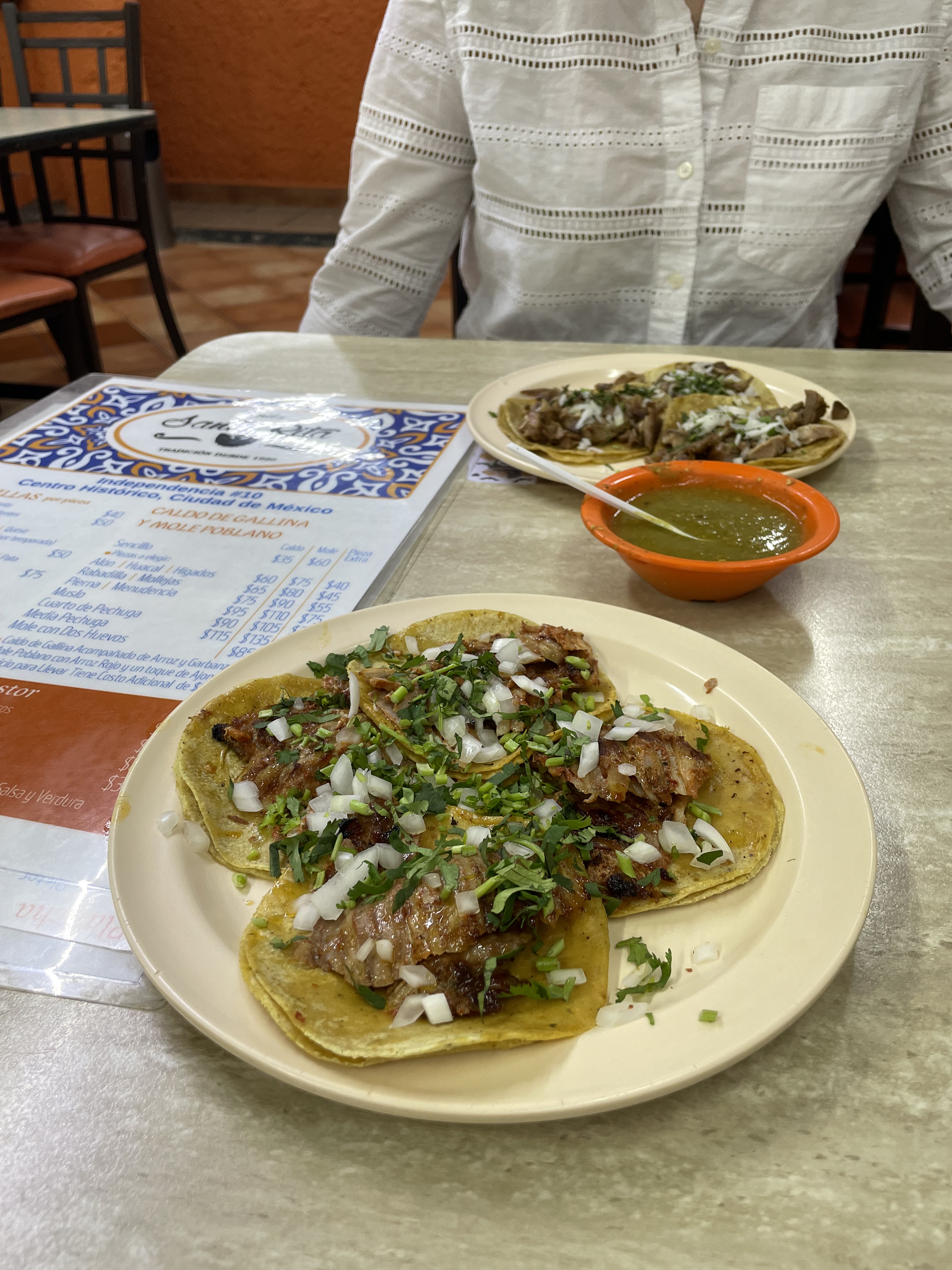
Beyond the muralists, the 20th century works stand out like a flowering of ideas and styles. I was struck by works like Jorge Gonzalez Camarena’s Las Banistas (“The Bathers”), which manages to be both decadent and vaguely threatening. There is a common thread in each artist biography from this century, namely that regardless of where they were born, they lived out their lives in Mexico City. The burgeoning capital was the cultural and economic engine of the country, witness to booming population filling out the so-called valley, ringed by volcanoes, with Jose Villegas’ “horizontal vertigo”. The legacy of this massive shift from countryside to capital is a city flush with busy pavements and vibrant neighbourhoods, a palpable energy of hustle and possibility. This is as tangible in the art museums as in the small taquerias and cantinas hidden off the main streets, and make the sense of discovery here so rich.
Next stops: Teotihuacan, Taxco and more
 Zak Abroad
Sounds like an amazing trip. I have always enjoyed your writing, son. Looking forward to the sequels! – Love, Dad
I love the murals, and the tacos want me to go down to my favorite taqueria tomorrow for lunch.
How was the public transport? I’m sure you checked that out thoroughly