
Ian and I met at Heathrow, the same airport we began way back in 2002 on what was my first trip outside of North America. Fresh high school graduates, we were part of a group of five backpackers spending a month in Europe. Ian and I enjoyed it enough to make another two-man trip across the pond in 2004. Twenty years on, with spouses, careers, mortgages, and (for Ian) kids, we were back in London to begin a new journey. This time the itinerary would be based around World War II, a subject area of limited interest to our respective wives. My memories of my first (and only) time in London are vague, overwhelmed by the novelty of independent travel, an utter inability to fully, properly research what to see and do, and a vicious case of jetlag. I resolved to do better this time around in the British capitol.
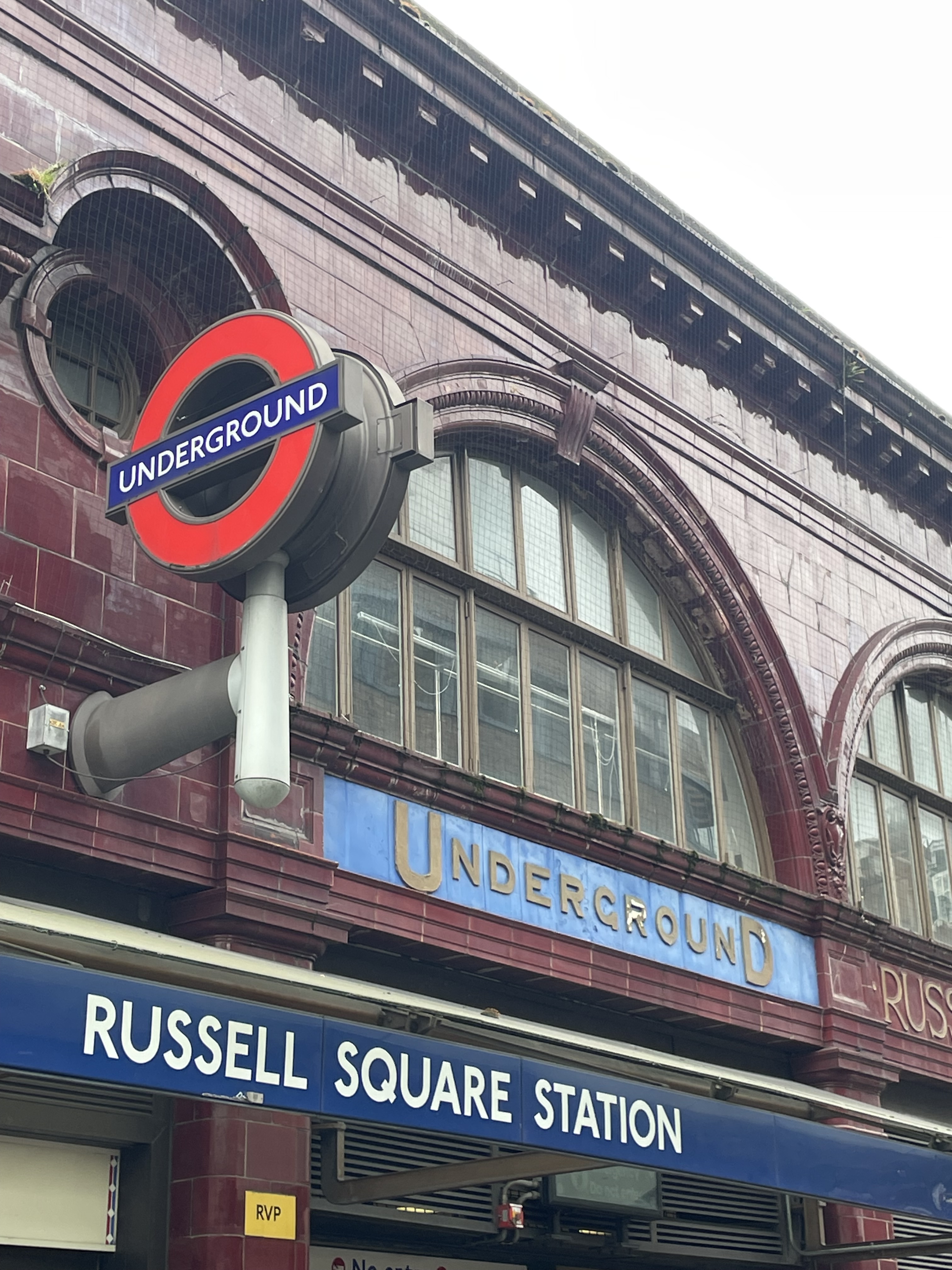
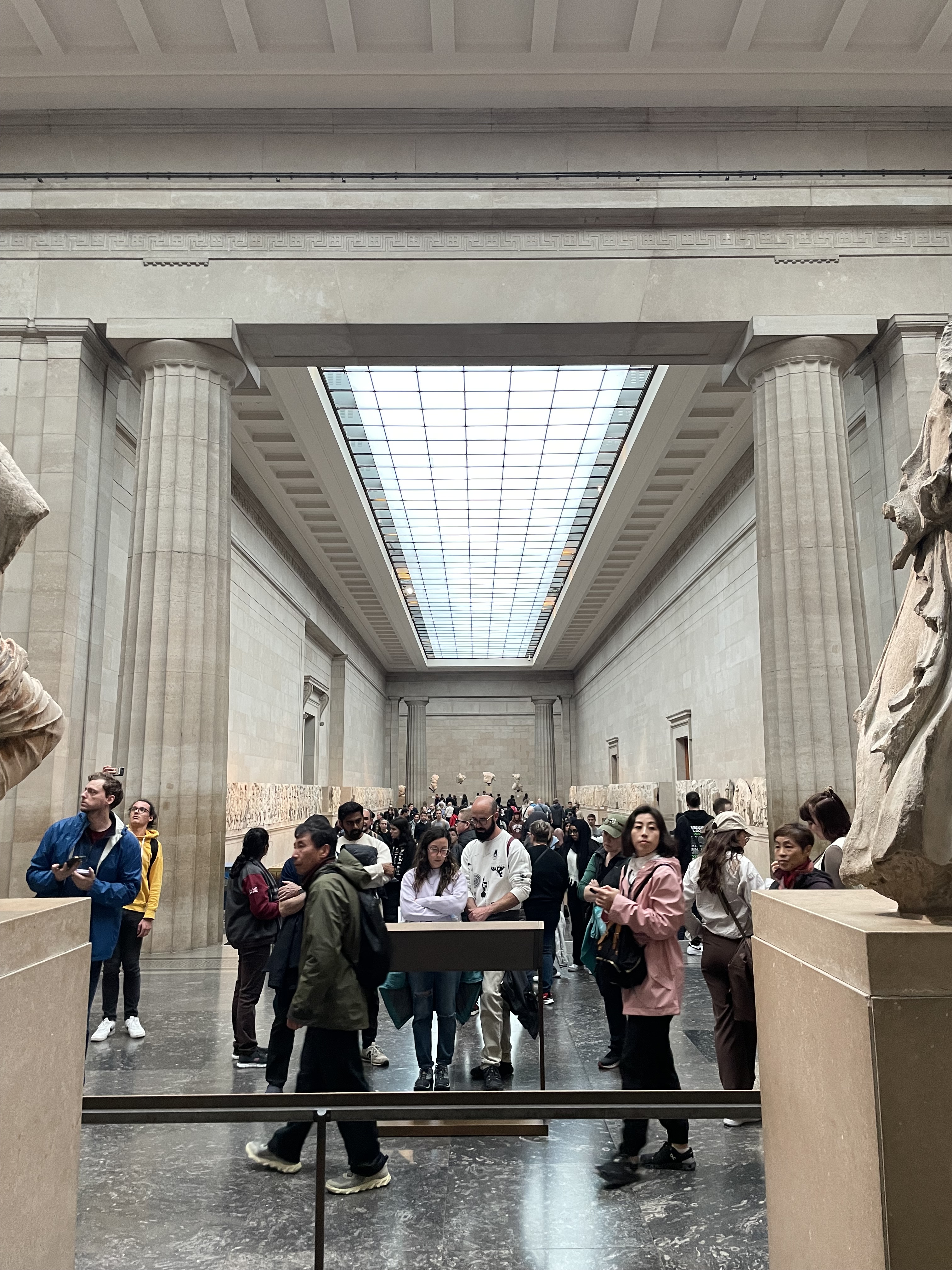
With that in mind, we hit the ground running upon arrival, making great time to London’s centre on the Elizabeth Line, a beautiful recent example of how transport infrastructure should be done. Compared to 20 years ago, pre-booked tickets seem to be a necessity, so we hastily put our phones into action and reduced our wait time to just 15 minutes before passing through the doors of the British Museum. The grand space is alive with people moving in all directions, clustering around the most famous artifacts appropriated to England during centuries of colonization. The Rosetta Stone is remarkable to see, in spite of the Mona Lisa-esque horde of photo snappers. A few chambers down are the Elgin marbles, a vague name used to refer not to the Parthenon, from which these decorative friezes and pediments were taken, but rather to the man responsible for taking them from Athens. The display information around the museum halls doesn’t dwell on the sourcing of the exhibitions, and the main text you’ll see as a visitor are the pleas for donations to a museum that runs without an entrance fee.


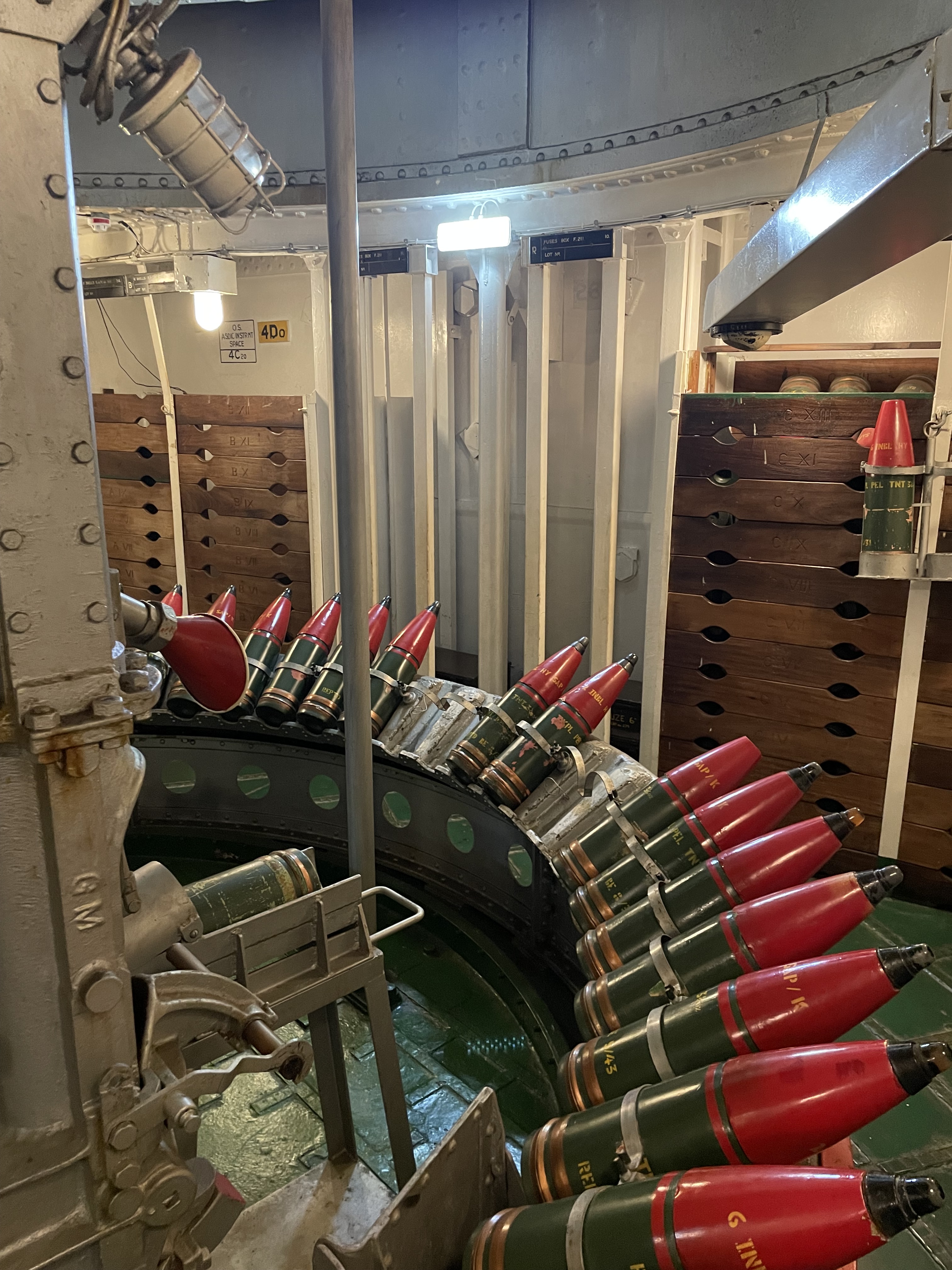
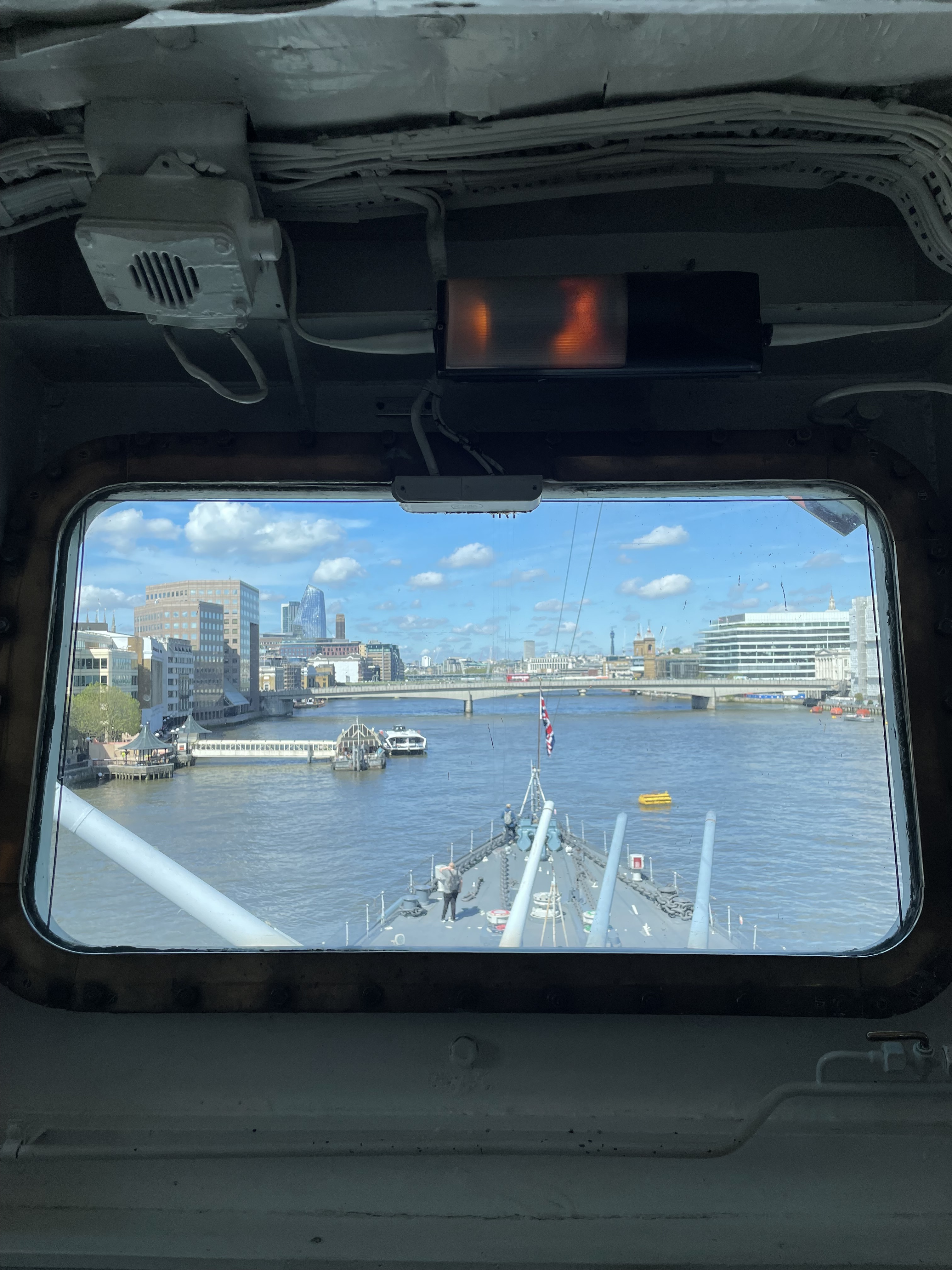
Not so, however, for the various war museums around London. True to our WWII theme, our second morning was spent aboard the HMS Belfast, a Royal Navy museum ship now moored on the right bank of the Thames. Eighty years ago, this cruiser sat offshore of Normandy, one ship in an armada of thousands taking part in Operation Neptune and D-Day. The guns of the Belfast could range as far as 22 kilometres inland, pounding away at Nazi targets as Allied soldiers made their way ashore. It is one of the few ships preserved from those times, a floating monument of low ceilings, tight bulkheads, steep ladders, and deck cleats conspiring for a host of OSHA violations. From here, we walked across London and over the Thames, past Westminster, to the Churchill War Rooms, the underground nerve centre of British leadership during the Battle of Britain. While the focus on Winston Churchill, irascible and quotable as ever, was interesting, the displays left out some of the broader context on the war. I also felt far more appreciative of the above-ground views of Surrey from my office at home.
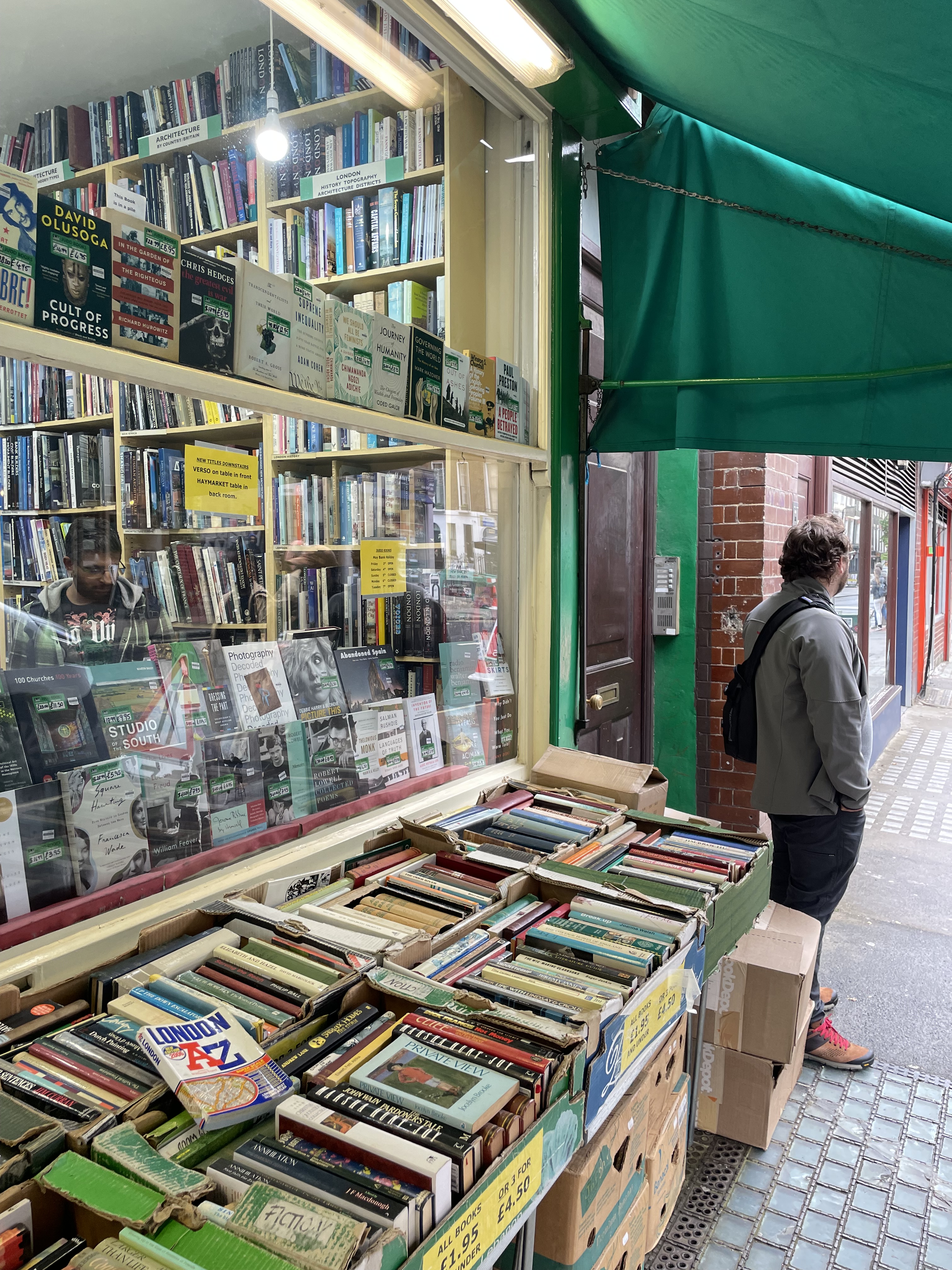
Leaving the War Rooms, we made our way on foot back to our hotel. Along the way I shook the dust off my old memories as we passed by Buckingham Palace, through St. James Park, and onward via Trafalgar Square to Soho and Covent Garden. A personal highlight for me was a long-awaited visit to Stanfords, a book store that specializes in travel books and maps. Nearing our hotel by St. Pancras and Kings Cross stations, we tucked into a pub for dinner. One of the better developments in the UK seems to be the diversification of food choices – Indian food of course, but we also enjoyed tapas over a couple pints. By contrast, we had a traditional full English breakfast, a filling if overhyped affair where the most memorable part was our affable, forgetful server who mixed orders, forgot to bring tea, and returned with follow-up questions, all while bustling non-stop around the tables and keeping a running monologue of his day going. Charming once, yes, but not enough to merit a repeat visit
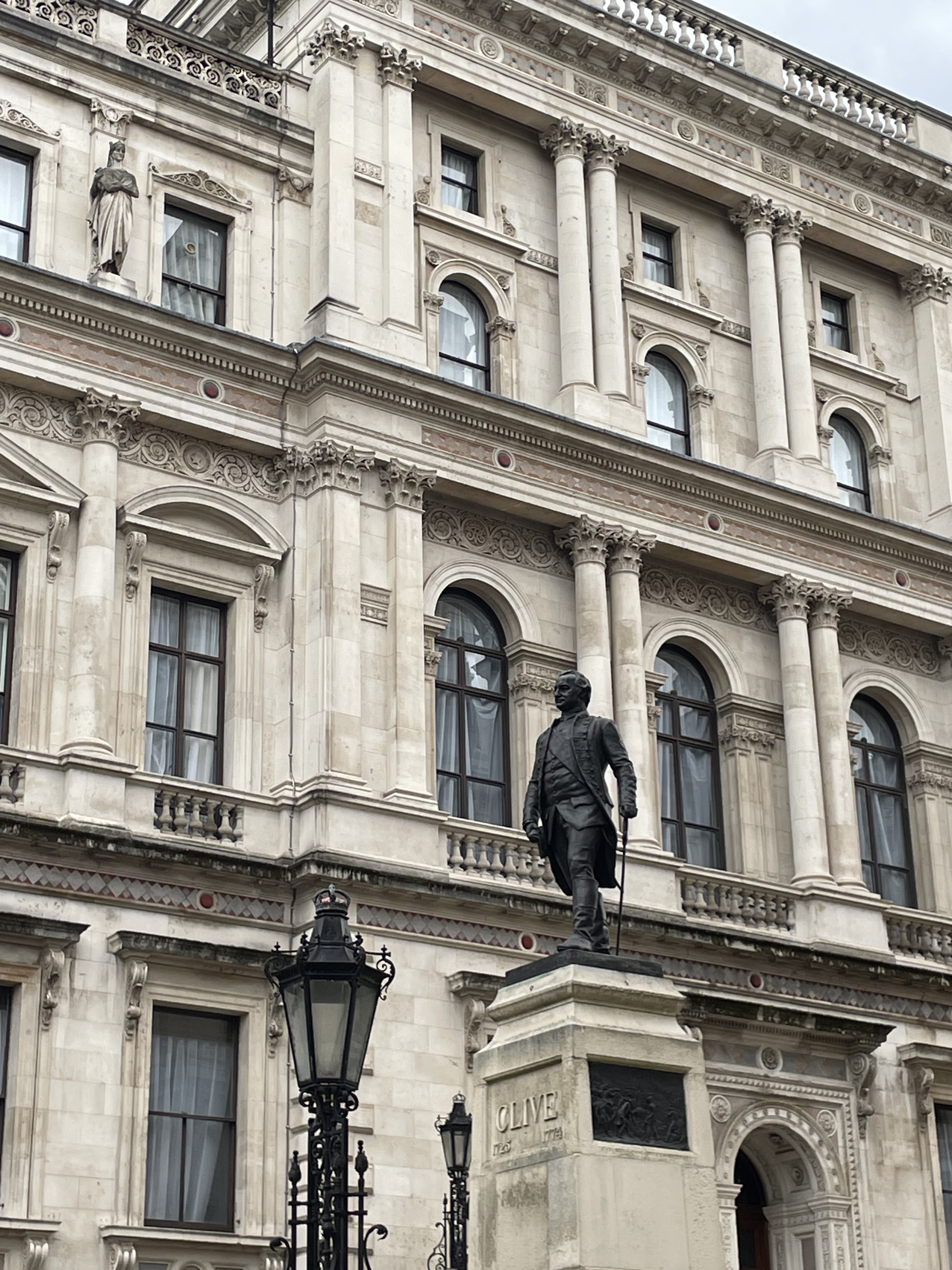
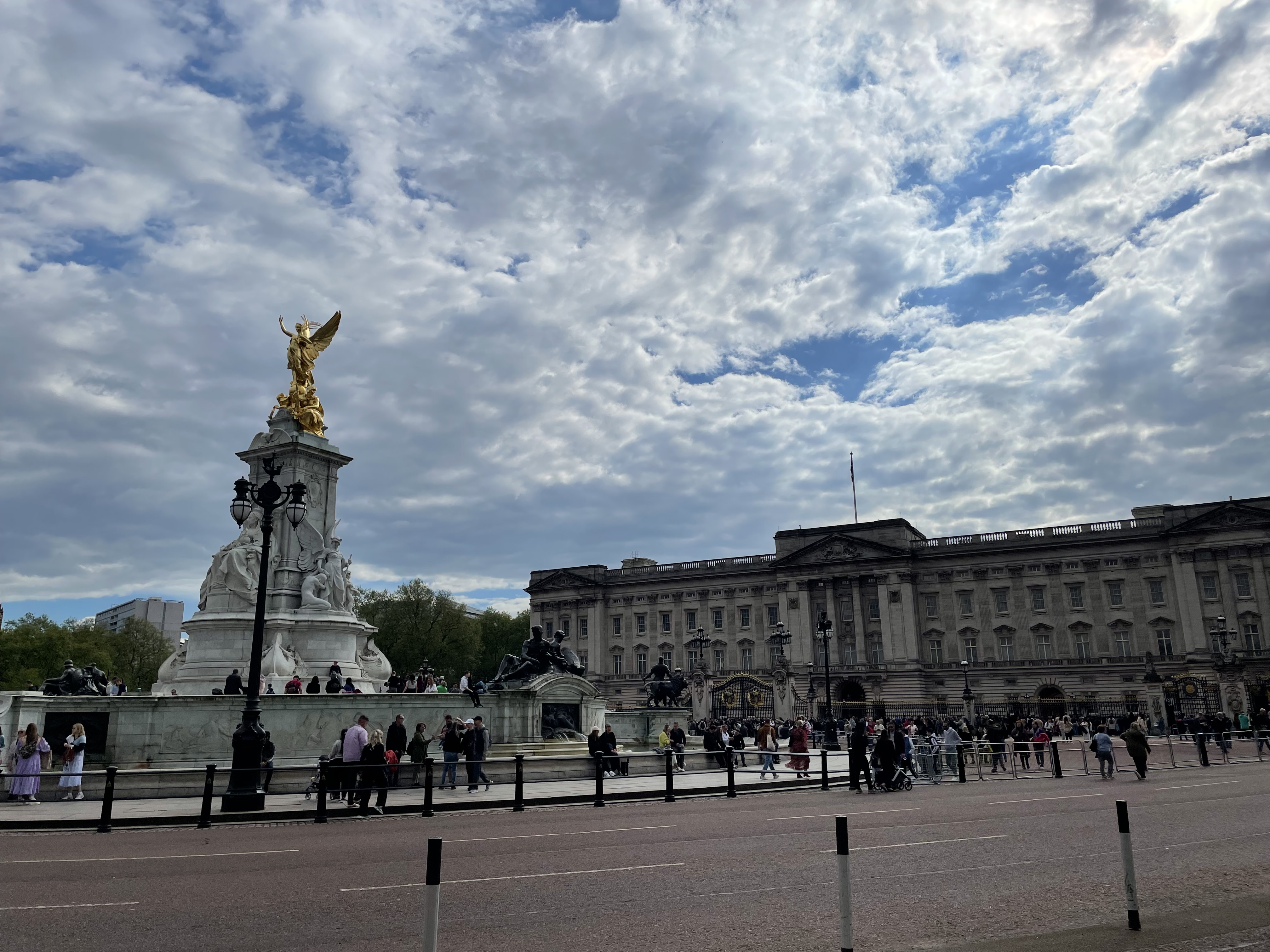


A couple nights is barely enough to scratch the surface in London, but it was enough to interest me in going back. The city is a delight to explore on foot, and walking from one neighbourhood to the next is an active reminder that this global capital emerged over the centuries from a collection of villages gradually growing into one another over time. It is also continually evolving, and we passed both the Brunswick Centre, a postwar modernist shopping centre with housing, to its scaled up modern equivalent, the Coal Drops Yard, a sprawling collection of highrises around Victorian-era canals. The latter is contemporary, bearing the hallmarks of post-industrial redevelopment and succeeding at least in making a nice new public space in the city.
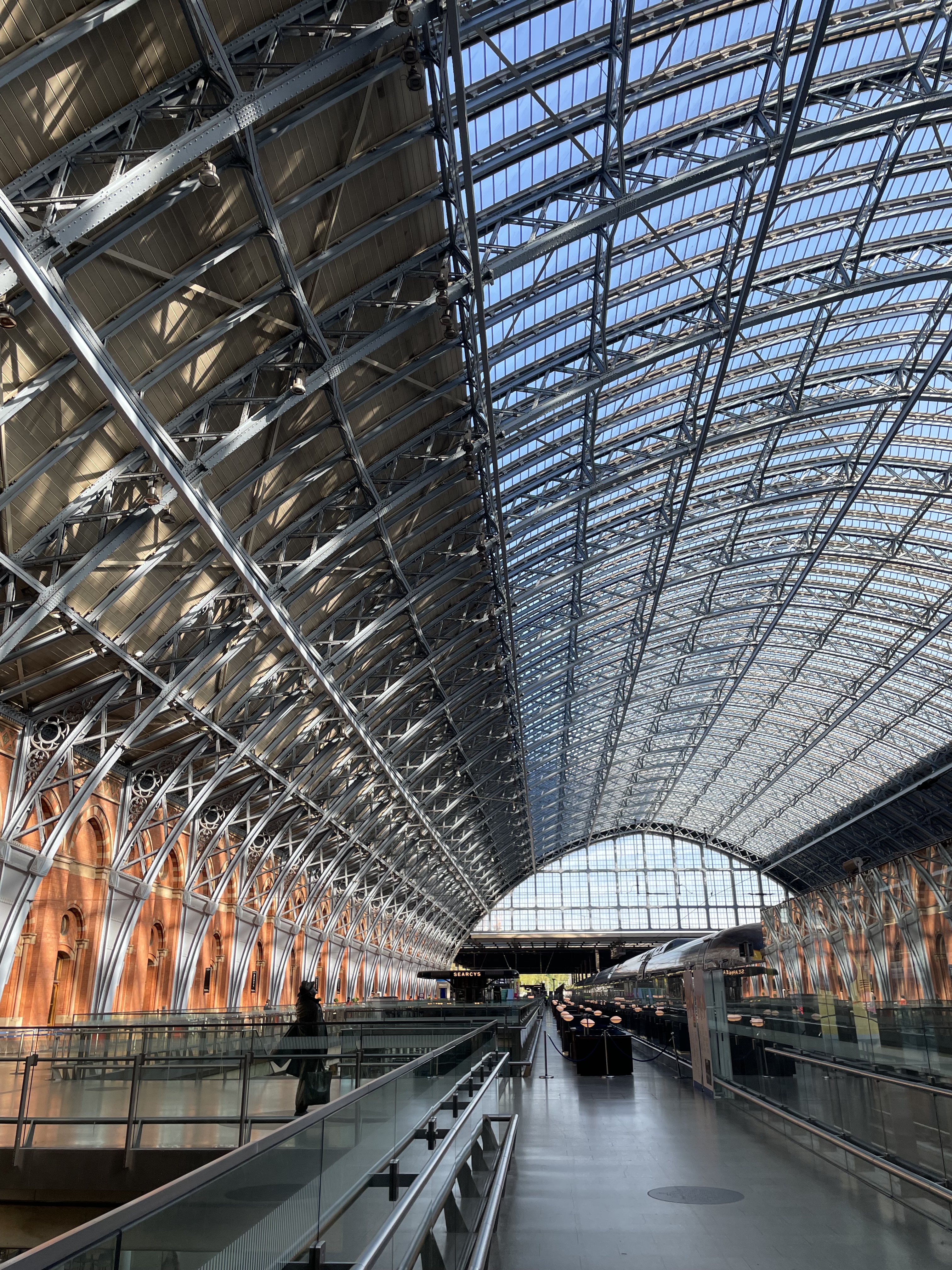
From London, and again on theme, we crossed the channel, bound for France. I am, unsurprisingly, an easy mark for a good train ride and Eurostar, for whatever its breakfast offerings lack, delivers a good train ride. This makes up for the pre-departure experience, where the worst aspects of air travel – arriving early, crowded waiting halls, overpriced food, and security checks – have been grafted on to the much more civil train experience. Within a couple hours we had made it to Brussels, snapped up our rental car, and were cruising southwest through Belgium. It was a brief if long overdue return to London, and a reminder that Britain and its capital city have a lot to offer.
 Zak Abroad
Can’t wait for the next chapter!