
Arriving in Argentina was inauspicious and, I hoped, not a portent of what was to come. Leaving Paraguay was simple enough, as was passing border control into Argentina. The small city of Posadas is a pleasant enough first stop, but unlike its border twin Encarnacion, there are not constant money change stations. Instead I had an evening of increasingly-frustrated wandering around the lively centre, making my way to any and all ATMs I could find…only to discover that my bank card was ineffective, the machine was out of money, or any other number malady. Frustration turning to anger, I started asking for cambio offices (closed!) and eventually just going to hotels asking if they´d change money for me. Took three tries to find one but all that effort was just to get pesos for the taxi to the bus terminal. Was this to foreshadow the experiences to come? Thankfully, no. Argentina would only get better.

The overnight bus WAS nice. Nearly fully reclining chairs with service – which included an apertif of whiskey on the rocks before a dinner and dessert combo and a small glass of champagne to wash it all down after. Coupled with the selection of decent movies and the fact that there was no wrestling for elbow space on the armrest, it turned into a pretty good and restful trip. Top it off with getting the chance to clamber upon the Buenos Aires Subte (or subway) in the morning and it made for a nice introduction to the city and to my neighbourhood, San Telmo, an artsy and gentrifying neighbourhood south of the core known for its restaurants, bars, and tango. Pretty much checks all the boxes.
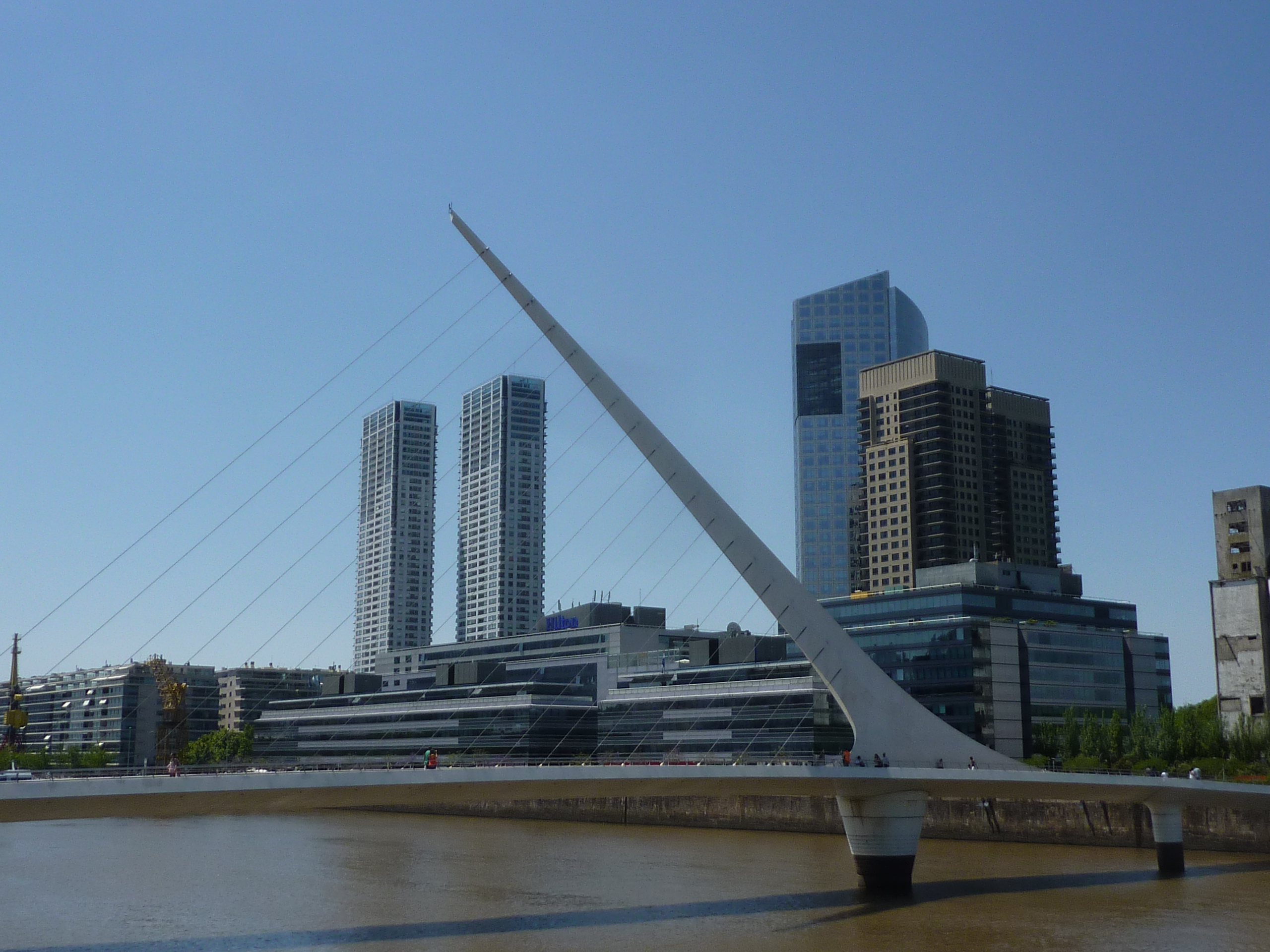
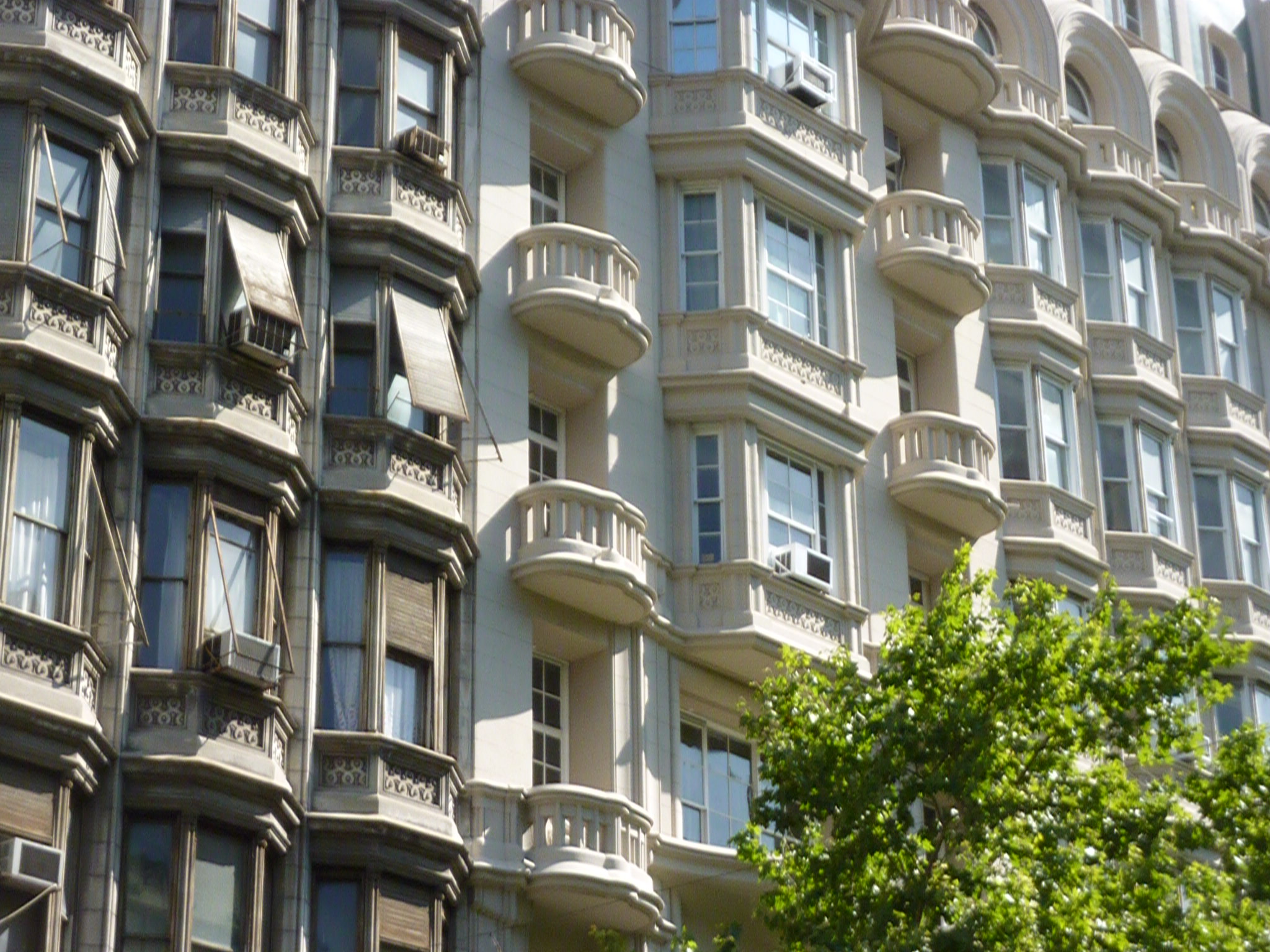
The city is an interesting mix of places and in trying to suss out what it most reminds me of, the closest I can come up with is a lovechild of Paris and Mexico City, in a positive way. I liked Mexico City. But then after a few years Paris walked out and stopped paying child support. What that means on the street is an extraordinary stock of turn-of-the-century walk-ups in various states of (dis)repair and an incredibly complex and extensive urban fabric. A century ago Argentina was riding high atop the crest of an unprecedented 50 years of economic growth that had made it the 7th wealthiest country in the world and the signs of this legacy are everywhere.

I was able to work around my issues with ATMs, addressing that first day by taking my remaining US dollars out to Calle Florida, the major pedestrian street in the core. Here, young folks stand about calling out cambio, cambio, offering the ´blue´ exchange rates (better than at the official rate by a wide margin). I followed my great friend Brian (pronounced Bree-ahn) up into an office building to the cueva where this unofficial yet tolerated exchange occurs. The upshot of all this hassle was the nearly double value one gets for their dollars through this method.
San Telmo is focused around Defensa, a main street lined with cafes and antique shops. On Sunday, the street and its surrounding ones are consumed by a feria, with the entire area becoming an extensive street market selling any manner of objects, memoribilia, and general paraphernalia. The action reaches its climax at Plaza Dorrego, the city´s 2nd oldest square which is turned over to restaurant seating and tango in the evenings. It makes for a lovely neighbourhood to pass long, slow days going from point to point, taking in the easy pace of the city. Very glad that I settled into this neighbourhood for my days here.

Great as San Telmo is, my wanderings were not confined to it. To anyone who knows me, you will not be surprised to learned that I took time out to ride the Subte, taking all but one of the city´s lines, including both the newest and oldest ones. To my disappointment, the 100-year old cars are no longer used on Line A, but it was comforting to see that the cars have been replaced with new rolling stock. Particularly as they were air-conditioned, a godsend on days of still air and temperatures in the mid 30s. One place the system was a letdown was frequency, with long gaps between trains on the weekend. Even in Vancouver, with our too-oft maligned Skytrain, we do better than that.
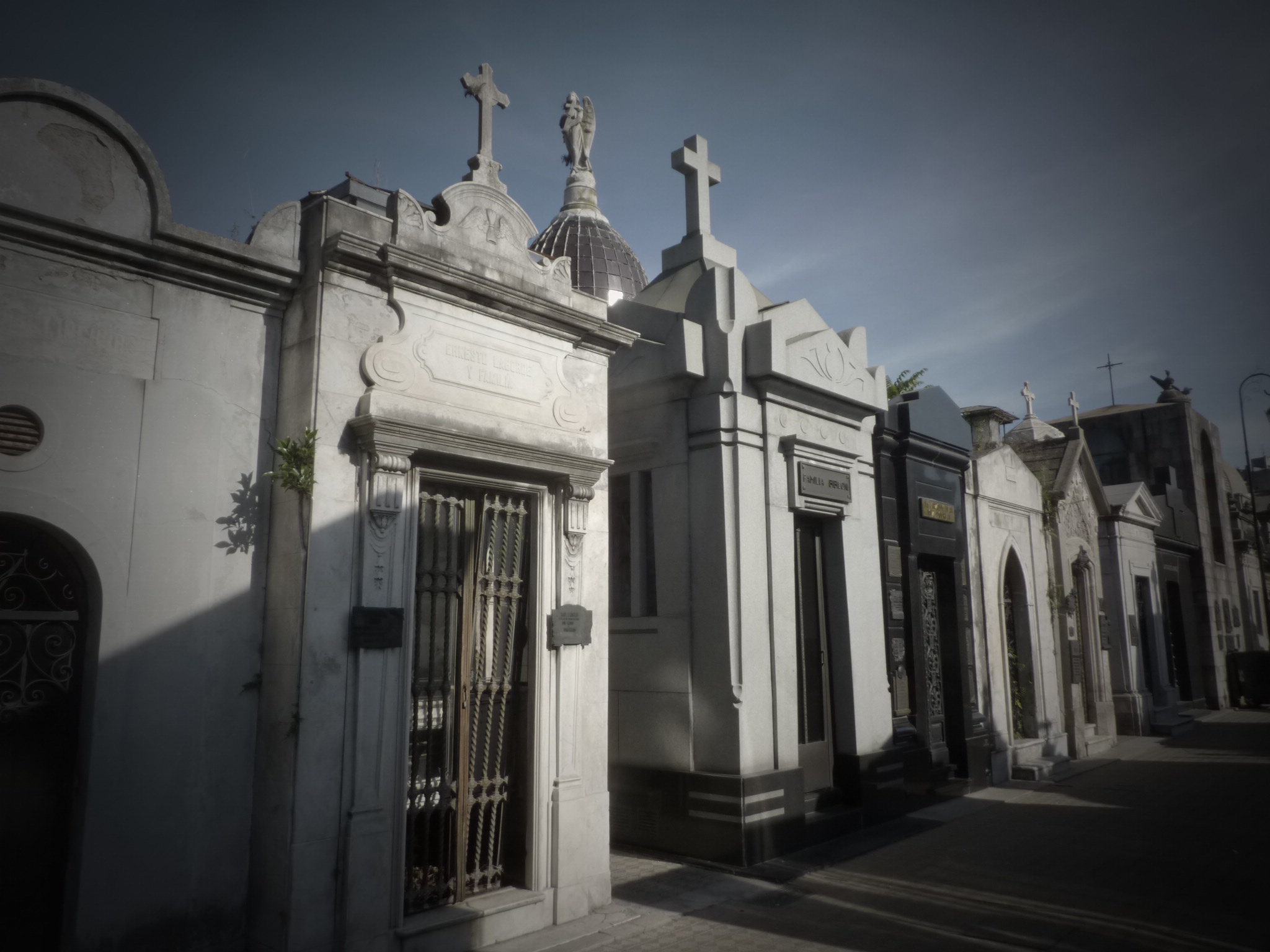
I spent time wandering the upper-class enclaves of the Recoleta and Palermo, generally just enjoying the streets, the parks and the atmosphere. Part of that was due to the museums having an uncanny ability to be closed…where was the guidebook to proffer advice? At any rate I was able to stroll through the cemetary with Eva Peron´s grave, with family mausoleums built above ground to spare lost loved ones the insult of burial in swampy soil and the…unfortunate…outcomes that can from it. Sadly the Fine Arts Musuem, supposed to be open on Sunday, was closed for maintenance. A bitter pill.
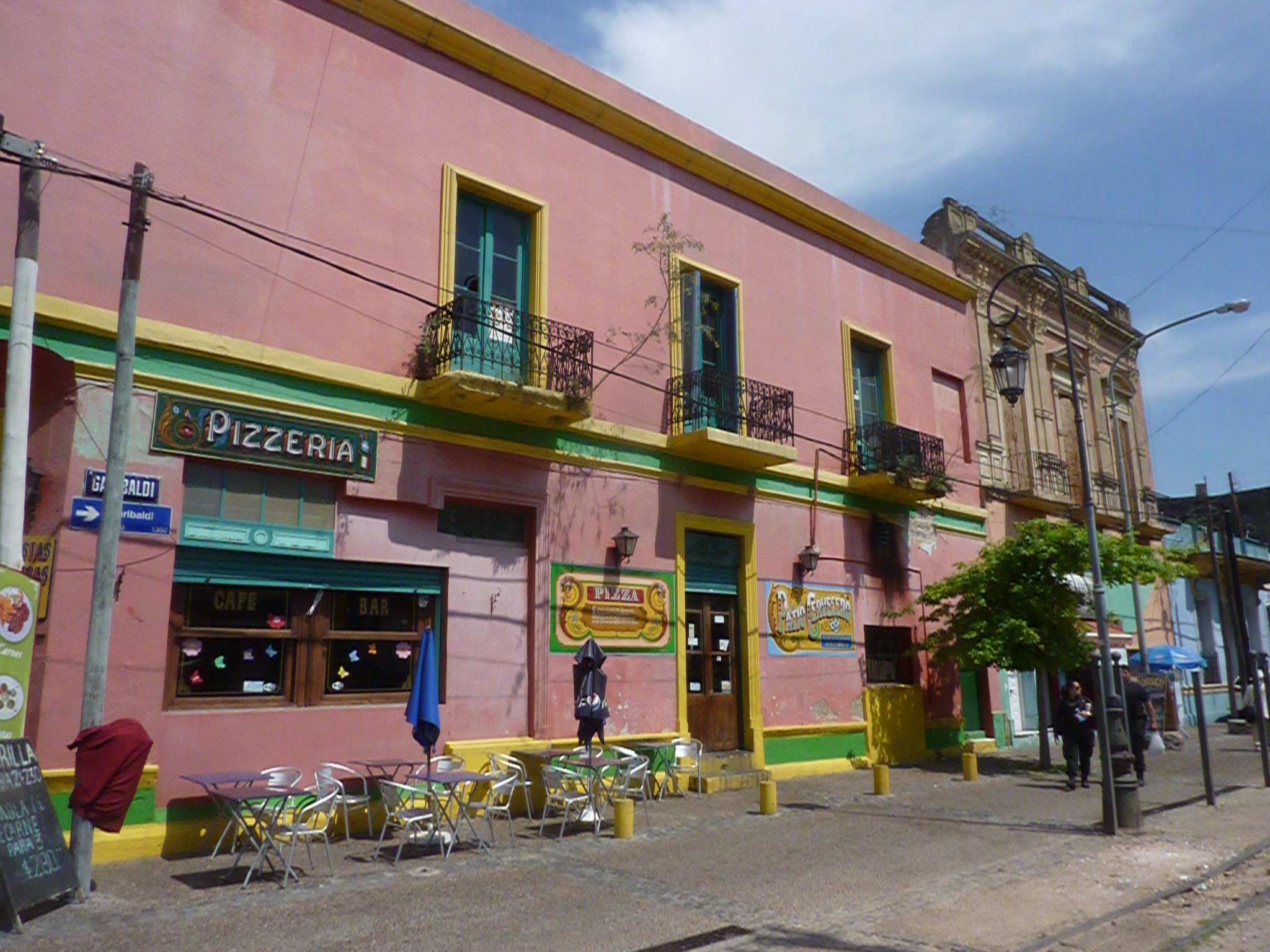
The final neighbourhood I toured was La Boca, aptly named for its location at the mouth of the river that the port grew up around. A working-class migrant area in 1900, populated heavily by the Geneose, the area is known as a both rough and as artsy. The multi-hued buildings make only a small slice of the neighbourhood, a few streets slaving away for tourist dollars and, aside from a few museums, offering little save overpriced meals and tourist garbage. The highlight for me was the visit to the Bonbonera, the home stadium of Boca Juniors, one of the most successful Argentine soccer teams. Was pretty great to get a first hand view of that.

All in all, despite my better efforts to be productive in my days here, the inevitably relaxed way of life won me over. Part of this may simply be the fact that museums and other sights rarely open before 11, but between the heat and the easy pleasure of discovering streets, cafes, and bars, Buenos Aires played itself out as a real delight and a lovely final stop in which to relax after what had, to that point, been quite busy. Three weeks later and its time to head back home.
 Zak Abroad
Can’t wait for the “story behind the story” when we next get a chance to visit with you. (By the way, when will that be?) Surely your photos and narratives barely begin to scratch the surface of a fascinating adventure.
Love,
Dad