I rode out the weekend in Mexico City, patiently taking in museums and seeing sites around the city, doing what was in my power to avoid the voracious weekends crowds that can descend on popular tourist sites. I was saving Teotihuacan, the coup de grace of my time in the city, for Monday, to avoid as many crowds as possible. Generally it seemed to work, and the site wasn’t completely overrun when I got there. Getting there was in itself a journey, consisting of a metro trip with transfer to the bus station and the hunt then for the correct window before a bouncy bus ride through the seemingly endless sprawl of Mexico City. After every curve we passed I thought surely this would be the end, only to be surprised by gravity-defying smears of gray houses clinging desperately to the flanks of the dusty hills.
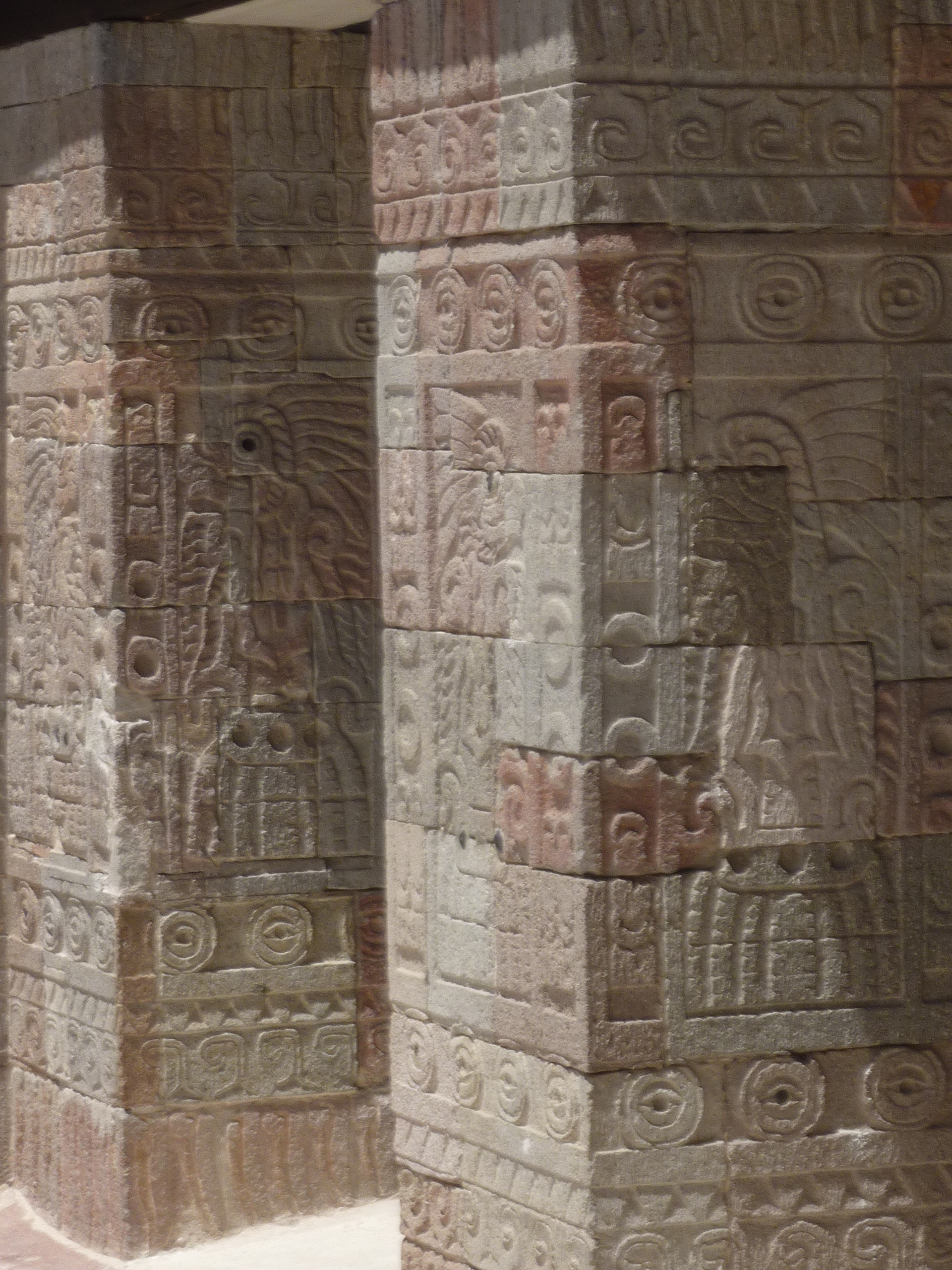
The site of Teotihuacan was impressive, put simply. I remember in grade 6 having a teacher show our class pictures of her own trip here, a seed planted long in the past and at last realized. At the ciudadela there are some lovely restored walls with plumed serpent heads carved out of the stairway, truly impressive carving work and all the more so when one considers that the site was one of largest cities in Mesoamerica at the same time the Roman Empire was entering its final centuries. Walking along the Avenue of the Dead, the central north-south axis, and imagining the place bustling with a long-dead civilization was remarkable, down to the smaller (but important) details of geometry of forms, precision brickwork, and even a drainage system and re-routed river.
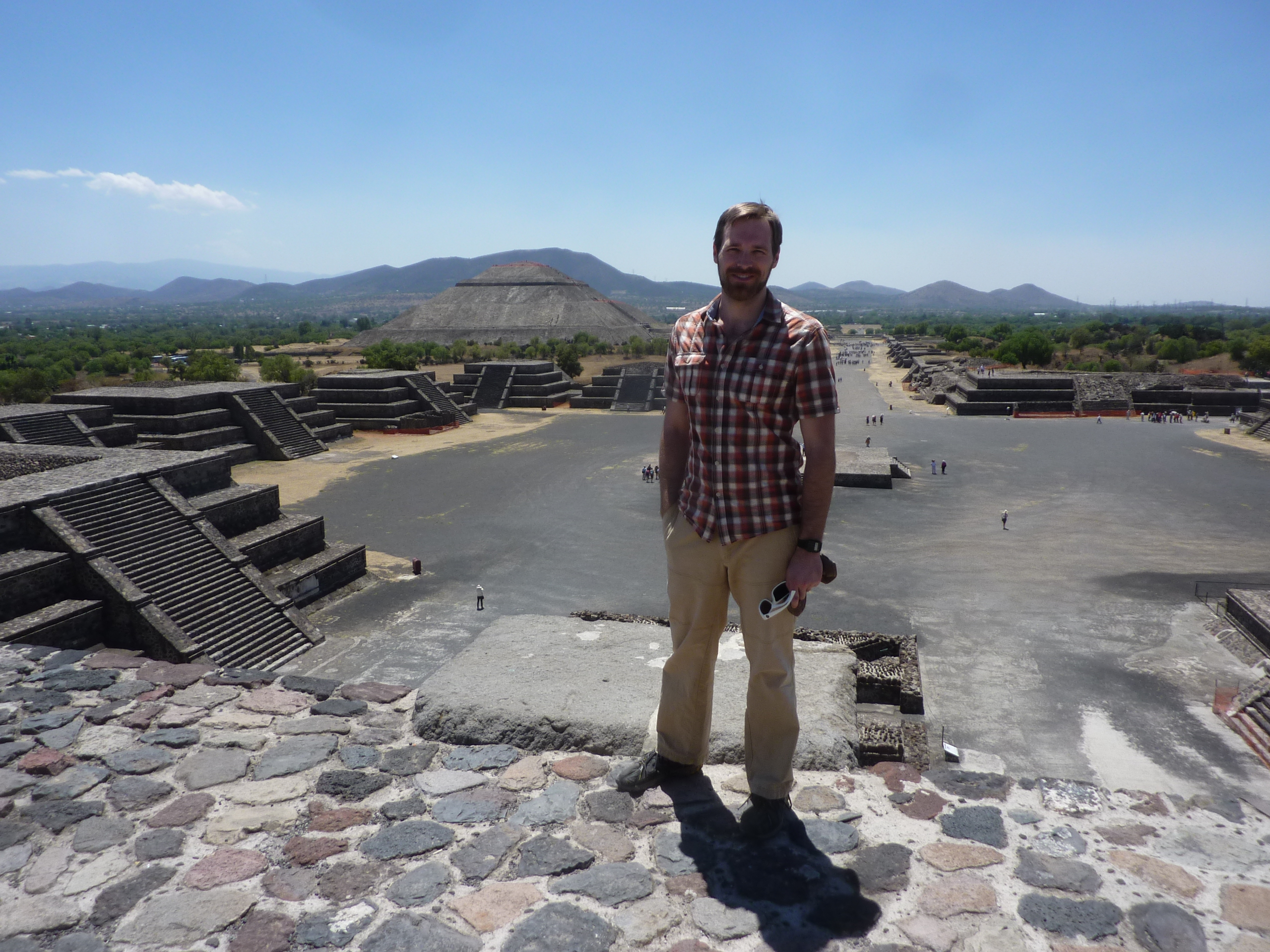
The obvious highlights are the two respective pyramids, those of the Sun and the Moon. The Pyramid of the Sun is one of the world’s largest, after those at Giza and another Mexican one called Cholula (more on that later…) and after climbing the steep stairs offered an astounding view of the surroundings and the site as a whole. Towards the Pyramid of the Moon there is the largest central square, again with wonderfully afforded views, and adjacent are some of the remaining enclosed structures, offering some of the better examples on the site of the murals and sculpture worked into the original incarnation of the site.
The next day I was out of the big city for the relatively much-smaller environs of Puebla, where I am treating myself to a hotel room, something that would shock some of the friends I have traveled with in the past. People change, what can I say? Puebla is a charming enough city with a delightful zocalo in its centre. In truth though I am here because it made a convenient base from which to operate as I sought out more ruins. Through all of the local travel, my basic Spanish has been incredibly useful if not exactly elegant. Simply being able to ask where do the buses pick up from? has been an absolute necessity as nobody in the guides says you flag the bus down on the highway.
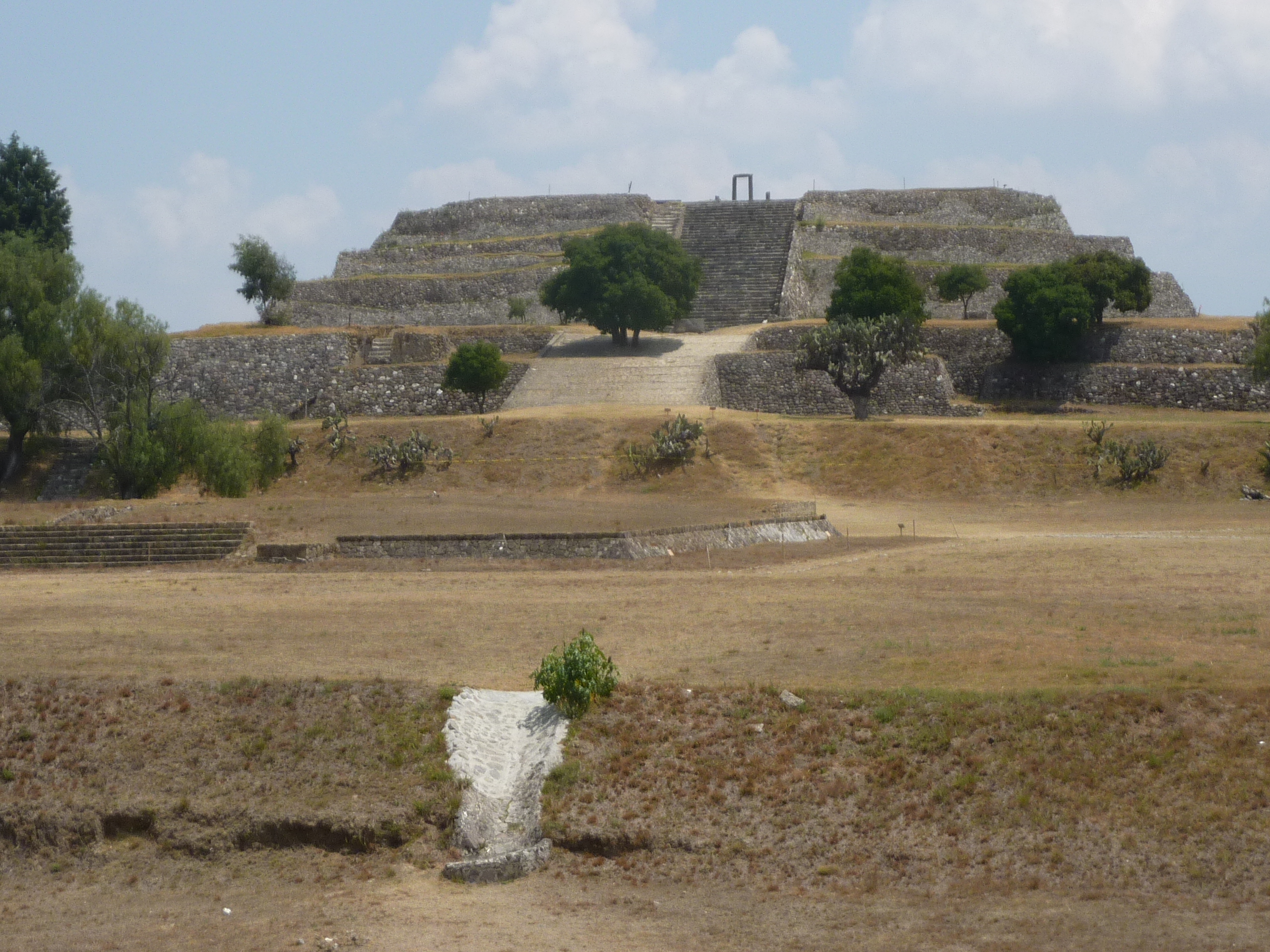
Stop one was Cacaxtla, a smallish ceremonial site atop a hill a few kilometres outside of the nearest town. The site and its people predate the rise of the Aztecs in the Valley of Mexico but fall in line after the peak of civilization at Teotihuacan. As if that wasn’t complex enough, the site was a trading crossroads, with representation of arts and items from other groups like the Mayans. The highlight here were a handful of beautifully preserved murals with the common themes of the bird-man-god Quetzalcoatl as well as some more artistic scenes of human sacrifice in the central courtyard.
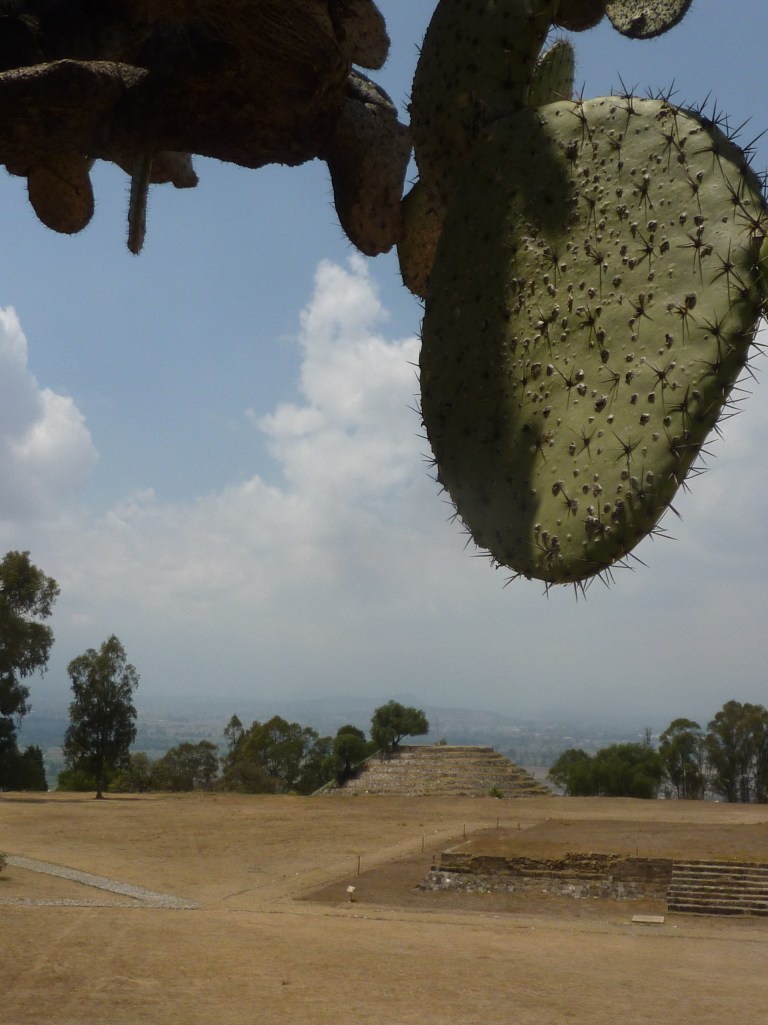
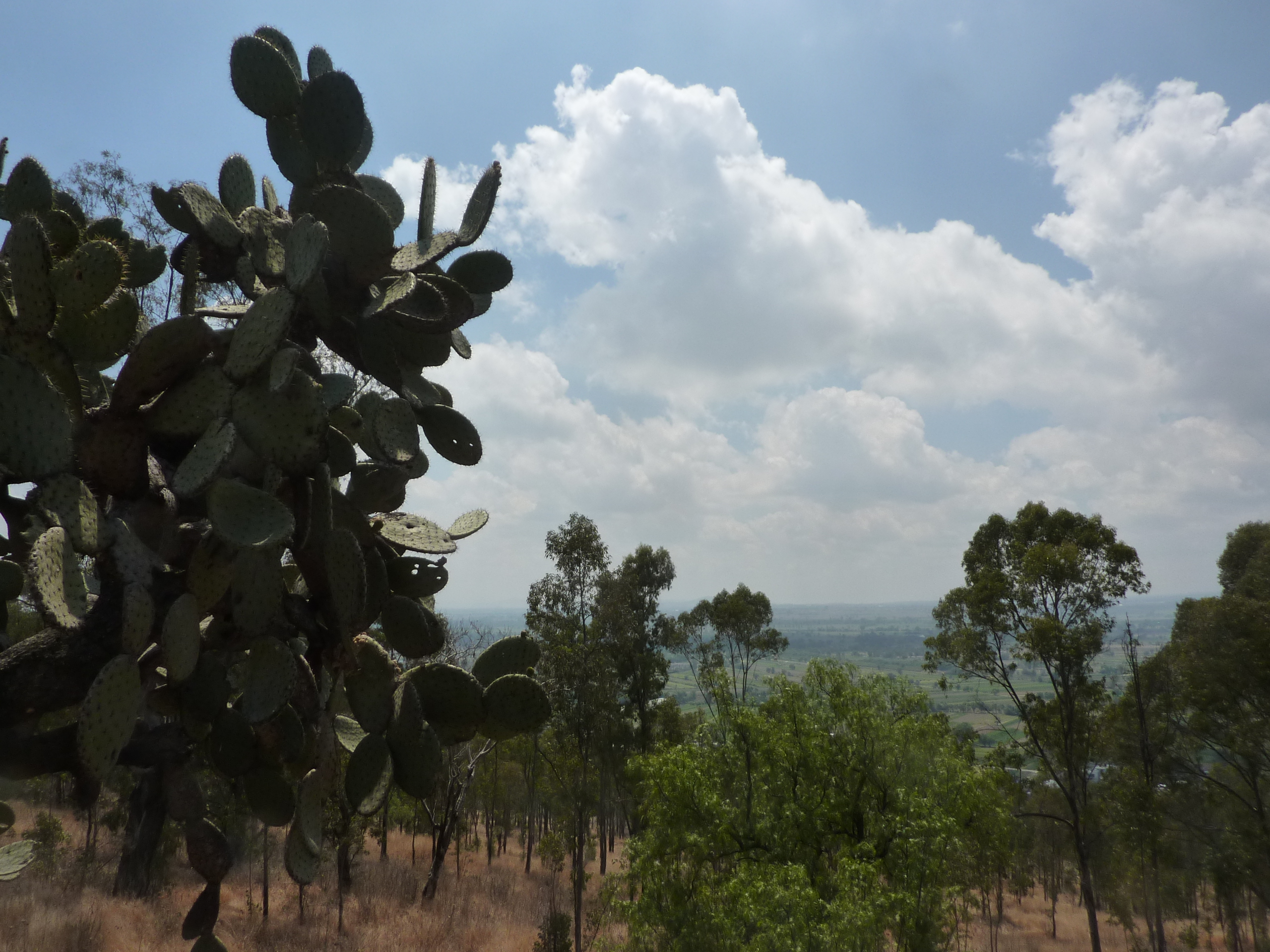
From here, it was a half-hour walk through a saddle between two hills to the second site, Xochitecatl. From the hills, the scenery was beautiful, the arid highland hills with the major volcanoes sadly shrouded in clouds today. My only company were the incessant and welcome chatter of birdsong and a variety of small lizards scurrying to and fro. Quite the contrast to be alone after the hordes that did descend on Teotihuacan. Xochitecatl itself dates from up to 3000 years ago…think that the site was already ancient when work began on neighbouring Cacaxtla. From here, the guard at the gate directed me down a dirt path to the main road from where I was able to catch a bus. For safety, I kept a rock in hand in case of aggressive stray dogs. My luck (and theirs) has held out for the trip thankfully.
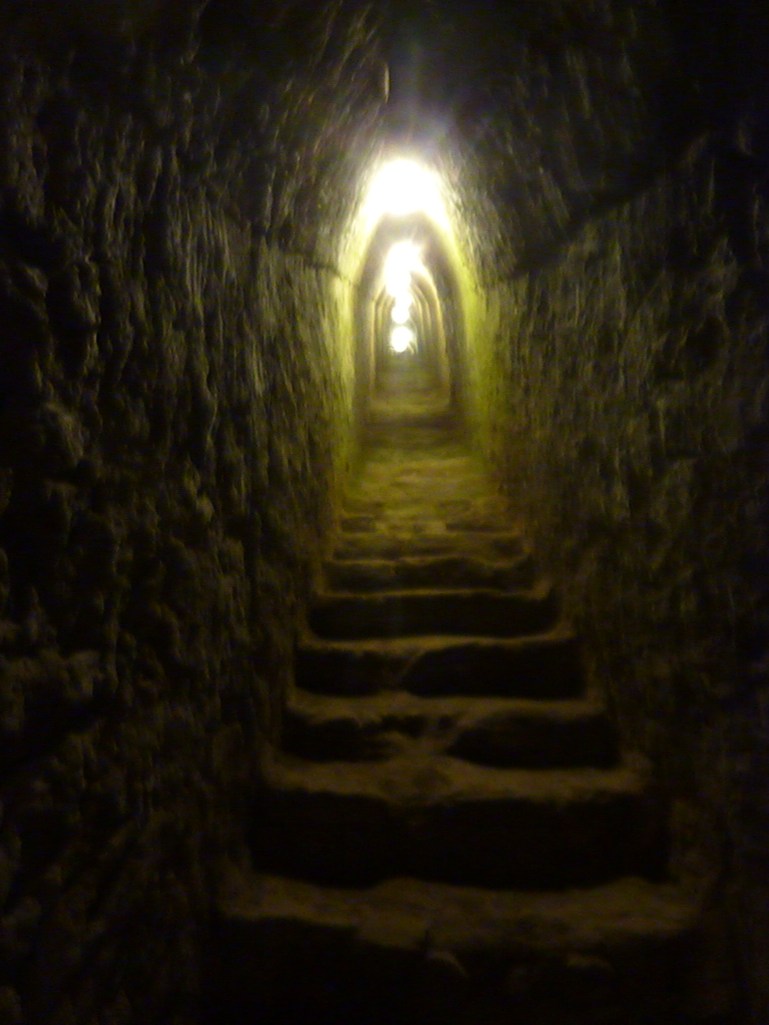
In Puebla I executed a pretty smooth transfer to Cholula, a nearby town that is being swallowed by the march of urban development. The remains of the aforementioned pyramid there are largely indistinguishable from being merely a hill with a church on top. Some excavations and restorations near the base let you get an idea of what it was like, but more remarkable are the lengthly tunnels deep underground, of which the intrepid tourist gets to wander a bit through, teased with gates cutting off access to mysterious stairways and dark-ended tunnels.
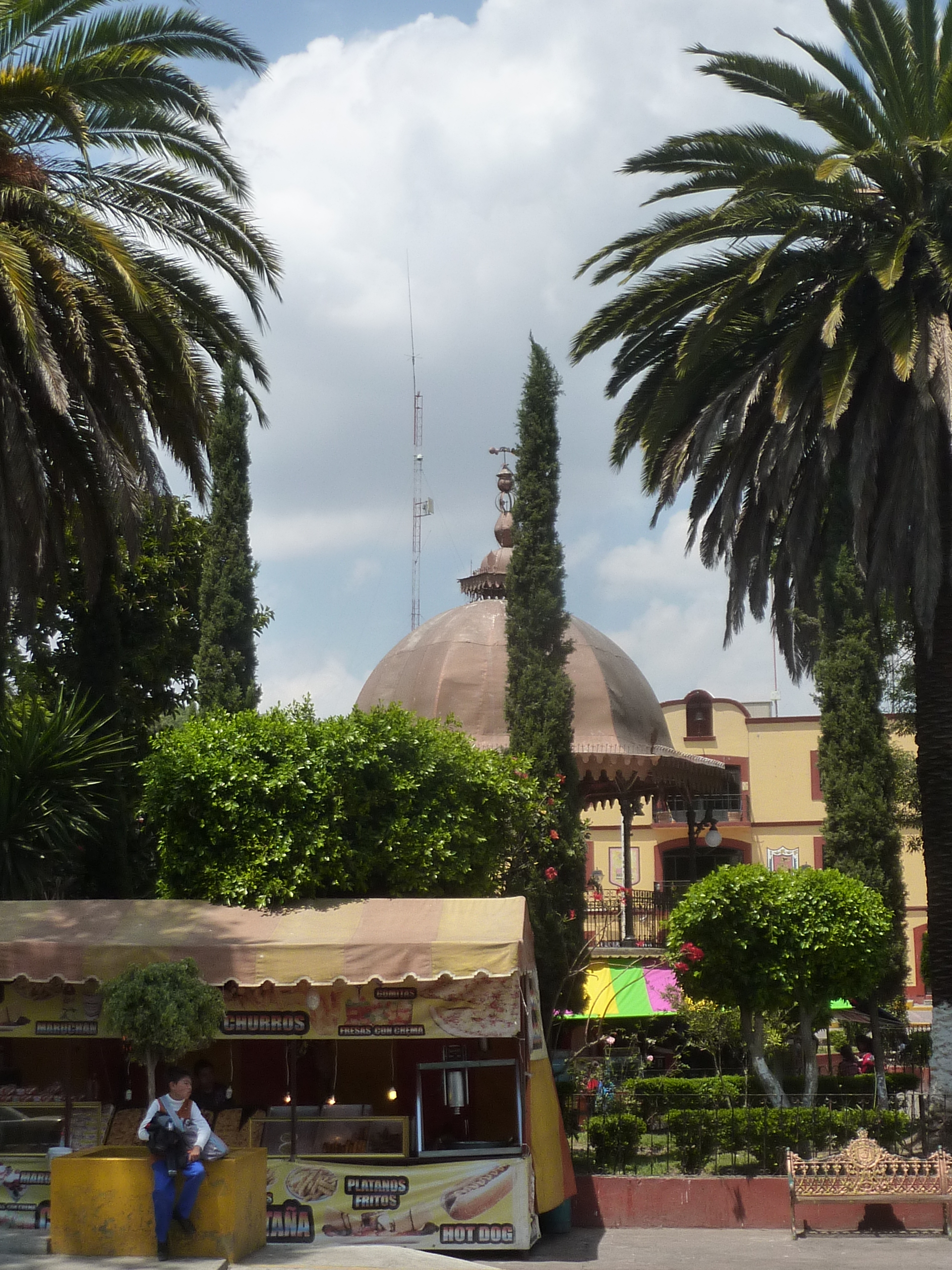
If you can guess from the above, it made for a busy day. I have primarily been fueling myself through the ubiquitous torta, a hardy sandwich available most anywhere for a good price and seemingly destined to have fresh avocado on it. Tacos too, when available. I realized too somewhere on the bus to Teotihuacan that there is something about being in motion, be it bus or train, that offers a window into a place, the small exchanges of culture and words, the little nuances of small town life, that I absolutely love. This was true today too, passing through charming (and less charming) burgs going from place to place.
 Zak Abroad
Zak, while I won’t presume to claim much credit for the remarkable young man that you have become, I will not shy away from my claim to being your dad. I love you, son, and am so very proud of you. You will ever be my Best Pal, however bemusing that may be to fathom. We need to travel together someday. Just us. Africa maybe?