Having reached Bangkok, Tori and I passed the time exploring Khao San Road, the backpacker hub of the entire country, and a place that frankly I could do without. it is the epicenter of tourism in Southeast Asia, the place where all those weird, disturbing things one may have heard about in relation to Thailand come alive and walk around at night, trying to entice you into their establishments with the promise of ‘ping pong’. As such, Bangkok is not one of my favorite places and its role is best relegated to that of a large, stinky, poorly organized transport hub. With that in mind, we met up with my friends, consisting of Darragh, an Irishman who taught last year in Shenzhen, Nick, my former roommate, and his friend from San Fran, Katy, who is in Asia for the first time at the start of a months-long odyssey to be spent largely in India. With our group assembled, we left on the first of February for Yangon, the largest city of Myanmar.
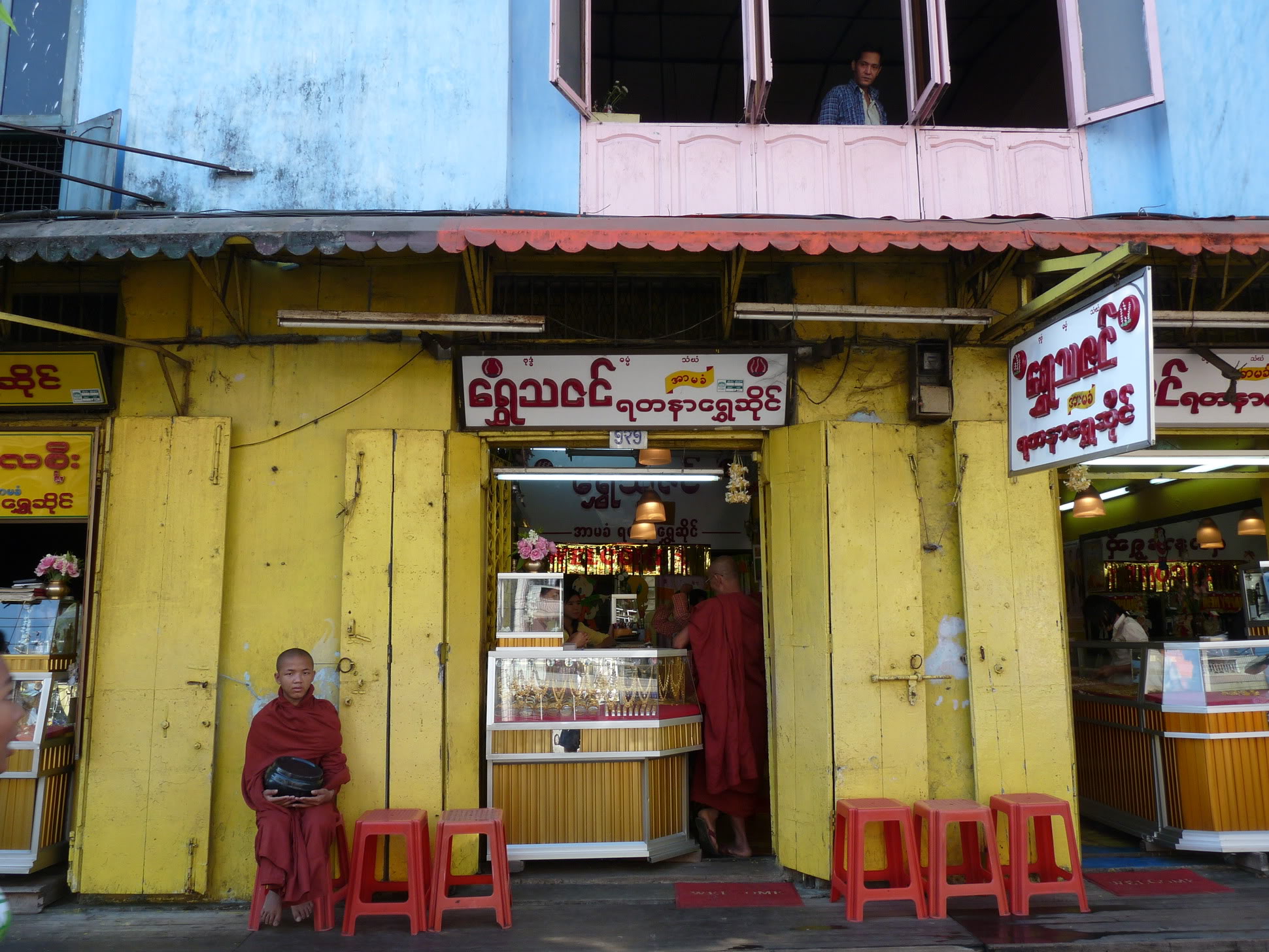
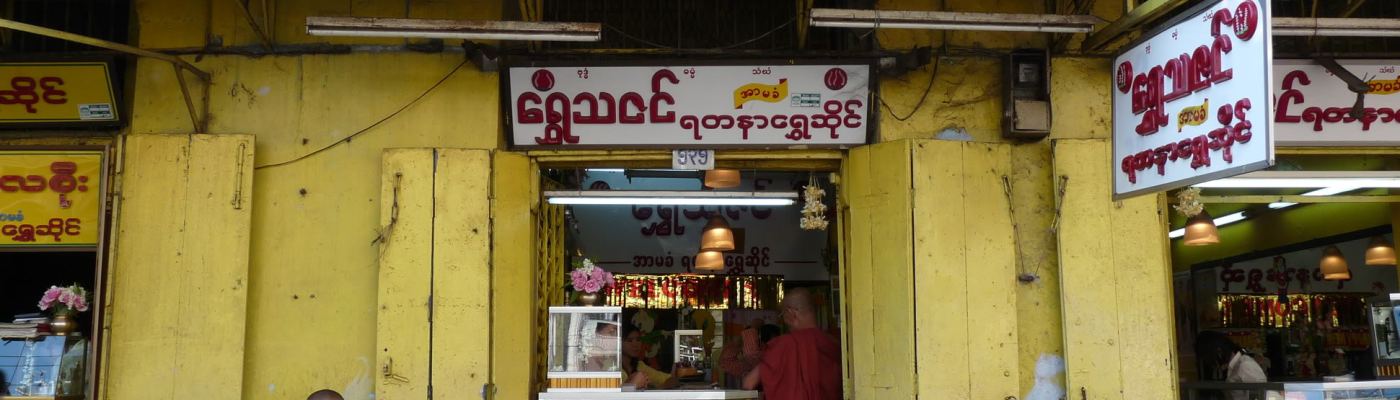
Entering the country, I’m not sure what exactly any of us were expecting from it. Of course in news and prints, in hearsay, you hear awful things about the government, about the poverty of the country and the oppression of the people. However that may be, Yangon itself made a very pleasant impression on us all and we quickly settled into a guesthouse up the street from the Sule Paya, a large golden-topped Buddhist stupa set at the center of the city. A quick money change was made with our hotel owner from a shoebox under his bed, as the official exchange rate is dreadful, and we set off on foot to explore our surroundings. Some of the initial impressions were the kindness of the people and the absurd diversity within the country. Owing to both history and geography, Myanmar is packed full of Burmese, Chinese, Indians, tribefolk, and an assortment of the rest of Asia, all living around eachother in seeming peace. Within a five minute walk we found a church, mosque, Hindu temple, and even a synagogue. This diversity also meant excellent food.
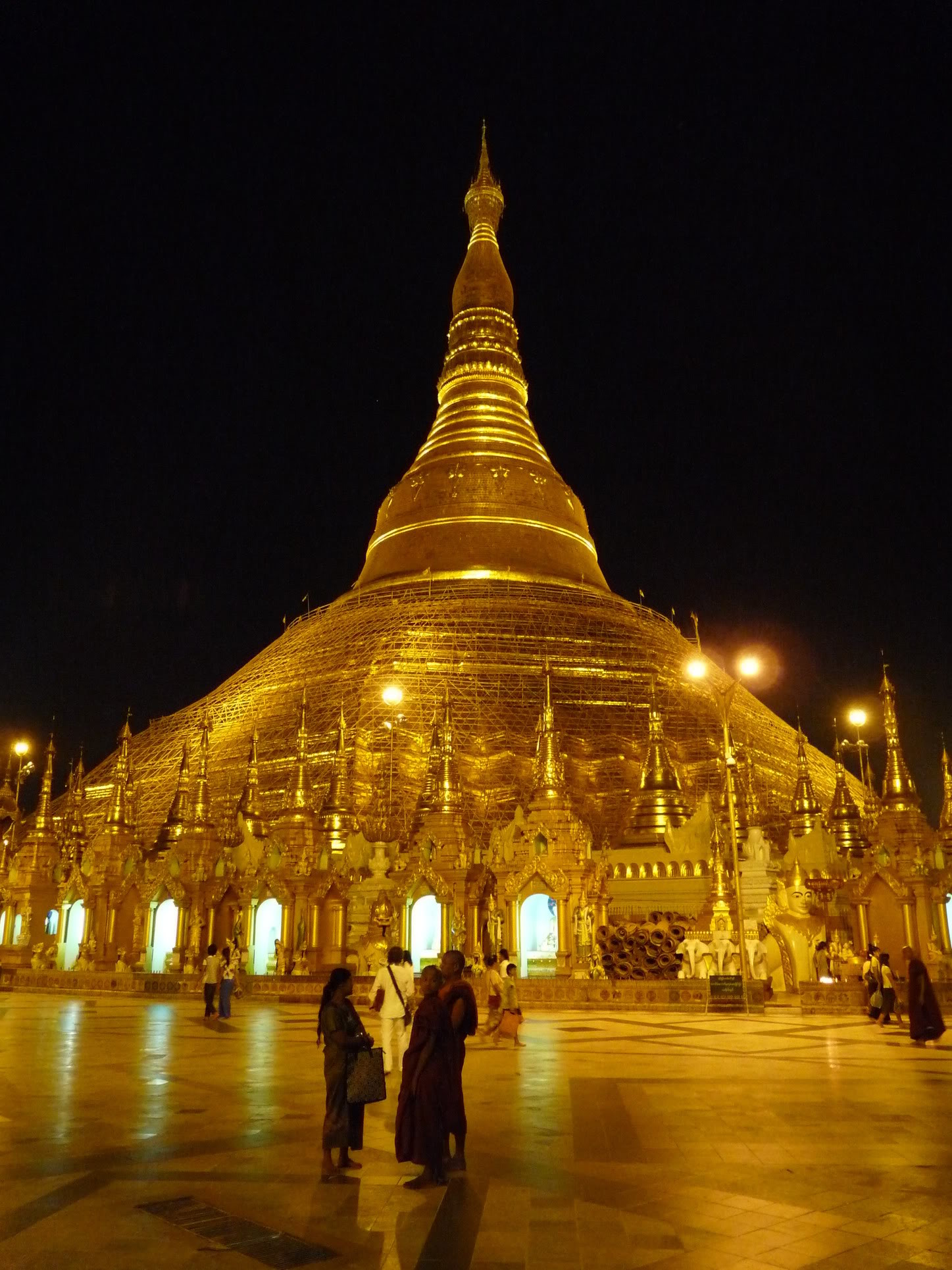
The highlight and major sight of seeing in Yangon is the Shwedagon Paya, a massive gold-leaf covered stupa at the center of a temple complex in the city. The complex itself is set upon a hill dominates the skyline of the city, creating an imposing and impressive appearance. Upon entering the complex, one isn’t disappointed. It is one of the few places with a dense cluster of Western tourists, but it is also packed full of locals and monks circling in robes, making offerings and praying for better fortune in the coming year. The scale is simply breathtaking and it is one of a handful of truly epic sights I’ve seen in these parts. Smaller temples and stupas are scattered about the site and it makes for a wonderfully relaxing and peaceful place to while away the time, watching the setting sun affect the colors as they strike the shining gold and night arises.

Our next day was filled with a long bus ride to Inle Lake. At the time we were not yet aware that long, seemingly interminable bus rides would play a major role in our trip. We learned this lesson, unfortunately, through harsh repitition. An early morning arrival, shower, and nap later and the group was out on a long boat motoring through Inle Lake, a large and famous freshwater lake that serves as the lifeblood for the many stilthome communities encircling it. The boat took us from sight to sight, visiting the daily market, a textile village, and a monastery with cats that do tricks for food. At the latter locale Nick entertained us all with his playful pestering of the cats for the sake of photography before the pernicious felines performed a jump through a ring for a treat. They seemed nonplussed with the whole affair, and it was a little odd.

My personal pleasure at Inle Lake were piqued by two main things, consisting of the floating gardens and a Buddhist temple set up a hill near the shore. The floating garden is what it sounds like, and is unfortunately hard to describe but very impressive to lay eyes on. It made me wish I knew more in general about agriculture but my ignorance wasn’t a barrier to my curiosity and at the least I wondered how limiting it may be to cultivate and harvest when activities must be based out of a boat. The temple was set at the top of a hill, the entire way up littered with ancient shrines in states of disrepair dating back hundreds of years. It was truly impressive to see and well worth the farmer’s tan sunburn I built up through a day of being on the lake with little in the way of shade.
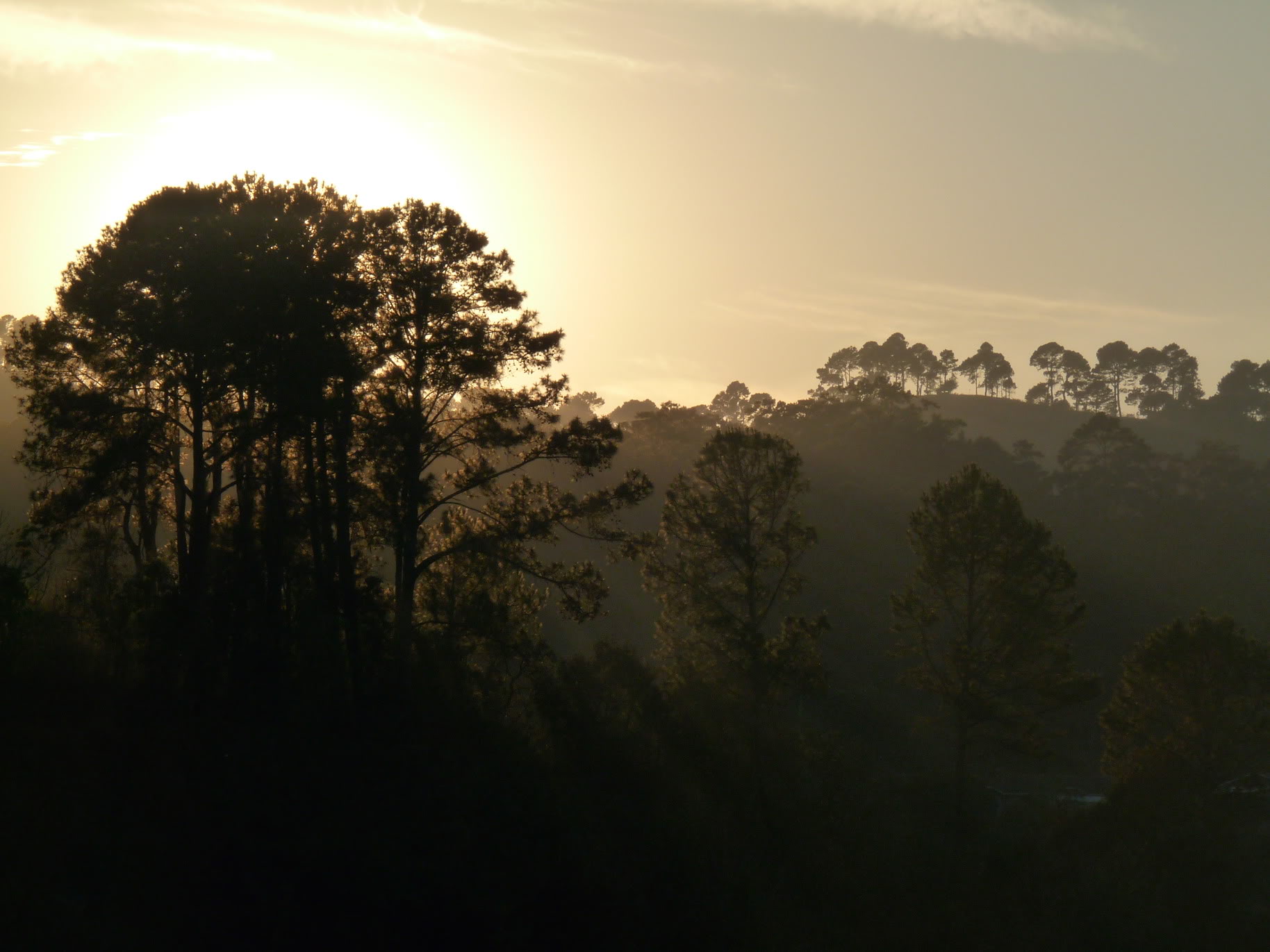
After Inle Lake we set out for Mandalay, with a day layover in the trekking center of Kalaw. Kalaw is quite small and really a very cool, genuine feeling place. We did some hiking into the hills for some stunning views and a cave full of kitschy Buddha statues. The ride to Kalaw from Inle was great. We took a sawngthaew, which was of course filled to the brim. To alleviate the crowding, some of us men (women aren’t allowed) rode the 2 hours over the hills atop the vehicle, gripping the rack and feeling the morning breeze. It was a fun way to travel and drew many an odd stare from the locals along the way. A pleasant dinner followed by another long, overnight bus ride finally found us in Mandalay at another unfortunately early hour. Walk, find a room, shower, sleep, repeat. Our group procedure was becoming well honed for these situations.
 Zak Abroad
Wish I had traveled with you on this one.
More pretty cool stuff. Will you ever want to “settle down” after such stimulation?!
Love, Dad