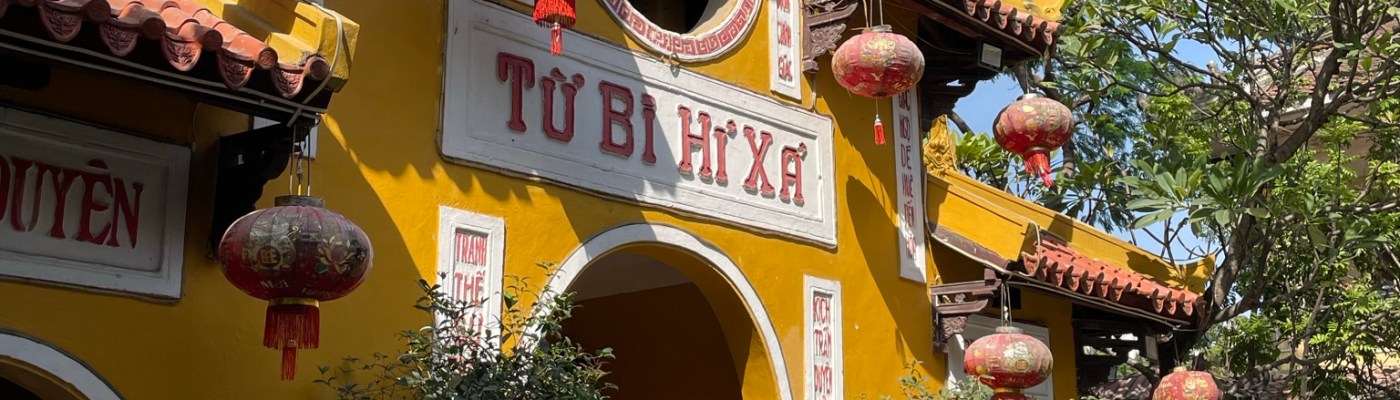
Back wandering around Hanoi after our daytrip out of the city, I was struck by the widespread ability to adapt and adopt in Vietnam. People seem adept at finding practices from other cultures and making them their own. The lacquer paintings are one example, alongside the numerous culinary examples pulled from the French colonial era – baguettes transformed to banh mi, the robust coffee industry that emerged alongside green tea, later improved upon with options like egg coffee or the addition of condensed milk. Similarly the Vietnamese emperors and courts adopted Chinese characters and used them to write Vietnamese for centuries. 17th century French missionaries developed quoc ngu, fitting the Latin alphabet to the local language, though it was only in the early 20th century where it became, ironically, a tool of the Communists to spread literacy (and propaganda). This brand of fusion seems culturally ingrained, and is part of what makes it such an intoxicating country to visit, one which keeps people from around the world coming back.
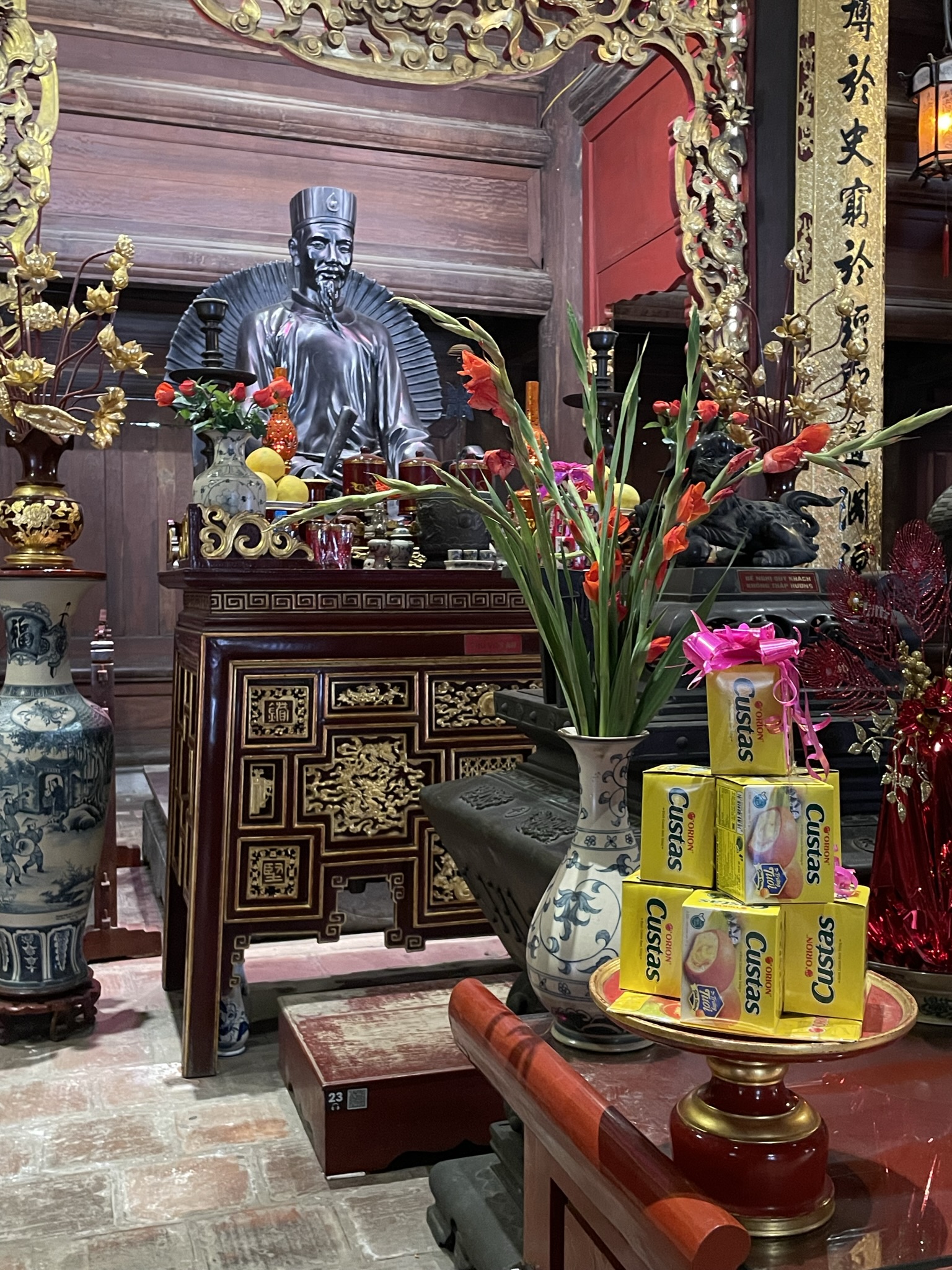
Walking through the city near Ba Dinh Square eventually led us to Van Dieu, known in English as the Temple of Literature. Van Dieu is a thousand-year old complex dedicated to the value of education and, to a degree, service of the state and testament to self improvement. Behind the complex’s walls, a restorative green space houses a temple with a series of courtyards. Each is enclosed and marked by a number of gates: a central gate for those who had proven their worth, and side gates for the aspiring students. The students, having succeeded in a series of grueling exams in their home town and provinces, arrived to the capital for the fifth, and final, imperial exam. This is the one that would determine the fate of their career path, potentially serving as mandarins for the imperial court or administrators across the realm. When it was time for the exam, the courtyards of Van Dieu would fill with low bamboo platforms, covered over by an arching roof. Each student would have one to themselves, fitted with paper, brush and an inkstone, where they were sequestered to test their learning.

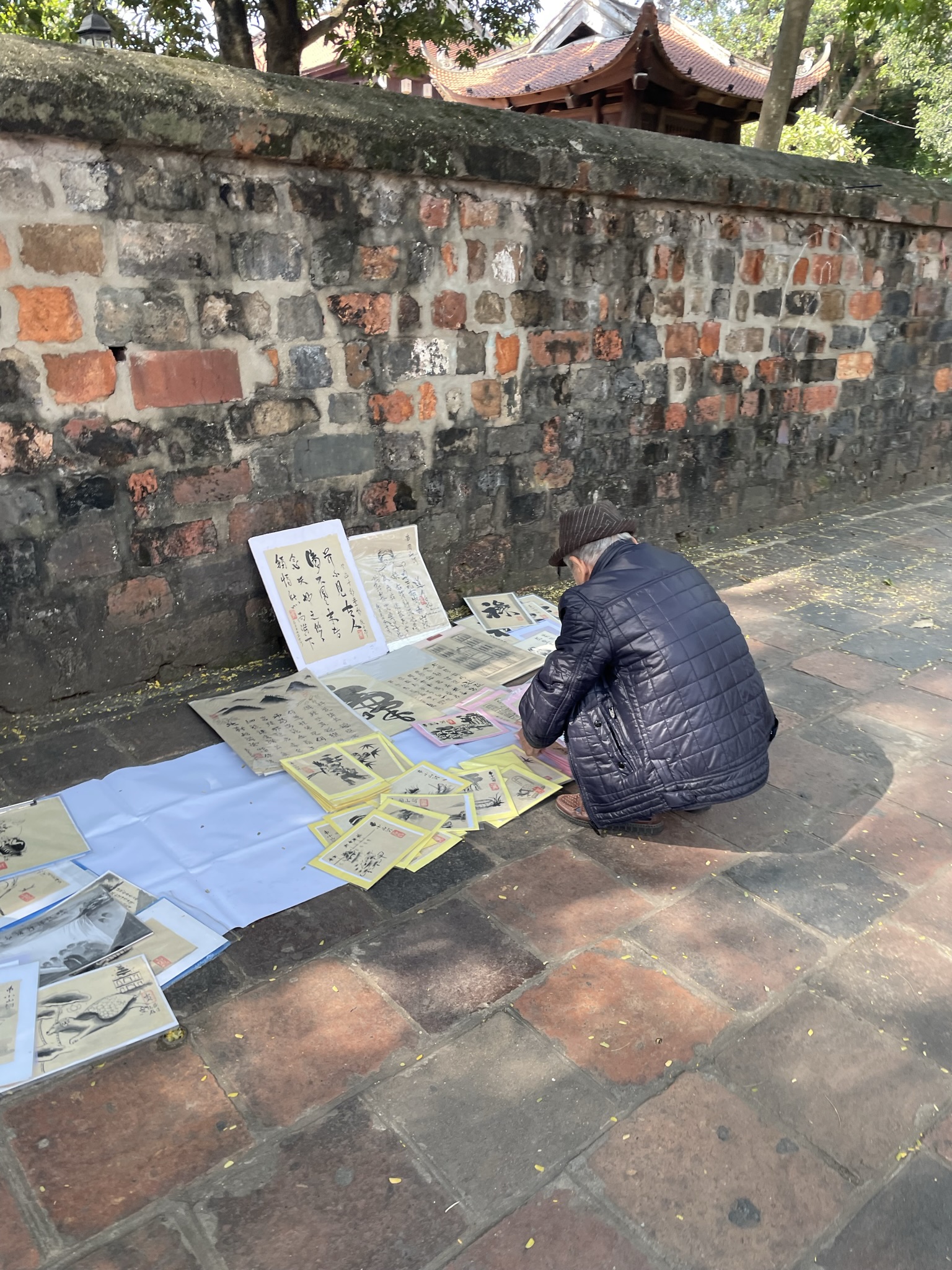
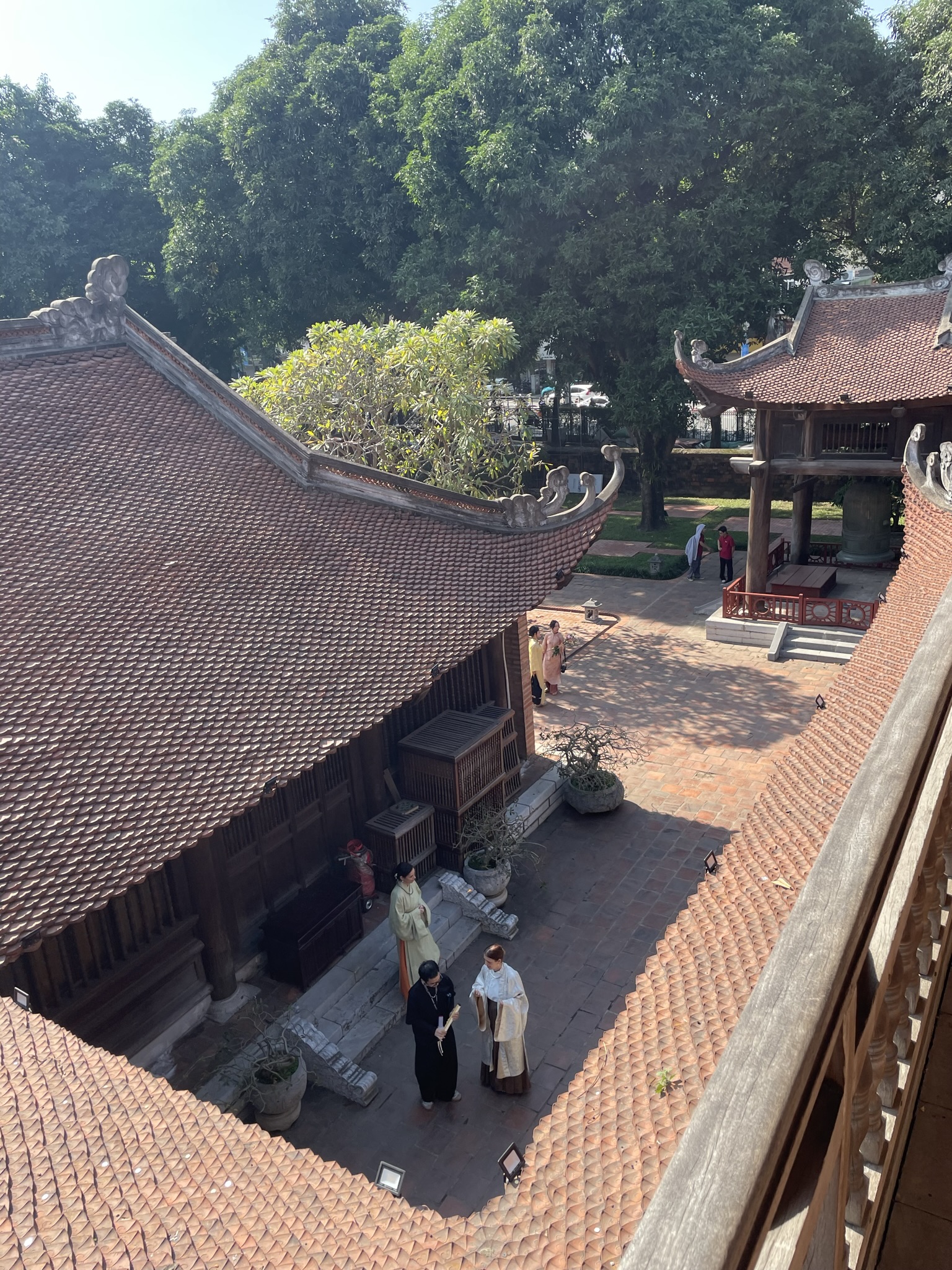
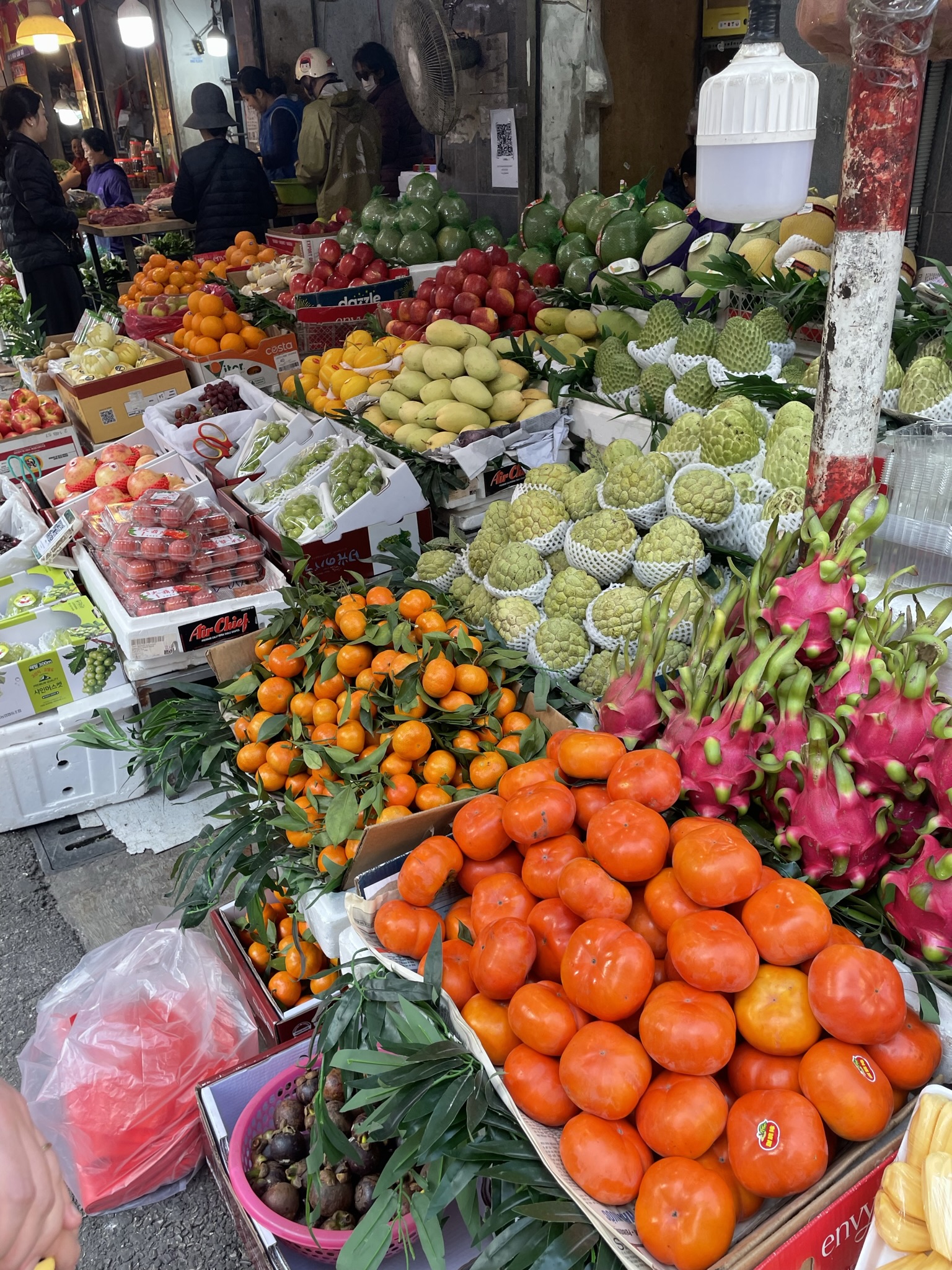
For hundreds of years, the names of successful candidates were carved into stone stelae atop stone turtles. These remain today, worn but protected under an inelegant roof that casts deep shadows over the names of the finest academic achievers in Vietnam. The bar for tourists to enter Van Dieu is much lower, tested only by the patience of a small, fast-moving line to the ticket booth. Inside, people wander the grounds, ducking around photo shoots of recent graduates decked in colourful ao dai, the fitted two-piece formal wear seen in tourist brochures. Unlike the conical non hat, the ao dai has seemingly disappeared from everyday urban life in Vietnam, trotted out only for a photo shoot to commemorate a life event or accomplishment at the one of Hanoi’s historic sites in Hanoi. Other older aspects endure – men sit clustered around low tables, dragging on cigarettes, talking between sips of room-temperature tea. Barbers ply their trade nearby, most affixing a mirror to a wall. Paired with a chair and scissors, the start up costs are low and the advertising is free. Up and down the streets walk produce sellers, sometimes with a non and a shoulder pole to carry their wares. Many still use older iron hand scales to calculate weight, but as a sign of the changing times, you may be able to tap your bank card to pay.
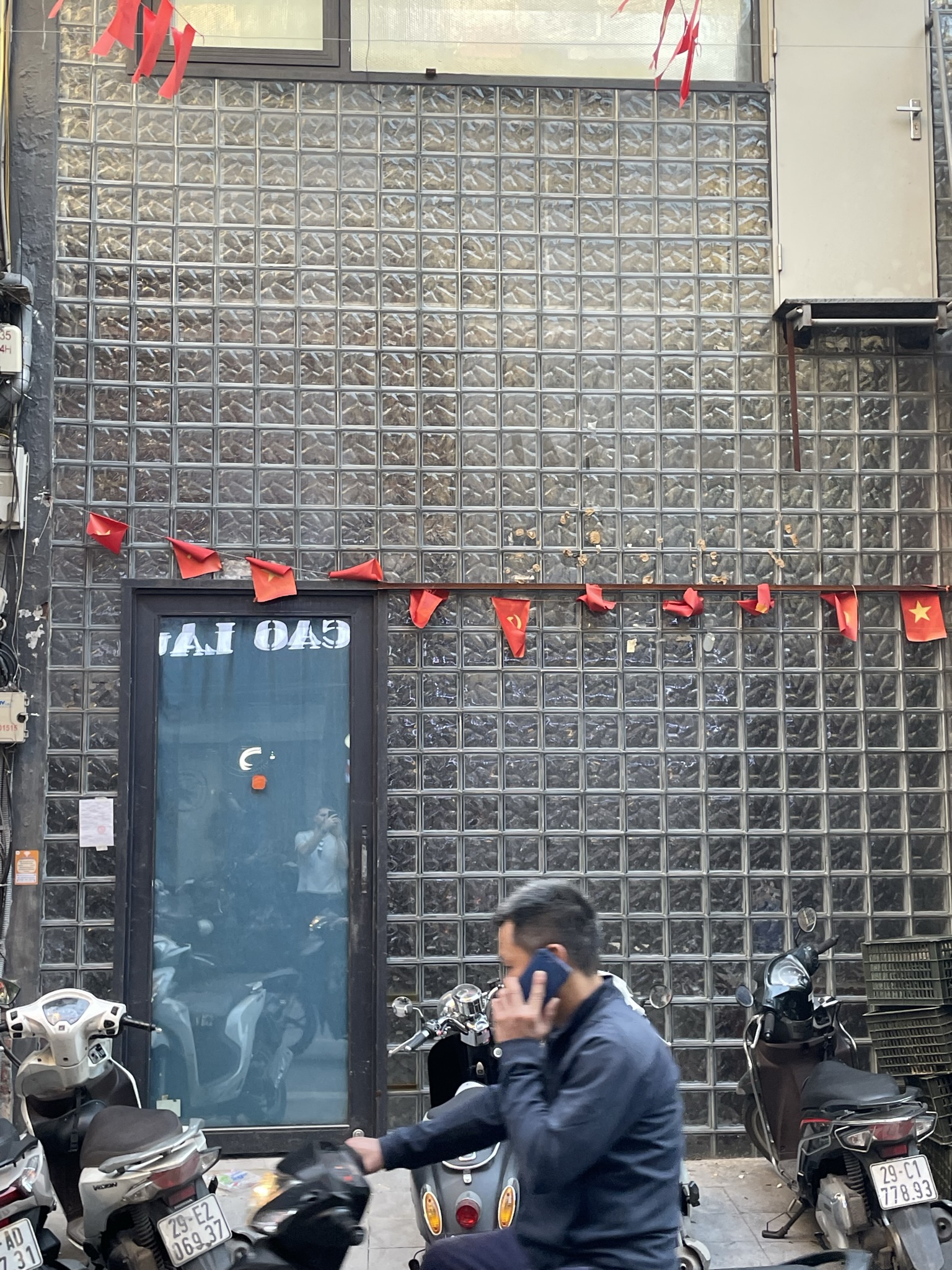
Another blend of new and old is ‘train street’, a social media favourite that is exactly what it sounds like. Here, passengers trains travel by within a few feet of adjoining buildings, people, and during our visit, poultry. Entrepreneurial instincts have transformed a few hundred metres along the tracks in the last decade, where a flowering of cafes and bars all face out to offer tourists a view and a relatively safe, relatively cheap thrill. We idled the better part of an hour over a beer and mango lassi, watching a pair of mismatched roosters, one massive, one a runt, strut back and forth, mascots for the businesses. As the train neared, the café owners whistle and aggressively herd any stray tourists into the cafes – nobody needs an injury or worse bringing the authorities down on this illegal-but-tolerated cash cow. One of the wait staff grabbed the runt rooster, lifting him up for his own protection. I didn’t ask as we weren’t ordering food, but I suspect he did not wash his hands after.
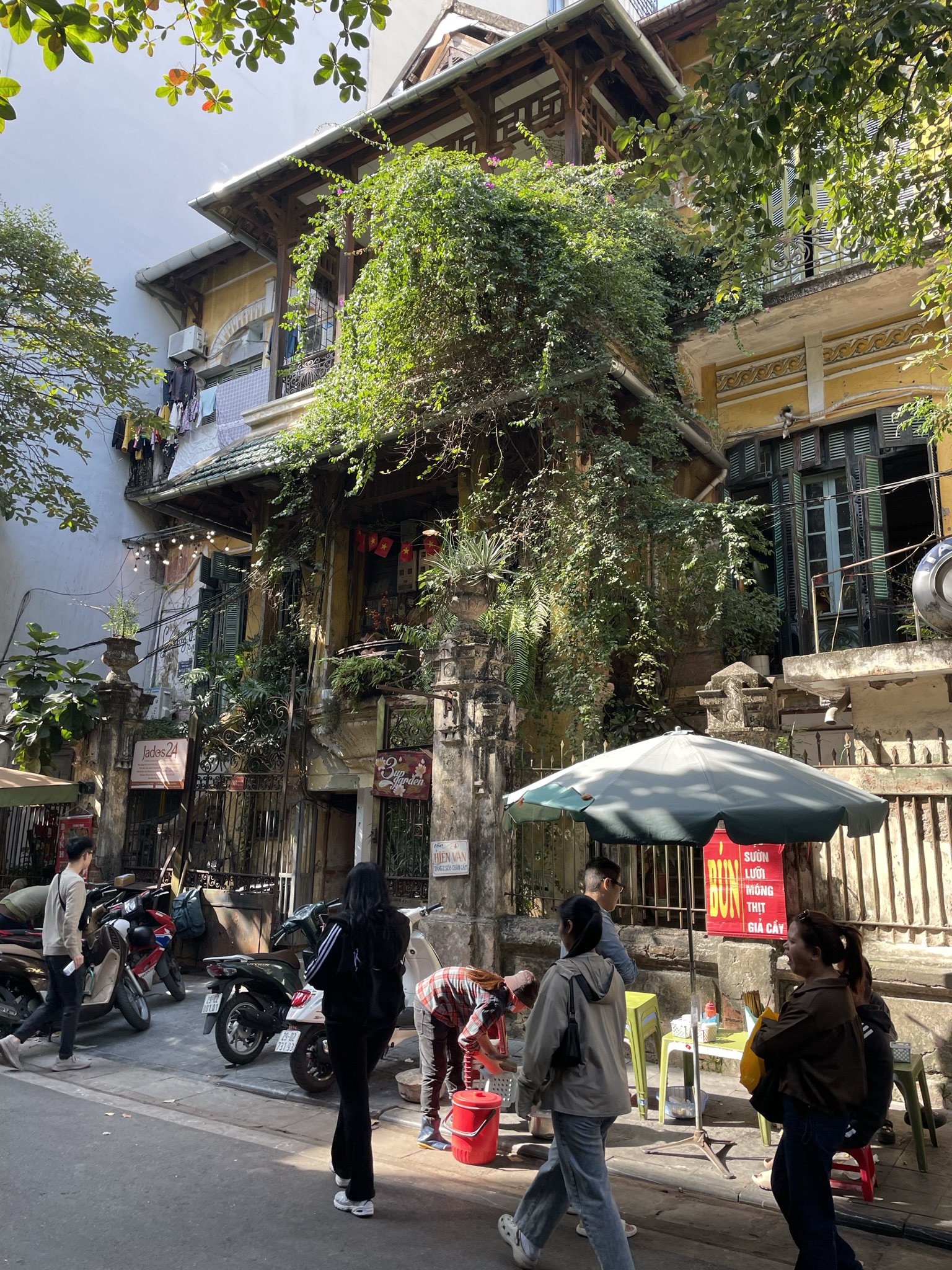
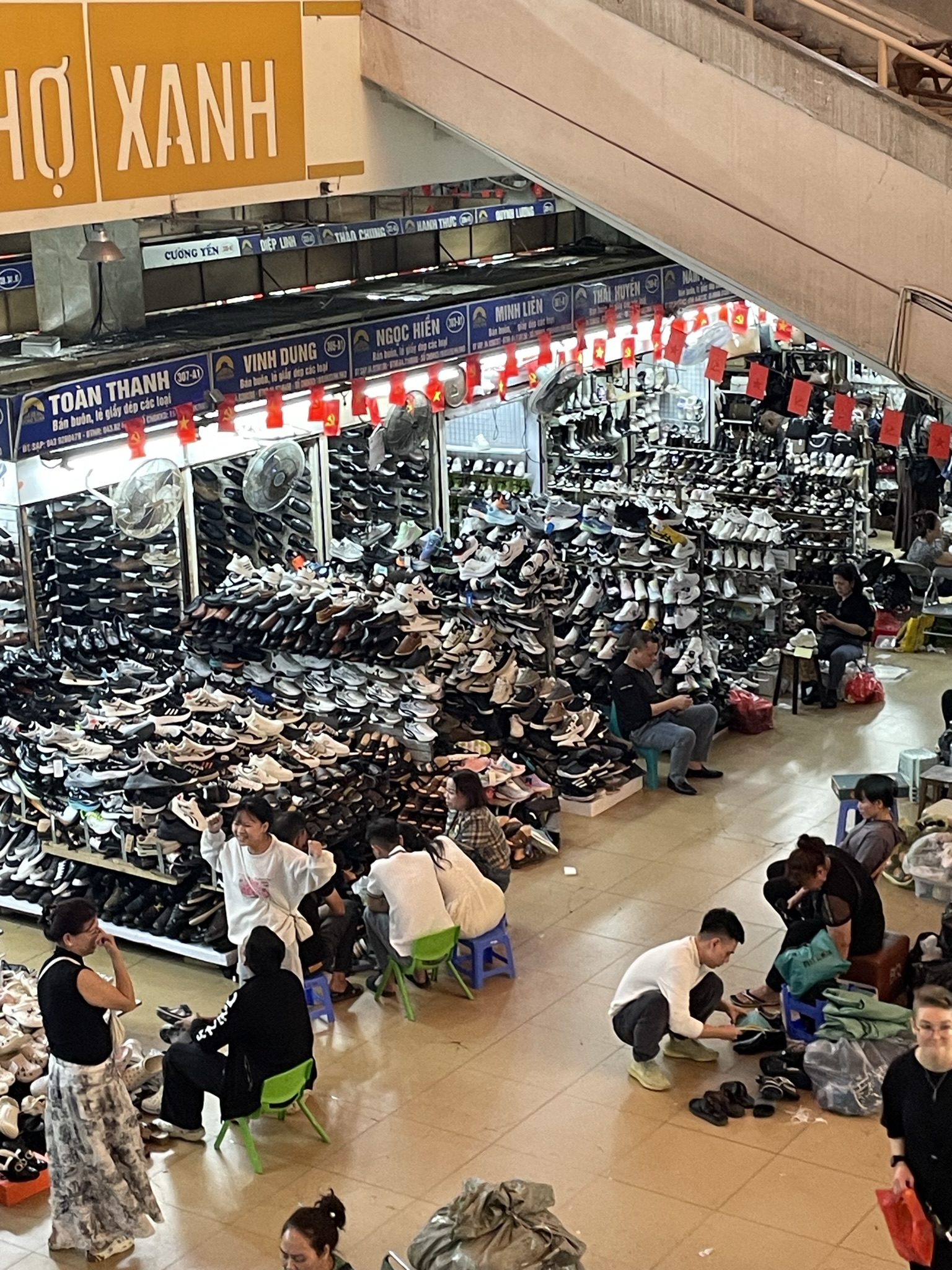
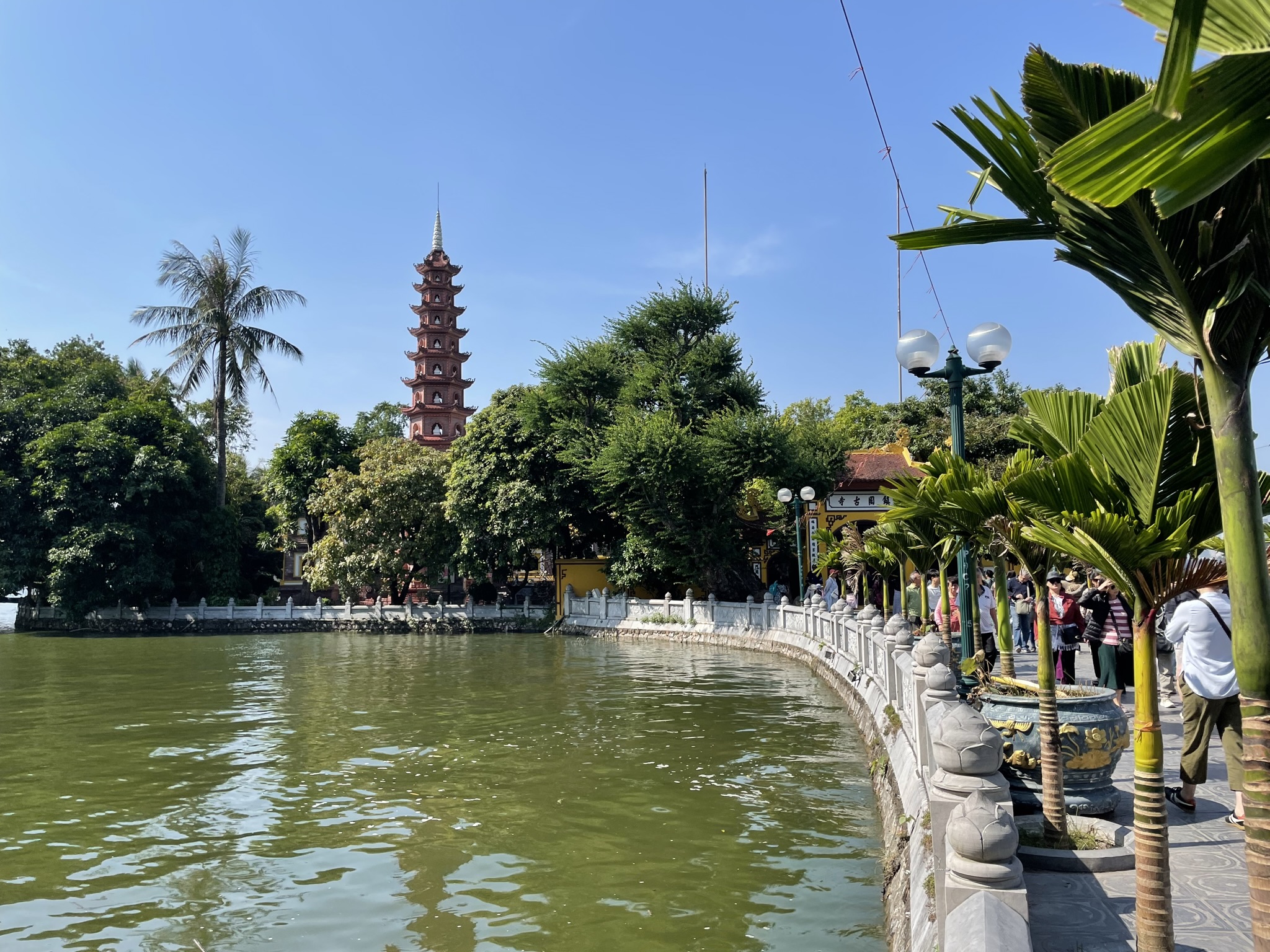
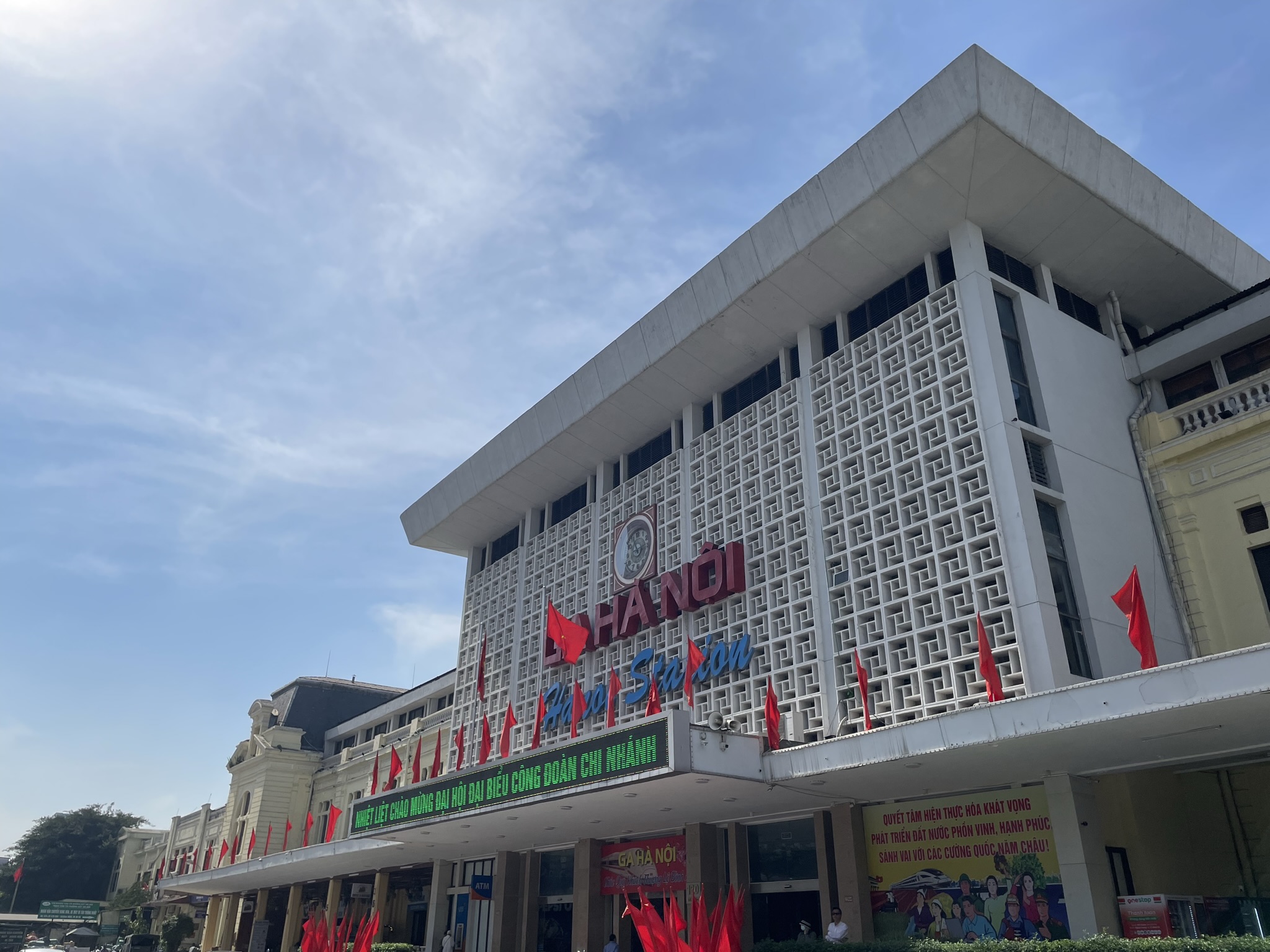
For every such hotspot, there is so much more Hanoi that beckons on, off, or near the tourist trails that cross the city. On a solo wander west of the Old Quarter, I went by the Hanoi train station, a jarring mix of (what else) French colonial wings and a starkly modern main hall. The latter is a modern, utilitarian addition after the original was wiped out by American bombs. The architecture is not to my taste, but the blended building is decidedly unique, a marker of resiliency and determination. Nearby, the Soviet-Vietnamese Friendship Centre, of a similar vintage, was obscured behind construction hoarding, disappointing me initially before I realized it was construction for a new metro station. The city is in the early stages of building out a rail system, which I absolutely made a point to ride. Highlights included fantastic views from the elevated guideway and a bizarre ticketing system where a booth attendant sticks a QR code sticker on your hand which you wave over the fare gate. That was a new one. On foot again, I navigated back alleys, alive and active with fruit and vegetable sellers, beyond the Quan Su Pagoda, a 500-year old temple tucked behind another busy street, where I tiptoed barefoot around a handful of fervently praying locals. Hanoi is nothing if not busy and varied.
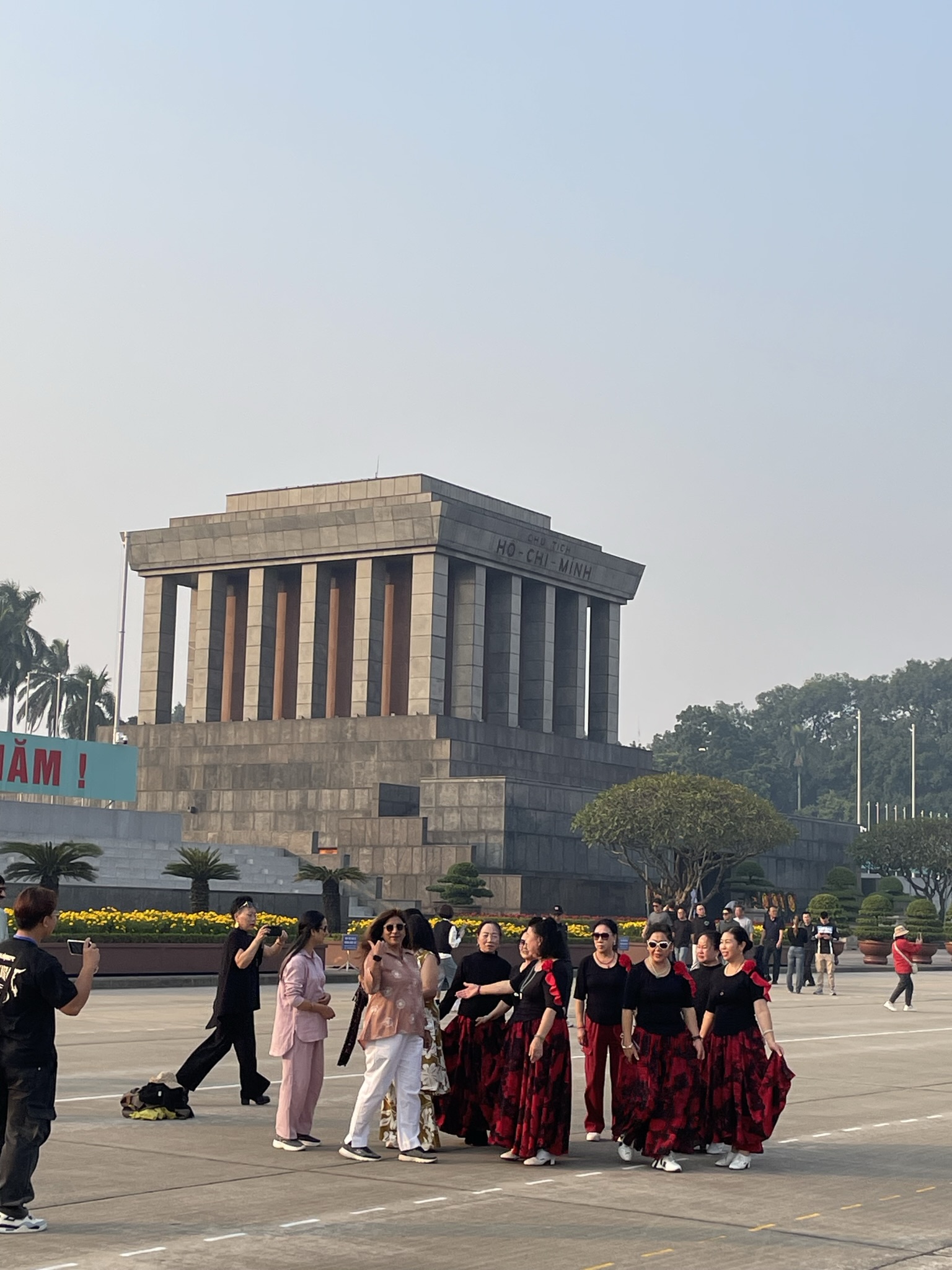
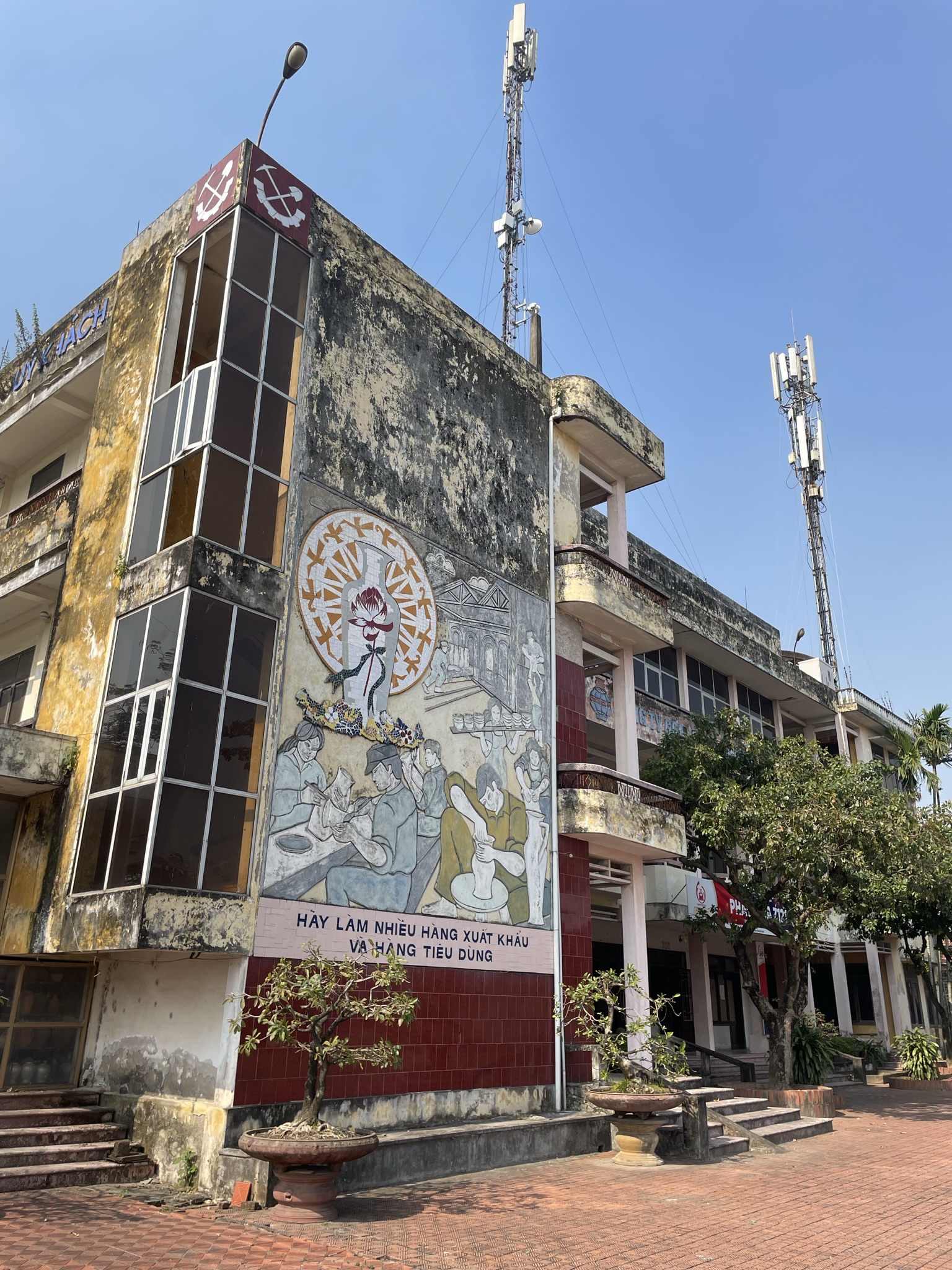
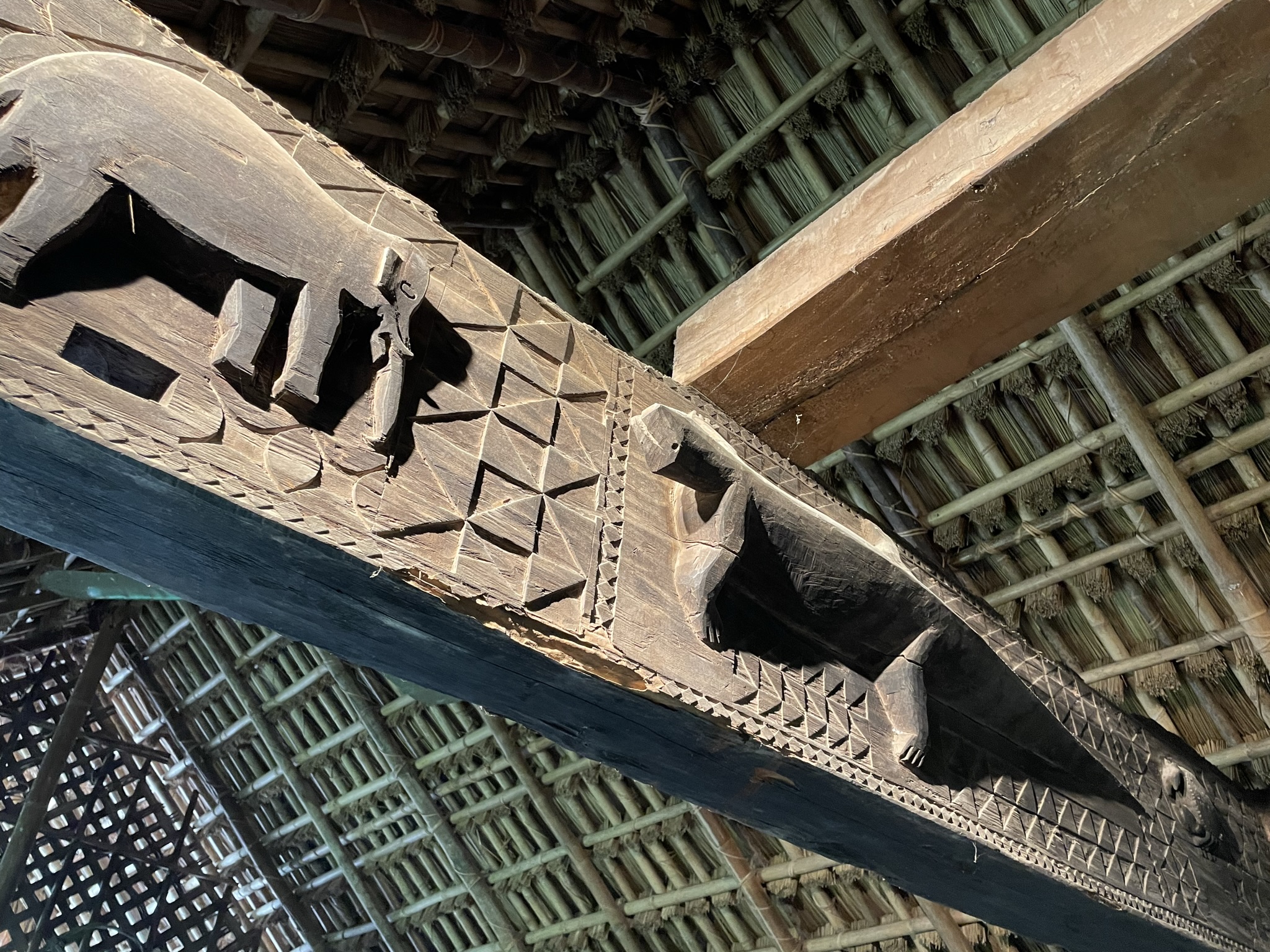
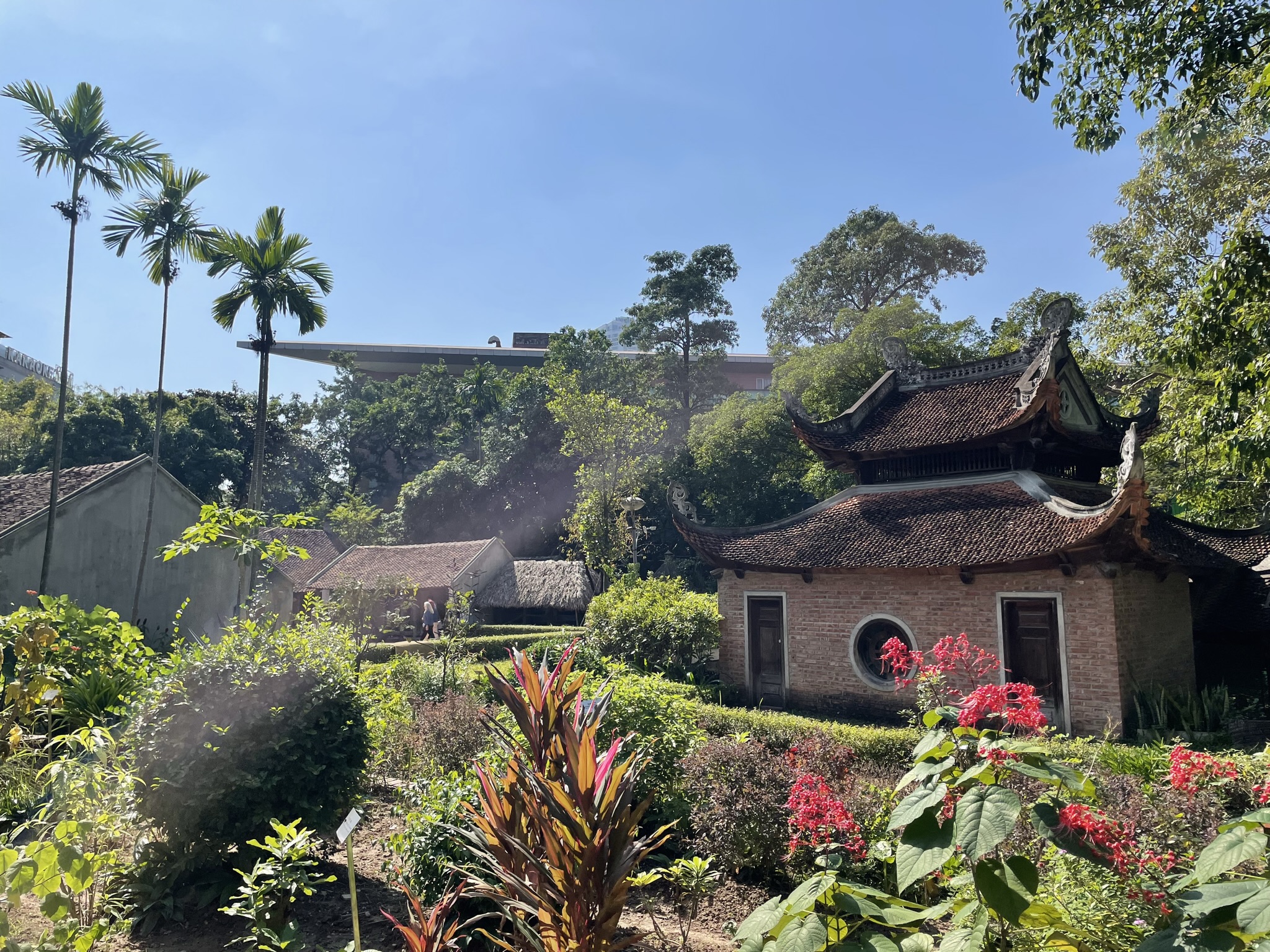
Another day we grabbed a Grab, a ridesharing app clone that has undercut the mercenary moto taxi drivers, to the Museum of Ethnology in the western districts of Hanoi. The dated but pleasant museum pays homage to the many ethnic minorities in Vietnam, including examples of different houses and ceremonial buildings relocated in full from countryside to city. Traveling to and from the museum, the expansive and prosperous face of modern Vietnam flashed by our the windows. Construction abounds, activity is nonstop. The country’s leap into the ranks of ‘Asian Tiger’ economies is deliberate, the outcome of successive and successful policies modelled off those of Deng Xiaoping’s China. The process began in the mid 80s with doi moi (“renovation”) and later 1990s updates that moved away from a strictly top-down, state-led economic plan that today seems to balance state-led mega projects while tolerating loose street-level capitalism.
For everything to see and do in Hanoi (and there was far more on my list than time allowed for), it is also a city to savour. It is hard to eat a bad meal. When you start to tire, there are ca phe outposts on practically every corner or bia hoi for the evening, offering low-percent, fresh beer and snack foods. On weekends, the environs around Hoan Kiem Lake are closed to vehicles. Manic children get their start navigating chaotic streets in mini cars, groups practice double-dutch jump roping or ballroom dancing. Outside a temple, small crowds gather to watch traditional opera being sung while farther up the road, a a few thousand people cluster around a live band performing Vietnamese pop hits (and doing it well). Families bought sweets and teenagers and young people huddled in groups on benches, content and excited. Hannah and I took slow laps around the lake, taking in the moment.
 Zak Abroad