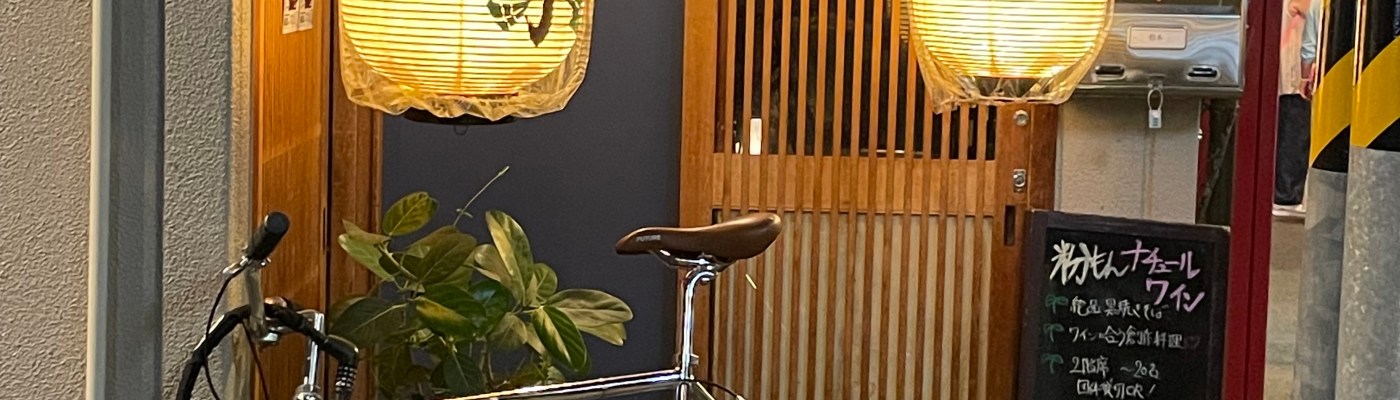
Kyoto wasn’t on my list while trip planning. Everything I’d heard was of a nice but overtouristed city, camera-toting visitors trawling the streets, trailing behind women in kimonos, snapping mindlessly, or shuffling in long, winding queues on pathways between shrines. This didn’t appeal to me and I pushed back until, in the end, the inexorable pull of the city, and availability of hotel rooms, took us here. We walked out into a hot, muggy afternoon after a day of trains running halfway down the country. The streets bustled despite the heavy heat and Kyoto, for all its history as the long-standing capital of Japan, instead impressed me as a modern metropolis, at odds with the postcard photos of shrines, temples and toriis. In the end, Kyoto quickly won me over.
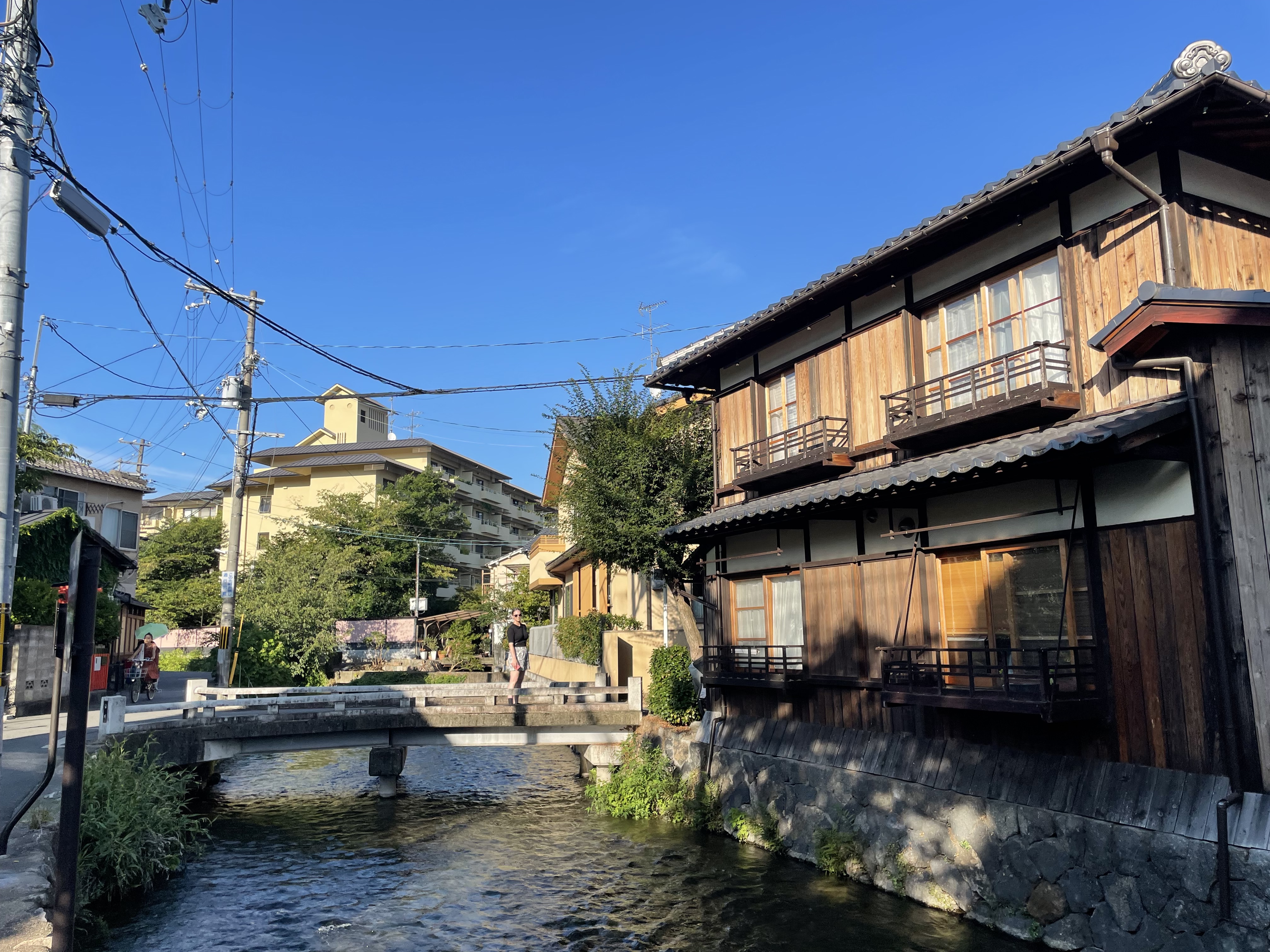
Kyoto dates back to the 9th century, an imperial seat founded after a succession of also-rans that fell short. The city is surrounded on three sides by steep, low hills, boxing in the wide and shallow Kamo River running south placidly, crossed by a skein of canals and smaller waterways. Kyoto’s physical structure pulls from Chinese planning principles, laid out as a grid and centered on the imperial palace. The power and influence of the unbroken string of Japanese emperors radiated out from here, up and down the Japanese islands, enforced by samurai until the early 1600s, when the country was fully unified under the leadership of the Tokugawa shoguns. These military leaders, nominal servants of the emperor, exercised authority during the 250 years of the Edo period, when the nation shrank into a self-imposed isolation.
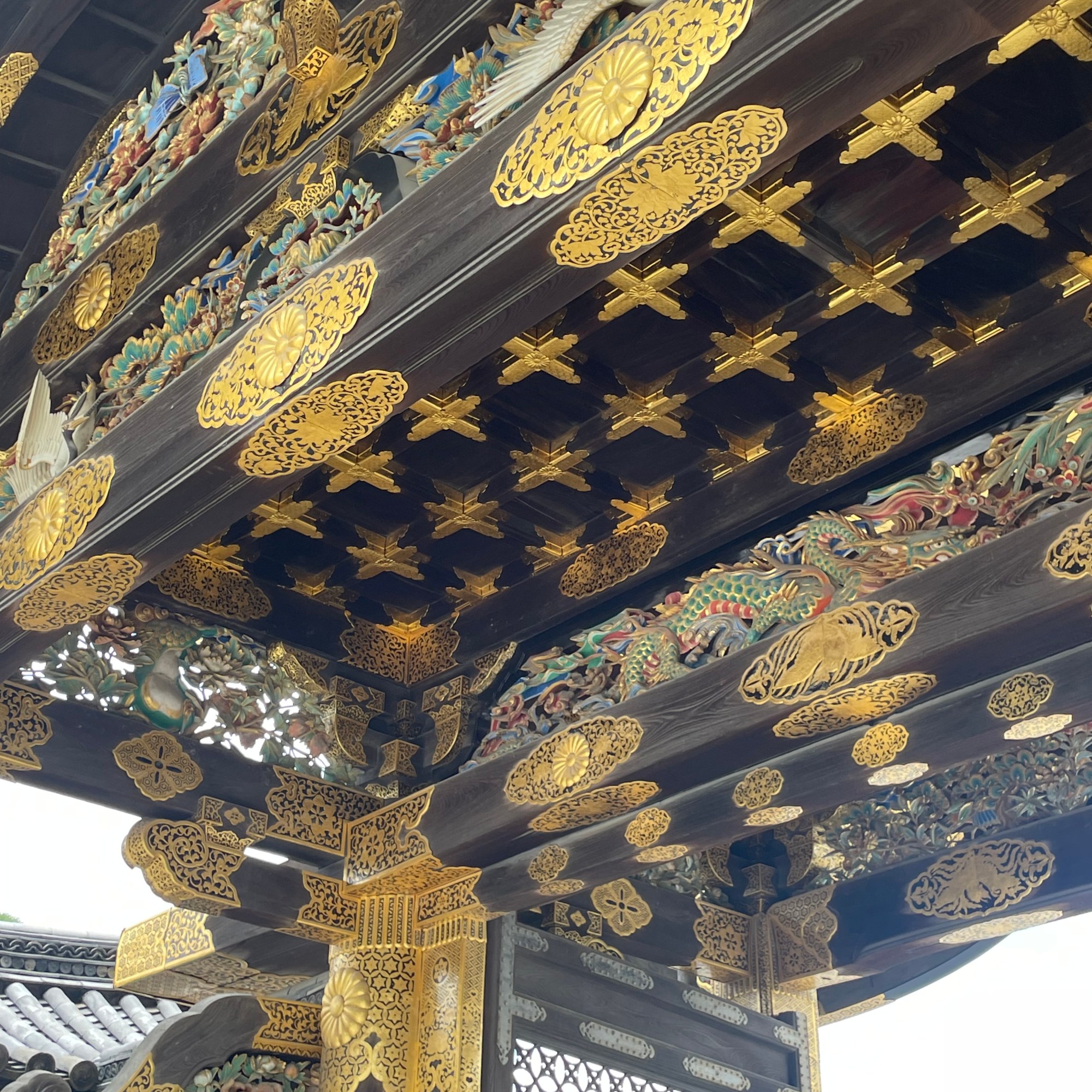
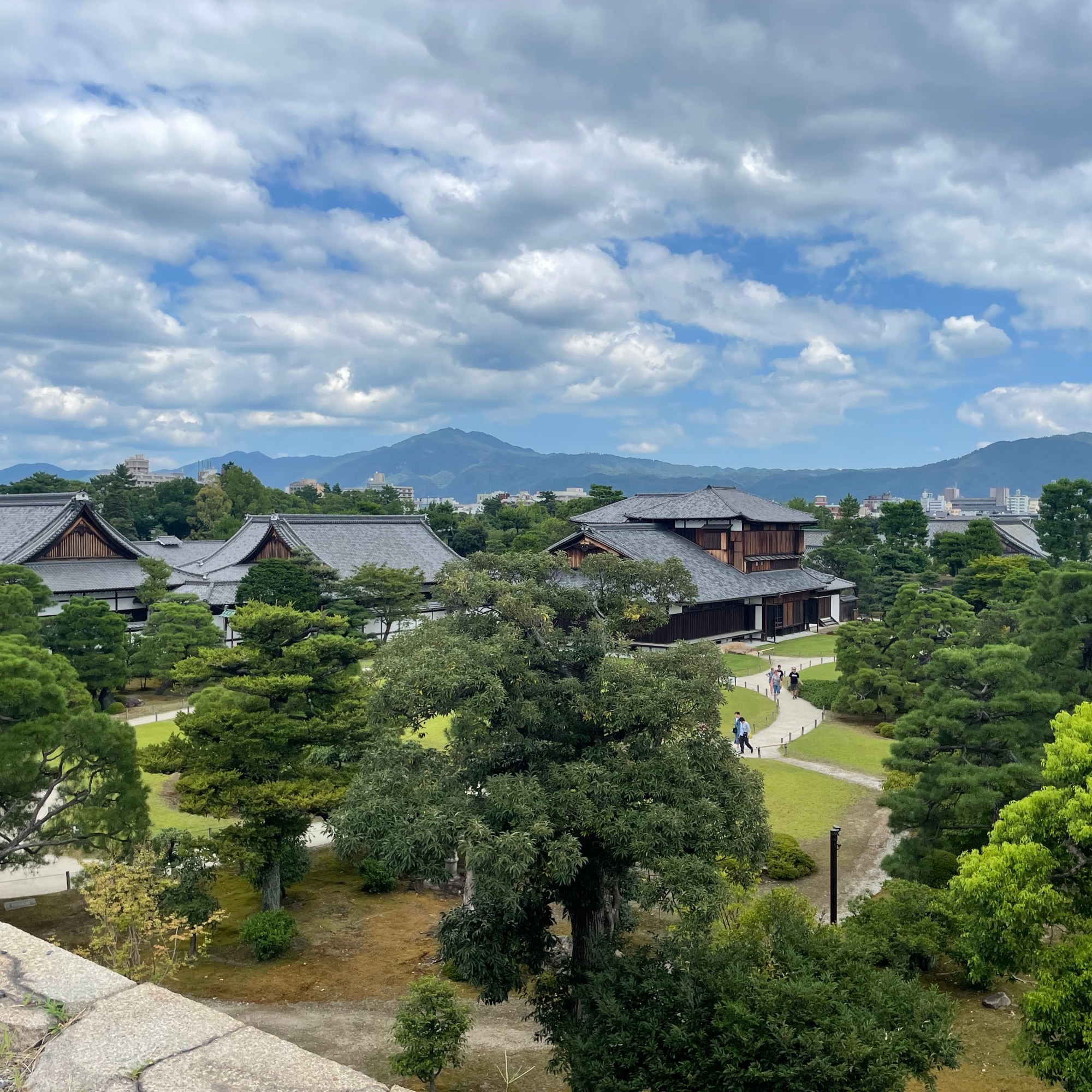
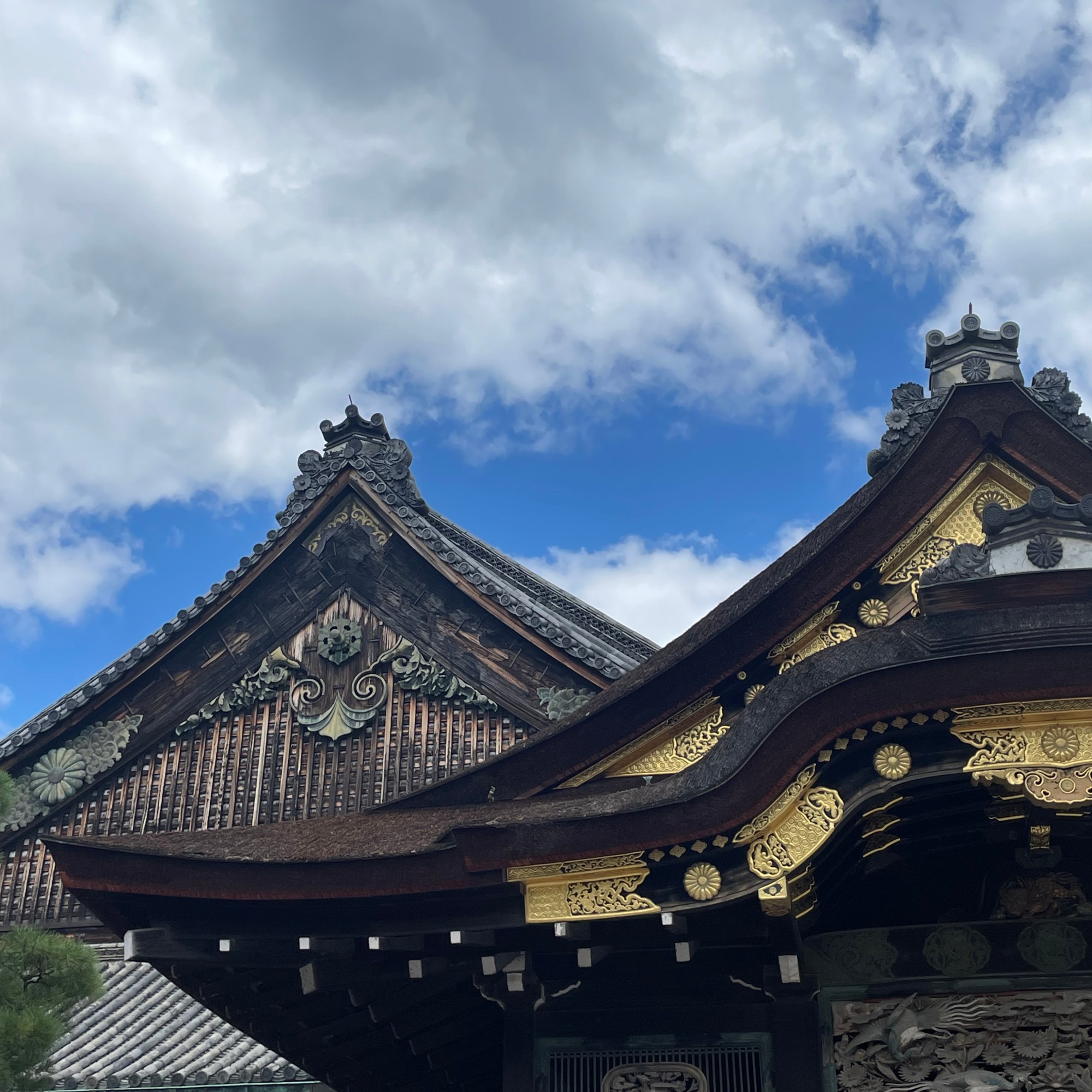
The Tokugawa shogunate put its base in Kyoto’s Nijo-ji castle, a sprawling complex southwest of the imperial palace. Today it imposing wall and moat have been penetrated by tourists, behind which is the low and elegant palace, an understated assemblage of peaked roofs and dark woods framed in straight lines and outer hallways that creak underfoot. Nijo-ji contrasts sharply with its European contemporaries, absent the pomp and excess of a Versailles or Schonbrunn. Instead it reveals itself in a series of hallways and passages, simple forms connecting spacious rooms, sliding doors and walls bearing carefully rendered landscapes and animals. For over two centuries, the Tokugawa presided here before Edo abruptly ended in the mid-19th century, signaled by the arrival of the coal-fired “Black Ships” of Commodore Perry. The would-be colonizers forced the opening of Japan to a bigger world. Within a decade, the shogunate had fallen and samurai were turned loose as wandering ronin. In their stead was an aggressive and breathtaking modernization regime, staving off Western imperialist ideas. Instead, Japan spread its wing around the Pacific Rim. Hokkaido, Korea, the Kuril Islands, Taiwan and Manchuria were all added to the list of national possessions.
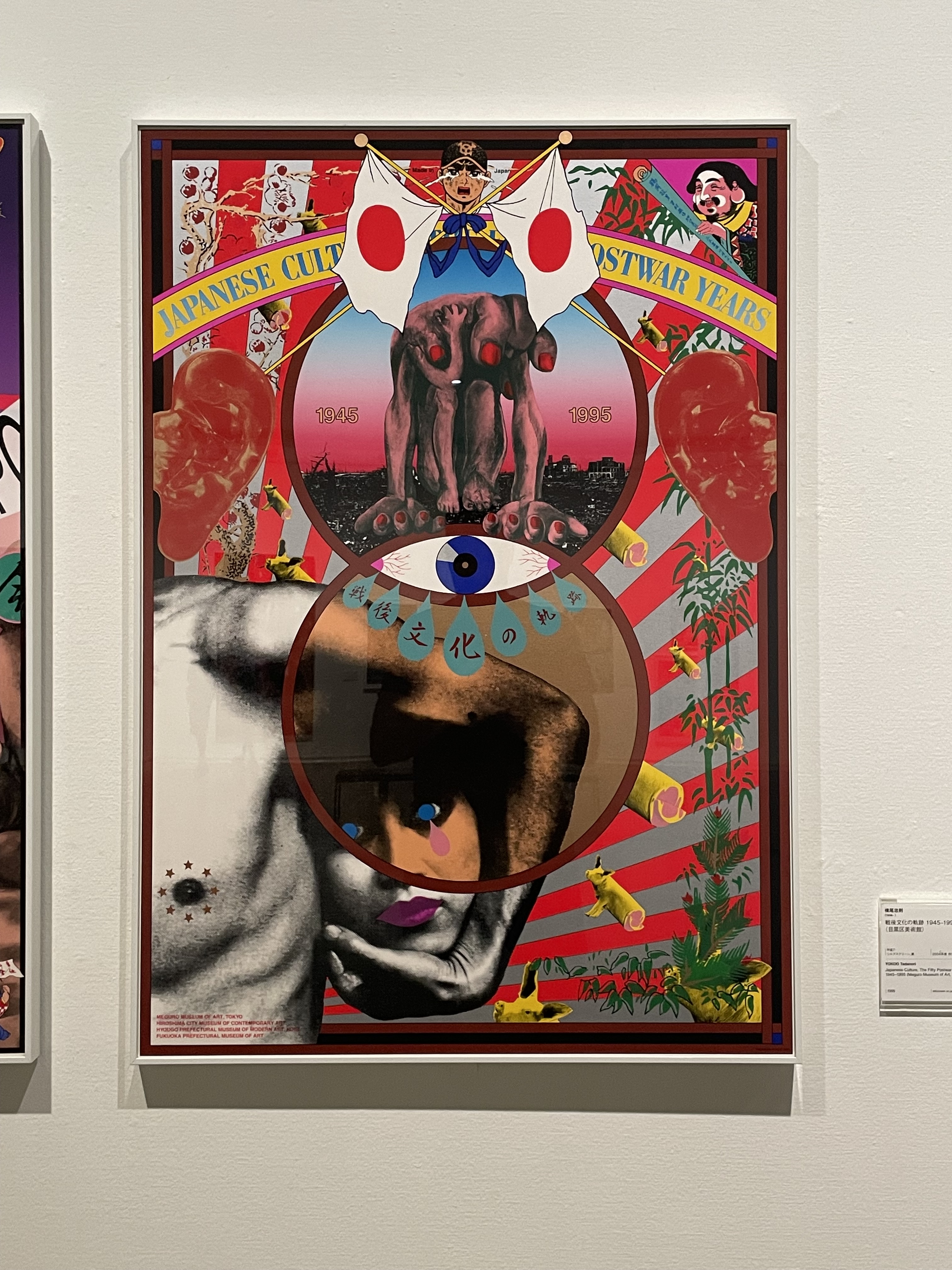
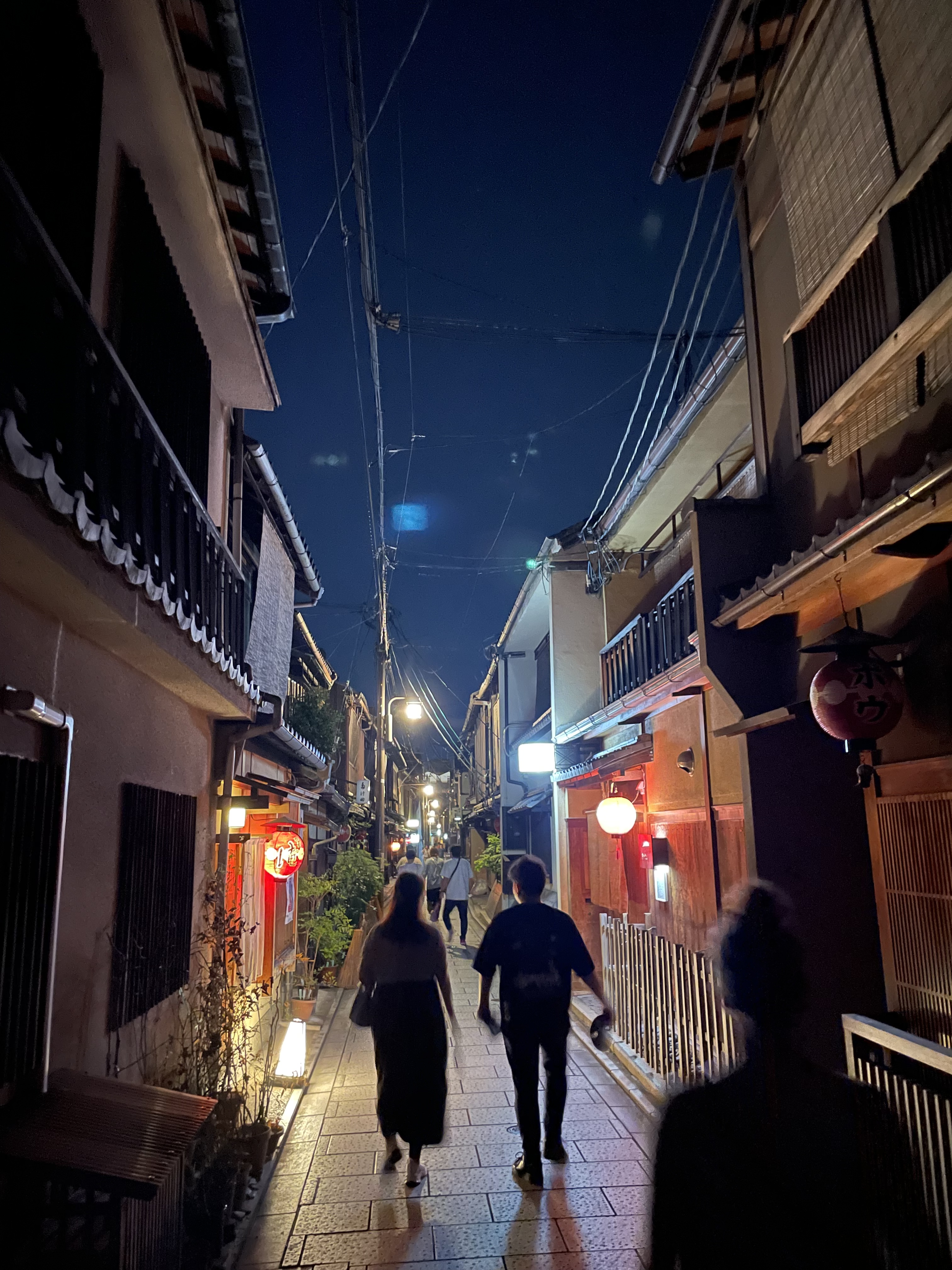
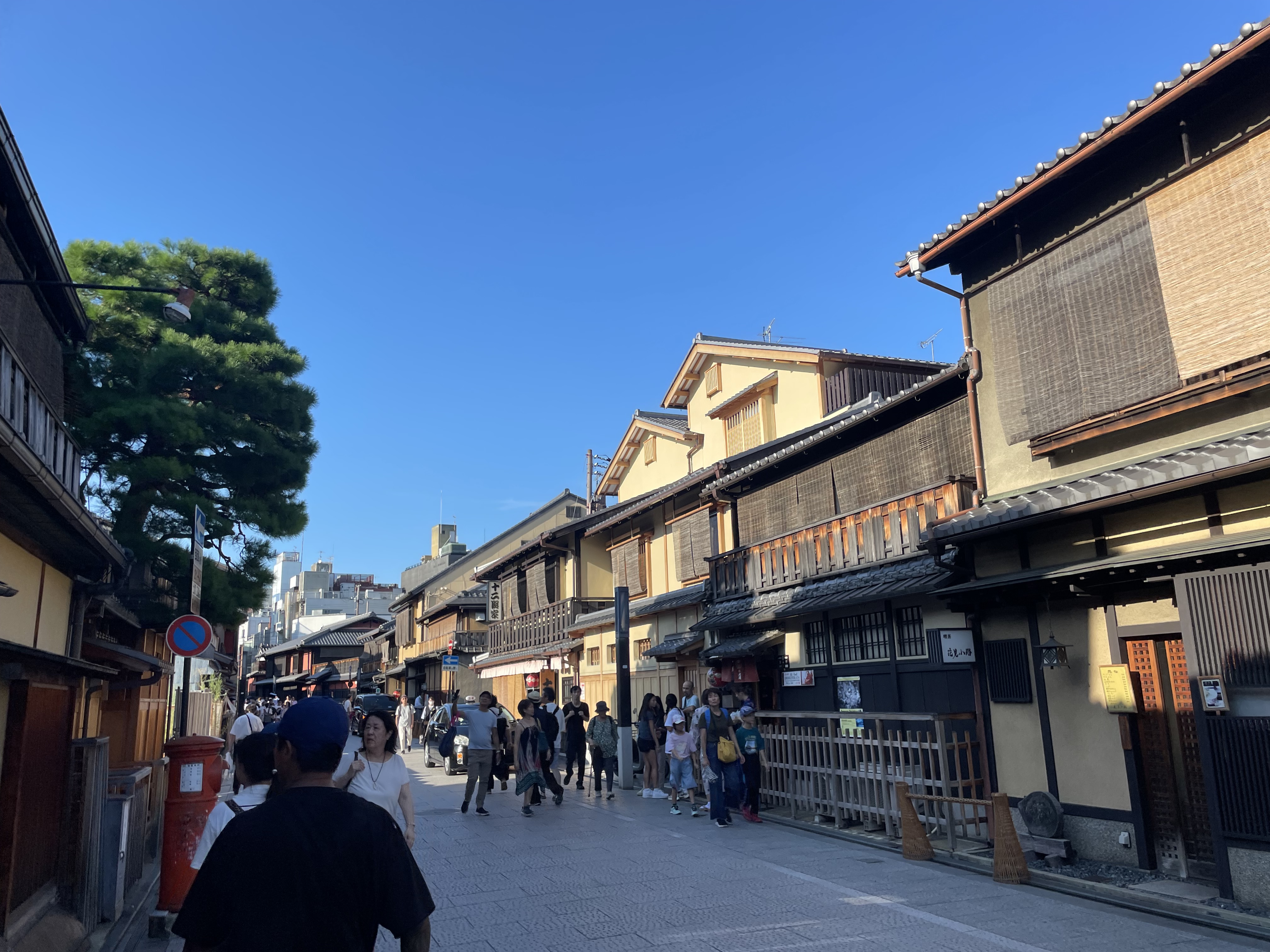
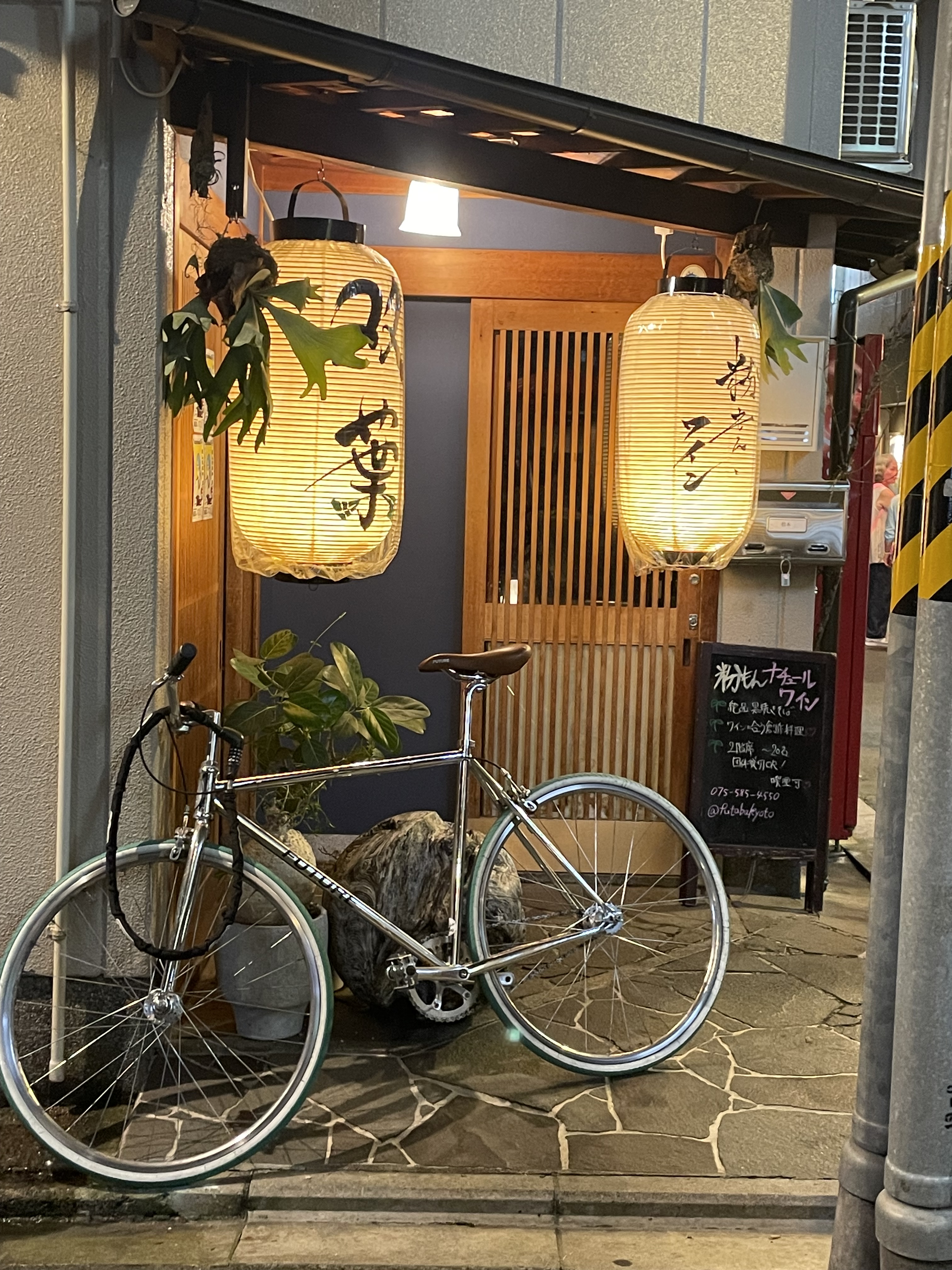
That expansionist tidal wave crashed against the calamitous end of the second world war, though Kyoto was spared much of the wartime destruction. Behind the wide grid of boulevards is a subtler city of narrow lanes, hinting at pre-automotive days. Restaurants are discreetly screened off by wooden slats or short curtains hung over entries, offering a sense of discovery when one is bold enough to push through these mild defenses. We spent our days wandering between sites and meals, holding our course to these back alleys or to canal-side paths, cutting quietly by buildings. With sundown, wide patios over the river, perched on narrow stilts, fill up. Below, along the shore, people sprawl in small clusters on the grass, taking in the vista.
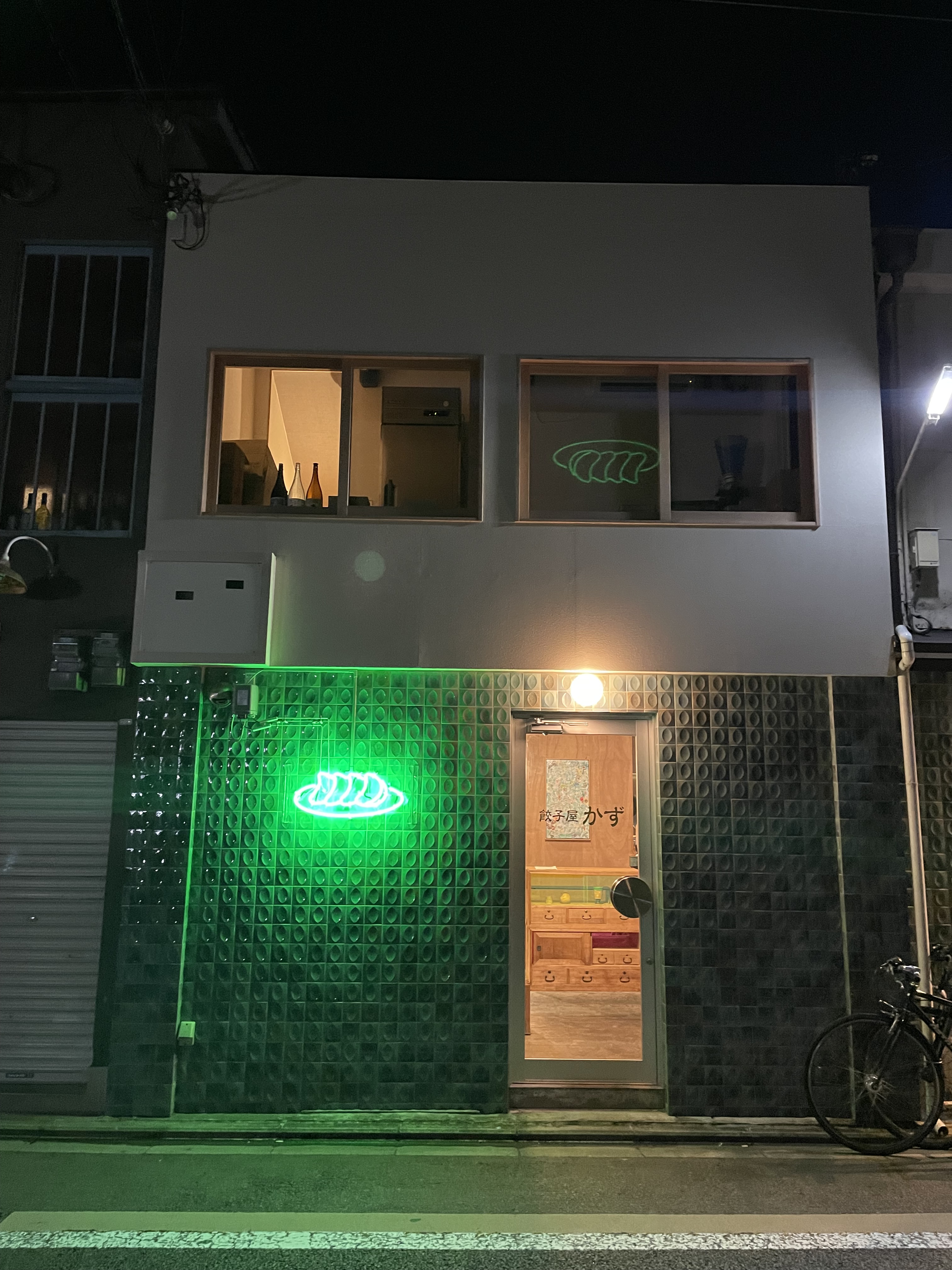
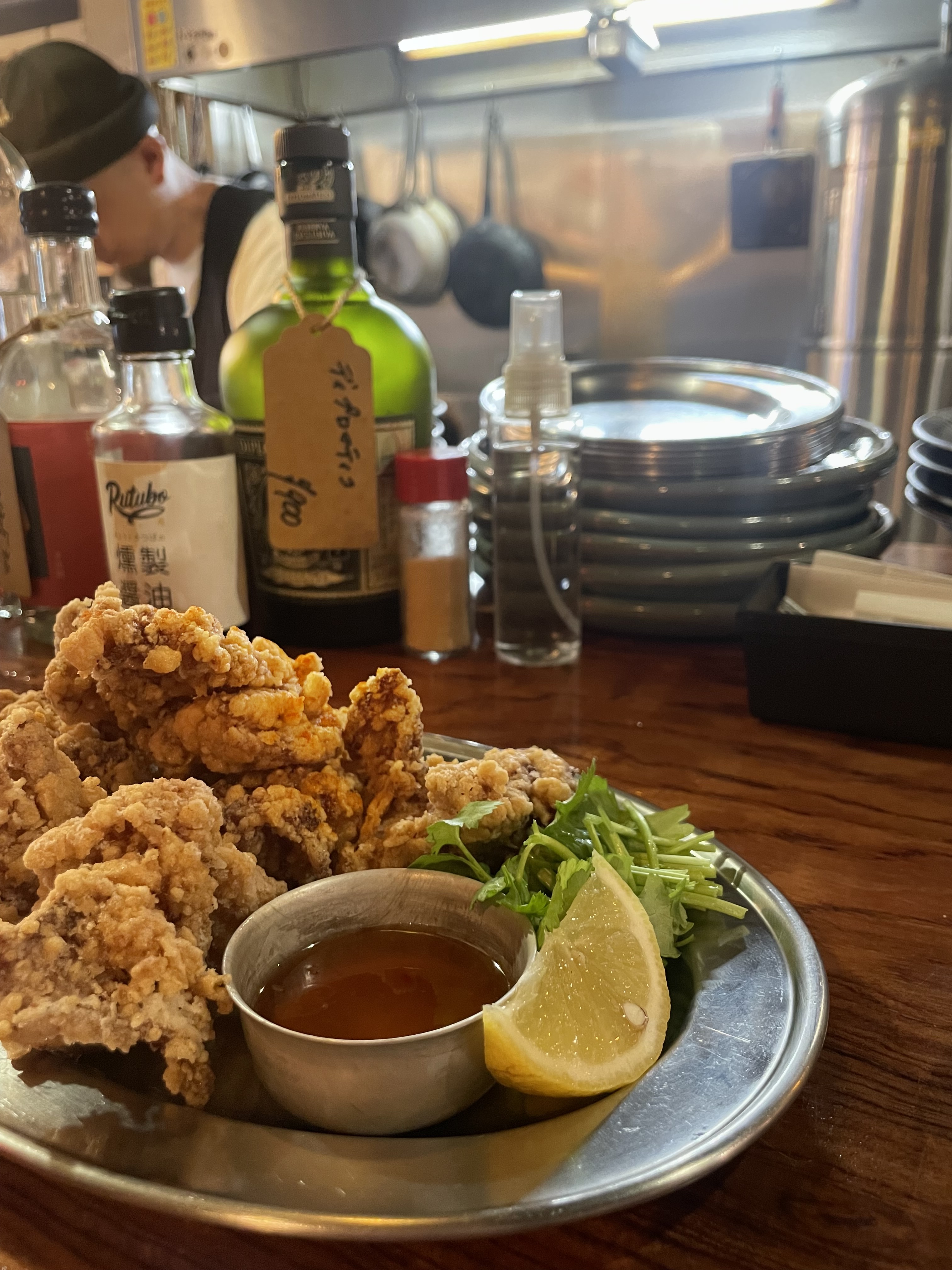
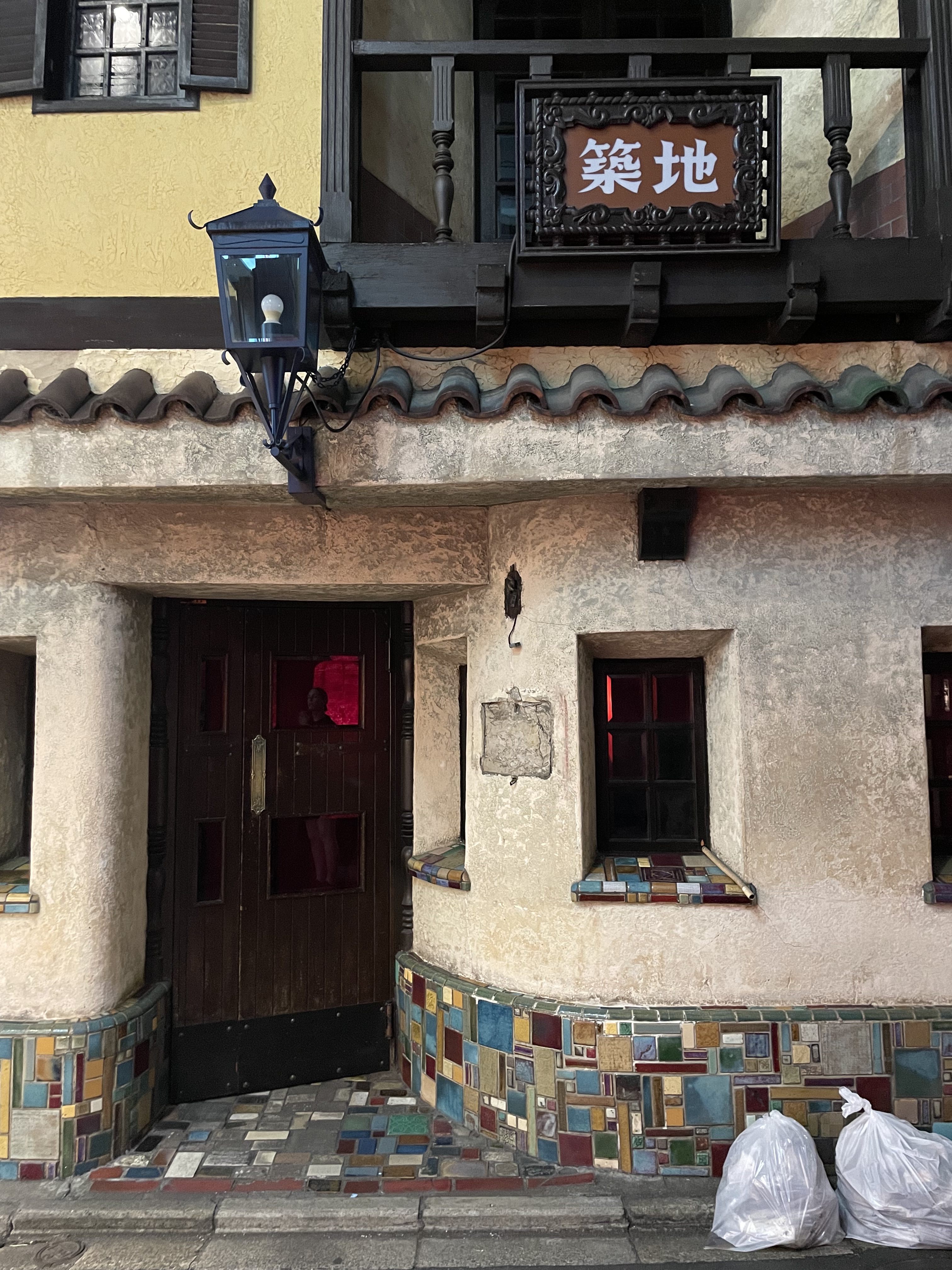
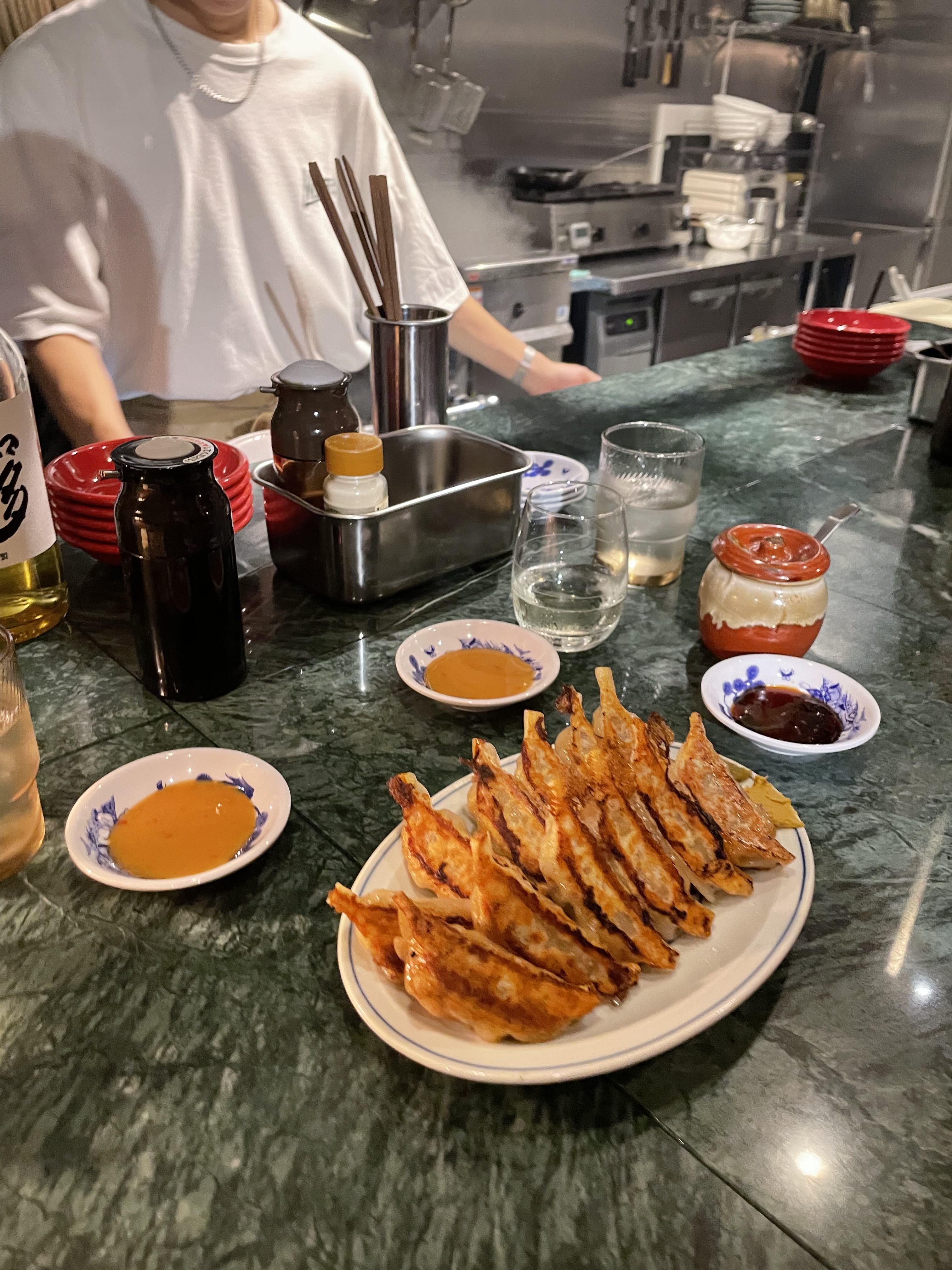
We went by a few of the temples and shrines, Buddhist and Shinto, but honestly I am not sophisticated enough to make seeing more than a handful worthwhile. Ultimately Kyoto has enough of its own to see and to eat, an area where I can better appreciate nuance. For this, we headed to Coppie, a restaurant Hannah had researched months in advance, for a kaiseki dinner. Kaiseki is a sequence of small, carefully considered and balanced dishes, put forth by the chef. Our counter seats were directly in front of the head chef, a serious and solemn man who prodigiously prepared and plated each course before servers whisked them off to us. A few highlights: a partially diced grilled fish, skin on and grilled with a perfect balance of crisp and juicy, a fine horse tartare over butter and toasted bread, and a softly blended wasabi-mango sherbet. Another night our dining choice was simpler, beckoned in by a simple green neon dumpling sign. Once again, meals in Japan were a continual pleasure.
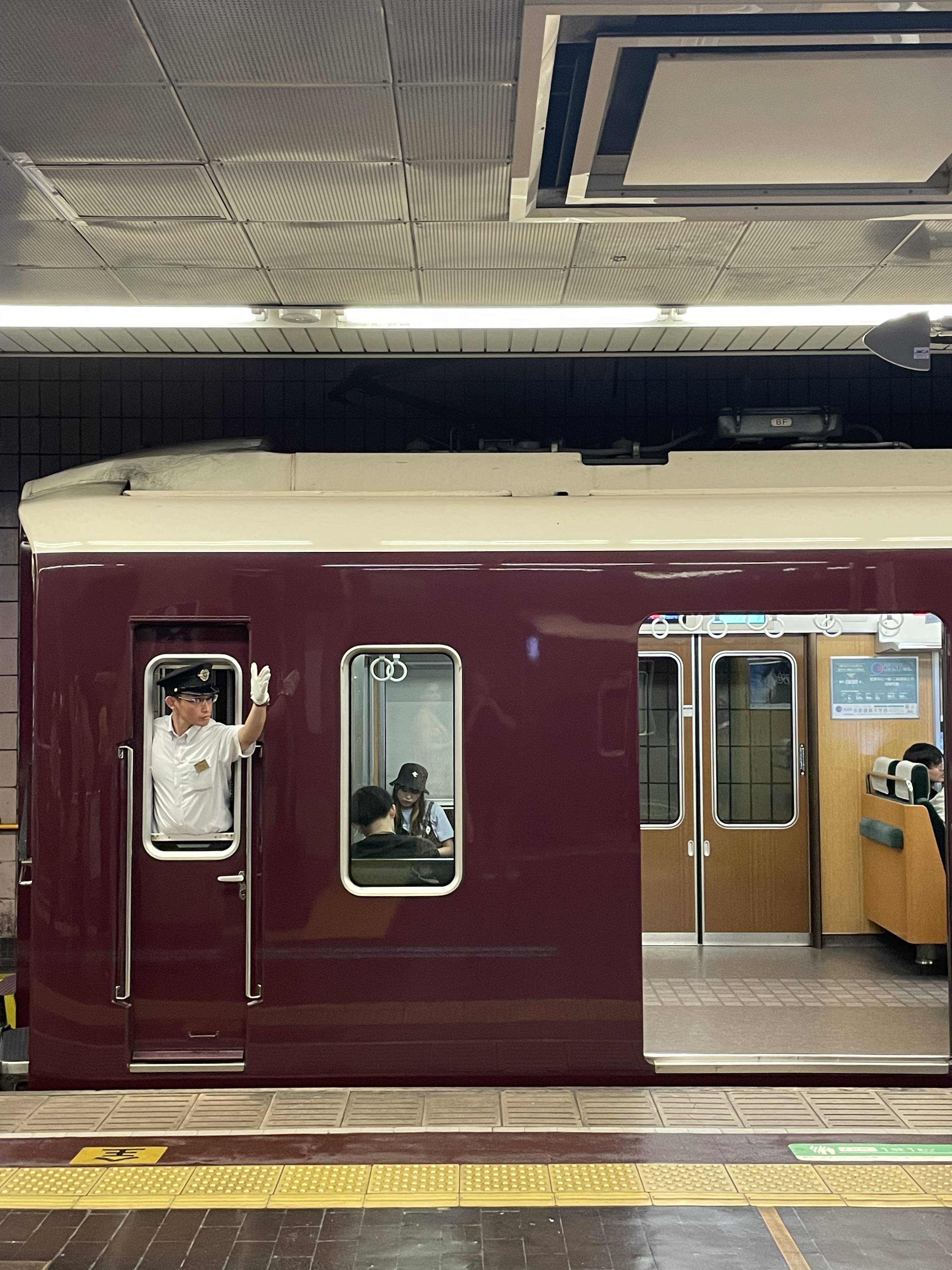
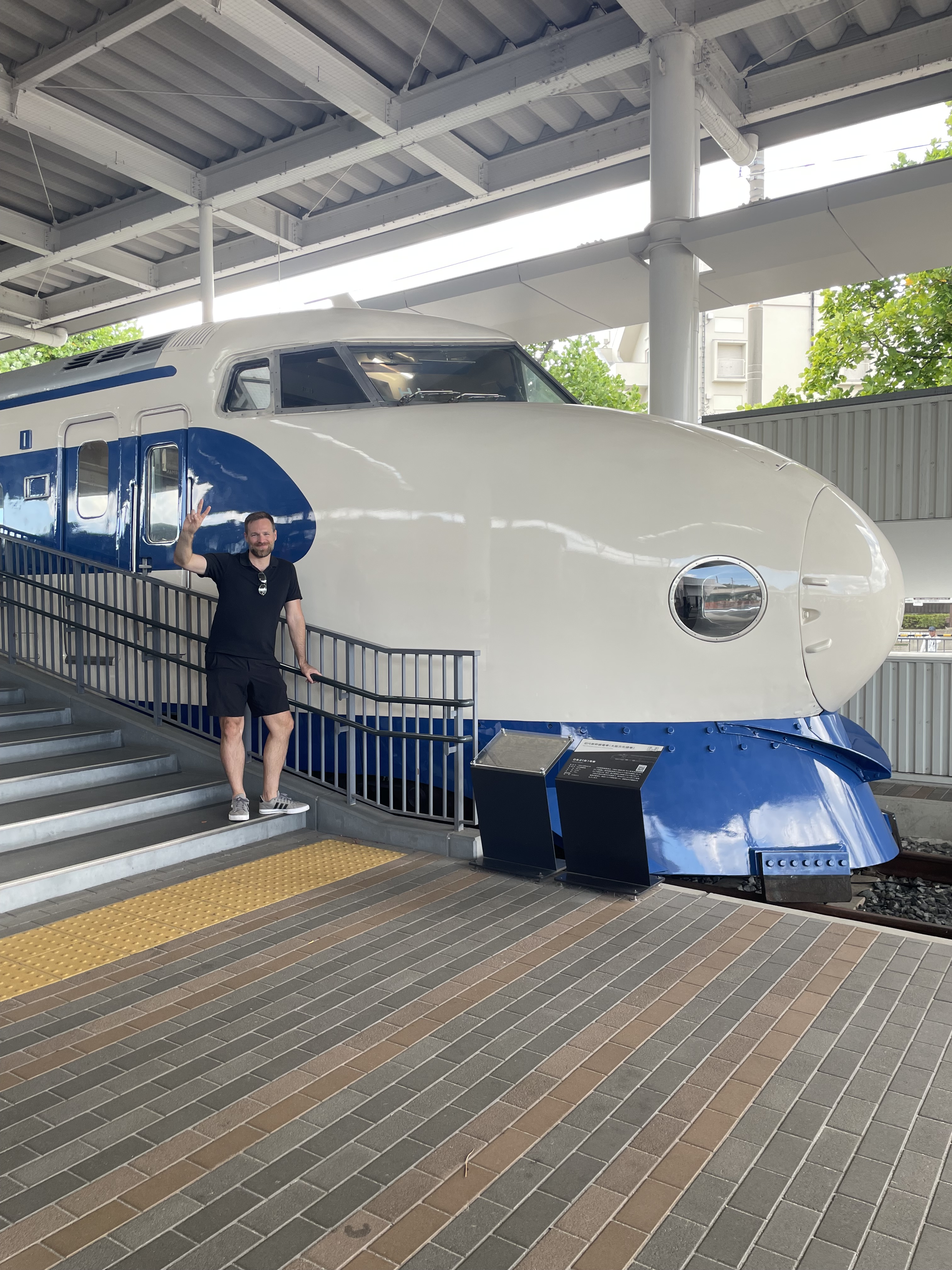
Hands down one of my favourite stops was the Kyoto Railway Museum, a sprawling warehouse-like building in the middle of a triangular knot of tracks. Post-war Japan’s booming economy led to the 1964 Tokyo Olympics, a showcase of the country’s reemergence on the world stage. Central to this was the shinkansen, the world’s first bullet trains whose inaugural leg connected Osaka to Tokyo, via Kyoto, in a few brief hours. Today these trains are the backbone of national travel and that first shinkansen train is preserved, gleaming and well cared for at the museum. I was overjoyed to take a few brief moments seated in the driver’s seat of this blue-and-white behemoth, breathing in the history it represented.
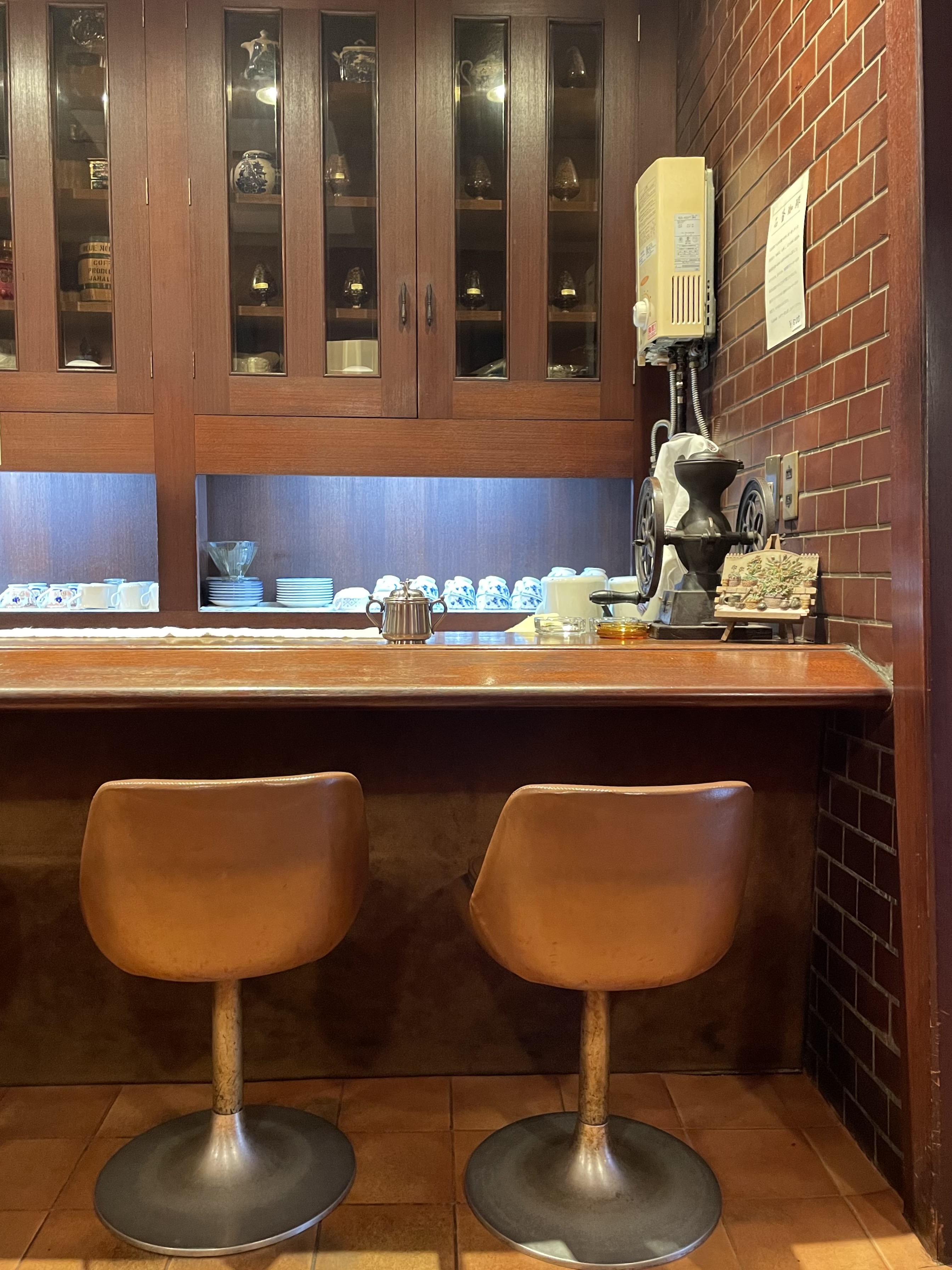
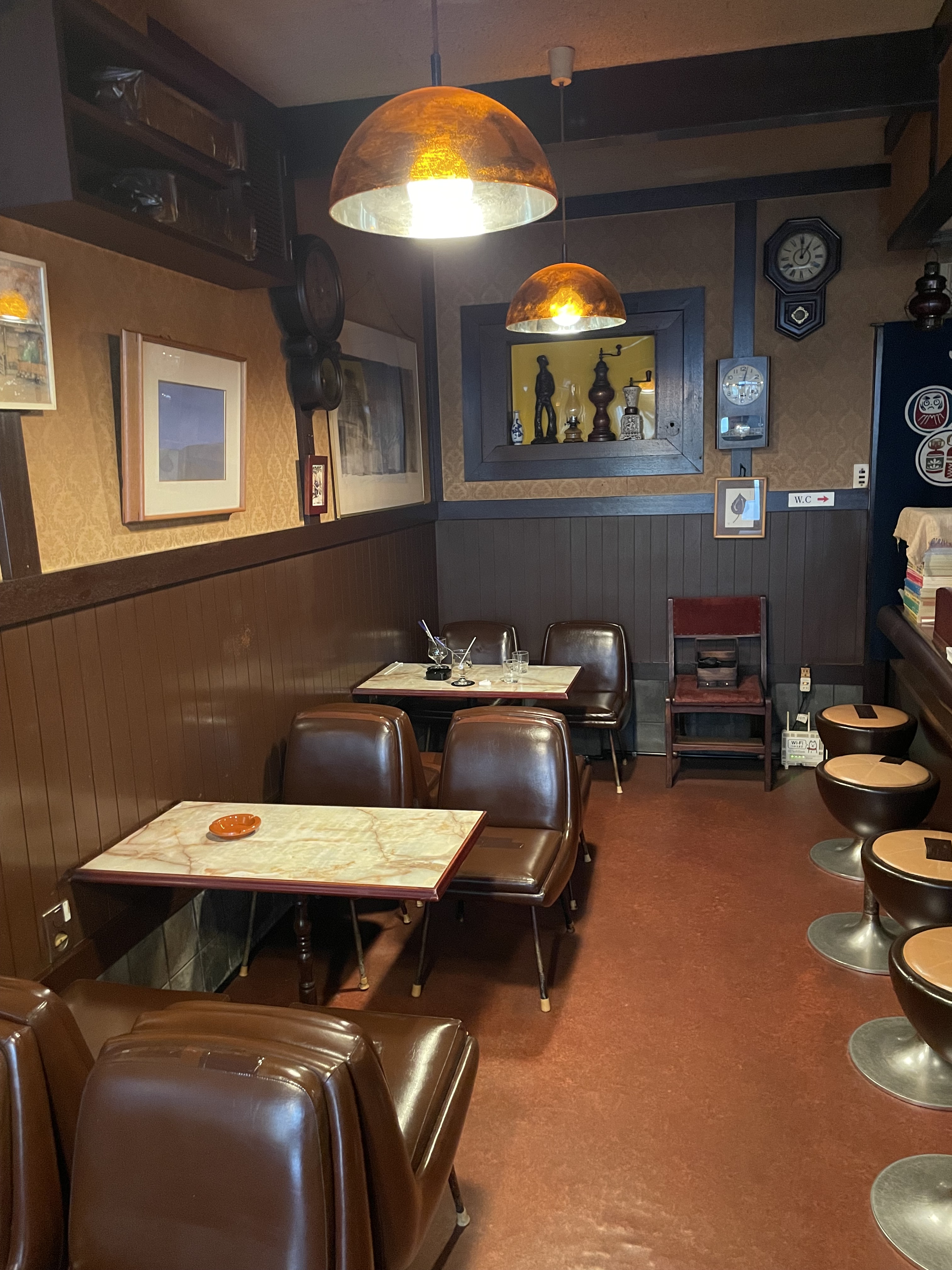
Shinkansen aside, there were other, smaller pleasures in Kyoto. By chance one morning we discovered the kissaten. These are an inconspicuous style of coffee shops, now in decline, interiors lined with wood panels or wallpapers, with low modernist tables and leather chairs. The menus are typically straightforward, a selection of toasts or sandwiches, all on crust-less white bread, with coffee and tea available. All of this is usually proffered by an older man in a crisp white shirt and tie, both anachronistic and charming. Despite being one of the few places where indoor smoking is still allowed, I was immediately hooked and for the rest of the trip was seeking out local kissatens.
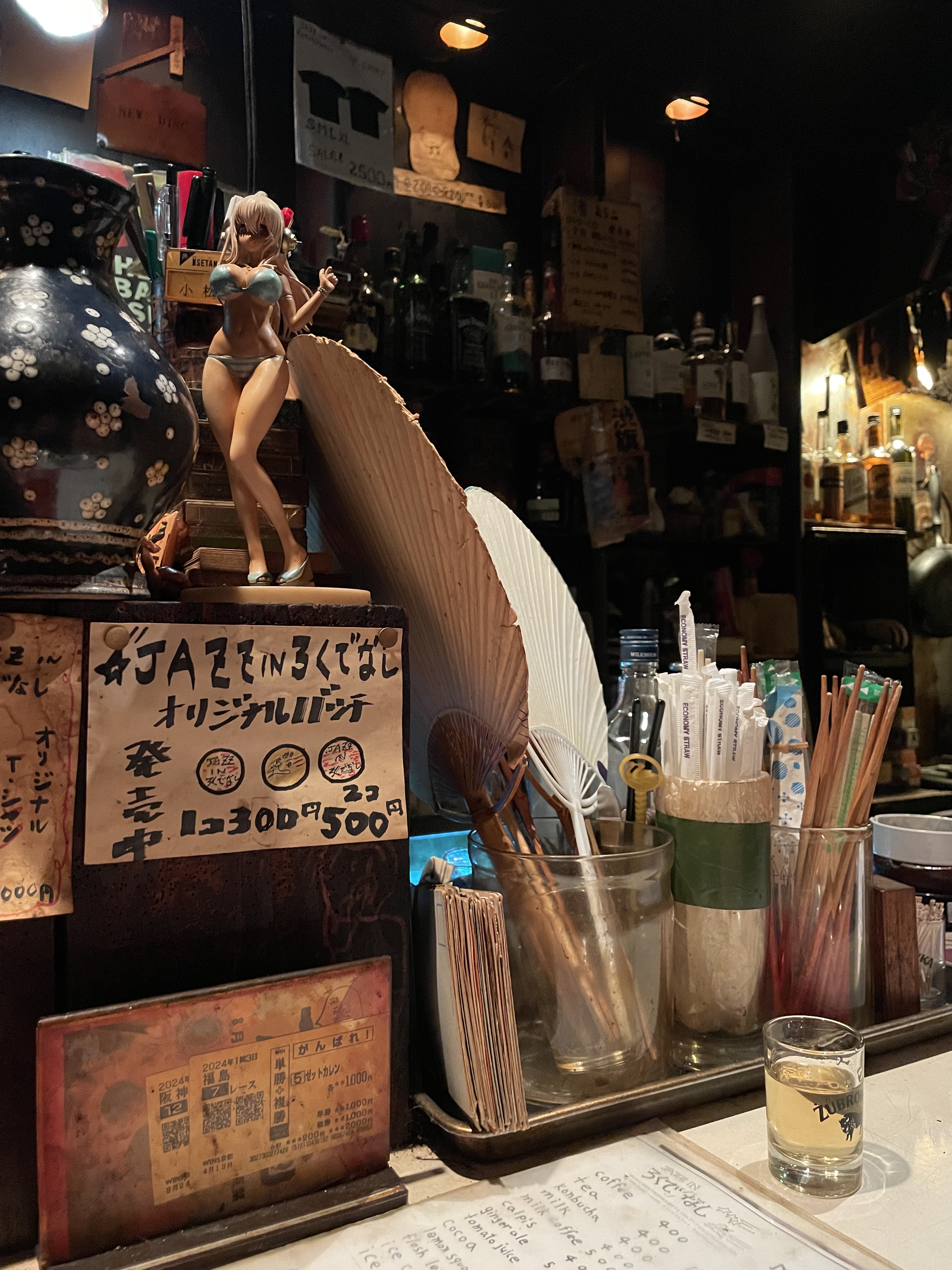
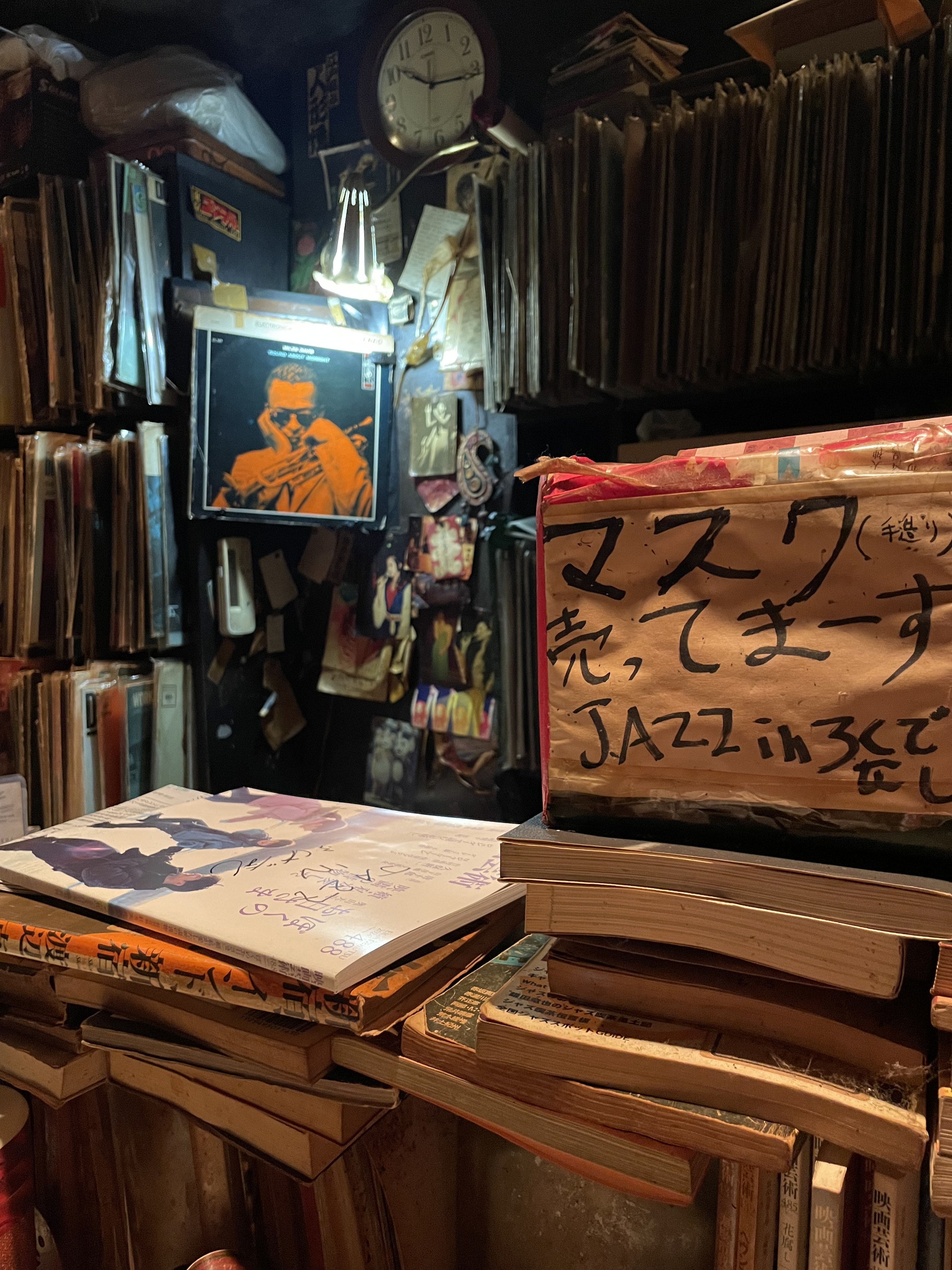
The jazz kissa is the after hours counterpart to the kissaten. These are small bars, usually with no more than 15 seats, crammed into leftover spaces in basements or upper floors. In Kyoto, just one staircase removed from a buzzing canalside street chockful of restaurants, a dim, windowless jazz kissa sucked us in. A wall of vinyl albums and hard alcohol served as the backdrop for the lone bartender, who carefully turned over records between drinks, displaying the album cover for our appreciation. The idea is to gather and listen to music, so we sat sipping whiskeys, talking quietly, horns, piano and strings filling the room. The space is a vestige of a time before the internet and smartphones obliterated these moments to listen and reflect. I spent years in Asia and never came to Japan – it was always a place for another time, another budget, it wasn’t going anywhere. I may have missed out waiting until 40, but I also appreciate what is in front of me more. That’s worth something too.
Next stop: Naoshima
 Zak Abroad