
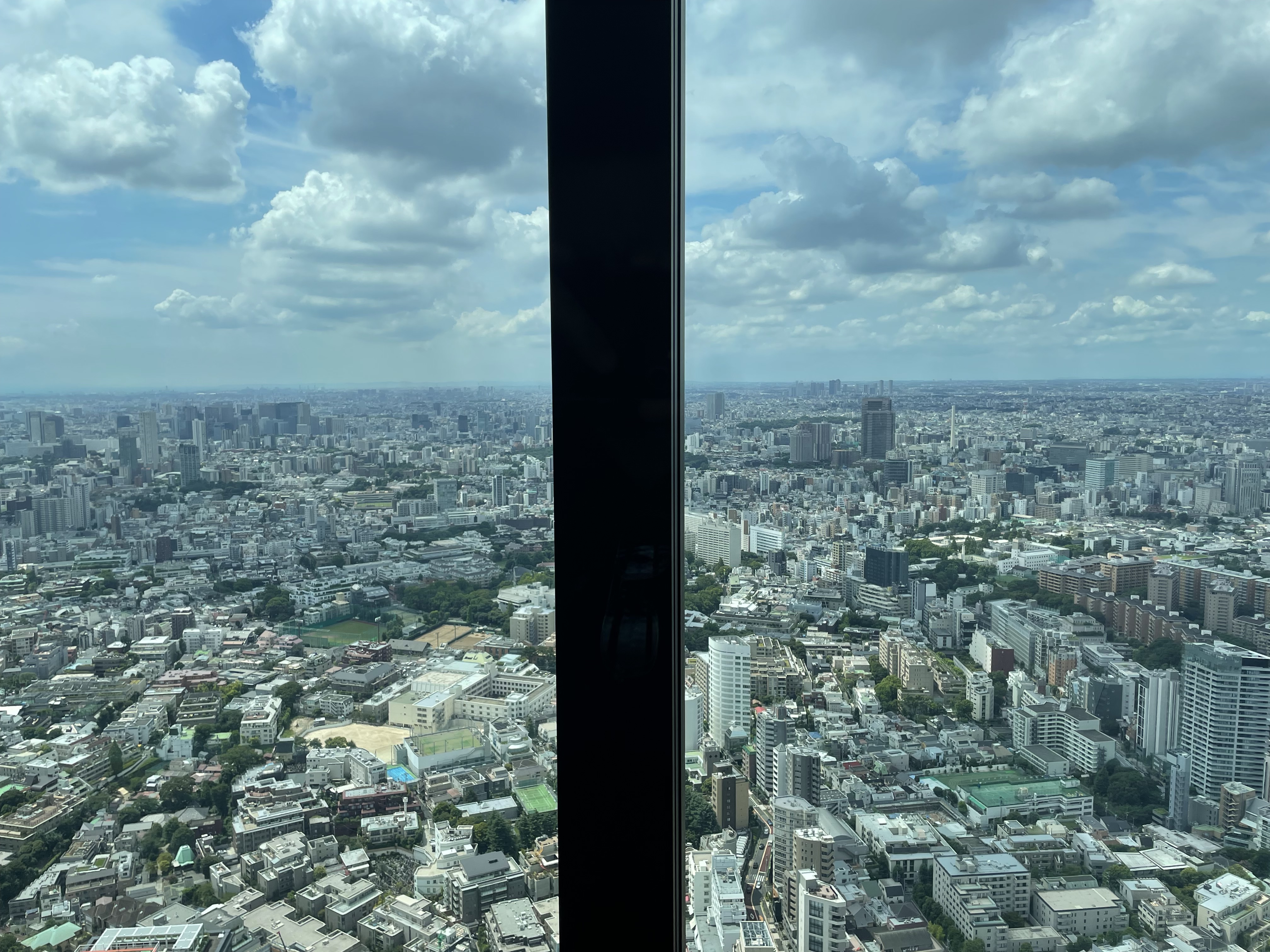
Tokyo spread out 800 feet below us, an indistinguishable sea of buildings, shoulder to shoulder, stretched out across the Kanto Plain and broken only by the hard edges of the sea. Periodic clusters of skyscrapers showed where the rails and elevated highways, steel and concrete ribbons, come together. Somewhere to the west, Mount Fuji hid behind the clouds and the orange-and-white Tokyo Tower was the only visual anchor. Even from here, it is hard to take it all of Tokyo in, the sheer vastness and scale overwhelming any attempt to comprehend the place. Tokyo is quintessentially a modern 20th century city, reborn from the ashes of successive fires and earthquakes over centuries and reduced categorically to rubble by American B-29s. Following the end of the war, Tokyo was the vanguard of country’s economic boom and, by the 1990s, the bursting bubble. Seen from above, the city dares you (politely, of course) to make sense of it. A few days were all we had and these would be clearly inadequate but we would do our best.

Greater Tokyo has nearly as many people as Canada, effectively a country contained in a city. At street level, the city bustles with tourists and students, salarymen in dark slacks and white shirts navigating shared sidewalks and subways. An unspoken, universal civic choreography underpins the city, a web of social cues and small gestures, silenced phones and orderly lines. Should you cross the path of a fellow traveler, small bows are exchanged before continuing onward. Despite the proliferation of kombini convenience stores and ubiquitous vending machines, garbage cans are hard to find. It is understood that any drink you buy stays with you until it can be responsibly disposed of. Graffiti is so absent as to be notable when you do come across it. For all the anonymity of a major cities, all these small acts of respect – for oneself and others – make the experience humane, impersonally personal even.


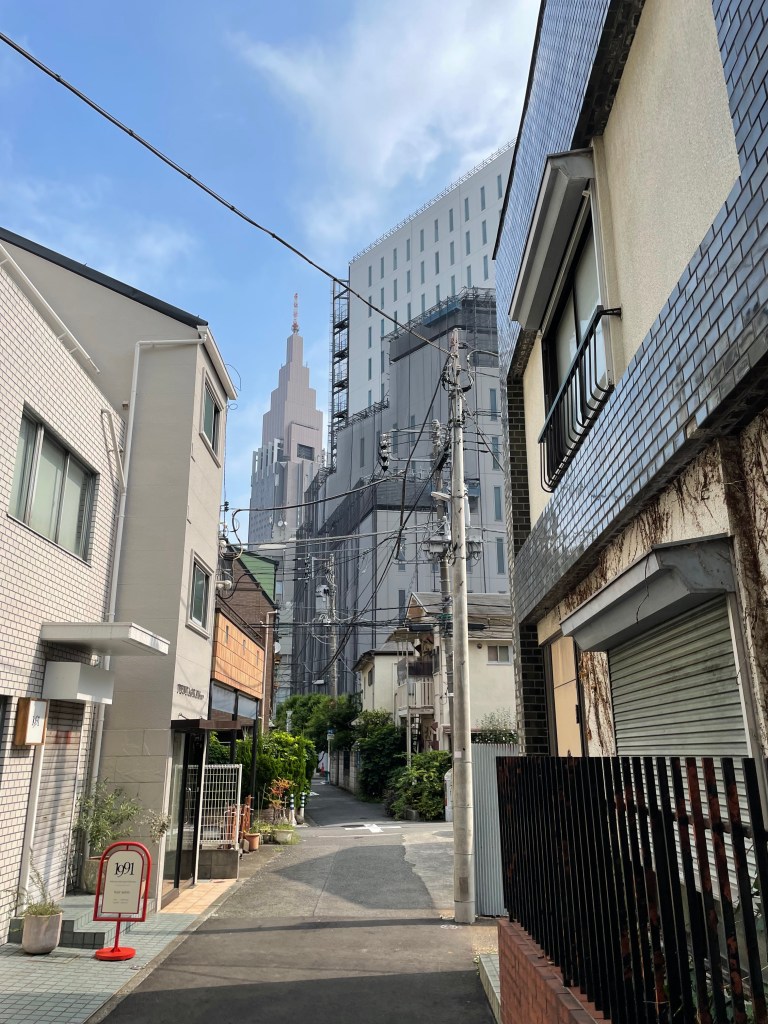
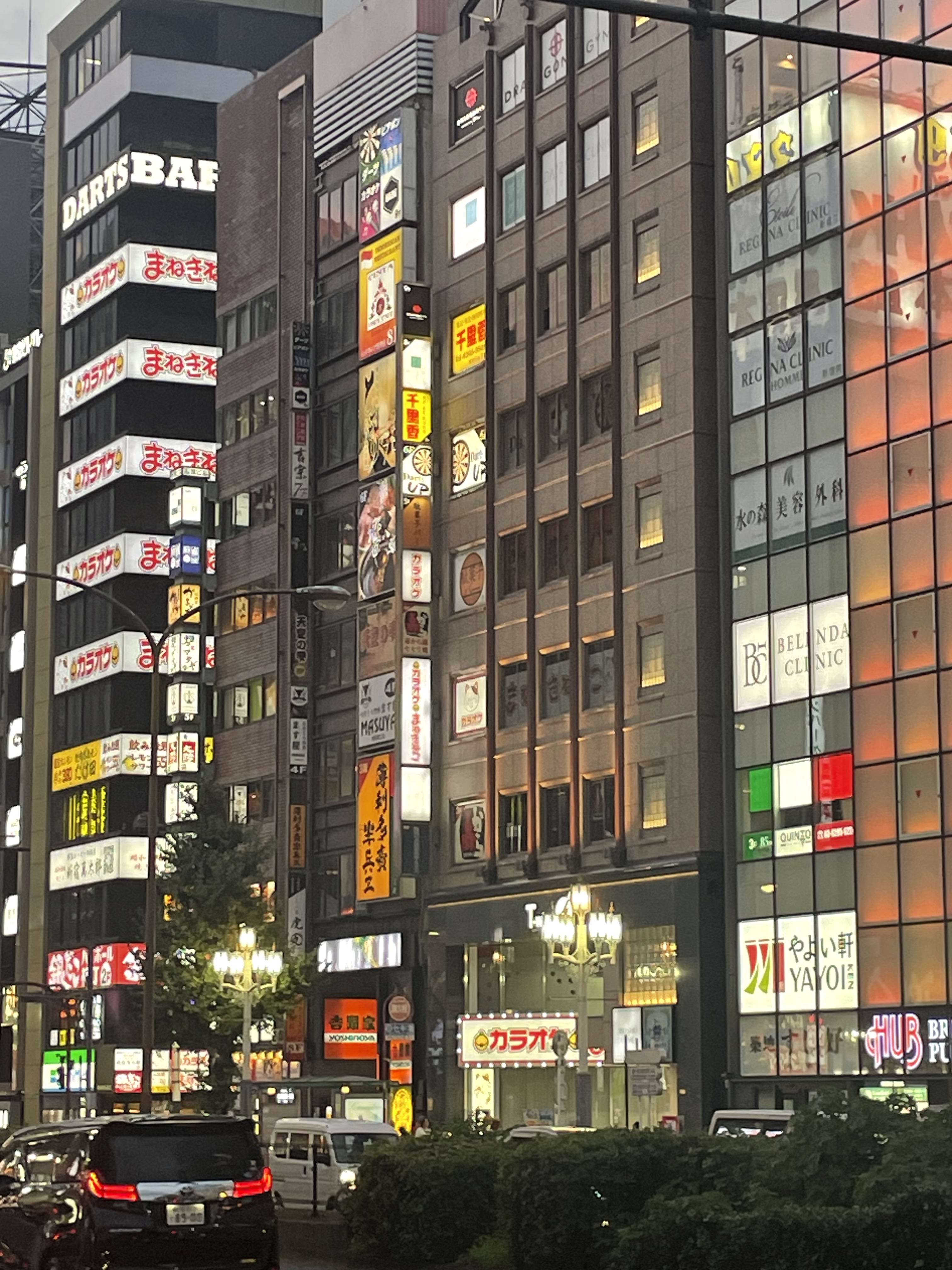
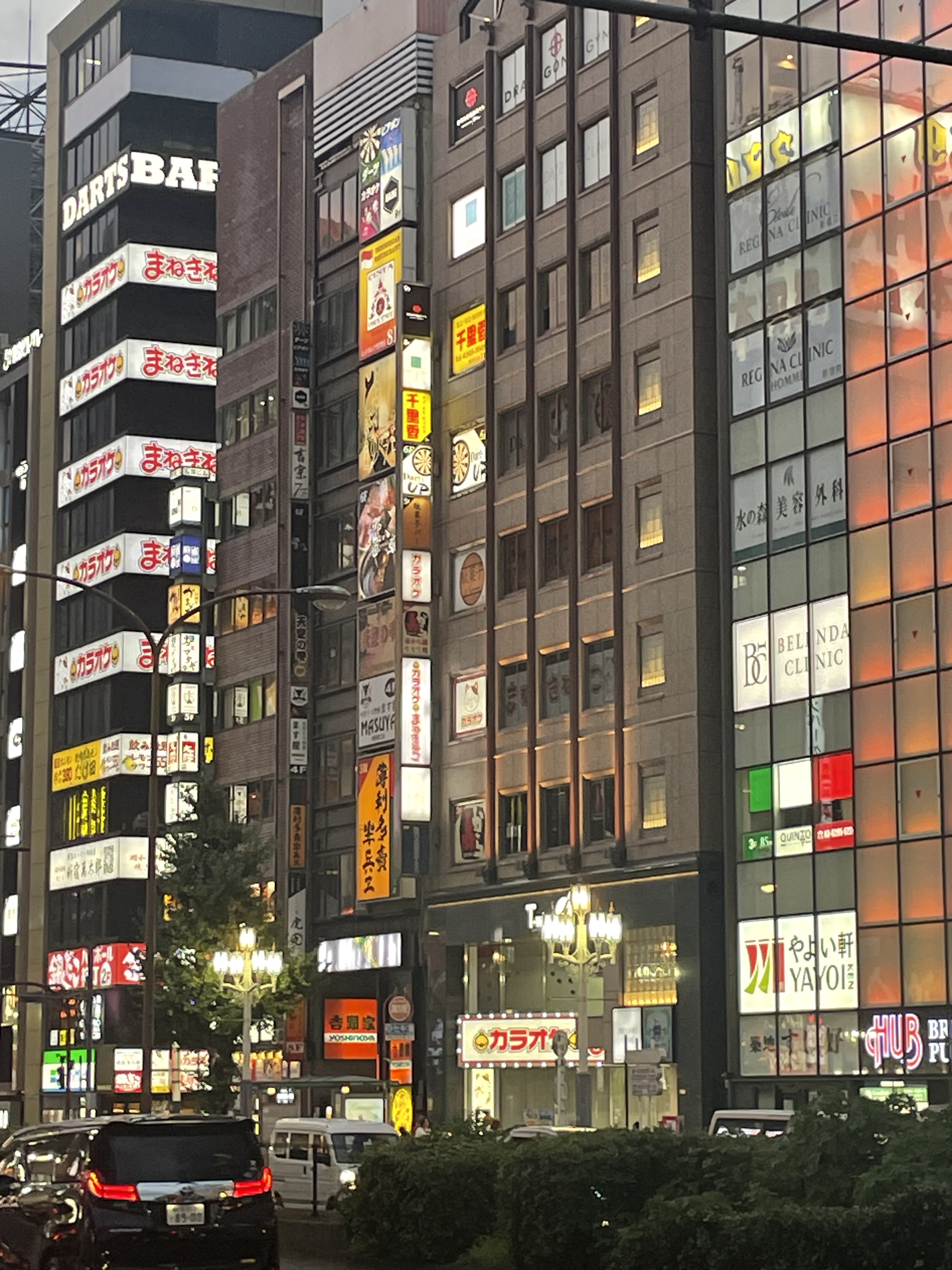
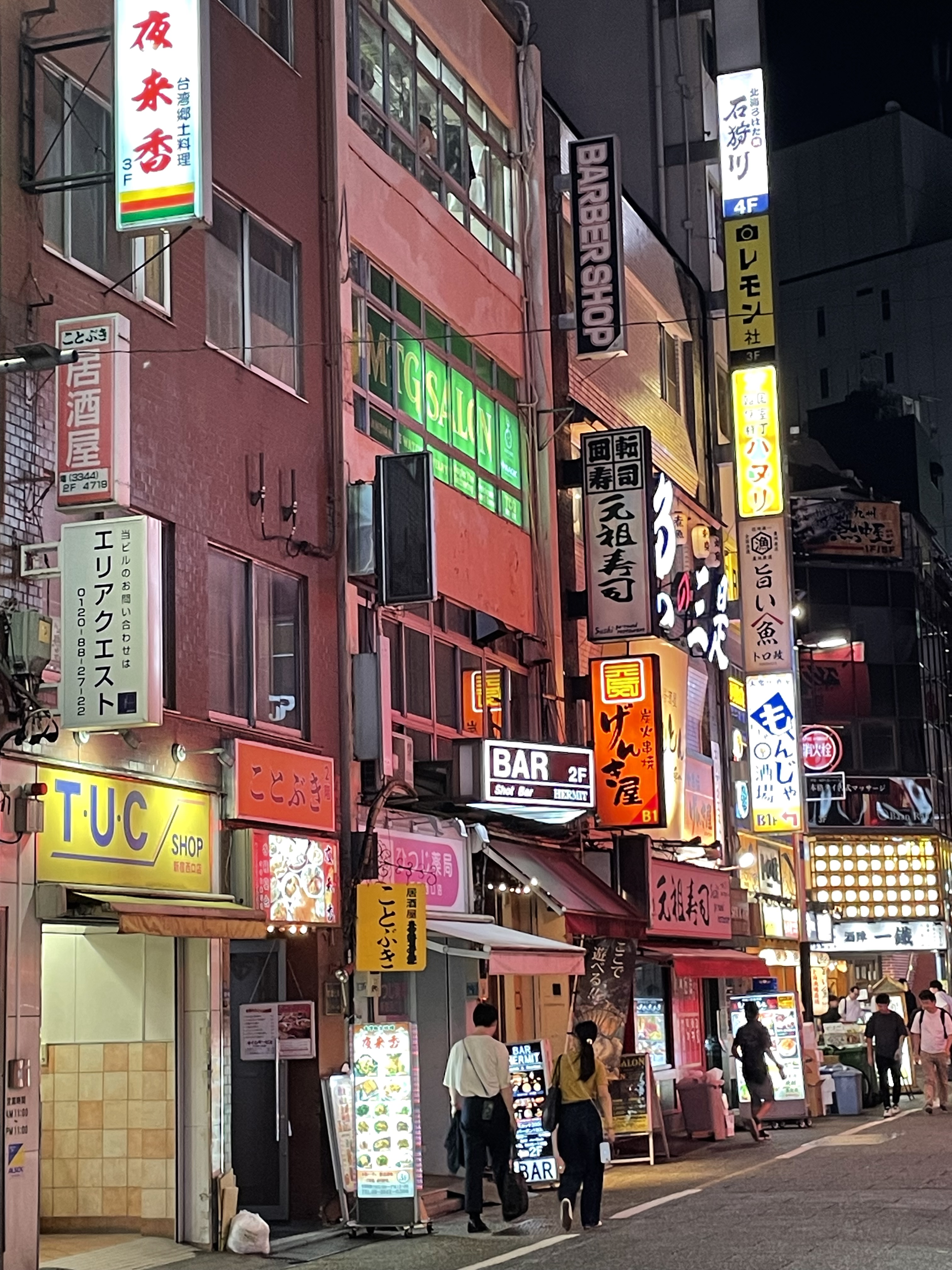
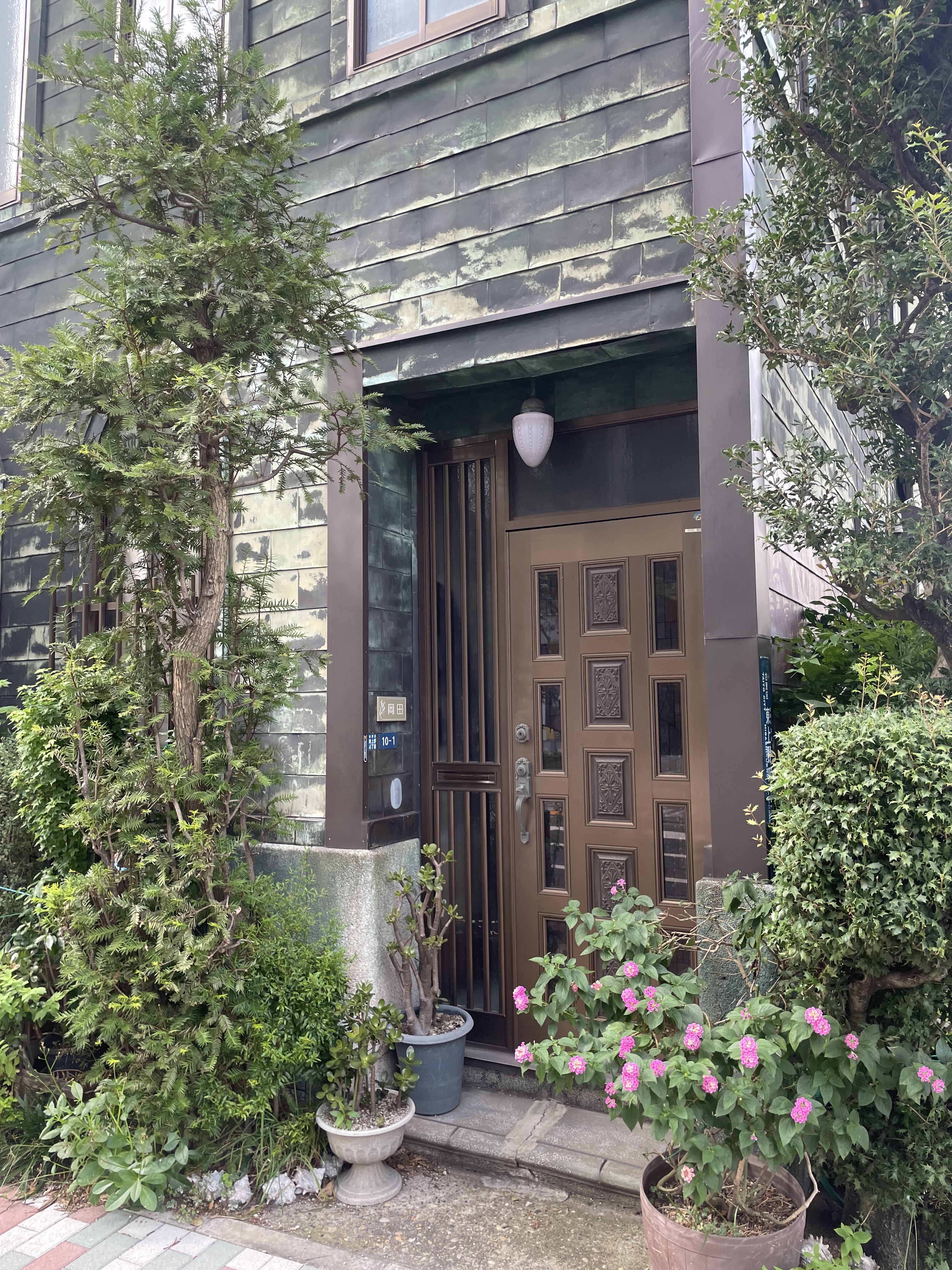
Residential neighbourhoods radiate away from the busy train stations and the larger thoroughfares dissolve into a patchwork of narrow and haphazard lanes. There are rarely sidewalks but the closeness of the houses, yard-less boxes discretely marked with potted plants and family names, create a domain dominated by pedestrians and bicycles. Everything is pristine, swept, wiped, and despite the unrelenting August humidity and heat, there is no hint of mold or grime on the polished tiles. Even in Shinjuku, our homebase, where buildings shoot up from the sidewalk in narrow strips of concrete and neon lights, a district of pachinko parlors, capsule toys, restaurants, and bars, the city remains legible. Each building is a private world, each floor offering its own space for its own clientele, all marked out on a blade sign by the front door that can be discerned with patience, confusion giving way to comprehension. This intensely individualized and densely layered landscape keep Tokyo endlessly interesting to walk around.

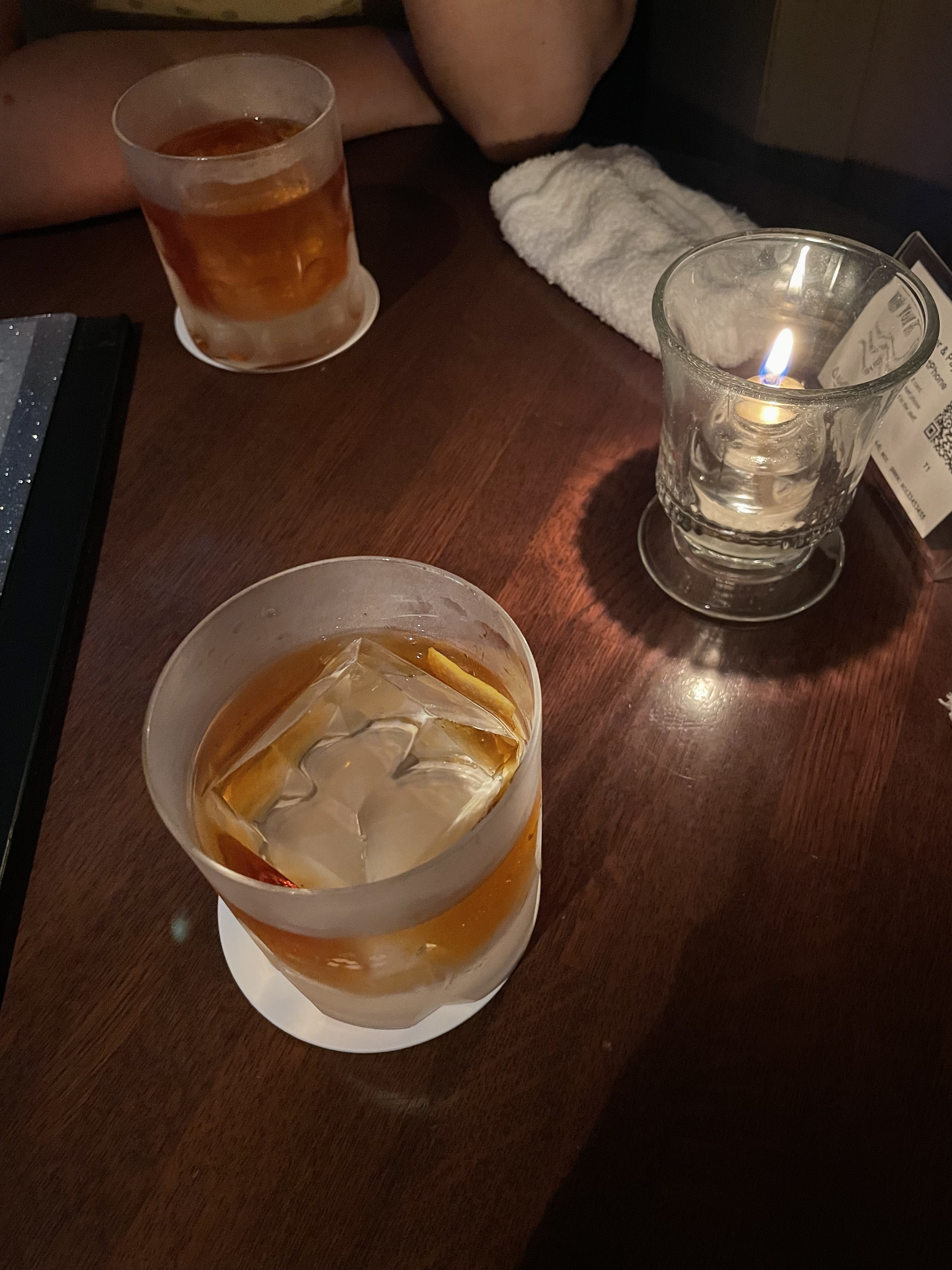
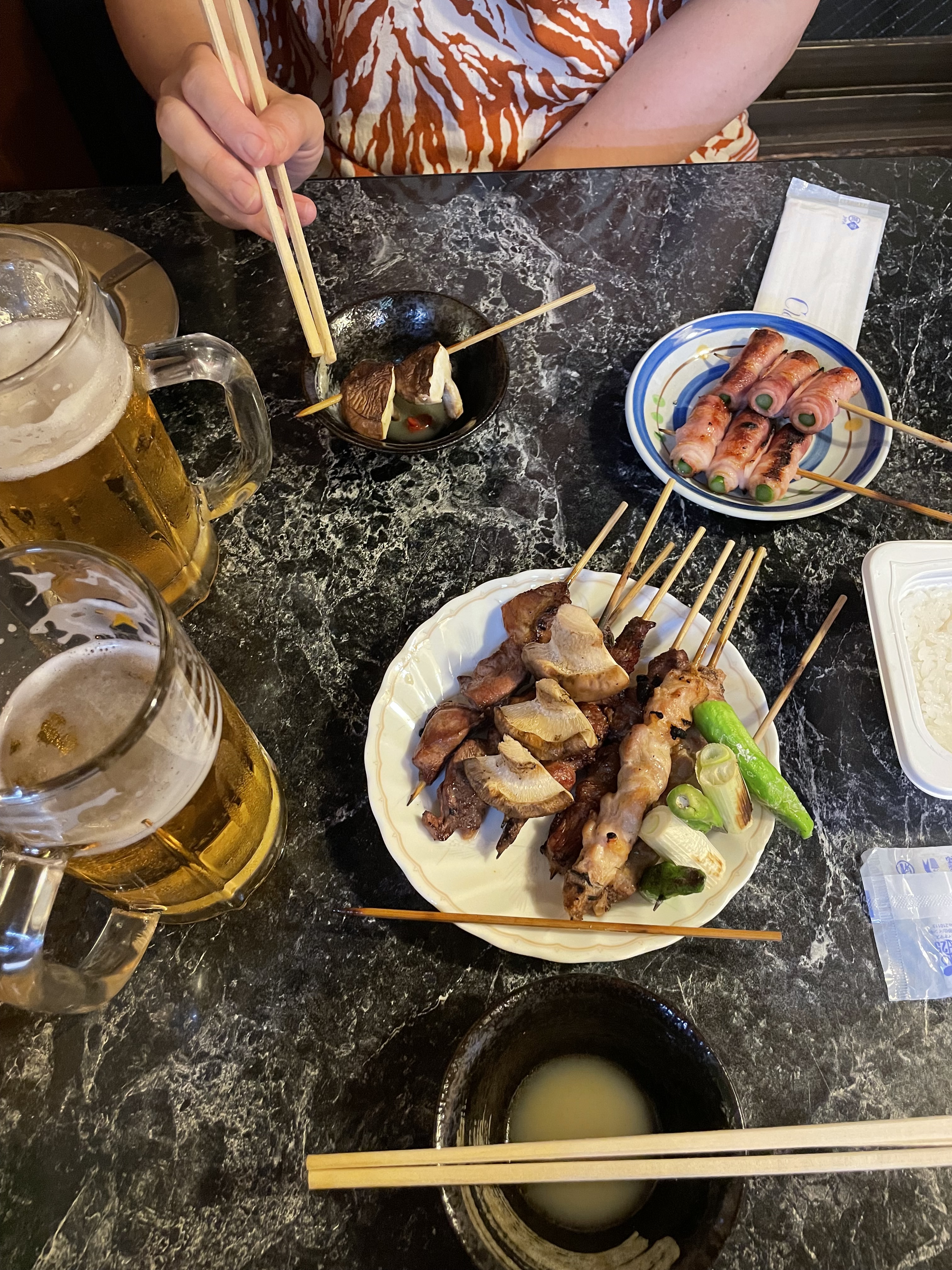
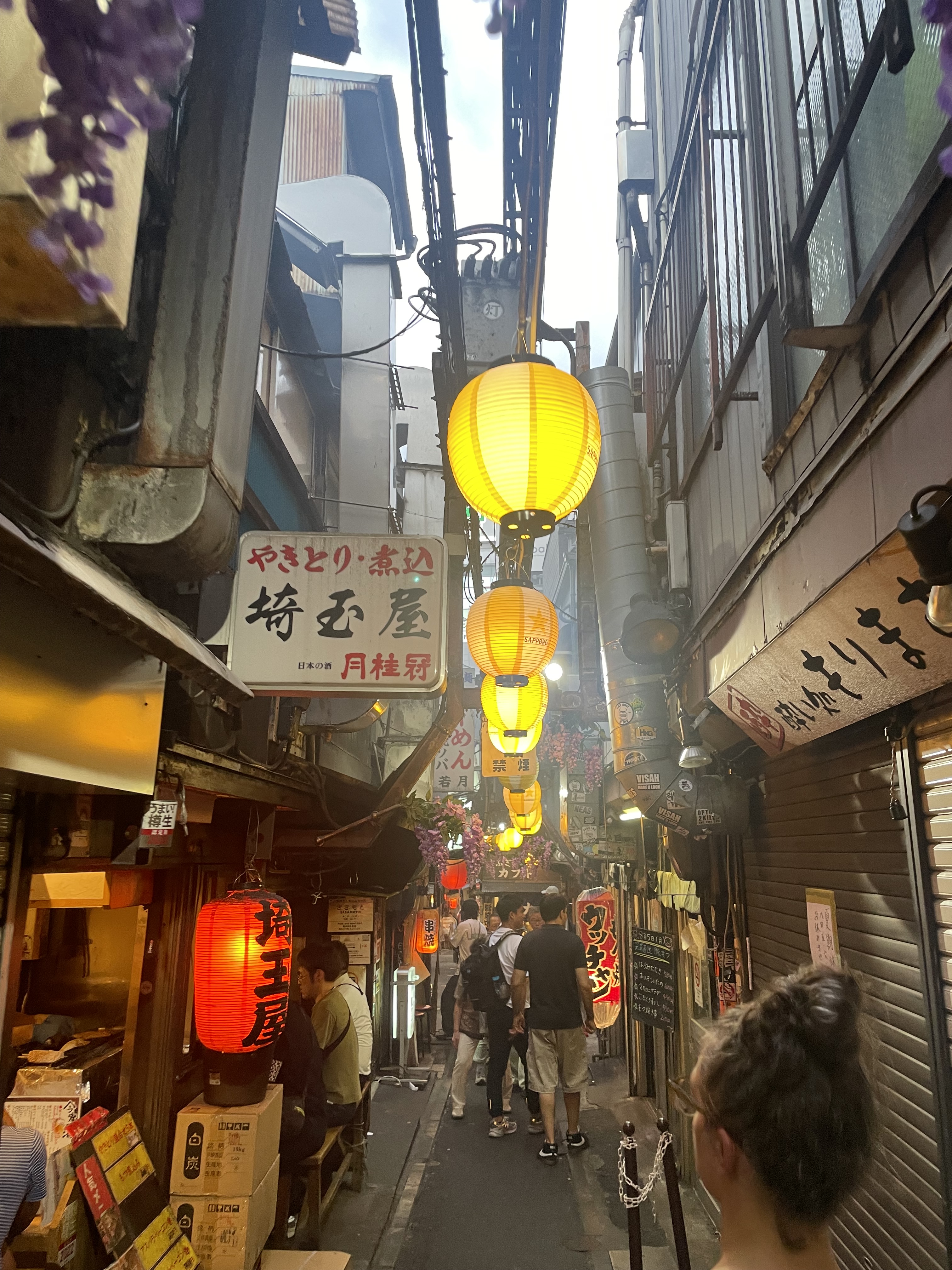
During our Tokyo days we embraced a “go high, go low” policy to choose restaurants and bars. Ground level places often seemed overwhelmed, and we were rewarded for our explorations. Near many train stations, like Shinjuku, are yokocho, small quarters of typically two-storey buildings facing narrow streets, flooded with tiny bars and restaurants, often with no more than ten seats, each catering to its unique niche. The yokocho evolved from the postwar black markets and in ways seem anachronistic, bar hosts hand-chipping ice and shelves groaning with the labeled whiskies of the regulars, though there is also a thriving tourist trade. In Golden Gai, one yokocho, we climbed up a steep staircase more at home on a navy ship before watching our hostess lay out a meticulous platter of small snacks, including cheechiku, a tube of fish with a piece of cheese, to accompany our whiskies. The next night, again upstairs, we worked our way through late-night yakitori, a succession of grilled meat and vegetables on sticks, bolstered with cold beers and boisterous tables of Tokyoites blowing off steam from the workday. The atmosphere reminded me of the streetside shaokao in China, though with more structure and, thankfully, air conditioned.
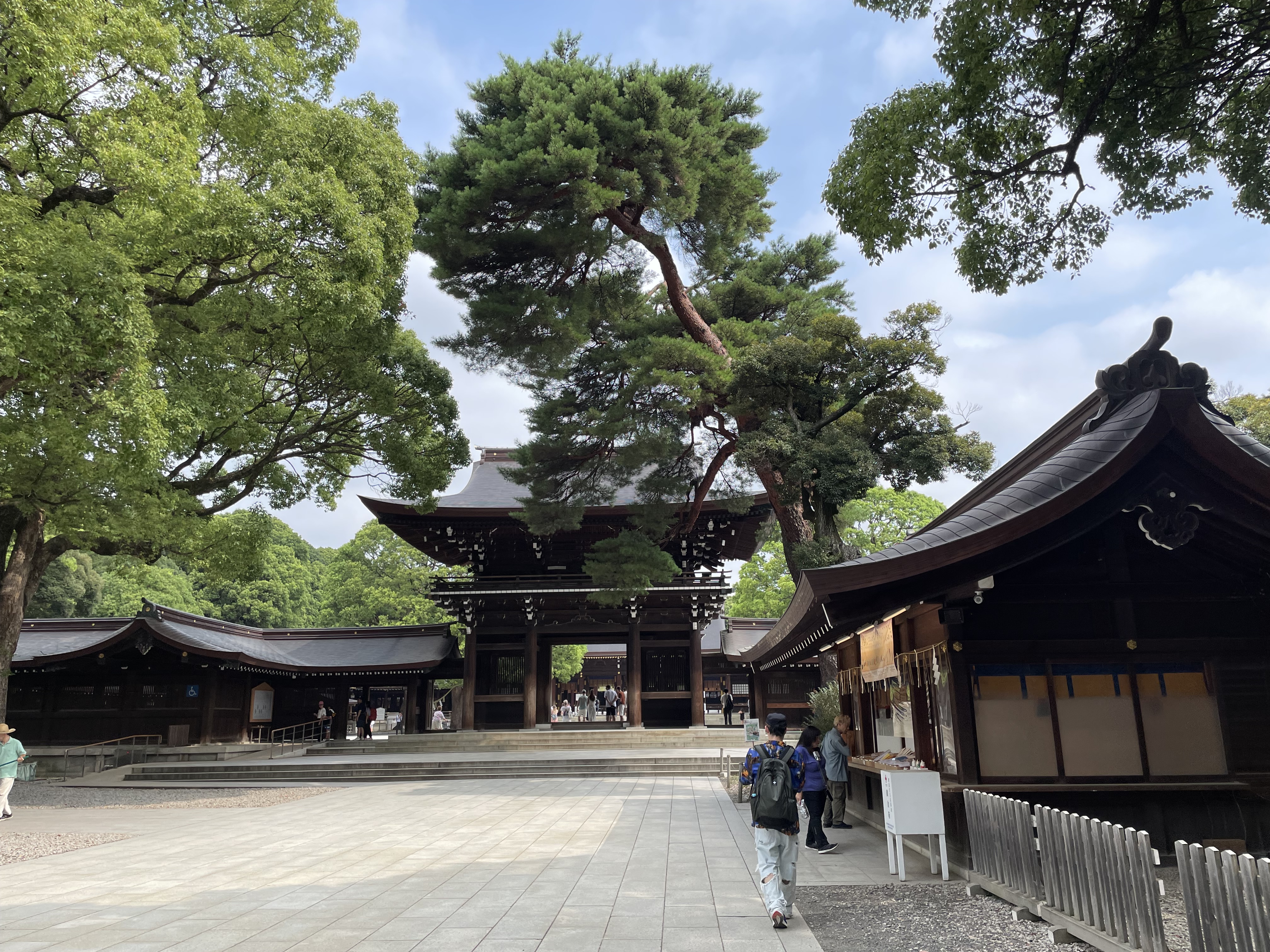
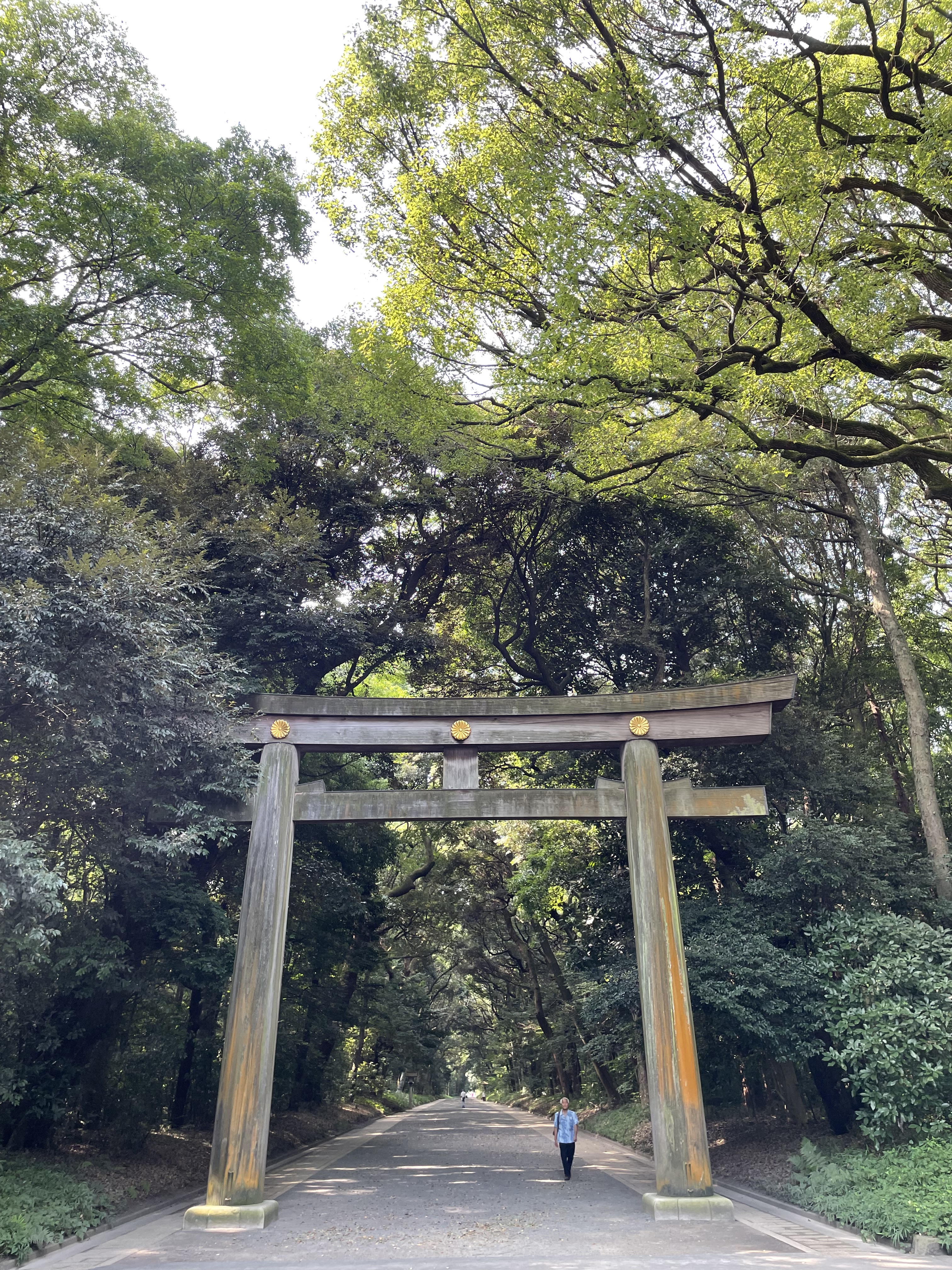
Beyond eating, drinking and walking, we did take in tourist sites. The Mori Art Museum, crowning the upper floors of its namesake Roppongi Hills tower, was hosting an expansive exhibition of Chicago’s Theaster Gates, room after room building into powerful crescendo, a cavernous dark space blending elements of traditional Japanese craft with the African American experience, a simultaneously obvious and original synthesis of the preceding spaces. Another morning we walked under the thick tree canopy of Yoyogi Park, cast in a deep shade and alive to the relentless thrum of the cicadas, before entering Meiji Shrine. This Shinto site was one of the few places offering any context or instructions for tourists, providing English instructions on how to worship: insert your offering, bow, clap twice, bow again. The shrine itself is the expected profusion of courtyards, brick and sloping tiled roofs with pointed corners. The scent of incense pervades the air and small wooden panels are hung near the main temple on strings, each inscribed with a prayer in a babel of languages that speak to the cosmopolitan nature of the shrine’s visitors.
That afternoon, while visiting the Tokyo National Museum in Ueno Park, we walked past centuries of Japanese treasures and labels adorned with perfunctory English. It was enough to tease at the scope of the cultural gap we faced as Westerners, a conspiracy of distance, time and language that kept us at arms length from a close glimpse of the country. Nearby, the Metropolitan Art Museum had a comprehensive show on Giorgio de Chirico but unsurprisingly this gave me little better understanding of Japan itself beyond the respectful and diligent local approach to museum-going. There were no selfie speed runs posing with paintings, thankfully. One highlight that did crack the door into Japanese culture was the Ota Memorial Museum, tucked behind a busy shopping area on a Harajuku side street. The museum hosts a collection of ukiyo-e woodblock prints, a style that rose to widespread popularity in the 19th century and most familiar in the west from Hokusai’s “Great Wave off Kanagawa” popularized as a dorm room poster for generations of college students. The extensive print collection is the legacy of Seizo Ota, who was concerned with early 20th century interest from European and American collectors. Instead of just complaining, Ota took it upon himself to build a vast stock of ukiyo-e and today this distinctive cultural legacies can be enjoyed by anyone who can cover the price of admission.

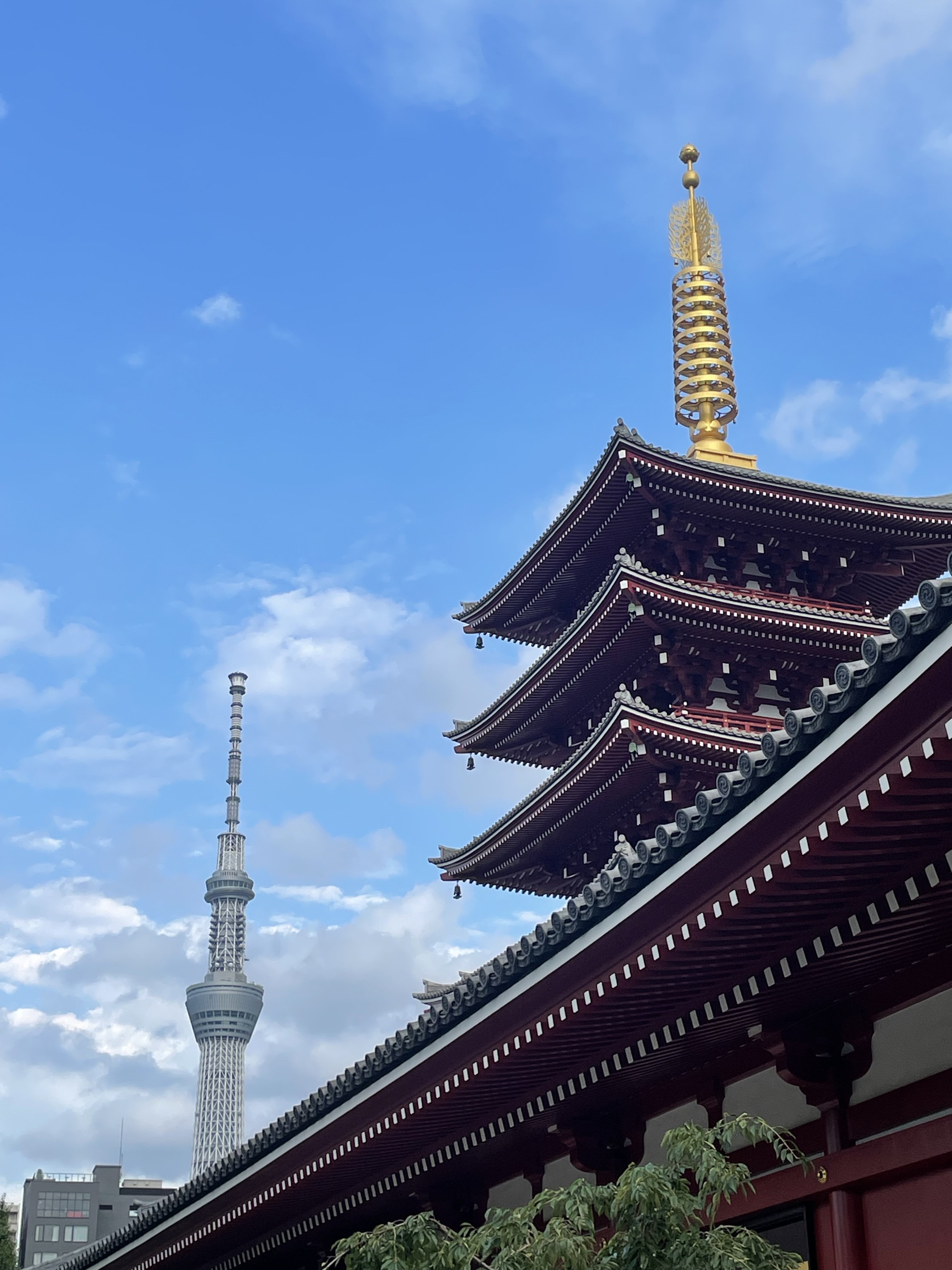
Another day we found ourselves crossing the Taito district on our way to Asakusa, the streets forming a sharp rectangular grid and the Tokyo SkyTree, a massive observation tower, served as our guiding star. We roamed up and down Kappaboshi Street, a kitchenware district brimming with ceramics, restaurant equipment, and plastic replica food, all so overwhelming in the heat as to require an airconditioned coffee break before completing our trek to Asakusa’s Senso-ji, the site of Tokyo’s oldest Shinto shrine. I’m not connoisseur of temples, the nuances for me become lost within the inscrutable Japan that confronted us throughout the trip, making the country simultaneously withheld and enticing. You get just enough of a taste as a visitor to know that there is so much more to be found here if only one had the time and could speak the language. For me, a highlight was our trip home on the Ginza Line, Asia’s first subway system. This is something I can understand.


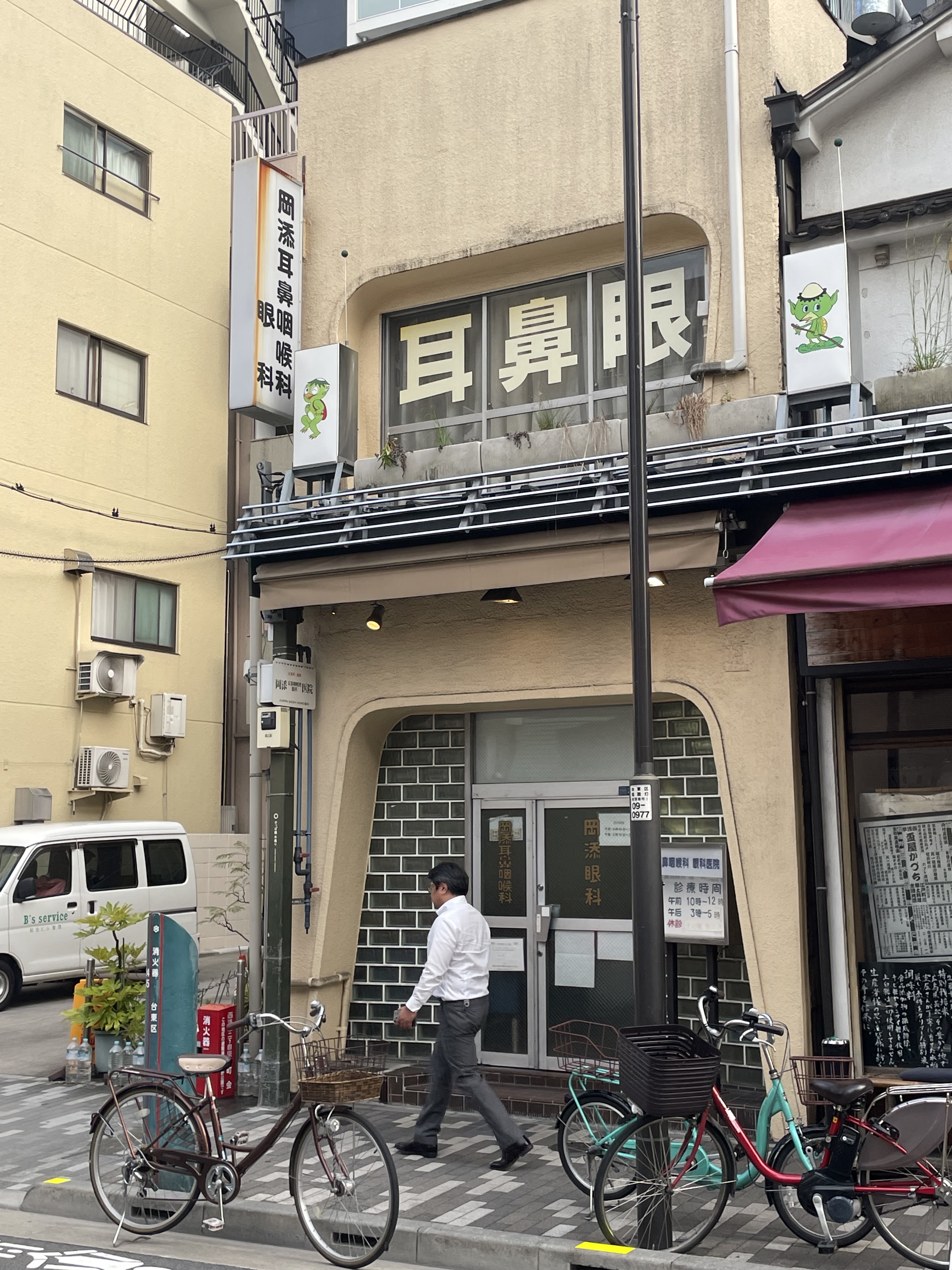
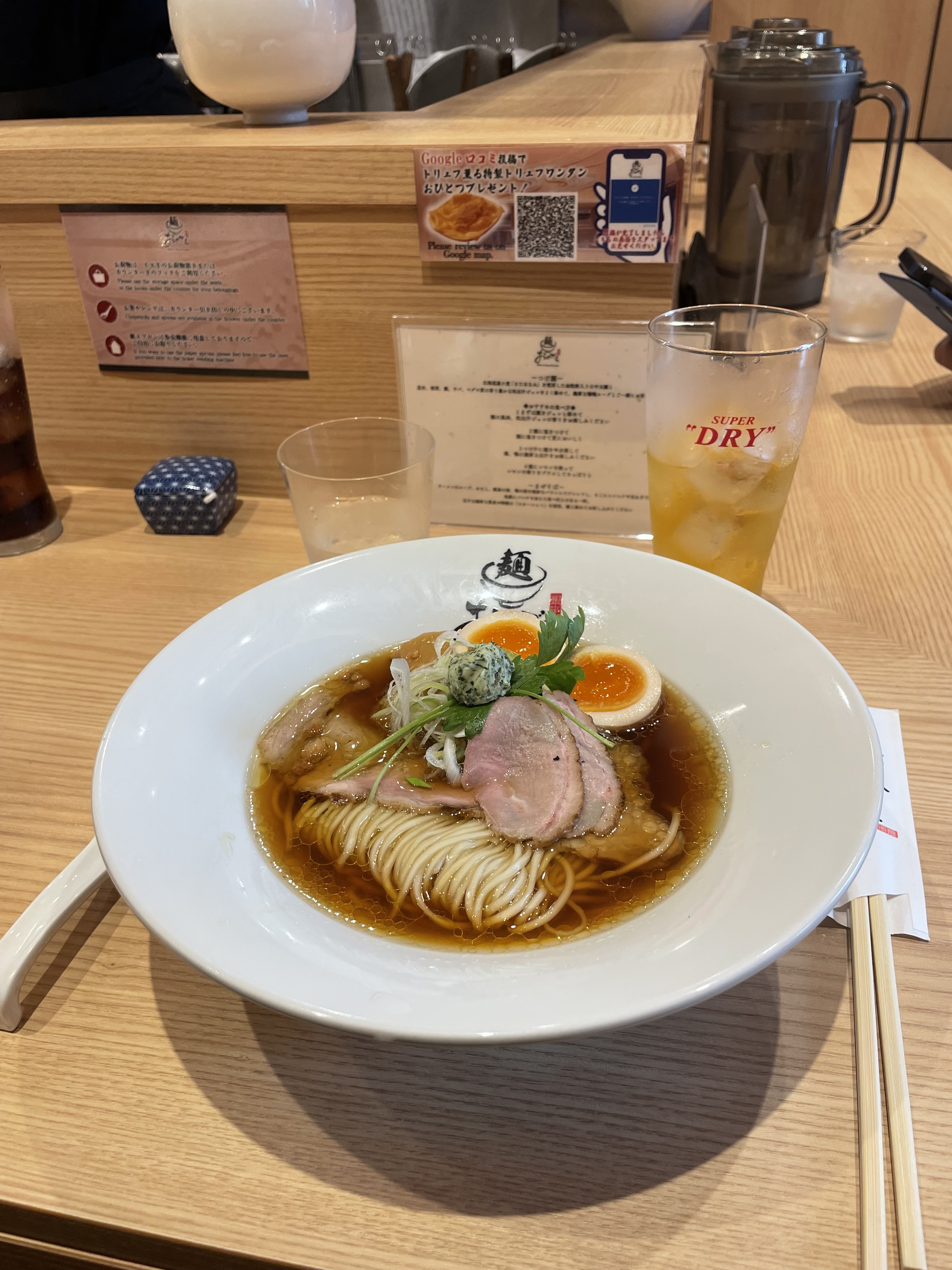
And as in many places, language is a barrier, exacerbated by the mix of hiragana, katakana and kanji symbols, virtually indecipherable for the outsider. English is spoken in hospitality roles that you will always have a roof overhead and found on enough menus that you won’t go hungry, but connecting with people is harder. To my delight, and the delight of many of the Japanese we ran into, Hannah speaks some Japanese, a lingering remnant from her time here as an English teacher. Her abilities won us friends along the way, such as at a fourth floor Shinjuku dart bar where the owner, suitably impressed, bridged the cultural divide by playing Backstreet Boys on the karaoke machine, microphones appearing as if from thin air, for a quick singalong before a round of shots on the house. Like anywhere else, these social moments transcend the cultural voids, lending a warmth to the hard concrete edges of Tokyo.
Next stops: Kawagoe and Akita
 Zak Abroad