
Tito stood derelict, the statue at an angle and nestled into a corner by the stairwell. The courtyard looked like a neglected backyard, patches of grass between bare dirt and tools left to rust. In spite of the surroundings, Tito’s eyes remained fixed firmly on a future that never was. The interior of the History Museum of Bosnia and Herzegovina reflected the same neglect, almost an homage to the apathetic decay of Communism in practice. These trips behind the tattered remains of the Iron Curtain fascinate me – the tile mosaics, the grand statues, the rebar and concrete. As time has marched on, these glimpses grow fewer and farther between but Bosnia has enough to keep my interest piqued.

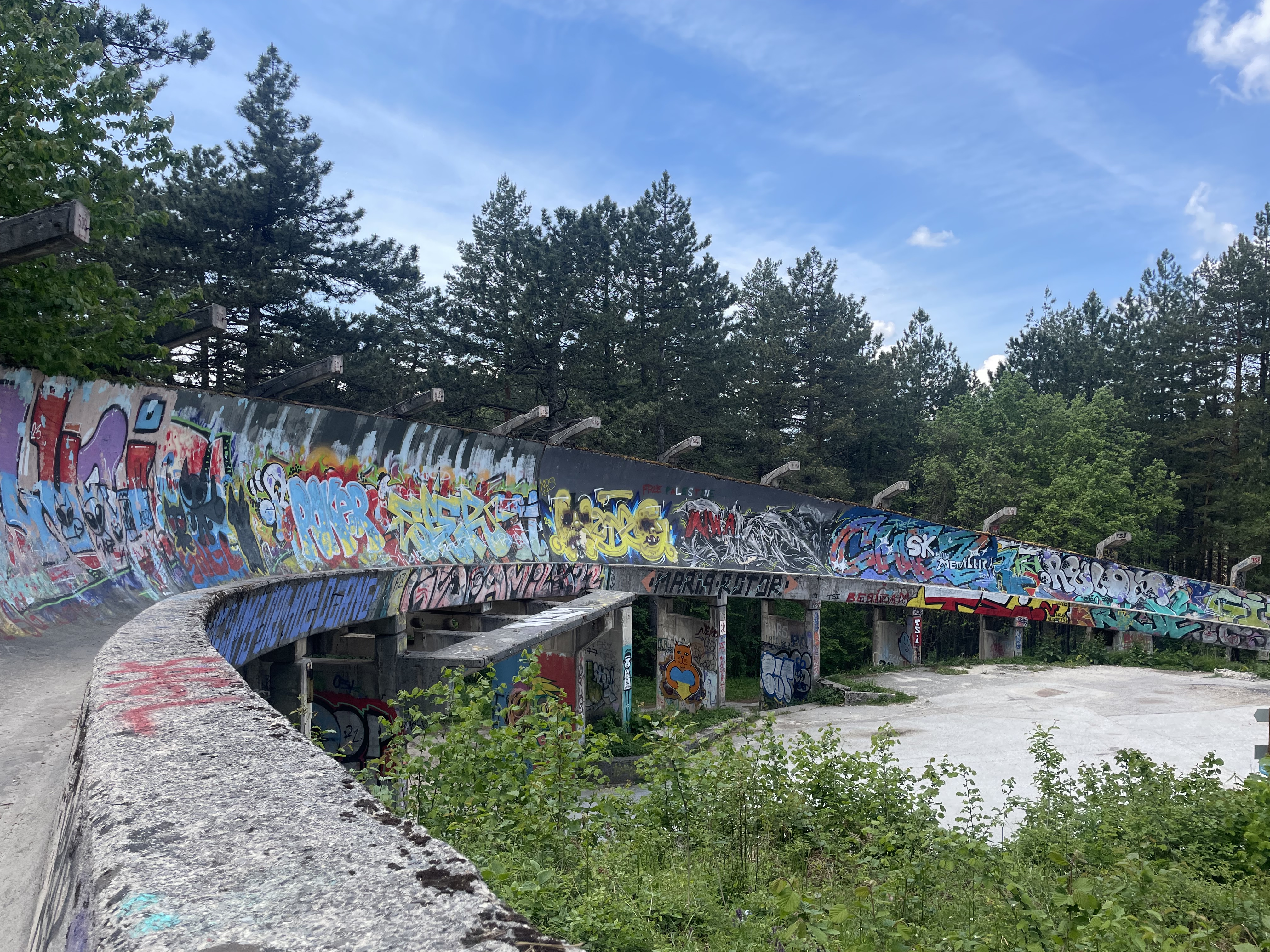
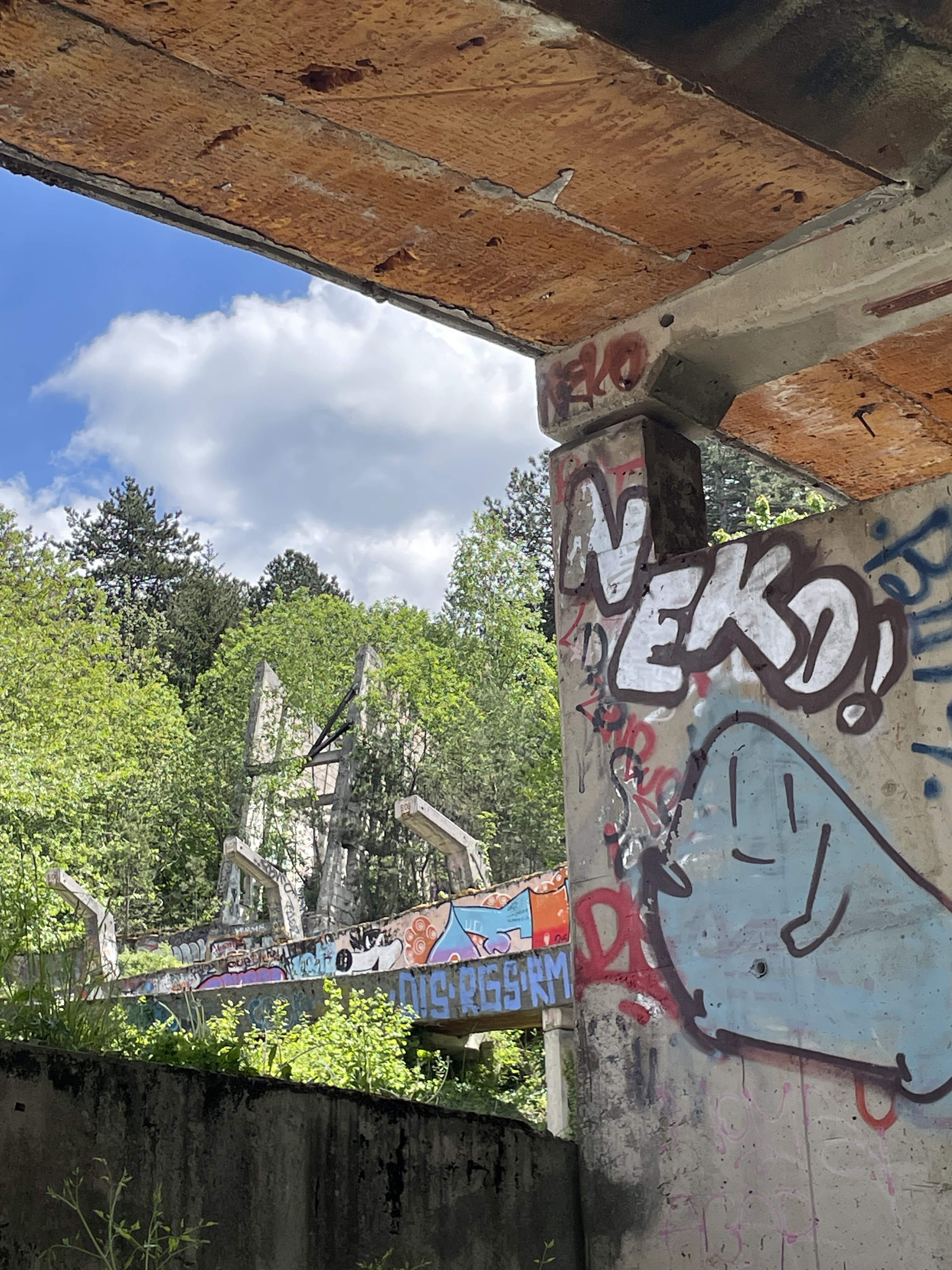
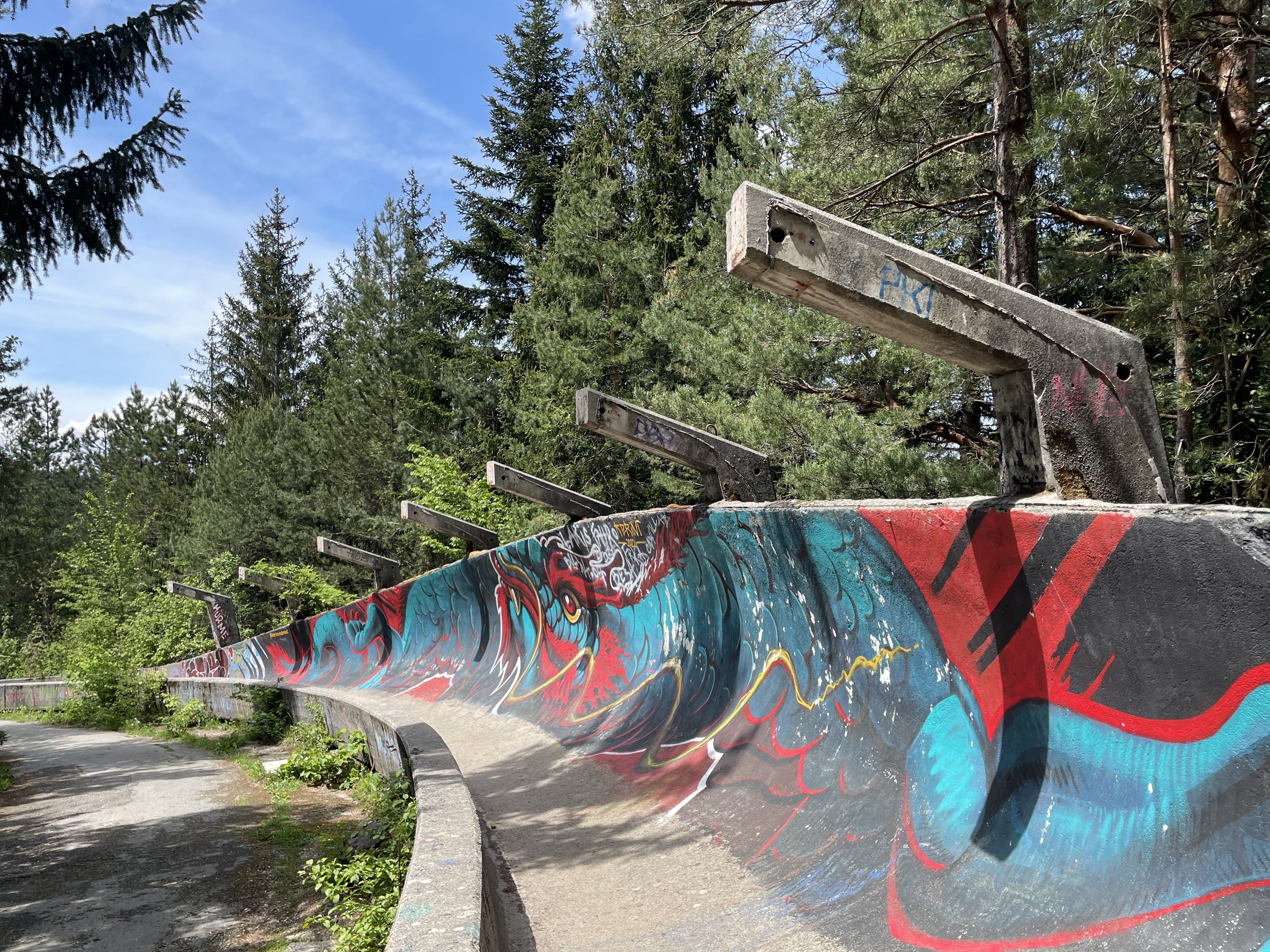
A highpoint of the Yugoslav era was the 1984 Winter Olympics, held in Sarajevo. This was an international PR triumph for this most non-aligned of countries, especially amid dueling summer games boycotts in Moscow and LA. Two legacies persist, the first being Vučko, the wolf mascot of the 1984 event. His friendly orange likeness can be found around town, but appears well-regulated by the IOC as the only available memorabilia is limited to vintage pins. The second legacy is less portable, set high up in the hills south of Sarajevo, at the upper end of the Trebevic Mountain gondola. Above, the city fades to a white-and-red sea of rooftops peppered with mosque spires, the surroundings a subdued Alpine green with a light breeze. I was here for the remains of the bobsled track, a sweeping concrete snake curving down through the forest. In some countries, signs and fences would ward you away from the crumbling concrete and exposed rebar. Not so in Bosnia, where during the forty years since the games, the bobsled track has become an open air art exhibit – including a few sighting of Vučko himself.
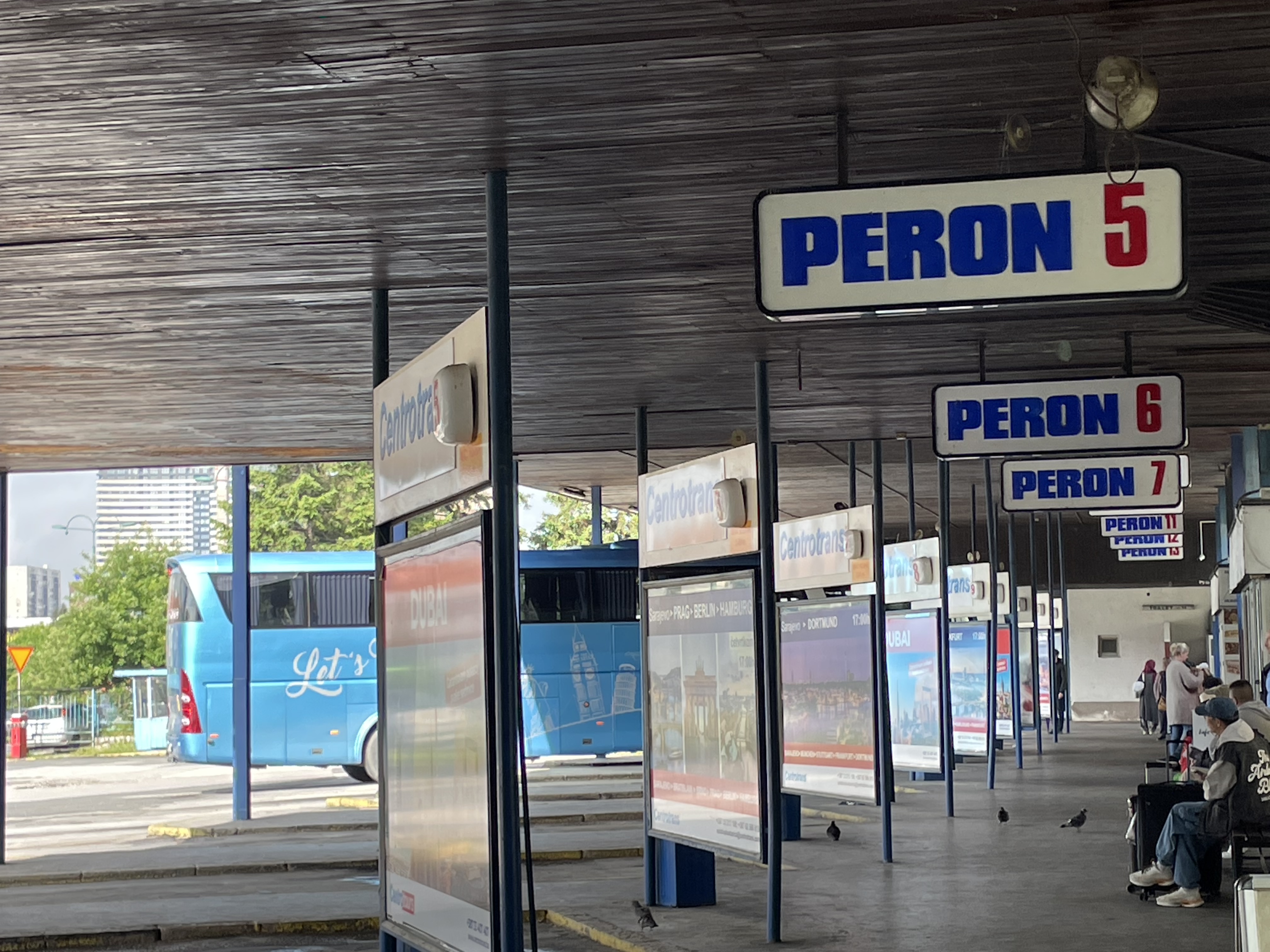
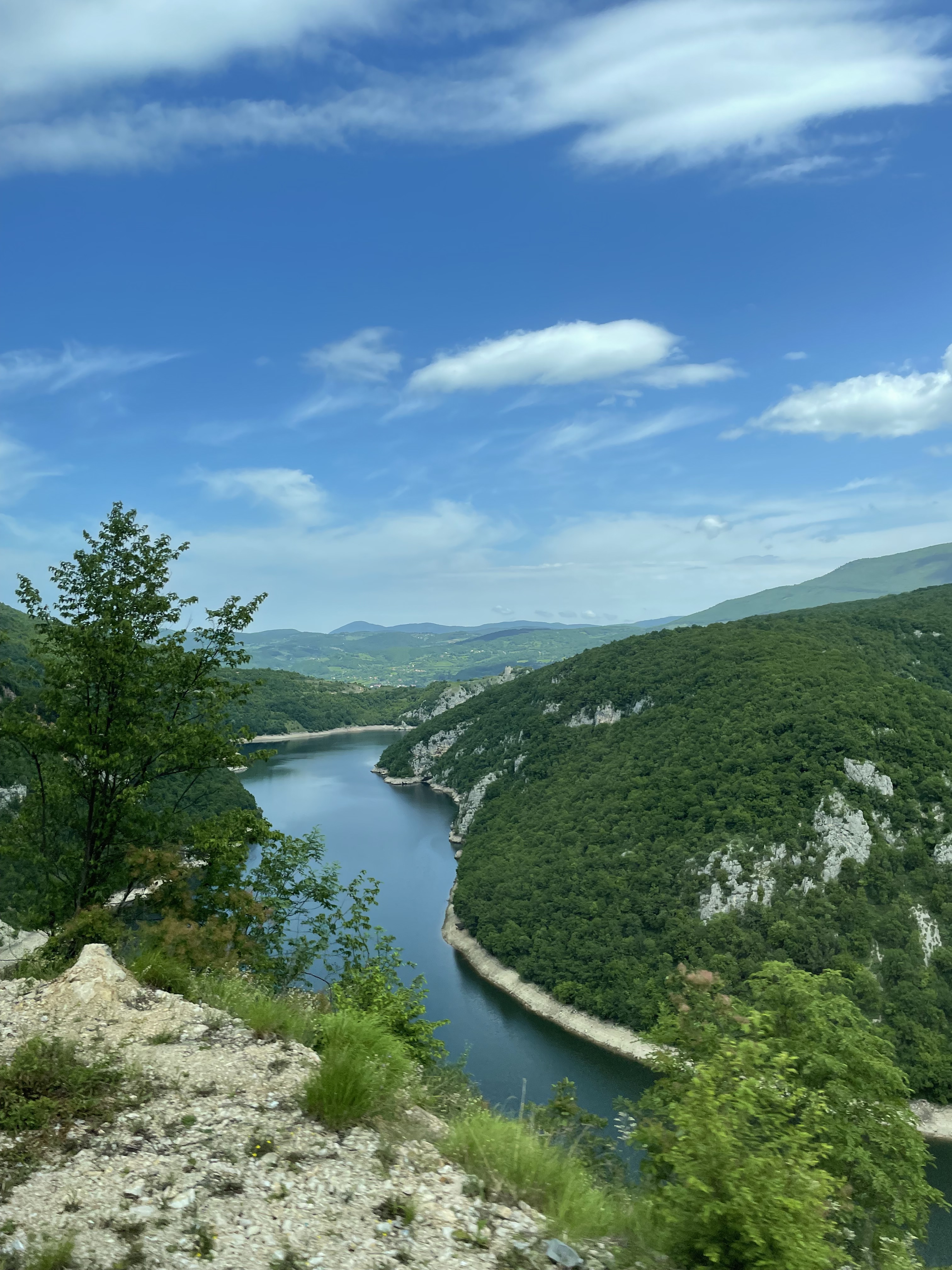
A sad outcome of Yugoslavia’s demise, especially for me as a tourist, was the end of railway connections between the big cities. This left me at the mercies of the bus operators, and it was with trepidation that I paid my dinar to enter the Sarajevo bus station, an unassuming and spartan but ultimately safe and clean facility. Things went south when shortly before departure a fellow traveler decided the cramped seat next to mine was his best option, beginning our subtle battle for personal space that I, in a window seat and half a head taller, lost. With hourly precision he proceeded to blow his nose for several minutes, getting the absolute most from his tissue before starting to cough under his mask. This was a bad omen, lightened only by the changing scenery as the roads out of Sarajevo slipped away, trading in concrete for trees and river valleys under steep forested slopes.
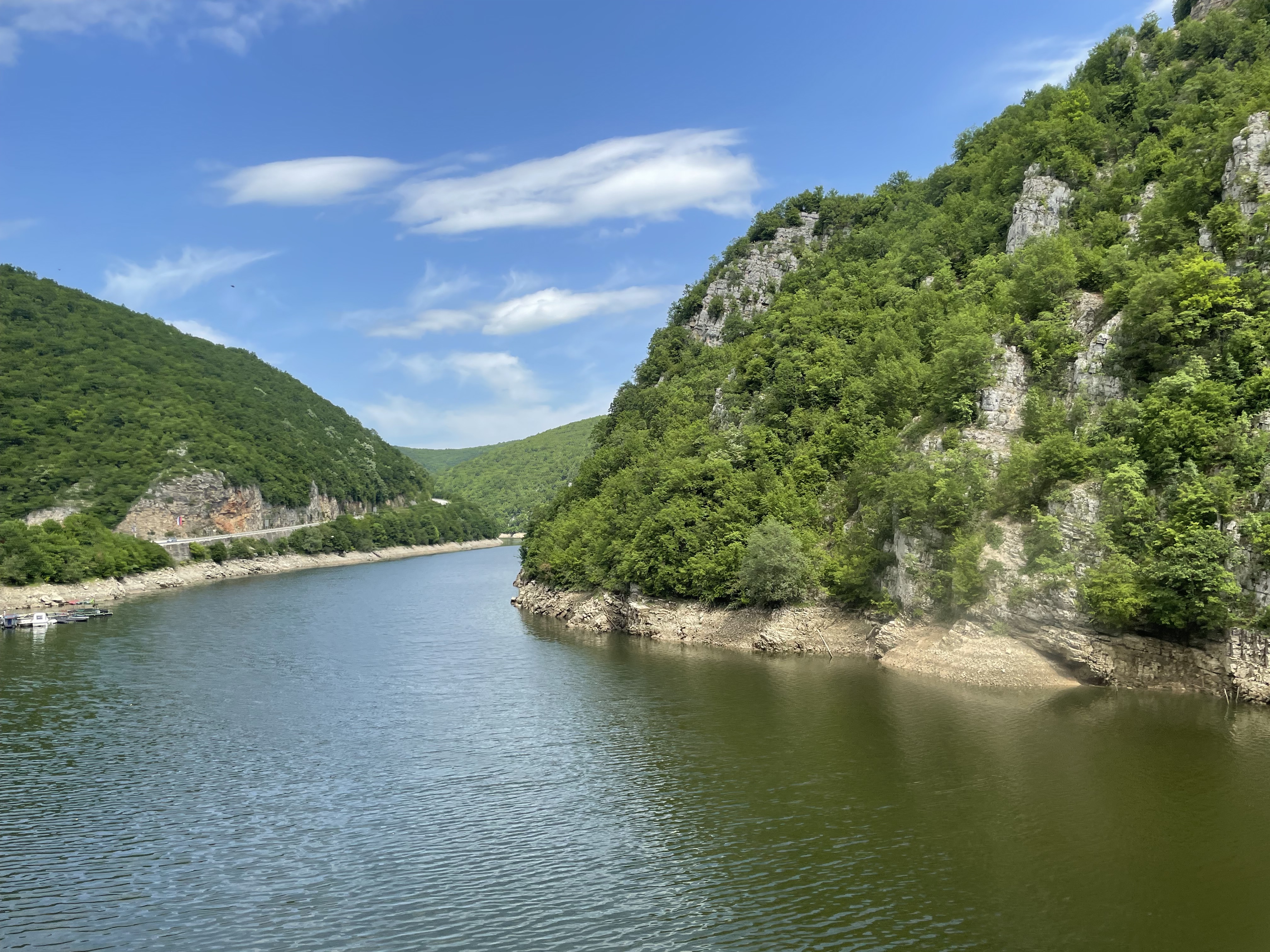
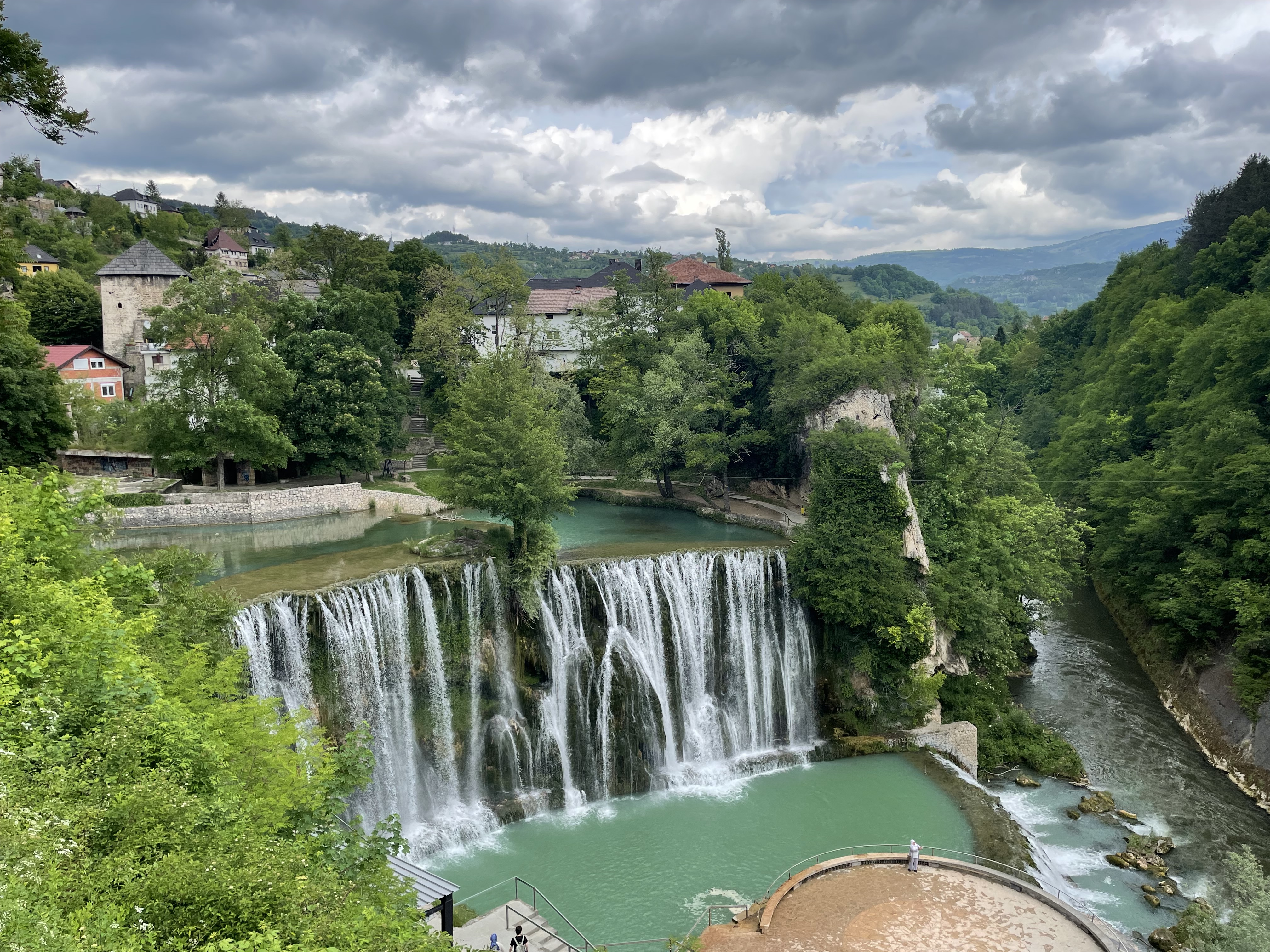
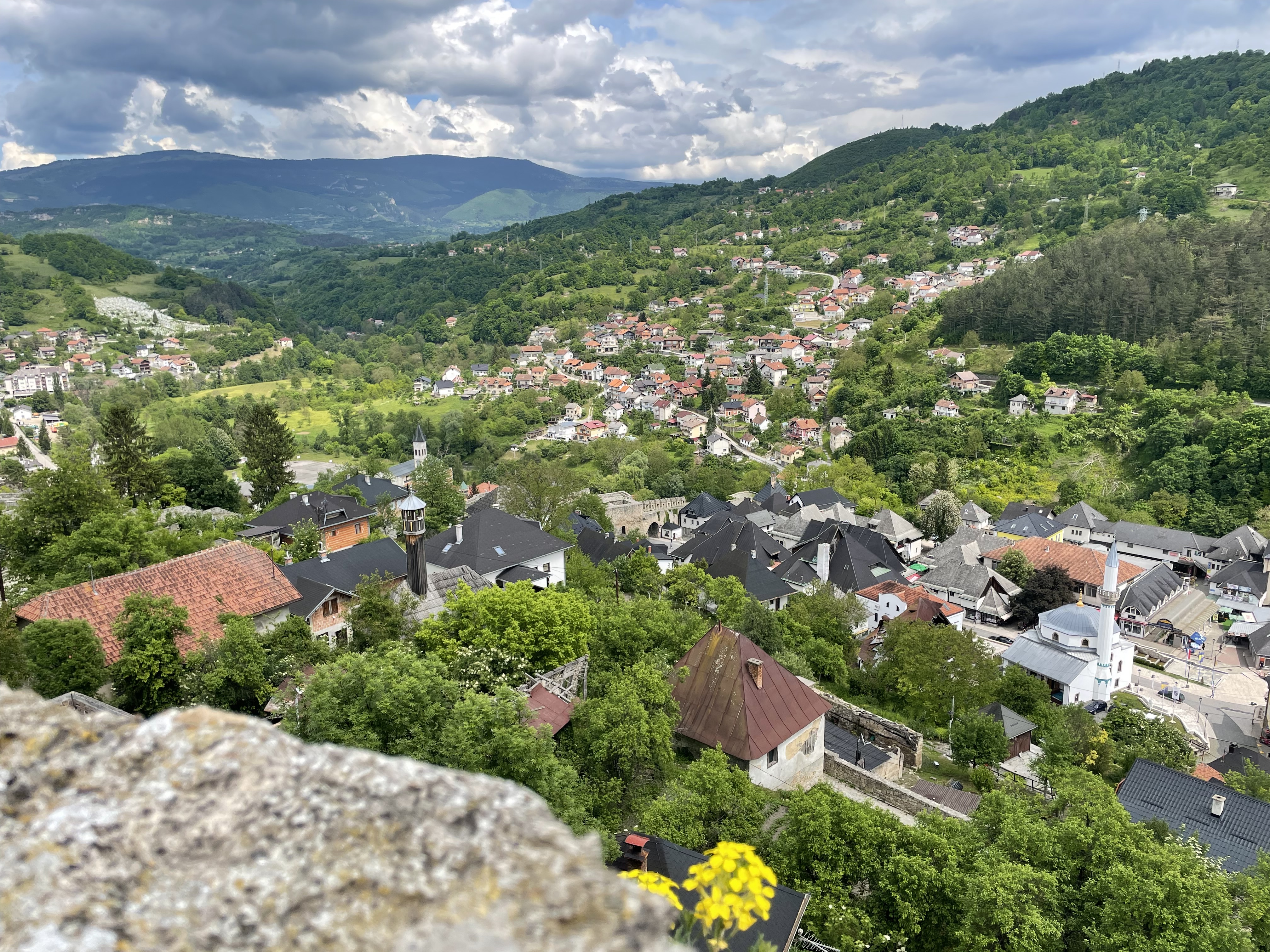
Needless to say, it was a relief to arrive at Jajce, a small town set above a beautiful waterfall where the Pliva river cascades gracefully into the Vrbas and where I could stand again and walk. Upriver from the falls is a small museum where, in the heat of the Second World War, Tito and his Partisans took a break from their guerilla war to lay out the future of the post-war Yugoslavia. The museum strives to stay current, and seems to be a rare example of modern cooperation among the former provinces. History in Jajce goes back much further than the 1940s and the small town centre is wedged between a cliff and a fortress, the latter little more than the walls and gates but boasting a beautiful view of the countryside around and town below, much of it set within the old city walls, a relatively safe bastion from armies and marauders that today is only attacked by school field trips.
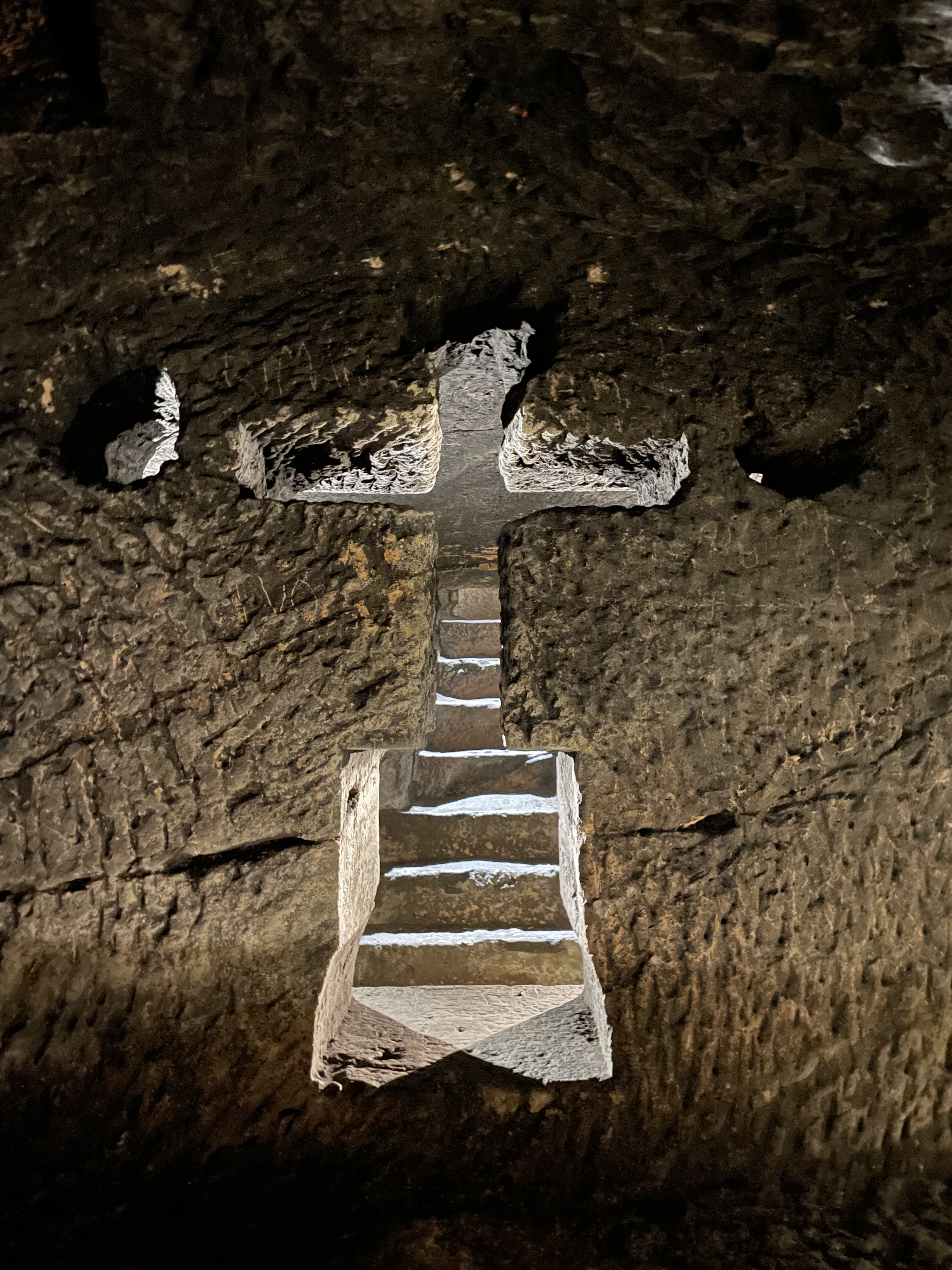
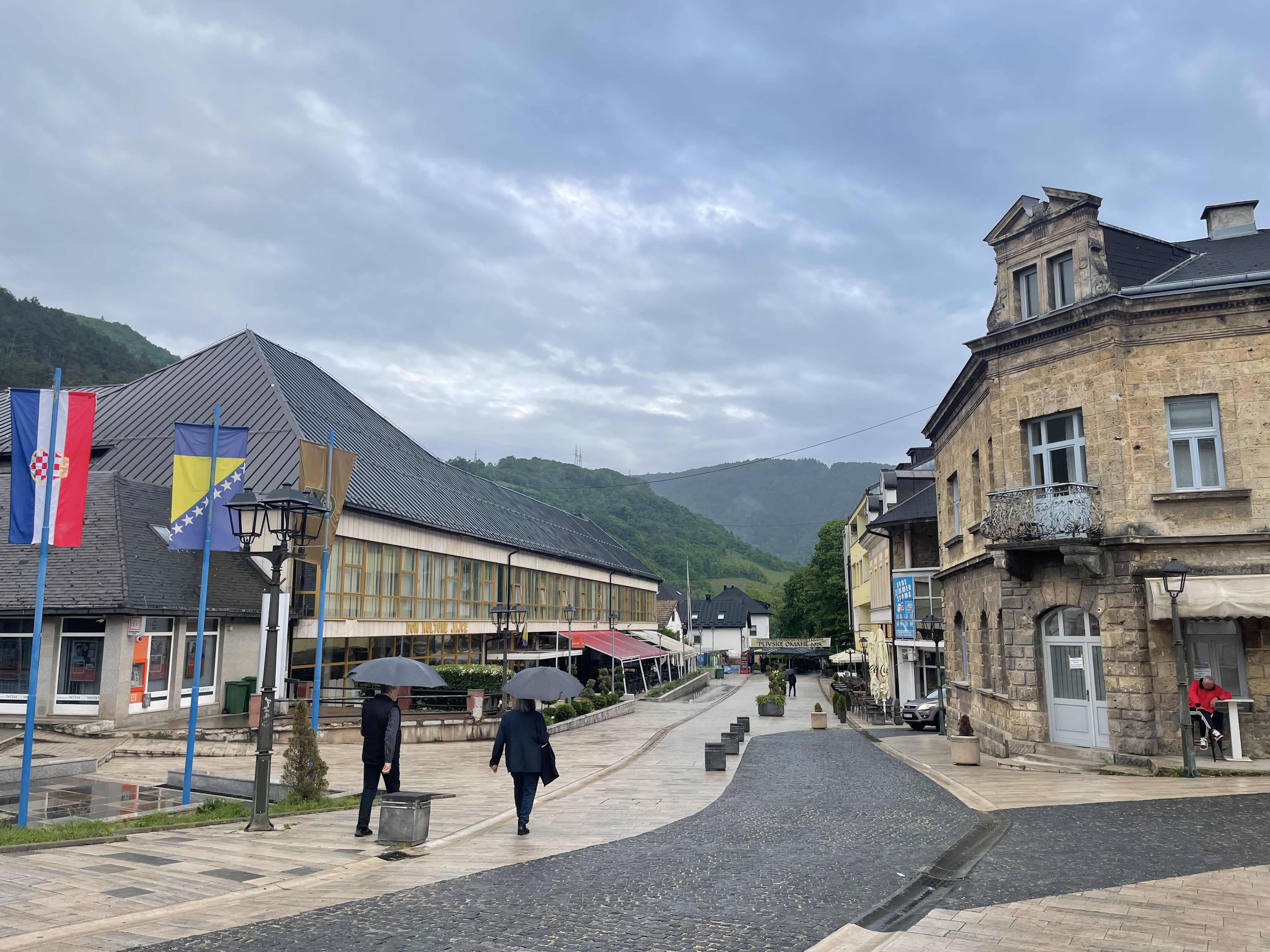
Better than the fortress were the catacombs below. The attendant paused reading her book to step back into the ticket booth and pointing me to a spartan entrance. This led down to three successive chambers carved from stone, each deeper down the the last. At the bottom it was dark and damp, a a funerary ledge to one side and a cross above carved out of stone. All of this was a middle age Christian usurpation of a pagan shrine. Jajce itself has similar seen a revival, its tired Yugoslav-era town centre recently revived with new cobblestones, shoeing cars away, and covering every open space with chairs, tables, and an umbrella – a full patio takeover. It made for a delightful place for the typical Balkan activity of sipping coffee throughout the day.

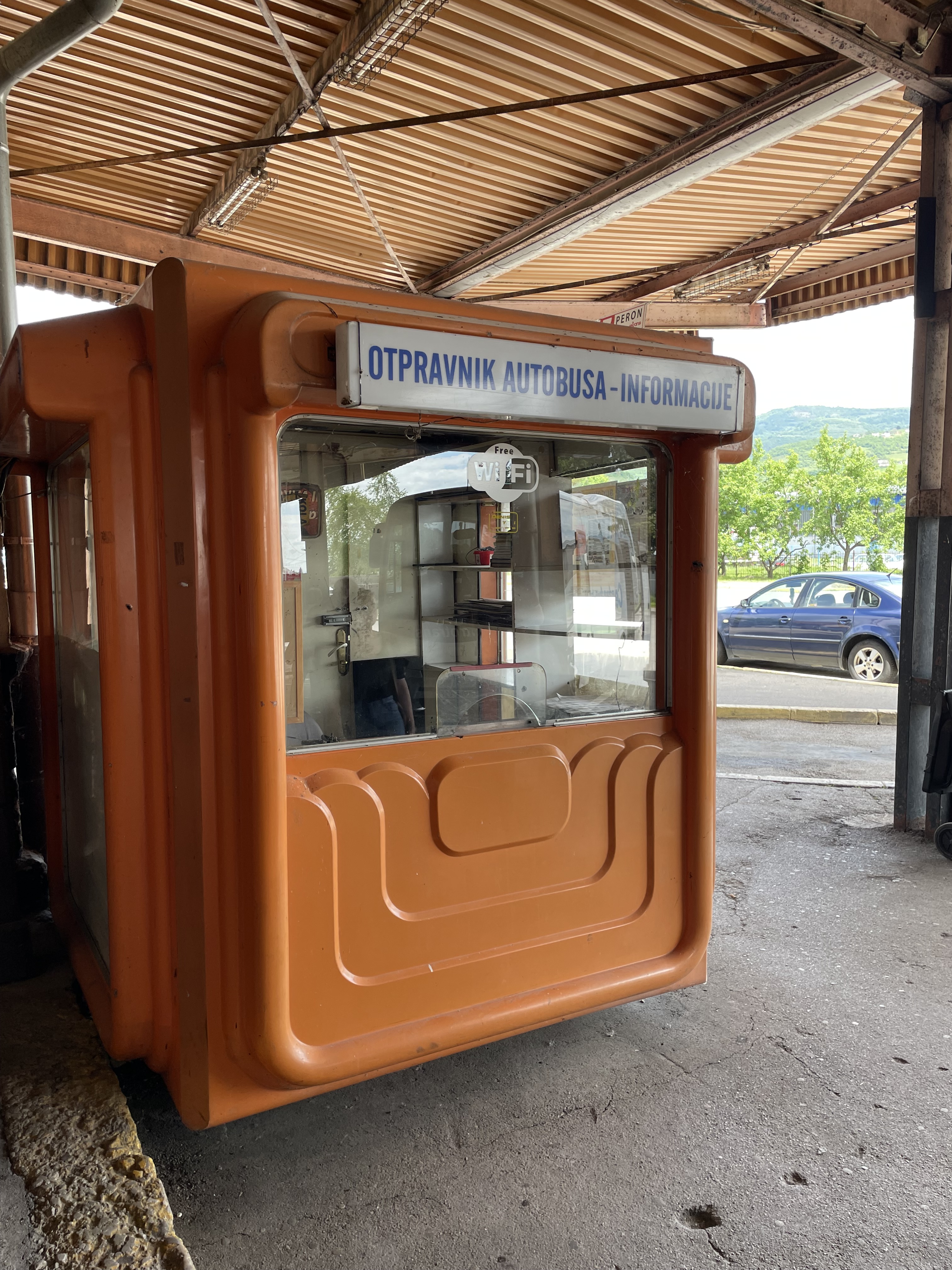
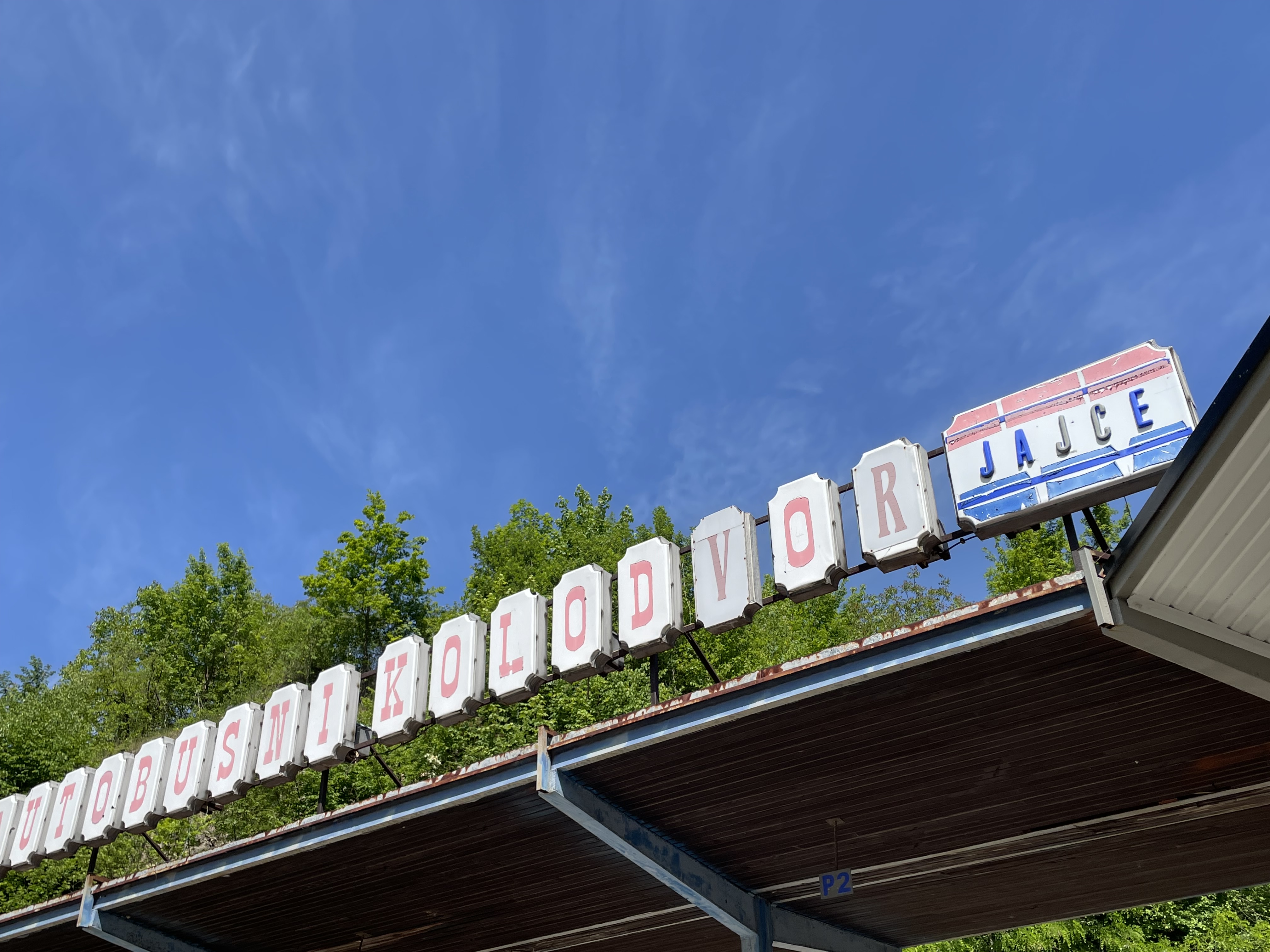
Jajce, while scenic, is also small and I left the next day from another tidy but dated bus station. This time on a proper coach, with a/c, without a seatmate, all of was a major improvement. The bus wound from river valley to river valley, past small towns and under a West Virginia of unending green hills. Bosnia is divided into two territories formalized by the Dayton Accords that ended the 1990s war. Now I was passing from one, the Federation of Bosnia and Herzegovina, to the other as we left the hills and came to the other half of this jagged puzzle, Republika Srpska. Banja Luka, its capital, boasts the same flag as neighbouring Serbia, and the graffiti tags around town use Cyrillic instead of Latin, identity markers that hint at an enduring rupture.
New divisions aren’t the only mark of Yugoslavia’s end. The last three decades have created winners and losers among its old republics, countries like Slovenia and Croatia that enjoy memberships in the EU, visa-free Schengen access, and use the Euro. The difference is stark at the Bosnian-Croatian border, where our bus took the better part of an hour to clear all the various formalities. A generation ago, the nearest frontier was over 100 kilometres away and a family could take the train between Zagreb and Sarajevo to watch the 1984 Olympics. One lesson from my visit: history seems to roll over Bosnia in waves, a swirl of peoples and beliefs, occasionally crashing against one another, constantly moving up and down the endless hills.
 Zak Abroad