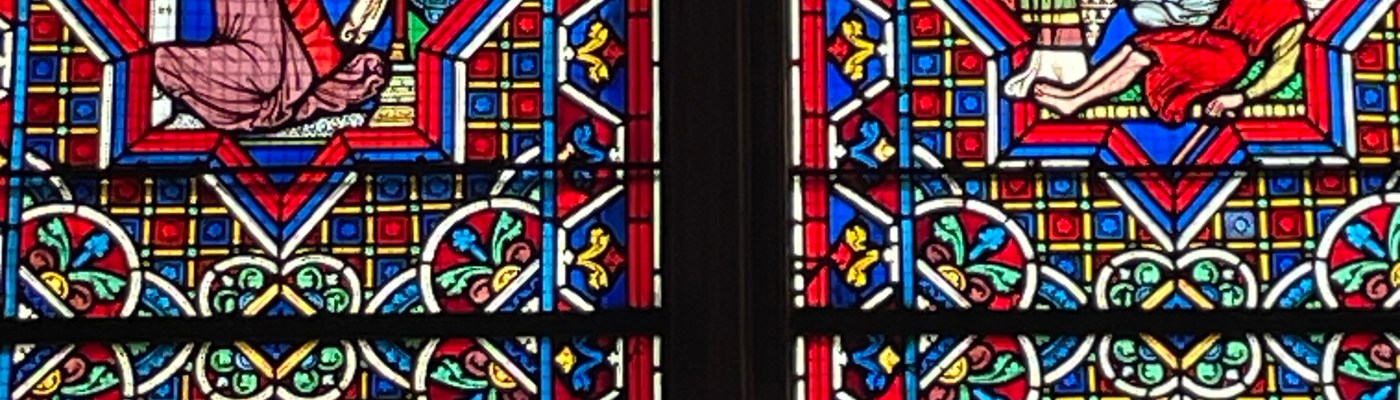
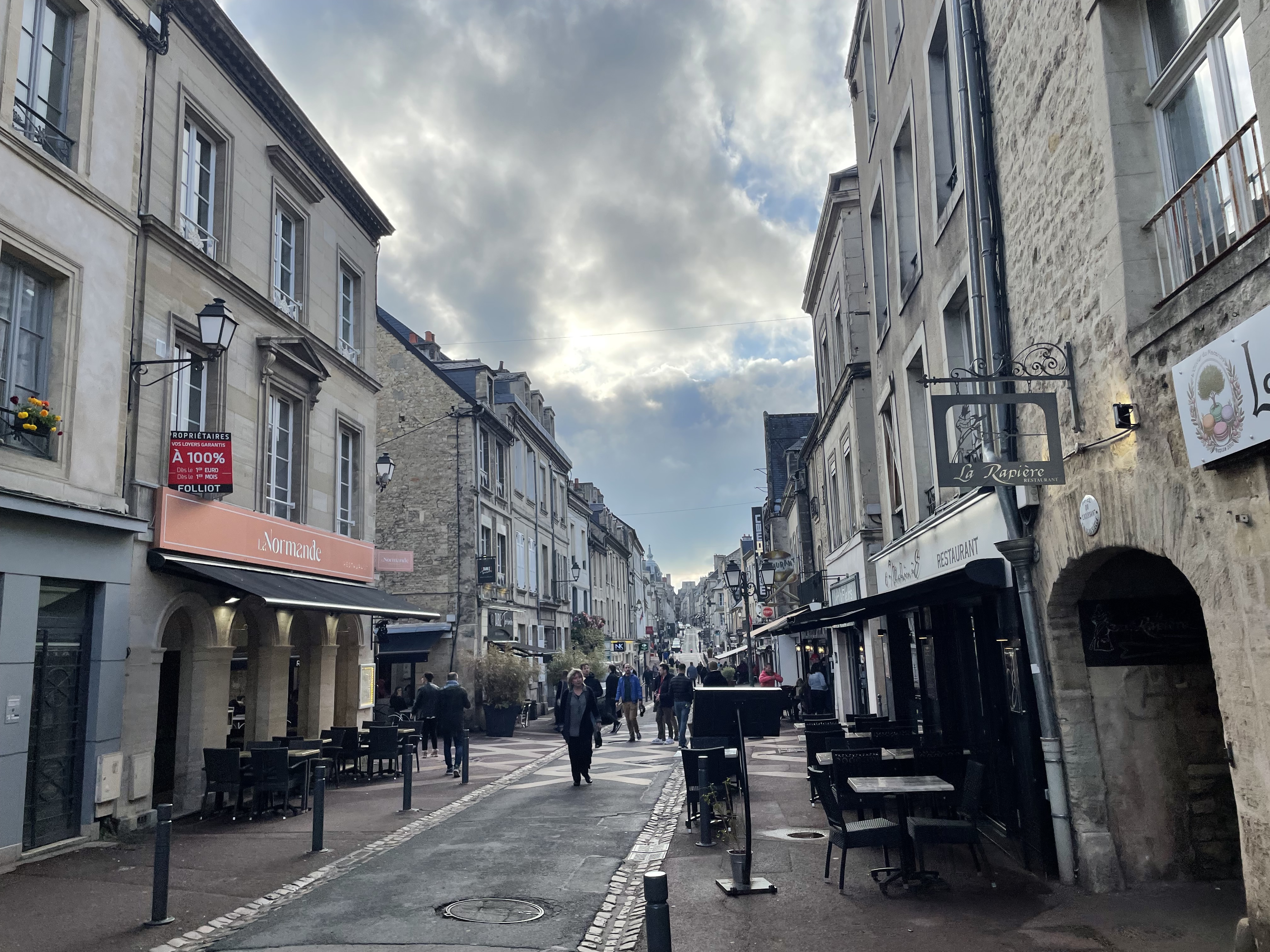
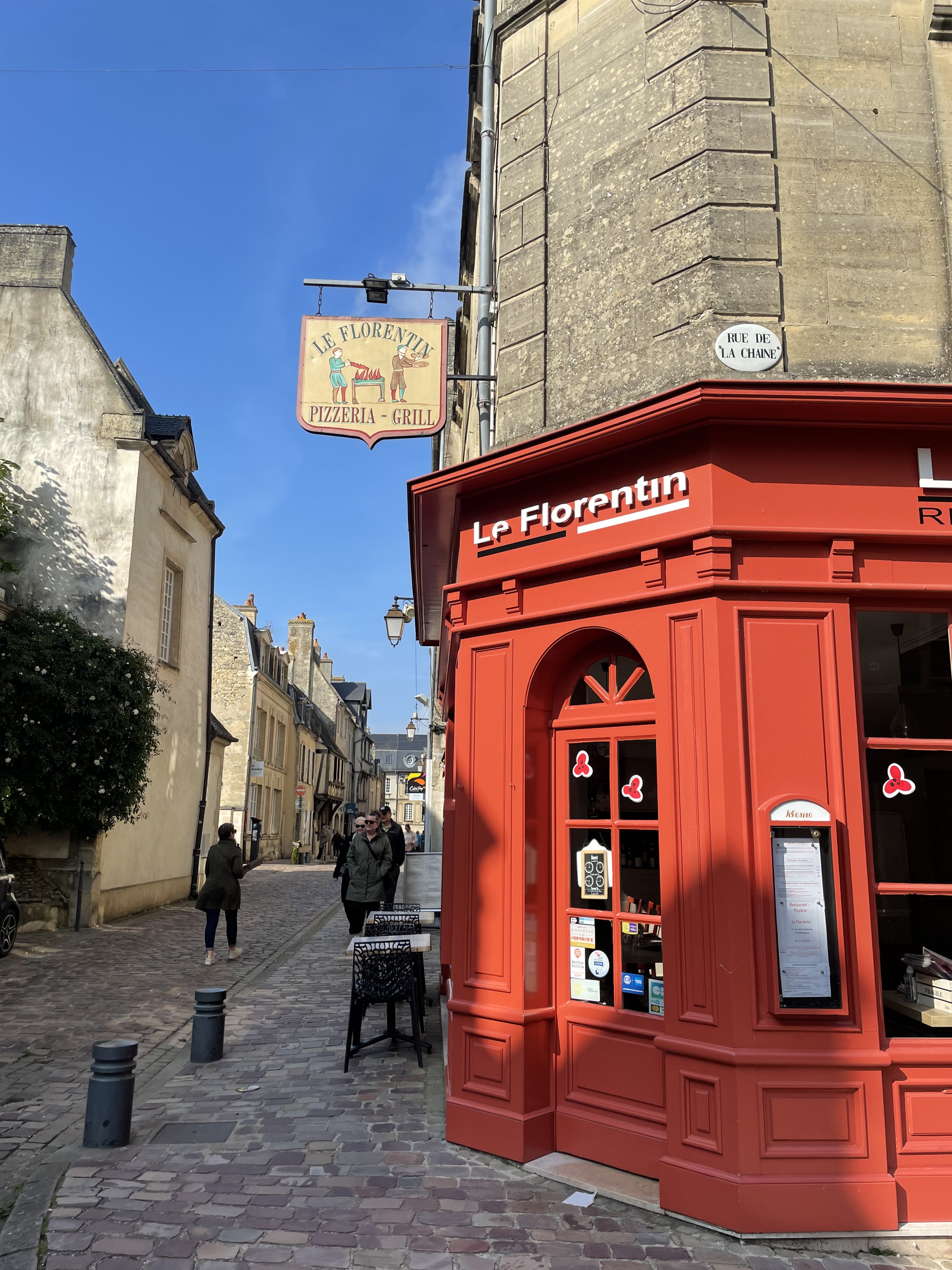
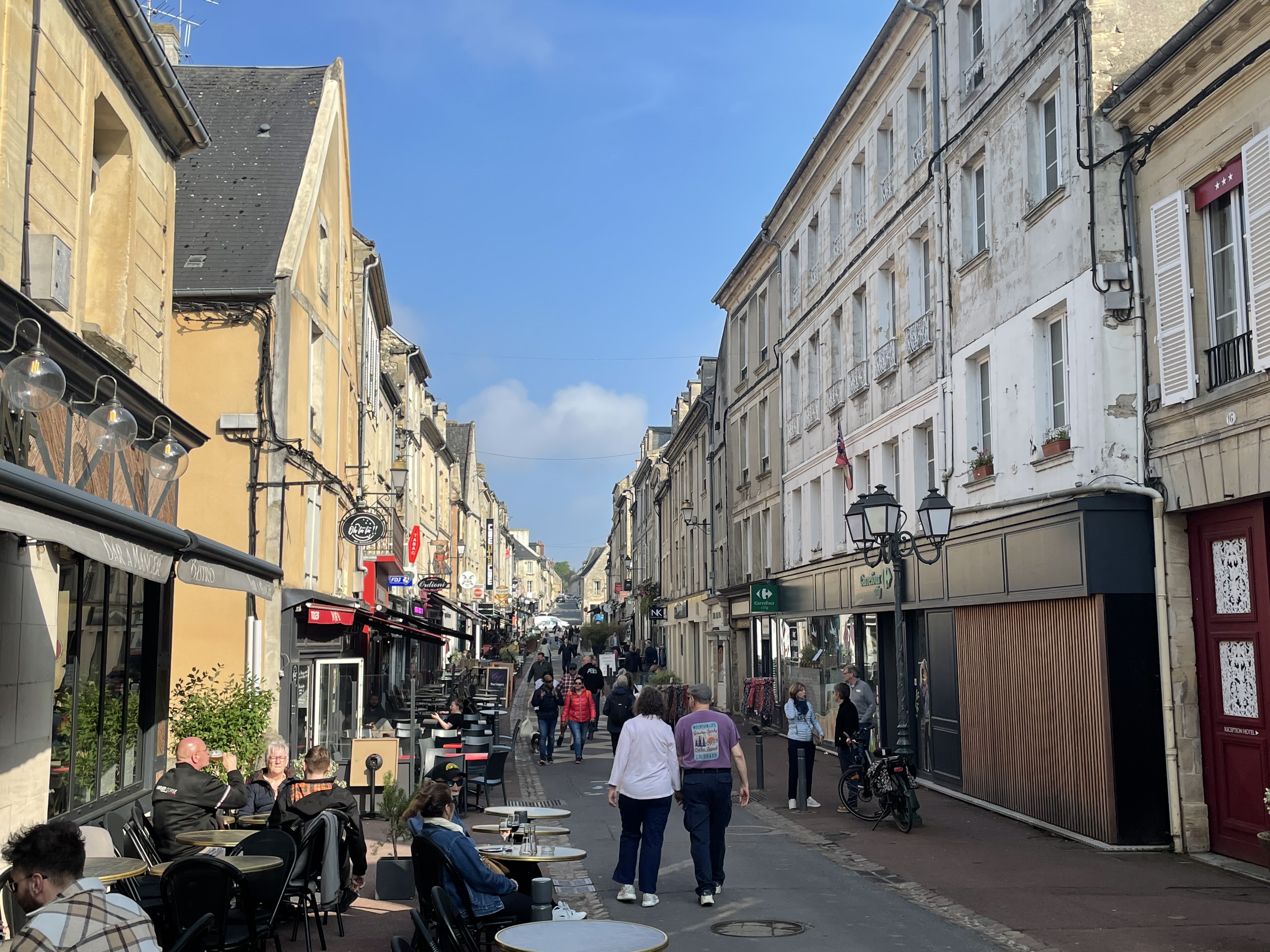
Bayeux was a welcome refuge. Building a trip around visiting World War II sites, while worthwhile, also means somber moments. It was important to leaven out this sort of emotionally heavy experience with other activities. Normandy, and the small town of Bayeux where we based ourselves, offers exactly this. Though Bayeux is small, its history traces back nearly 2000 years, and today’s town is compact and walkable, featuring a central thoroughfare busy with pedestrians, both local and visiting, enjoying its offering. While it is clearly fed by tourism, Bayeux manages to strike a pleasant balance that left it feeling outside the tourism machine that can dominate popular locations.
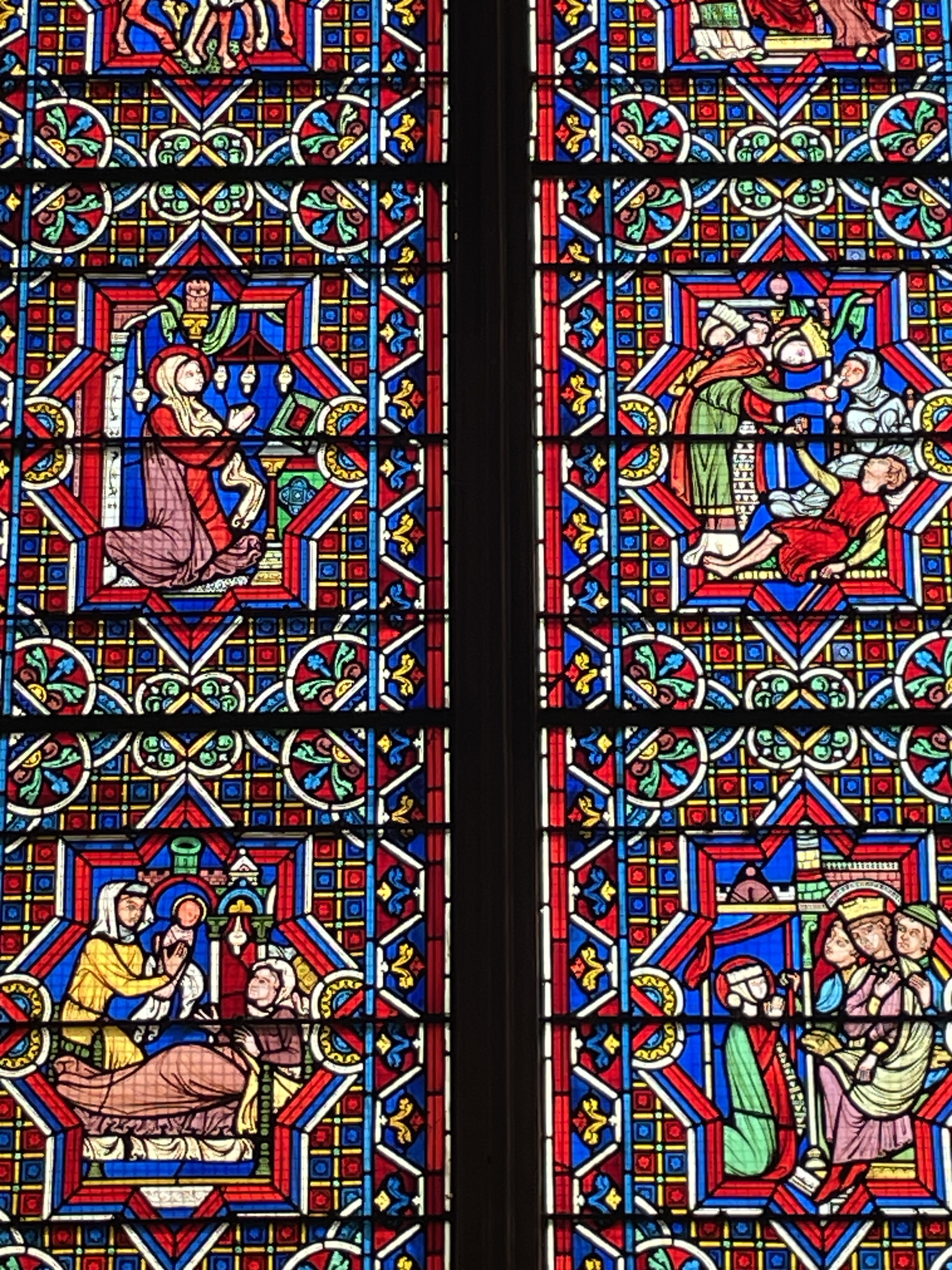
The other big event in Bayeux’s history, besides the D-Day landings, was the Norman invasion of England led by William the Conqueror. His stout visage, cast in a larger-than-life bust, met us at the first landing each time we climbed the stairs to our 15th-century Bayeux apartment. The story goes that King Harold, breaking an oath made to William, usurped the throne following his father’s death. In direct response to this, William gathered his forces, mirroring the Allied invasion 900 years later, and audaciously crossed from France to England with a massive fleet to depose the pretender Harold. These actions ultimately culminated in the Battle of Hastings, William’s victory, and an end to Anglo-Saxon royalty in England.
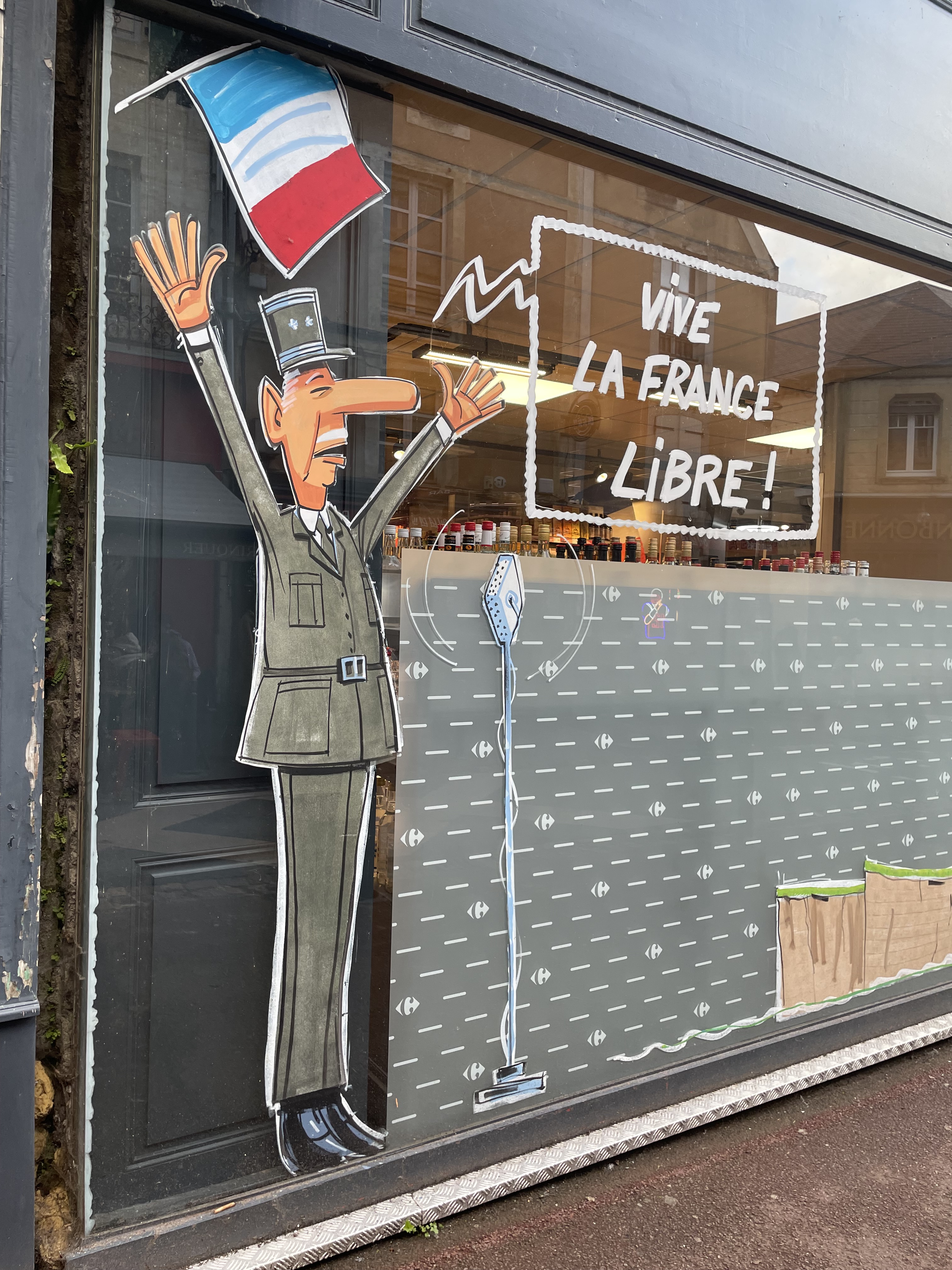
This story would often be lost to a historical footnote, a mention in a high school history class quickly forgotten by most of us. It remains relevant because it is told not by textbook by the Bayeux tapestry, in this case an 230 foot long embroidered linen that, when paired with an accompanying audio guide, tells the story of this epic with remarkable detail and clarity. The museum is simple, featuring the tapestry and virtually nothing else, but this was fine. For several centuries the tapestry was displayed every year in the equally impressive Bayeux cathedral. That it has survived all this time and is in good condition, is just remarkable. Making your way down its length, you can almost imagine how these types of stories were communicated in an age before the printing press and widespread literacy, never mind mass media.
On another morning we set off for Mont St Michel, the famed and oft-photographed fortress-cum-abbey sitting atop a rocky island between Normandy and Brittany. People the world over are well aware of this magical place, clogging the mainland parking lots and causeway shuttles to the island before funneling through its narrow streets and trudging up to the abbey at the peak. It even features in the Bayeux tapestry, a landmark even in that time. This day it was our turn to become part of the horde. For over 1200 years, Mont St Michel served as a refuge, becoming a symbol of France following its successful resistance of the English throughout the Hundred Years’ War. While its steep walls and ramparts can no longer keep out the thousands who descend each day, it still performs a patriotic duty, taking out a pound of financial flesh from each visitor – an enduring legacy to France.
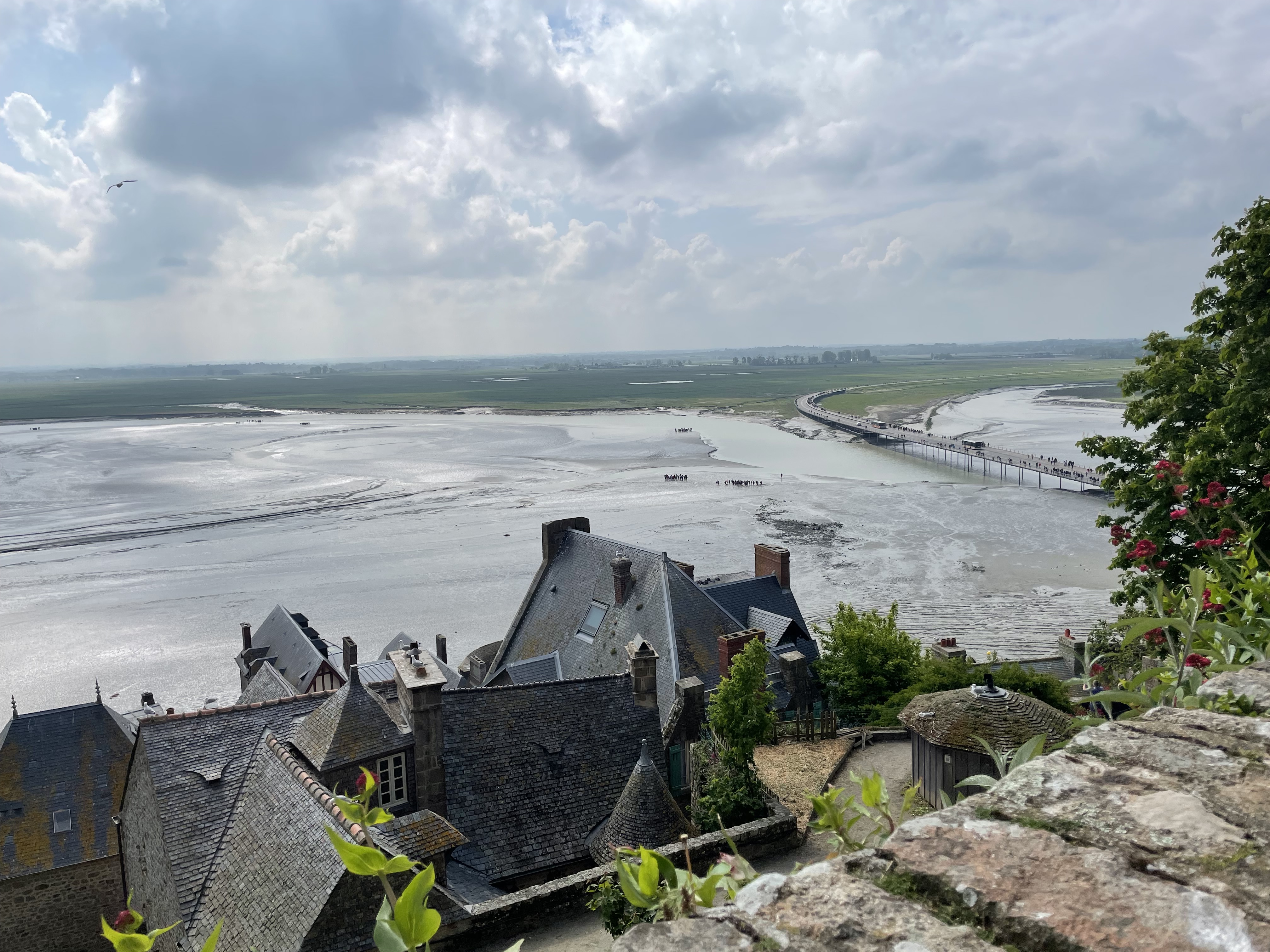

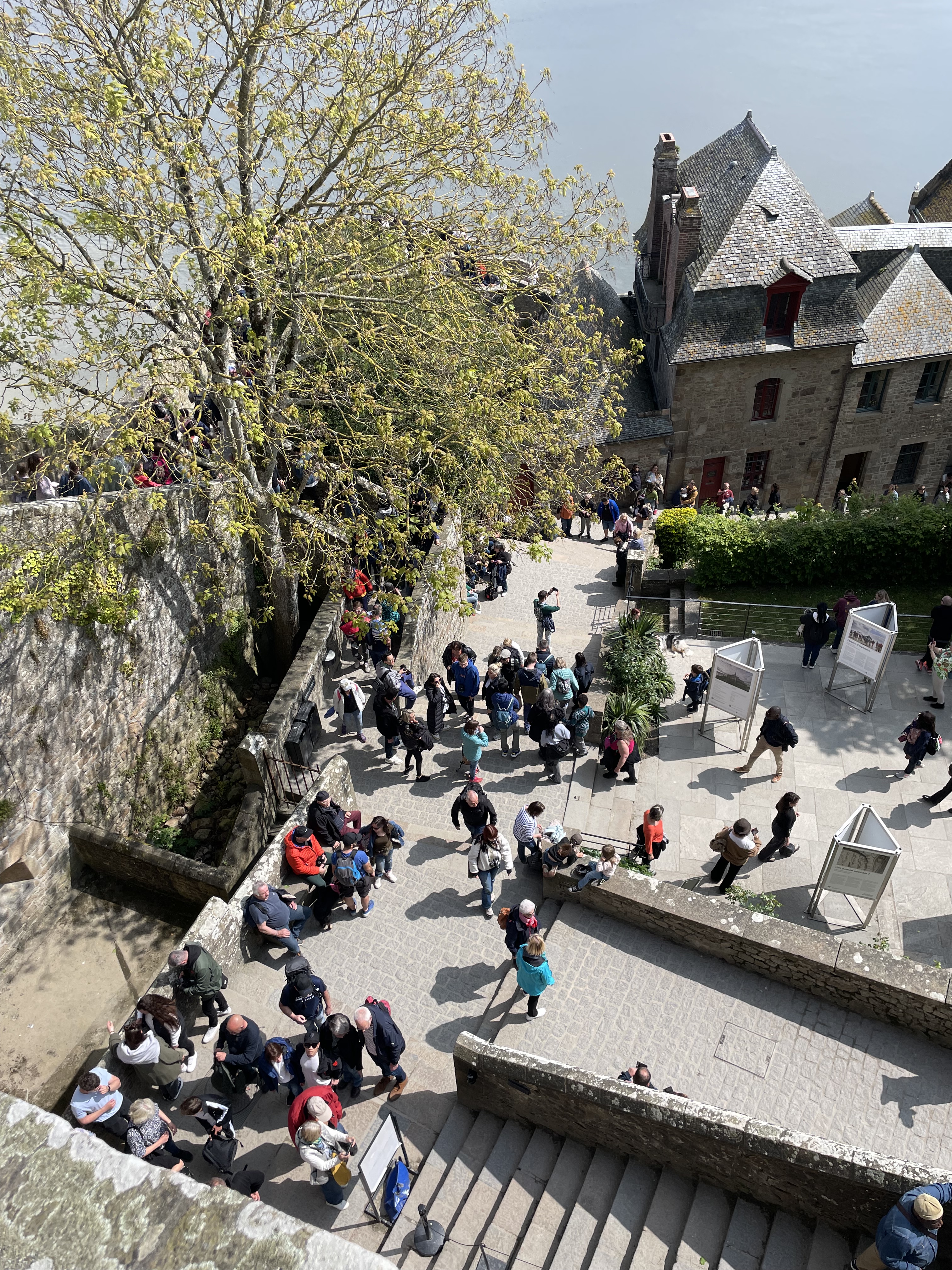
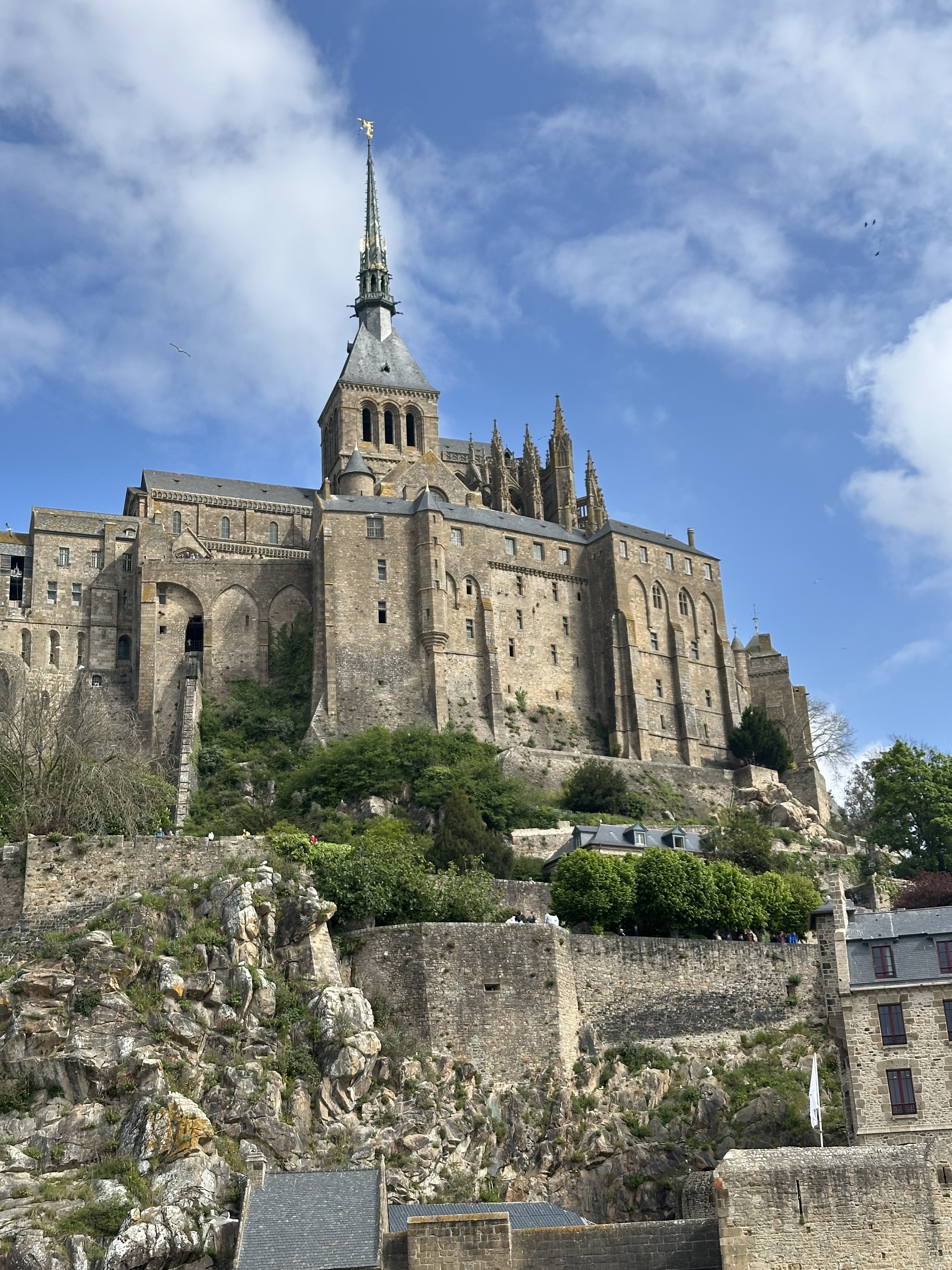
For all my whining about other tourists, Mont St Michel is actually worth the hype. It looms on the horizon from afar, like a misplaced Tower of Babel, growing in stature as you approach on foot along the causeway, fully dominating the pastures and mudflats around it. The climb is steep but the crowding ensures a slow pace and the line-up to enter the abbey offers what feels like an intentional breather while waiting your turn. Inside, a handy pamphlet is provided that takes you through the various spaces, explaining where you are and what purpose each served. I am not an expert in abbey design, so this was extremely welcome. While looking out over France and the channel from the upper terraces, I had a greater appreciation for the appeal of monastic vows, especially in comparison to labouring away at some backbreaking agricultural task until your body gave out.
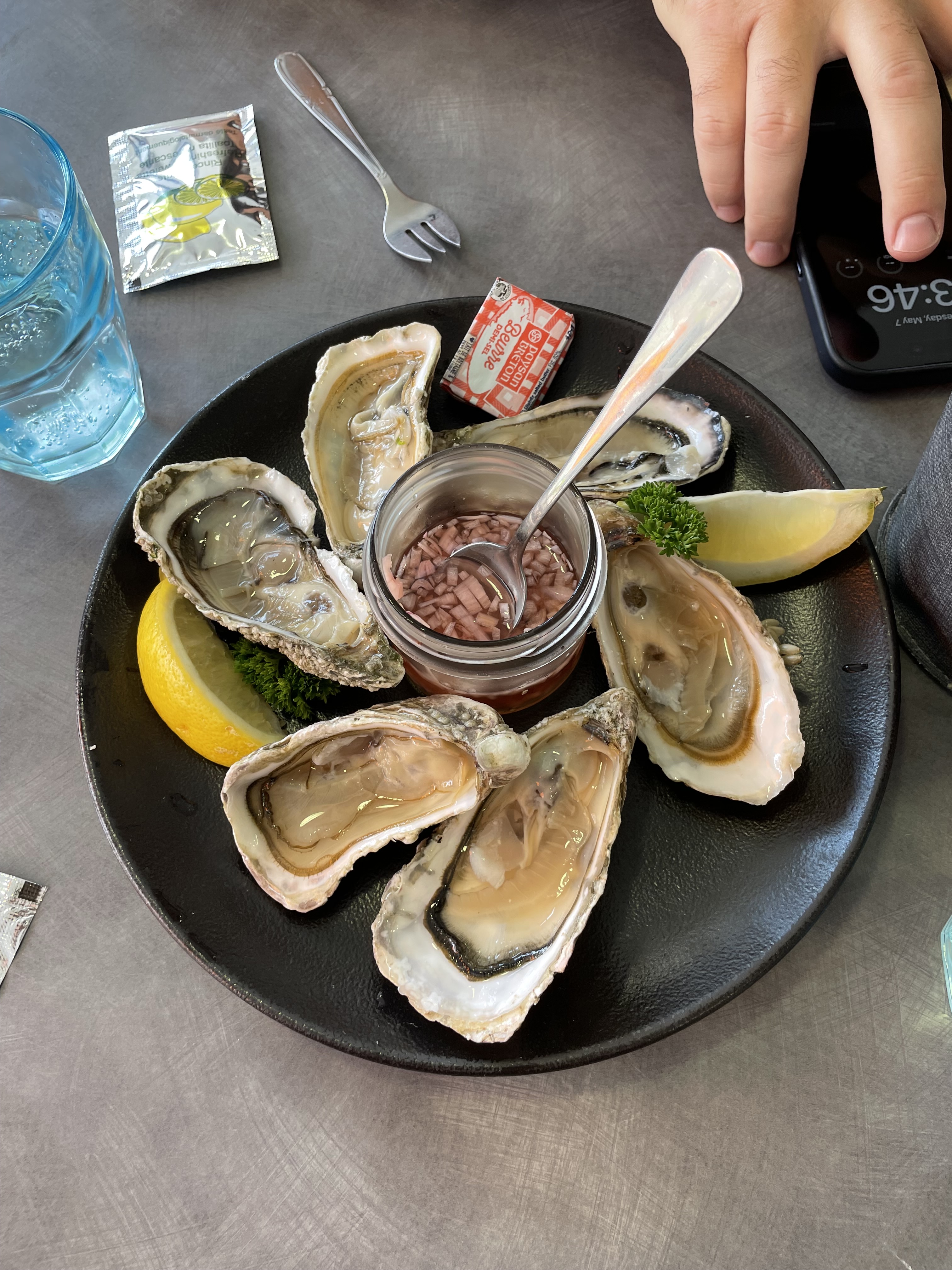
We made our way back on foot to the car park, past the people crowding the streets, past the herds of sheep in pastures, and past the children squealing while ankle deep in the mudflats. Everyone seemed to be enjoying the day. We crowned the visit with lunch, including a half dozen local Norman oysters while we worked on our culinary laurels. Back in Bayeux at day’s end, it felt good to have had a day away from World Wars, trenches and pillboxes. It’s easy enough to get swept up in the drama of the fighting, especially on a canvas as big as D-Day and World War II. It’s also important to balance that out, not just to enjoy the trip but to remember that we can create as well as we can destroy.
 Zak Abroad