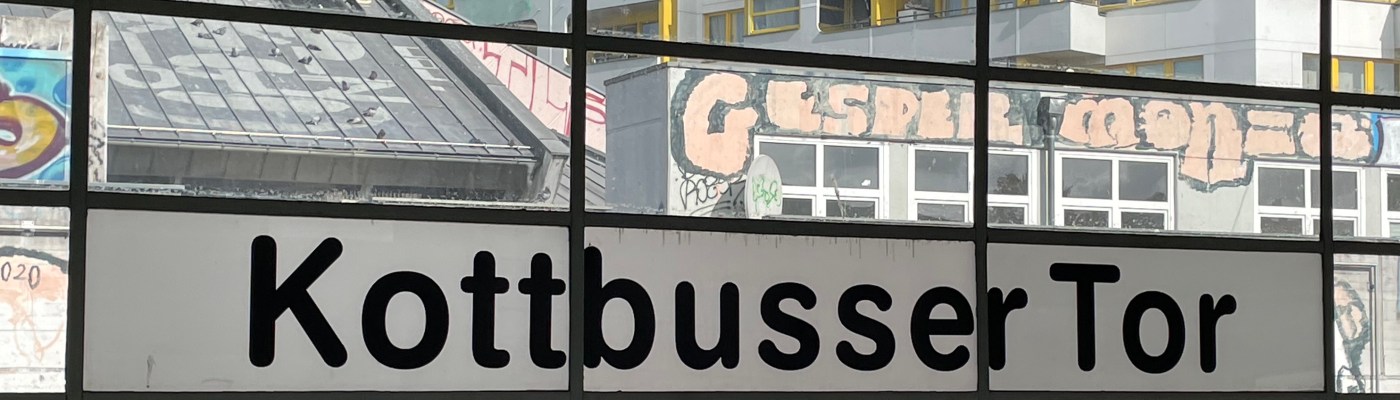
Like Rome, I had been to Berlin, our last stop, nearly two decades ago. Sandwiched between my self-important and overwrought teenage musings, my old journal notes that Berlin felt like the first dynamic place, a city not preserved but alive and changing, one that subverted my sheltered expectations of Europe. It has that same feeling today, an energy that is palpable, and a self-assurance that has emerged in the decades between that I didn’t recall. Potsdamer Platz is still charmless and sterile, but now the city swarms with people on bikes and scooters, a total sea change. It feels cleaner, more cohesive, more at ease. By comparison, Rome had felt static, familiar, and geared to the tourist. Berlin is anything but, and while tourists are abundant, they are far from center stage in the German capital.
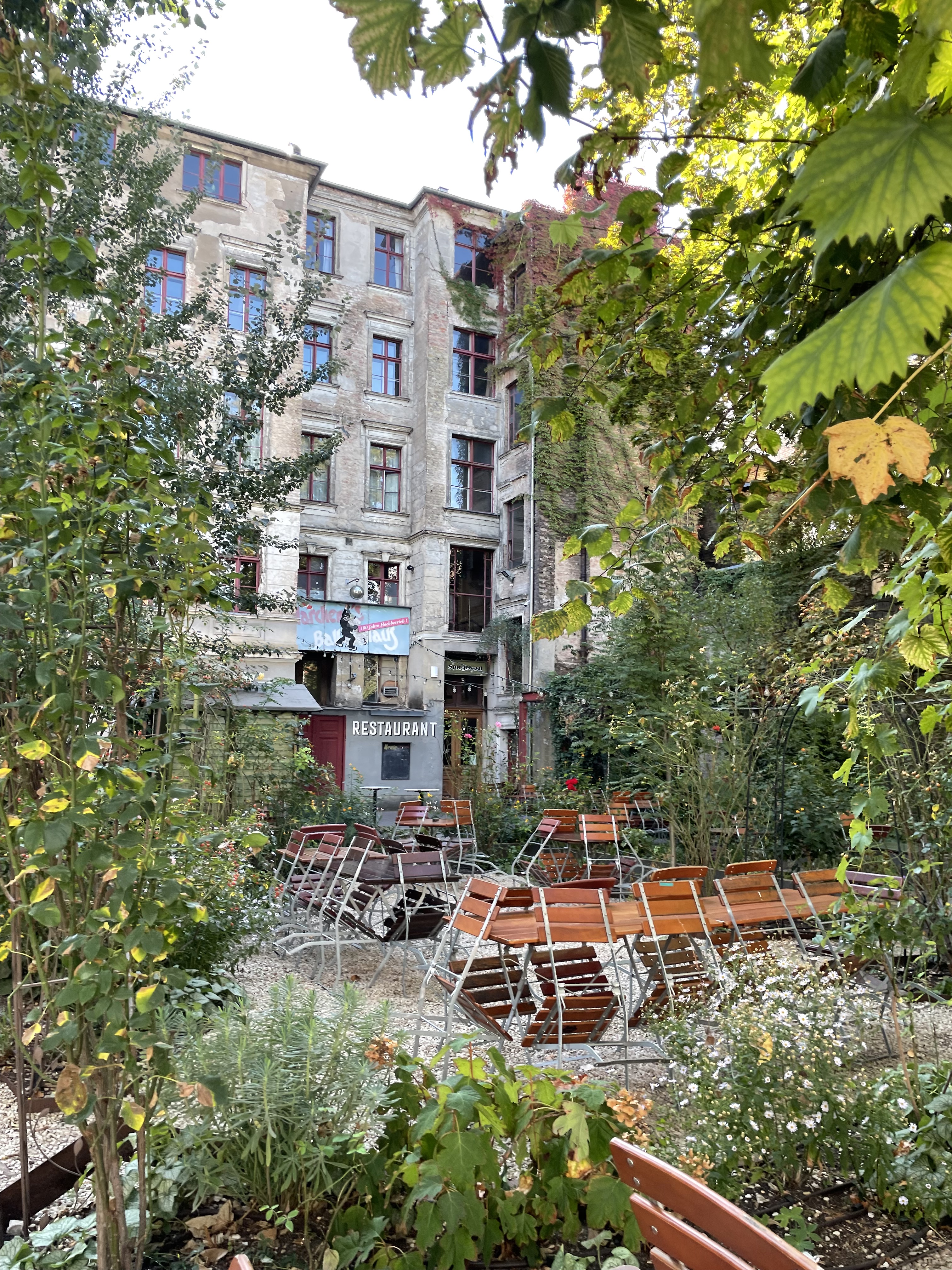
In 2002 the city had seemed grungy, with rough edges and graffiti everywhere. It gave the city an intense, intoxicating edge. There is still some edge, blunted and rounded a bit now, but Mitte, once a former East German salient hemmed in by the wall in the core, is almost entirely polished and gentrified. The once-ubiquitous Berliner Bear statues, individually painted oversized versions of the city icon, are all gone. The ampelmanner, the jaunty, hatted red and green icons at every street crossing, thankfully remain. In the meantime however the German stereotype of following rules seems to have faded: no longer do pedestrians wait patiently on dark, deserted streets for a walk signal. At least not in Berlin. The city is too busy to waste time like that anymore.
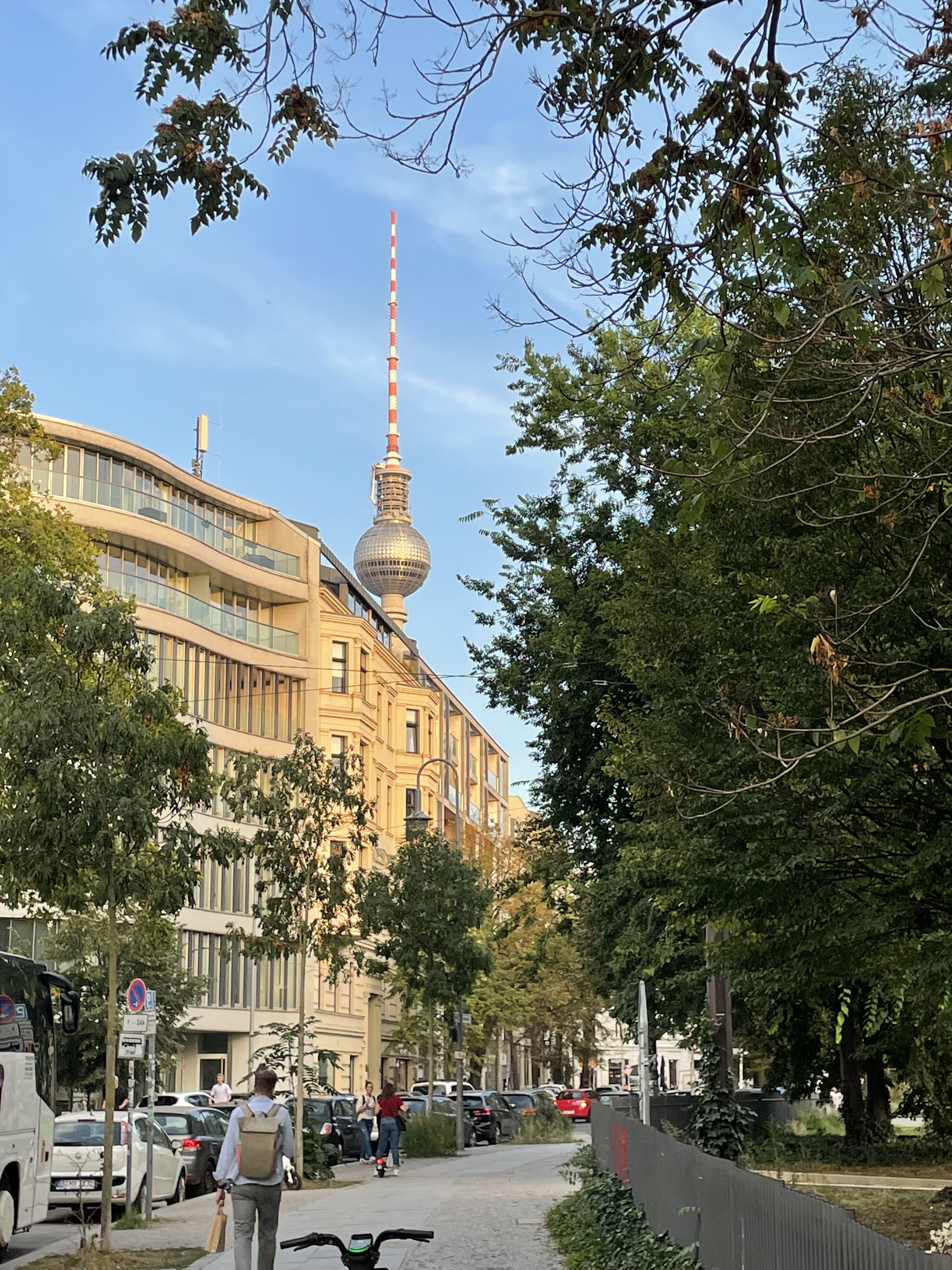

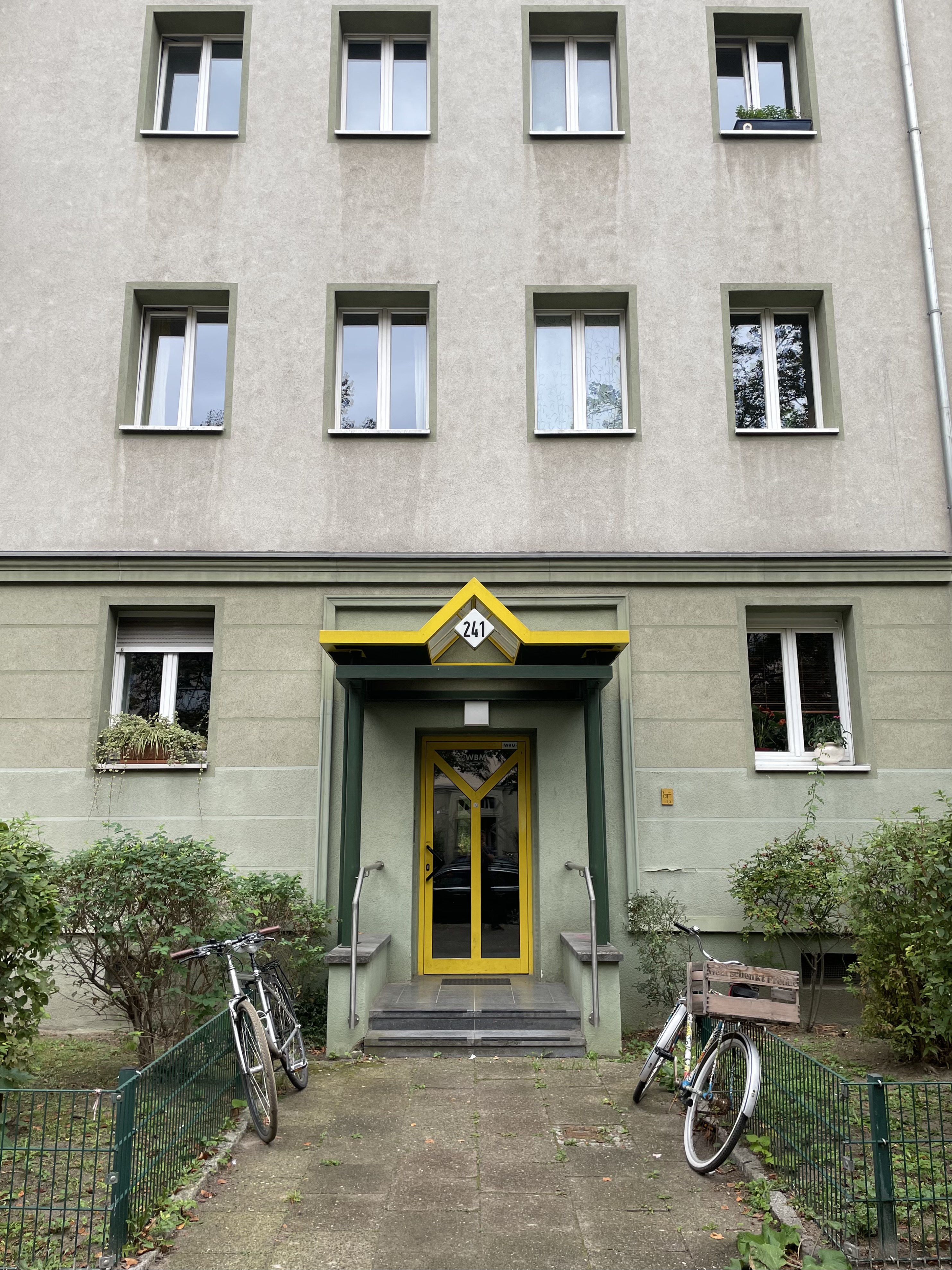
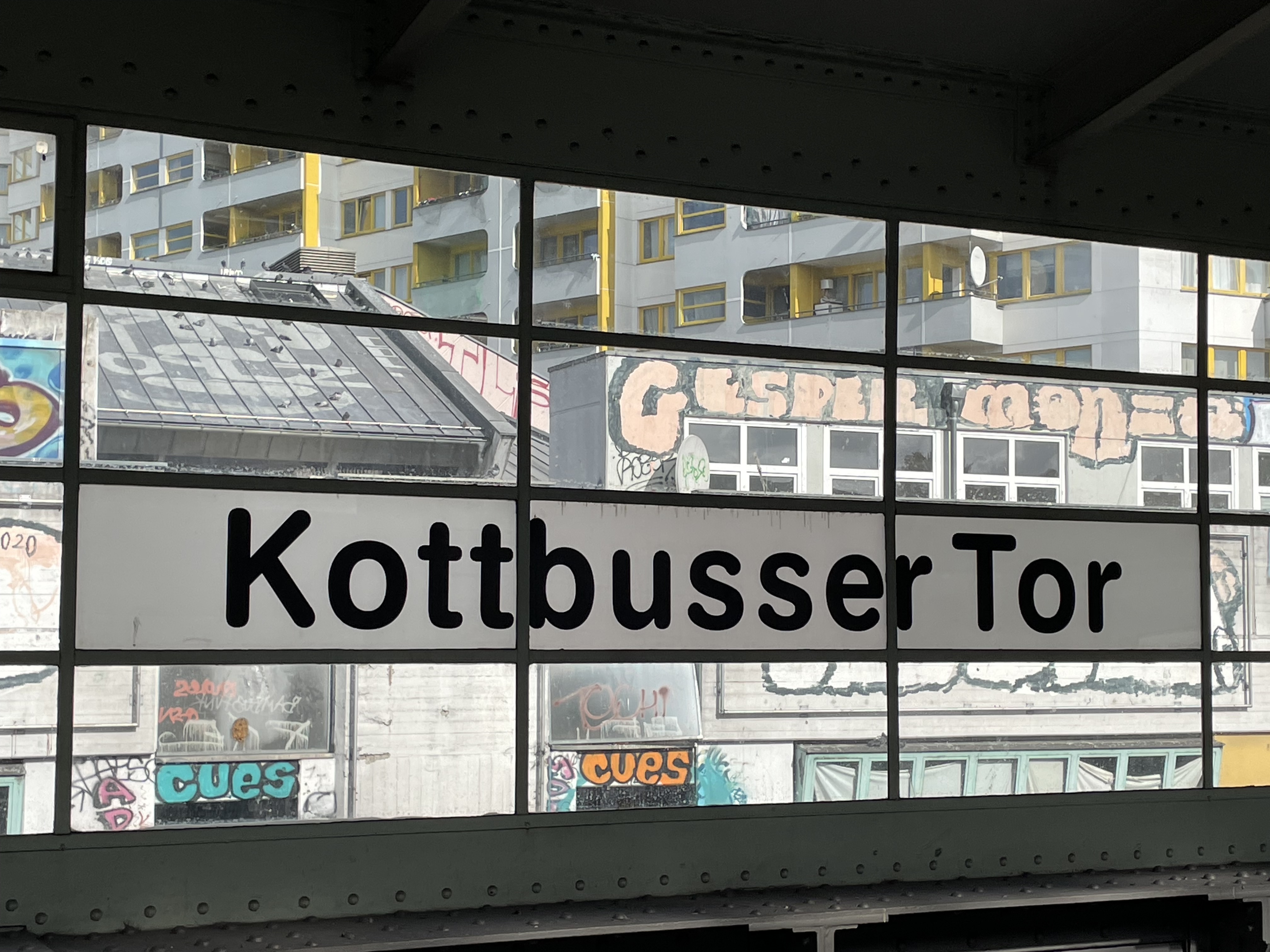
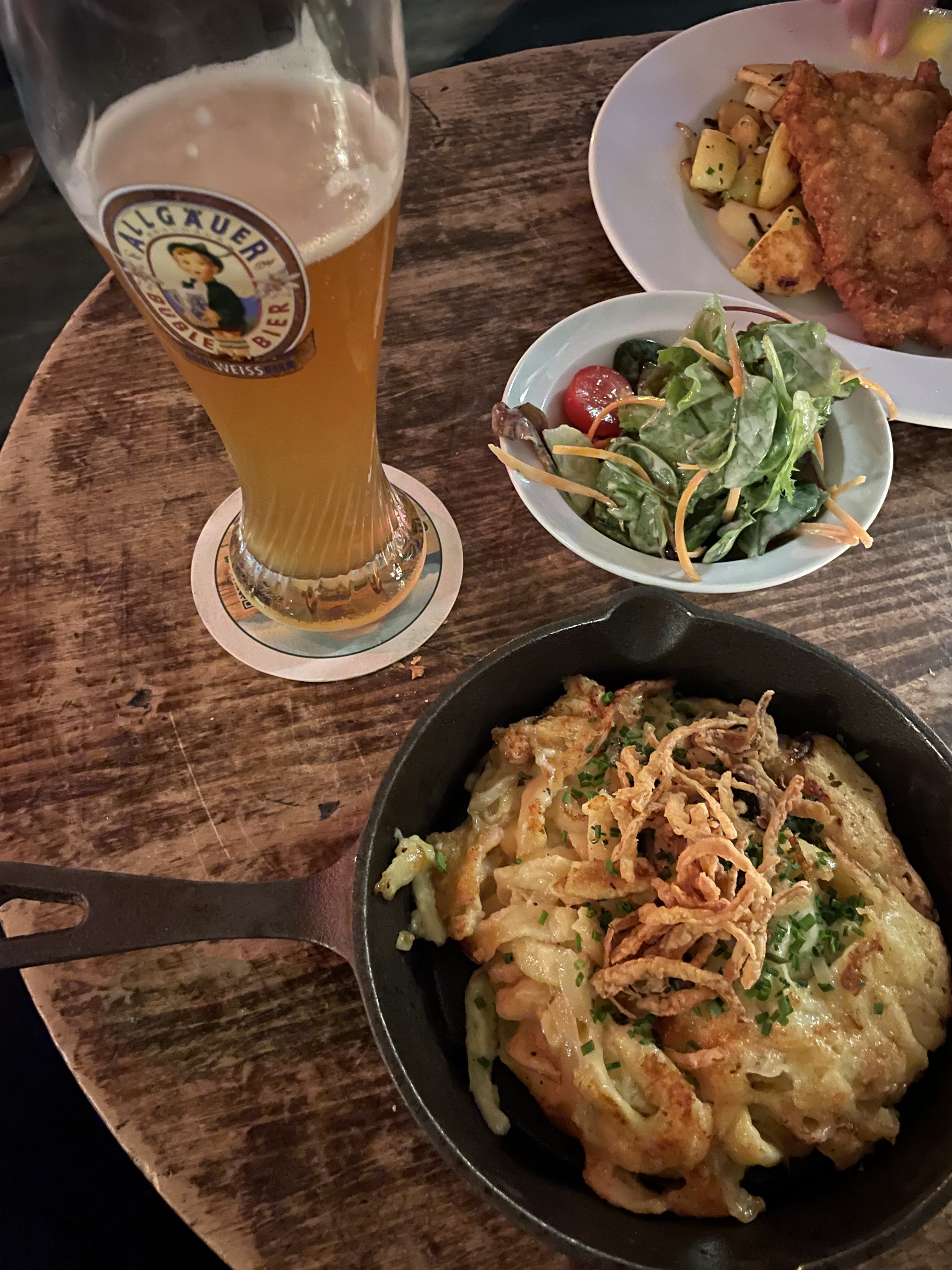
Berlin as a city is less claustrophobic, more spacious, at least compared with Rome. Settled on a one-time marshy plain, it extends out in every direction, a web of railway lines and roads spreading into the forests and farmlands of surrounding Brandenburg, an expansive world of possibilities that invites you to explore. It is a delight to walk through its neighbourhoods, prototypically European-scaled 5-8 storeys and filled with all manner of shops, bars, and restaurants. Perhaps in response to the unfairly maligned status of German cuisine, Berlin’s restaurant scene is an explosion of international tastes, a reflection of the babel of languages on any given sidewalk. For all the options around us, my first stop was a Schwabisch restaurant, the Schwarzwaldstube, near our hotel where I introduced Hannah to flammkuchken and indulged myself in a baked kasespatzle.
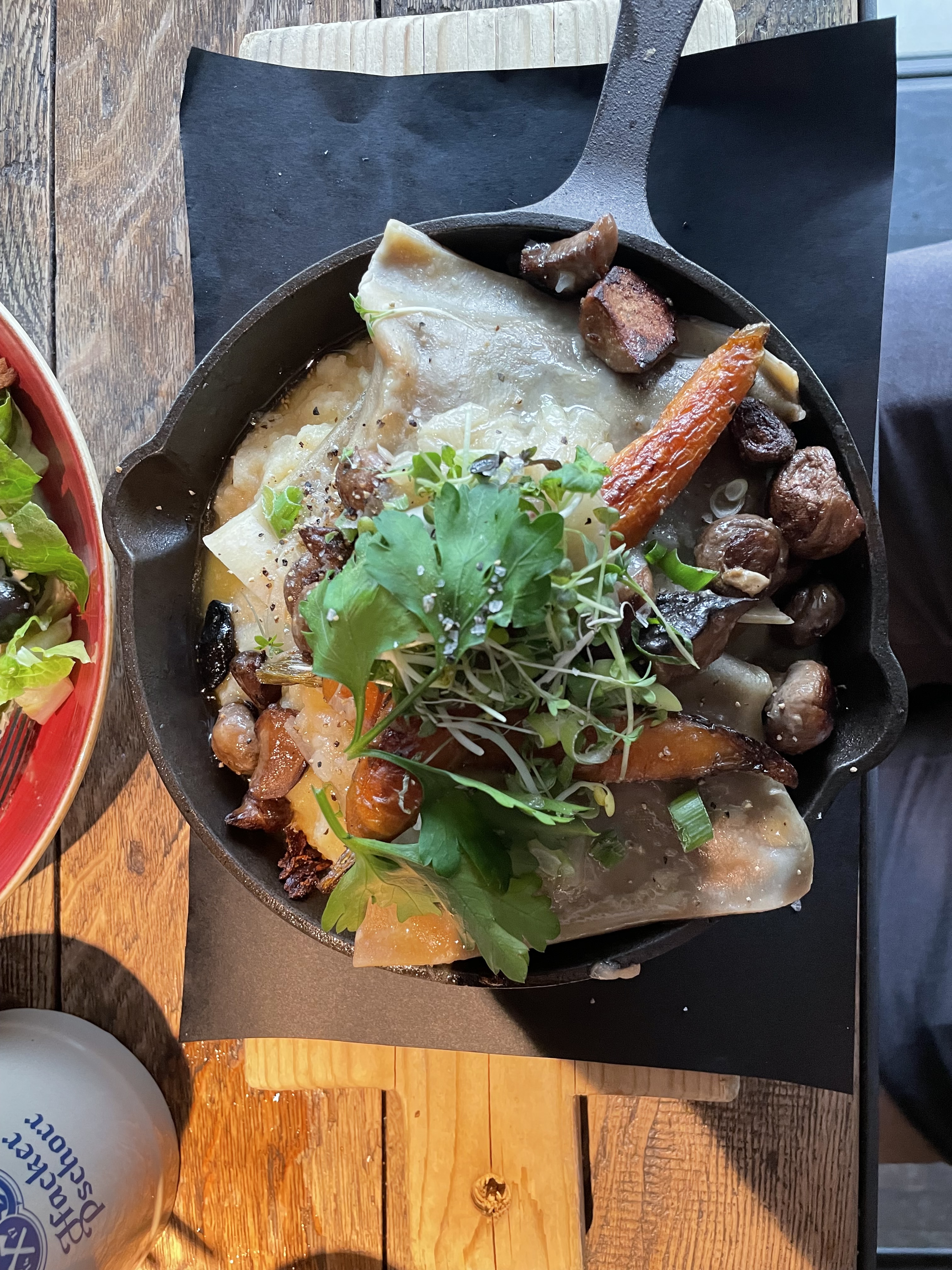

This was hardly the end of it though. Over our days in the city I enjoyed maultaschen (think German ravioli), a night out at a Russian restaurant with a variety of small plates and vareniki dumplings, and currywurst, a Berlin staple of sausage and fries with a paprika-sprinkled sauce. Being in Germany, each day had to start at a café or bakery. Coffee, sure, that is fine but not my passion. It is the baked goods that kept me coming, the hunt for a fresh pastry or cake – a personal favourite were the cinnamon buns, euphemistically called zimtschnecke – the cinnamon snail.

The culinary highlight was at Otto, a small 20-seater restaurant that Hannah booked for my birthday. The ethos here is local and seasonal, with much of the food grown at a farm outside the city owned by the chef’s family. We opted for the tasting menu, a succession of courses highlighted by a basil tomato peach salad, melted cheese with leek and avocado, and a completely deboned, flattened trout grilled over charcoal. The skin was crisp while the meat itself stayed juicy and tender. Absolutely great meal.

One of the joys of Berlin, and a continuing theme on this particular trip, was meeting and socializing with people. A week or so earlier while reading at a Novi Sad café, the solo traveler at the neighbouring table struck up a conversation. Ronald, like me, was solo in eastern Europe: he found the region fascinating and his wife, like mine, was not interested. We talked Serbia, then Germany, then Berlin, his hometown, and shared interests in travel, football and even birding. We had traded contact information before I left Novi Sad and now in Berlin, had plans to meet Ronald and his wife Astrid for dinner. As locals, they graciously took on the burden of picking a restaurant to meet at and, true to German stereotypes about punctuality, rolled up on their bikes right on time.
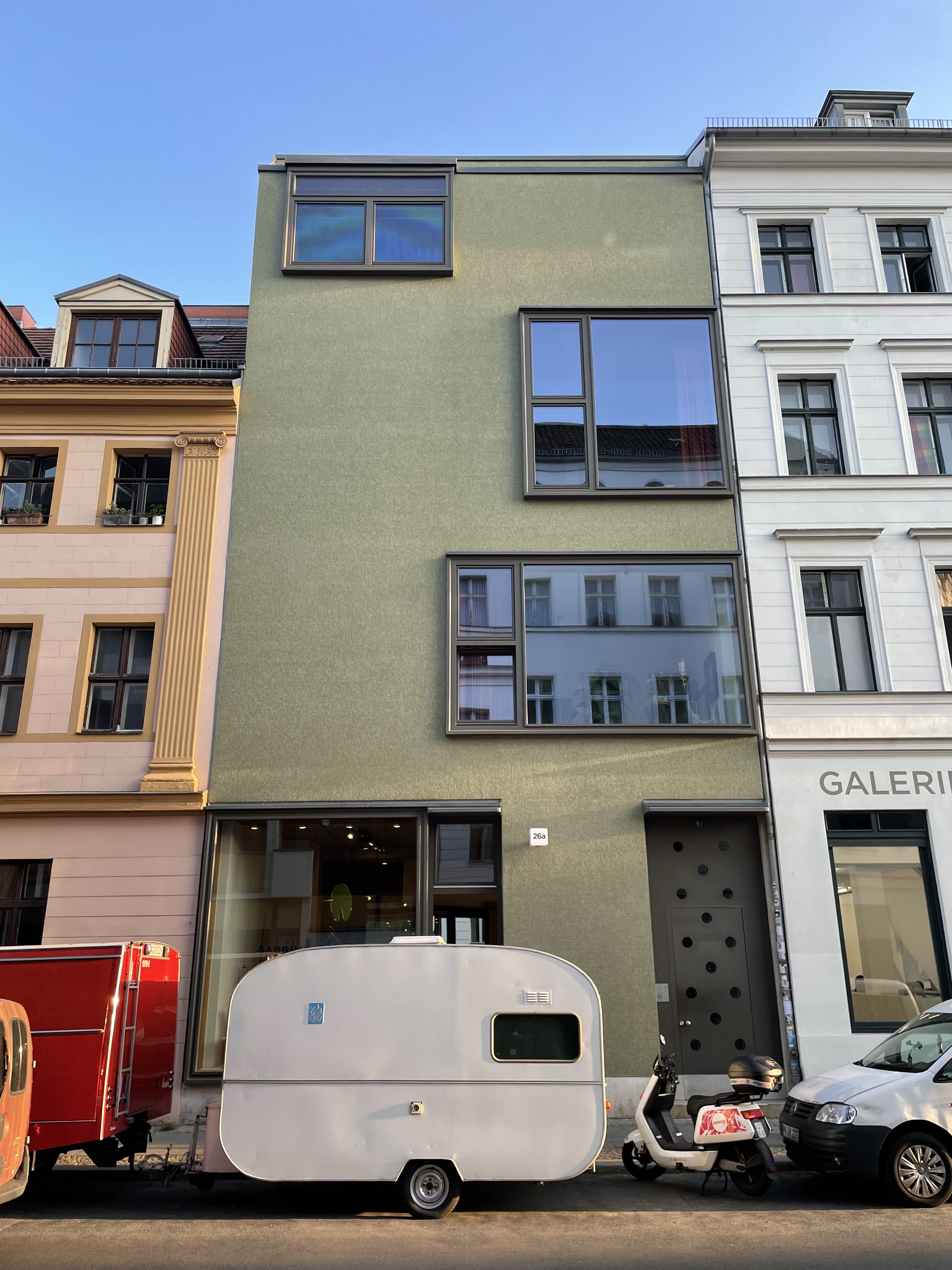
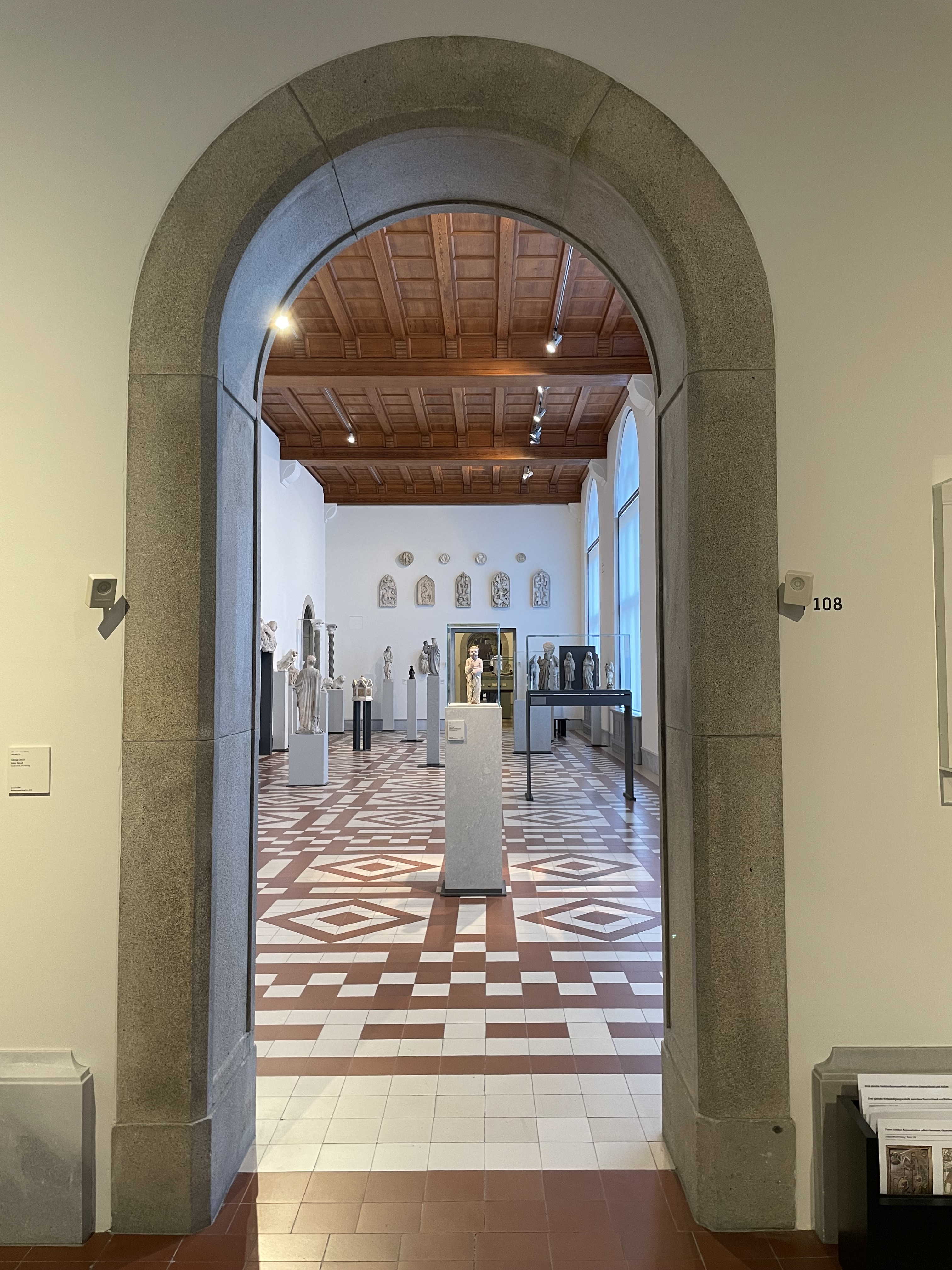
After dinner we walked through Mitte with them, past the banks of the Spree lined with people dining al fresco or perched on the water’s edge with a beer or glass (or bottle) of wine. Ronald and Astrid pointed out the Bode Museum at the northern end of Museuminsel, where they met during an internship. We turned back at the Humboldt Forum, a recently completed historic reconstruction that took the place of the departed Palast der Republik, the seat of the East German parliament. Ronald shared that he had been inside at the theatre the night the wall fell, crossing over to the west with his family to join a relative’s birthday celebration. Meeting them and hearing some of their personal experiences gave so much more texture to Berlin and its recent history, and I hope that someday we can return the hospitality in Vancouver.
 Zak Abroad