The aviation industry is the obvious wild card, an obvious thought that recurred to me in the midst of whiling away six hours at the Frankfurt airport, asking myself important questions like why is there nobody at the information kiosk or a left luggage office so I can go into town? Despite a delayed arrival, I’d made it to the gate for my original connecting flight only to find that I’d already been rebooked. The plan had been a late afternoon arrival to Belgrade, the Serbian capital. Now after a succession of airport line-ups and a sad Starbucks dinner, I found myself fumbling with apartment keys at midnight. All’s well that ends well, I suppose. I had still made it to Serbia.

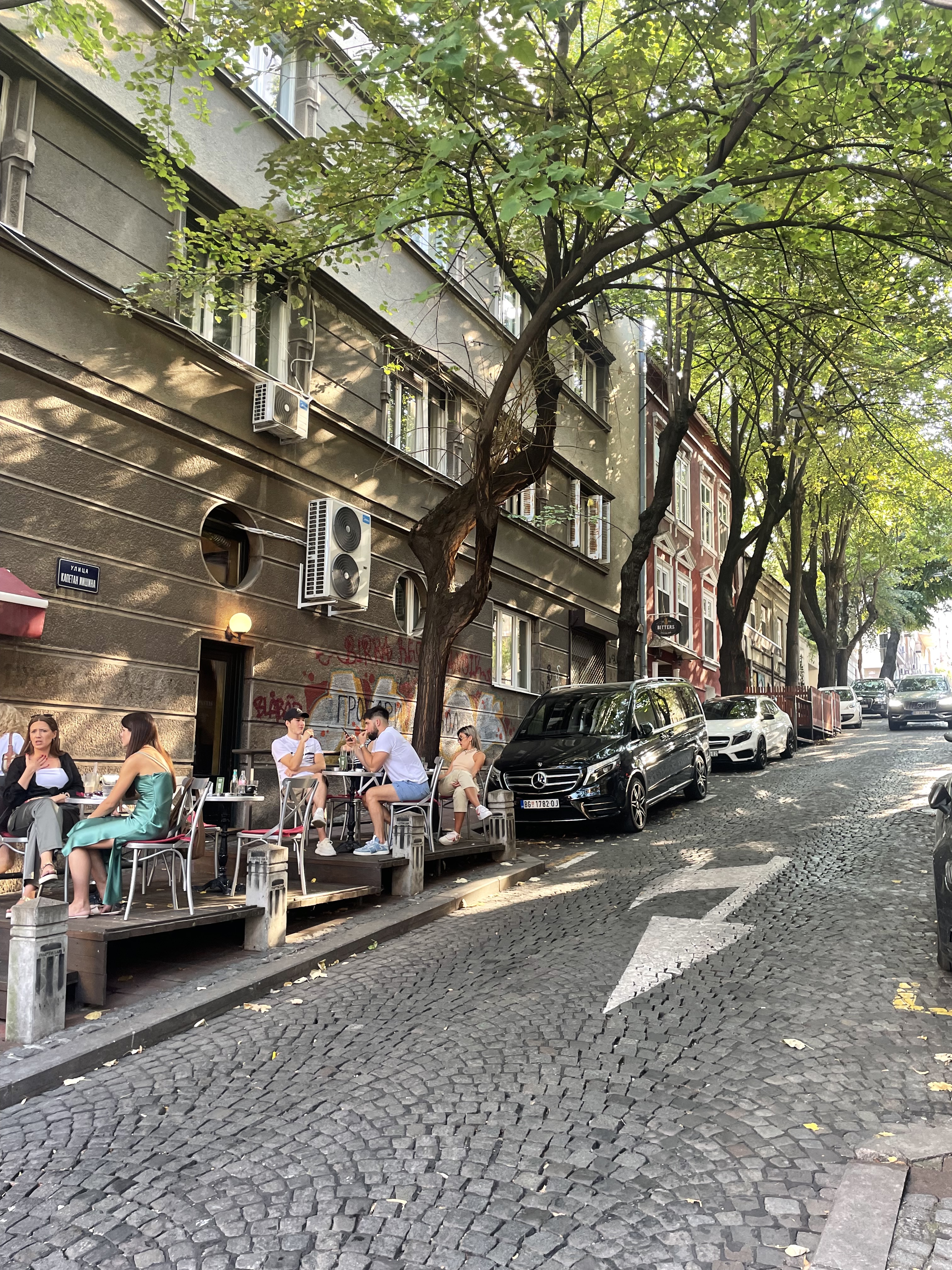
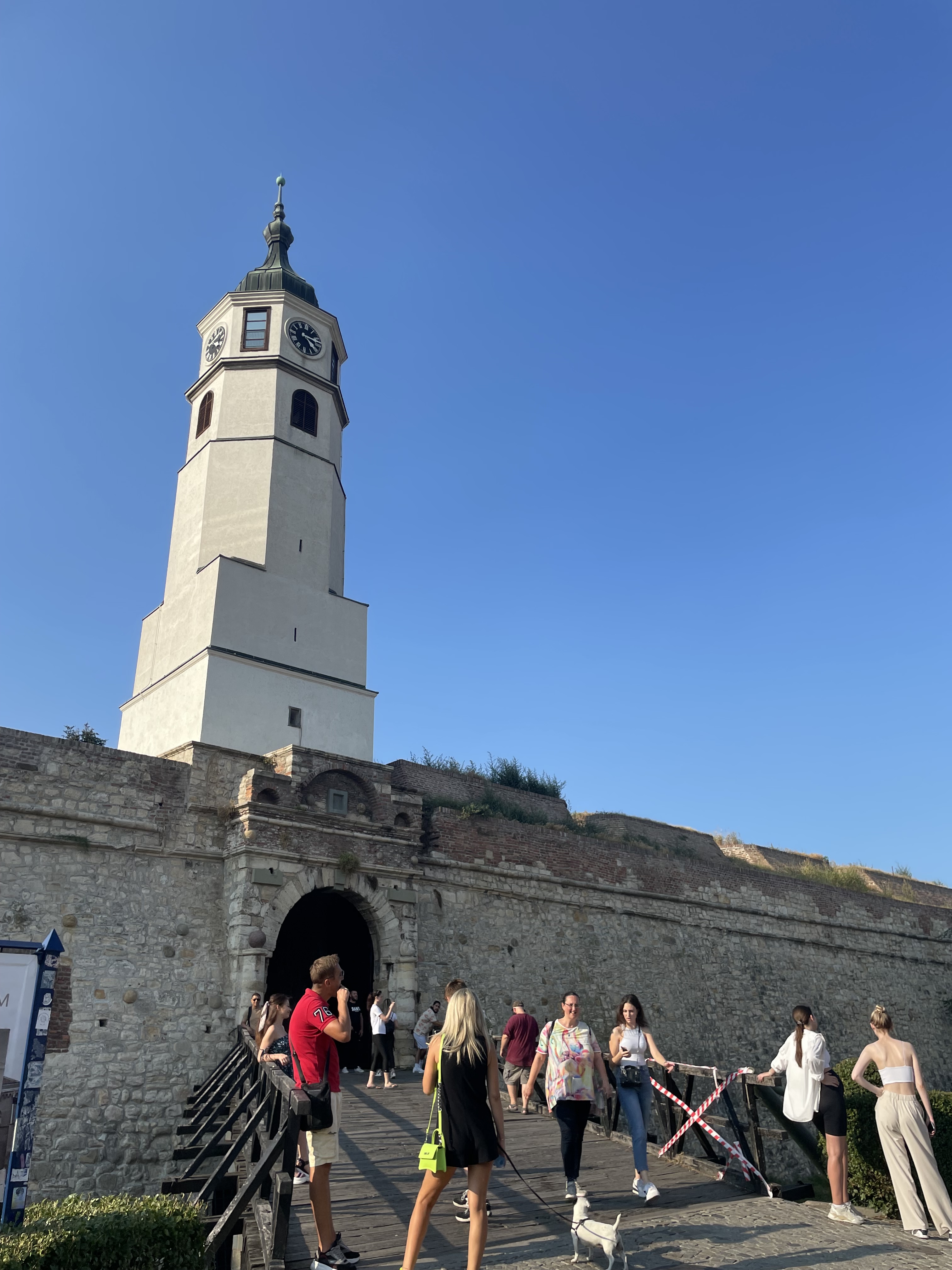
I didn’t have well formed ideas of Belgrade. To the average North American, if recognized at all, may be simply one of those places vaguely ‘over there’ in Eastern Europe, a question mark. On the ground, especially in the Stari Grad where I based myself, it is the typical, pleasant European experience of narrow streets and sidewalk cafes. The latter are open essentially all day, transitioning from coffee service to beer and wine as the sun heads west. This gridded network of streets is the evolution of one of the oldest cities on the continent, which got its start with the Roman conquest of local tribes and development of the town of Singidunum. Situated at the confluence of the Sava and Danube Rivers, the garrison was replaced over the centuries by a fortress that sprawls cross the hilltop. Today it is part of Kalemegdan Park, its defensive purposes supplanted and now a historic site in this park where locals gather and enjoy ice cream, popcorn and beers from scattered kiosks on the weekend.

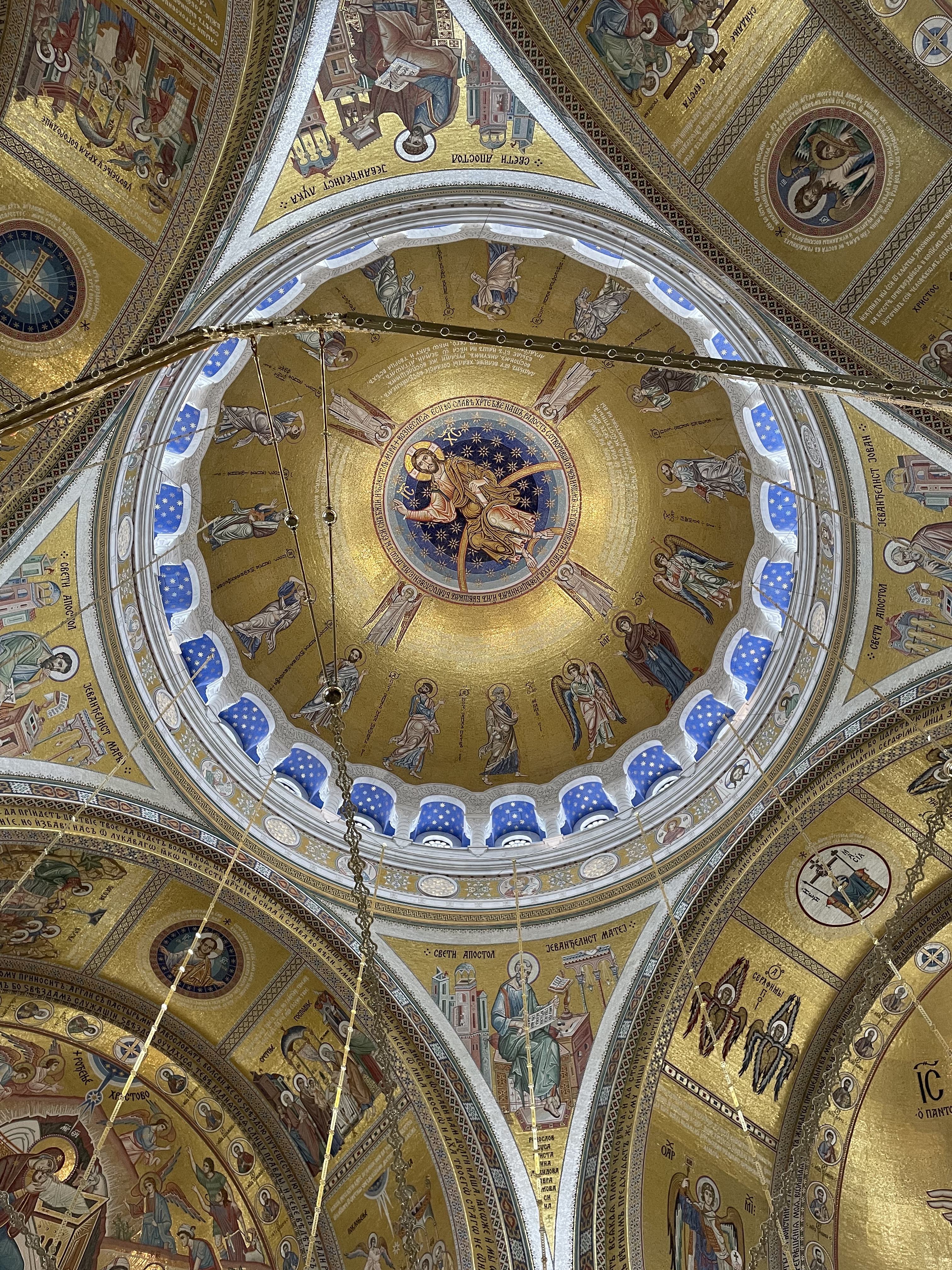
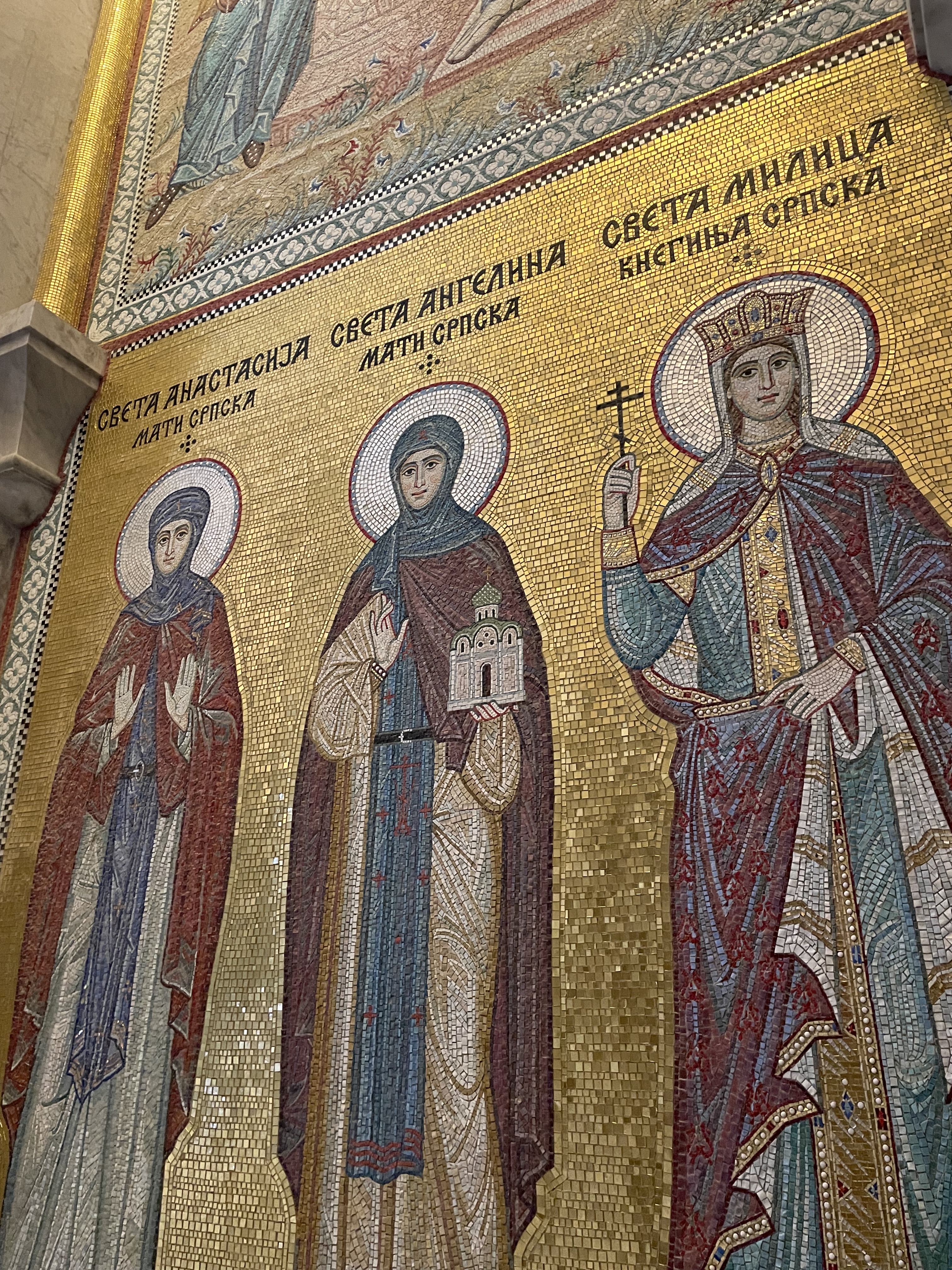

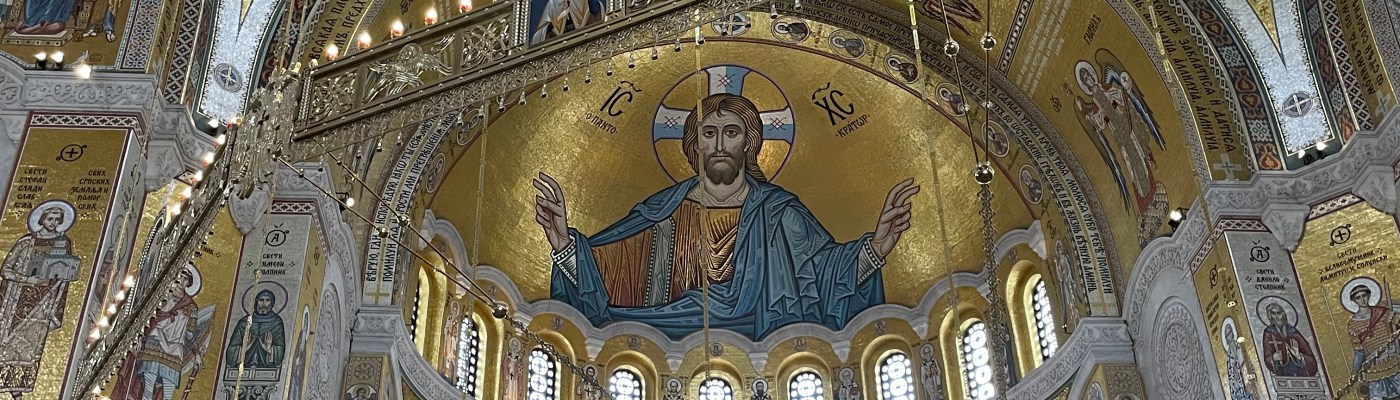
Reasonably rested, I started in Belgrade like I would any city: with a long walk. Up the hill from my apartment is Kneza Mihaila Boulevard, a pedestrian-only street in the heart of the city, once the road to the Roman fortress running along the top of a ridgeline. My destination, a few kilometers away, is the unmistakable, practically unmissable Hram Sveta Sava, or Temple of St. Sava. Calling it a temple undersells this massive white building, one of the world’s largest Orthodox churches. It is built on the site where Ottomans, long-time imperial rulers, burned the bones of the temple namesake, a spiritual rebuke cast in stone and gilded tile mosaics in a truly stunning, bright interior. The tile mosaic in particular is daunting, both in scale and precision, as well as a departure from the more typical frescoed interiors of churches in the region. The temple was a more than worthy walk destination, even if Orthodox churches don’t believe in providing pews for tired legs.

From here, I made a direct beeline from spiritual to corporeal matters, diving into the commerce of the nearby Kalenic Pijaca market. The heart of the market is an orderly honeycomb of vendor stalls, today covered by an array of repurposed patio umbrellas providing cover from an unforgiving sun. Each stall is laid out with the usual array of fruits and vegetables, shockingly tidy, with the background hum of shopping and gossip as a score. It is a pleasant place to lose oneself for a bit, and the market’s outer orbit is seemingly random mix of household goods and flea market finds. Nearby is the Nikola Tesla Museum, housing a number of inventions from Serbia’s favourite national son. Tours are mandatory, though a high point is when the tour group, light bulbs in hand, watch the bulbs start to glow from one of the century-old generators. No wires are involved, instead it is just your own body being used as an electric conductor, which makes for a weird revelation.

Compared with Tesla, the legacy of Josip Broz Tito is more ambiguous. Out of the ashes of the the Second World War, Tito and his partisans emerged as the founders of Communist Yugoslavia. Tito broke early from Stalin and the Soviet yoke, opting instead to build a Non-Aligned Movement that sought to carve a space for countries outside the American/Soviet duopoly. As with many Communist leaders of his era, his death in 1980 meant the creation of a dedicated mausoleum, the House of Flowers, set on a hilltop not far from Belgrade’s core. In lieu of the more macabre preserved mummy on display, a la Lenin or Mao, Tito is instead rests under a large marble grave, a more tasteful and lower maintenance solution. The House of Flowers and its adjoining Museum of Yugoslavia shy away from making pronouncements on Tito and the legacy of his ‘Land of Southern Slavs’, which collapsed in the 1990s, fracturing into new states and marked by grisly wars. Hopefully underway renovations will include a more reflective look at the man and his legacy in the region.


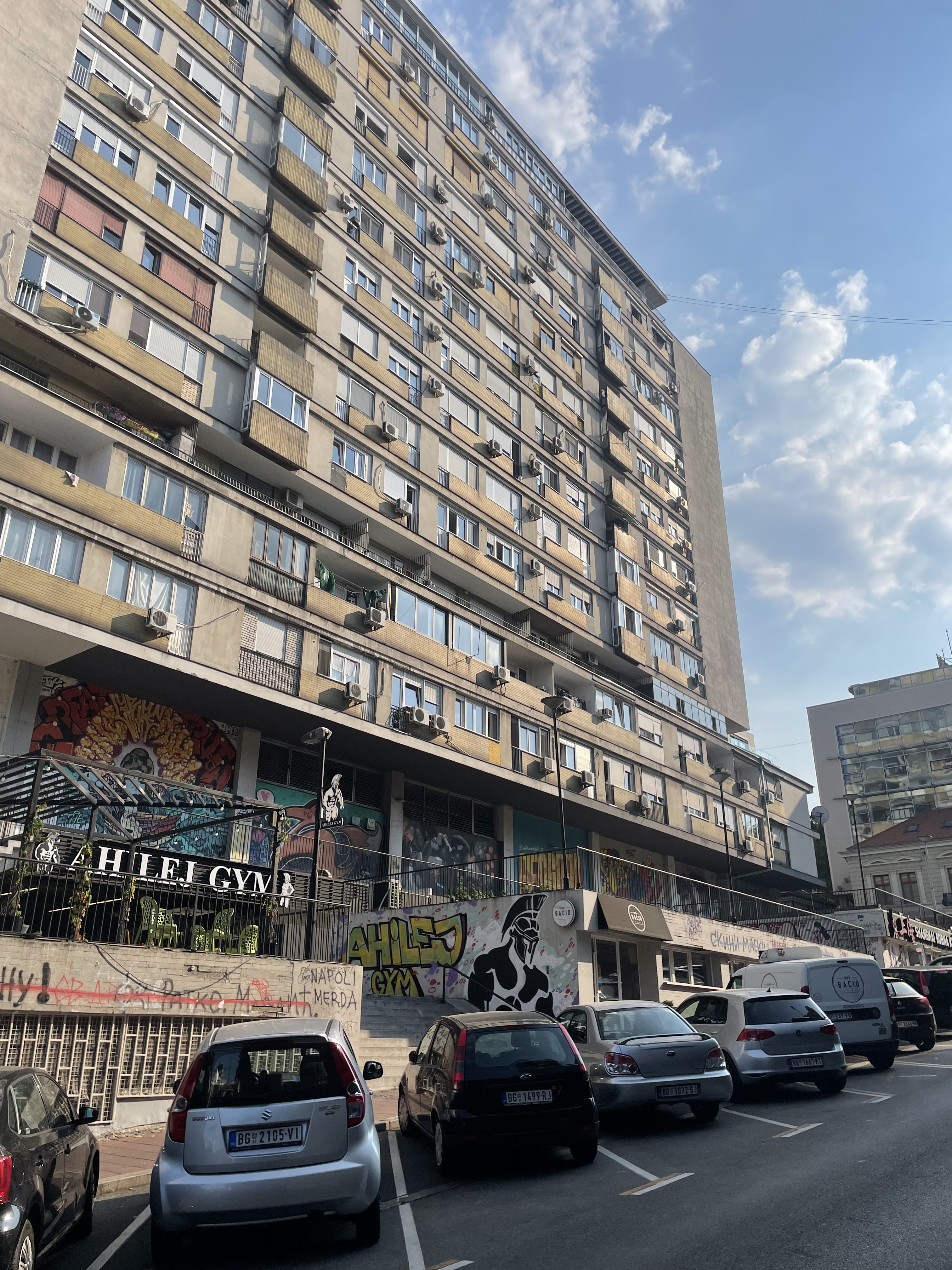
The only signs of former Yugoslavia today are kitsch souvenir sales near tourist spots and a multitude of ugly gray modernist buildings mixed into the streetscape. Serbia is today’s focus, attested to by the many Serbian flags and standards all over the city. I’ve always found the line between pride and nationalism a tricky, and I don’t pretend to be qualified to speak to the Balkans, where religious and ethnic strife have been unfortunately commonplace. Southeastern Europe has also seen its share of conquerors, with Belgrade in particular subjected to a centuries-long tug of war between the Habsburgs and Ottoman Empire before achieving statehood in the 19th century. In conversation with a local, I was told that the push in the past generation for all these new countries is silly, that they are all the same people and indeed speak different dialects of the same language. Then, without irony, she added that the language was Serbian.

Bright doses of politics aside, Belgrade, especially close in neighbourhoods like Stari Grad, is generally delightful. Its streets crawl up and down rolling hills and are almost always busy with people out walking or waiting for the shockingly dated trams or trolleybuses to arrive. Doubtless a metro is long overdue – Belgrade is the largest European city without one, though apparently construction has started. Like city dwellers the world over, small dogs are in fashion (French bulldog seems to be a favourite), though this also means you need to be alert when walking. Kids are also everywhere in the city, their cries (happy and unhappy) echo off the heavy stone and concrete buildings. Even bohemian Skadarlija, a pedestrianised thoroughfare with all the usual mix of cobblestones, cafes, and patios, doesn’t have the aggressive come-ons to tourists to sit down for a Heineken. That low-pressure approach pays off with a decidedly relaxed, welcoming experience that put a humane face to the Serbian metropolis.
 Zak Abroad