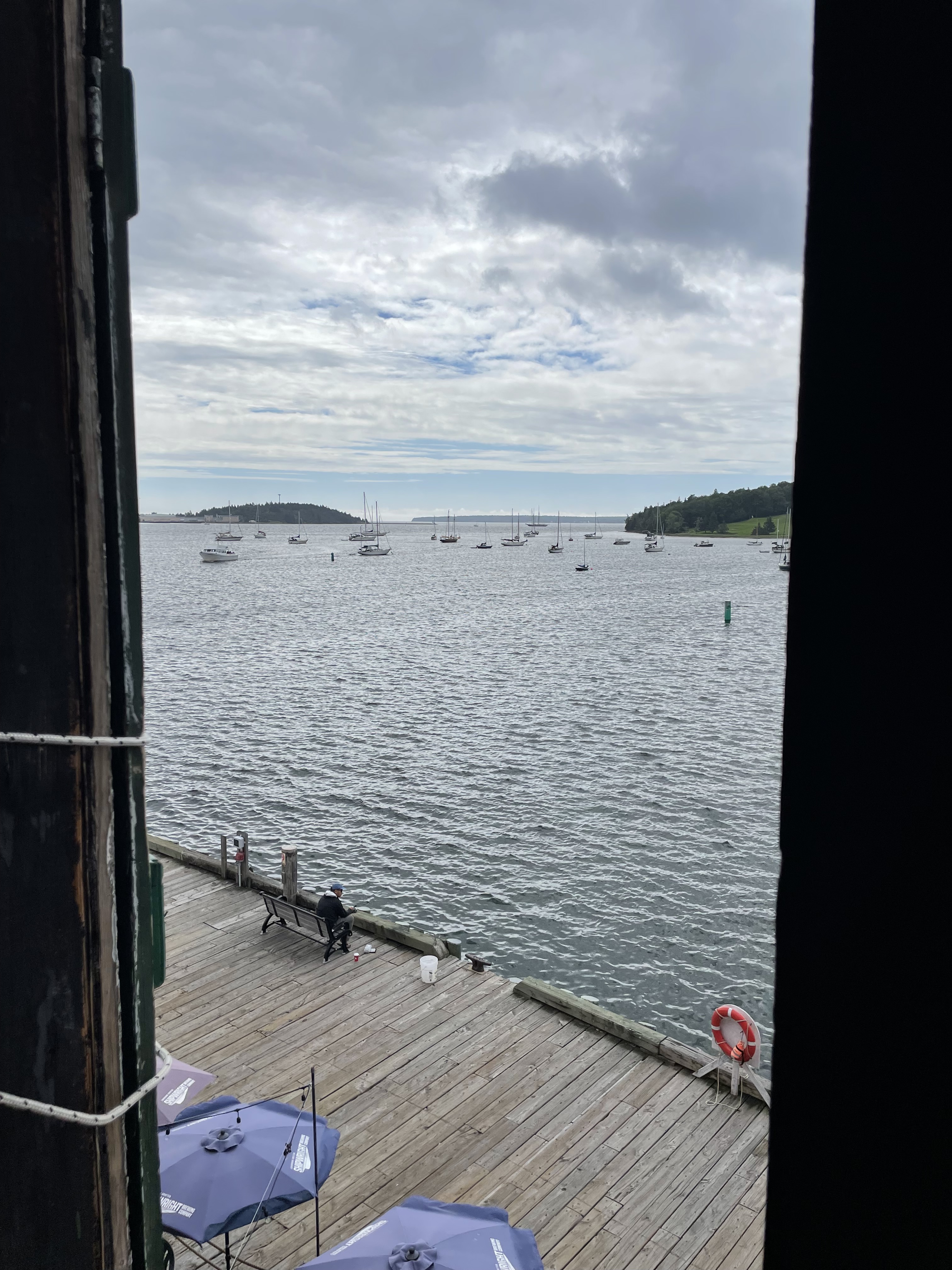
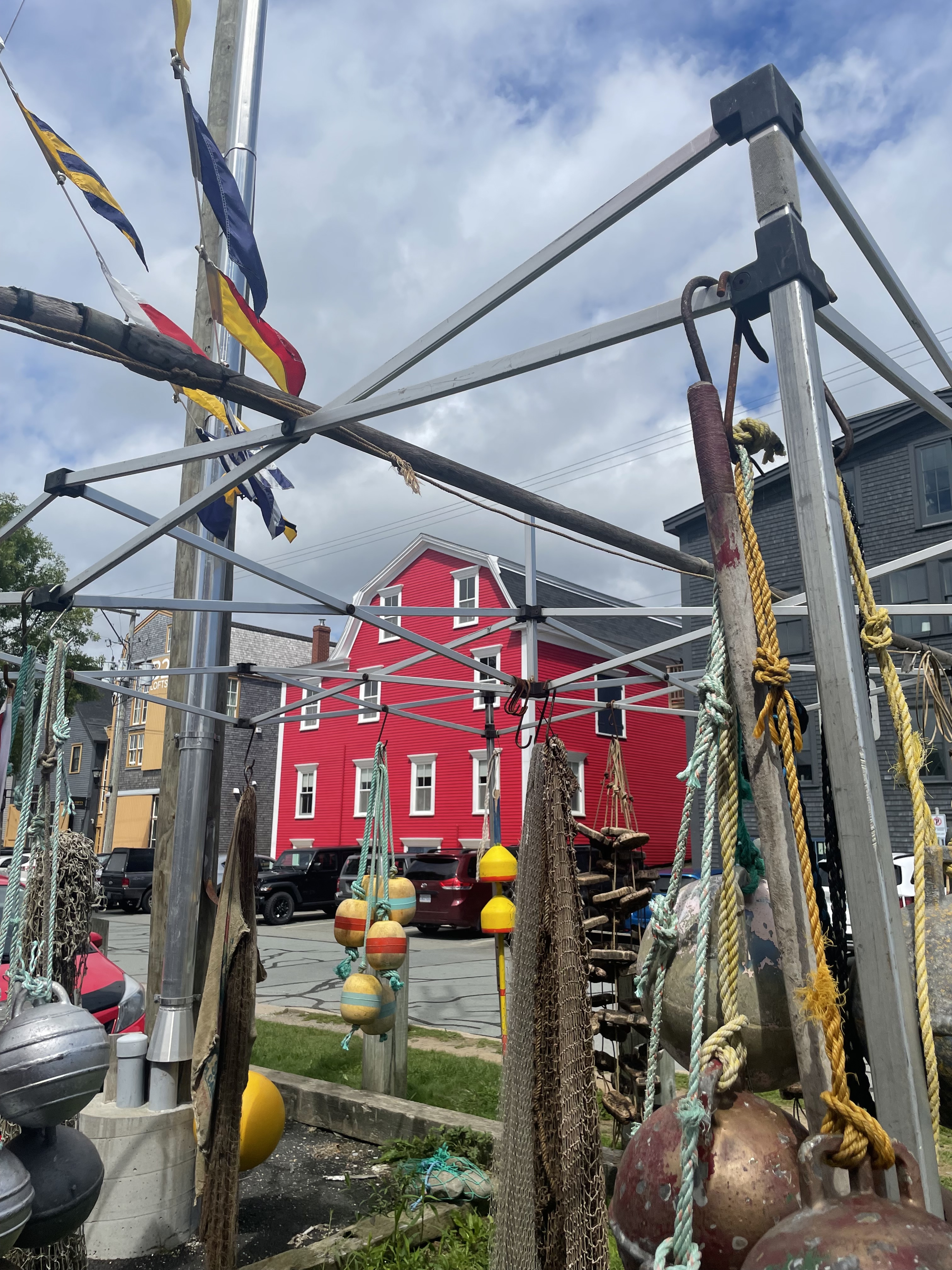
We got to Lunenburg midday, just in time for Hannah to take a quick catnap in the rental car. My nap would come later, an unavoidable byproduct of a red-eye flight crossing nearly the entirety of Canada. In the meantime I busied myself walking the steep streets of the small town, bracketed by brightly painted shingles on homes and a salt-worn air calculated to appeal to daytrippers and others passing through the Nova Scotia backroads. The charm is effective though, especially combined with the nautical paraphernalia along the waterfront amidst spars of museum ships and the temporarily moored. We met again in a café, a hoped for hit of caffeine to get us to bedtime, and I managed to poke my nose into every bookstore along the main street before heading out.

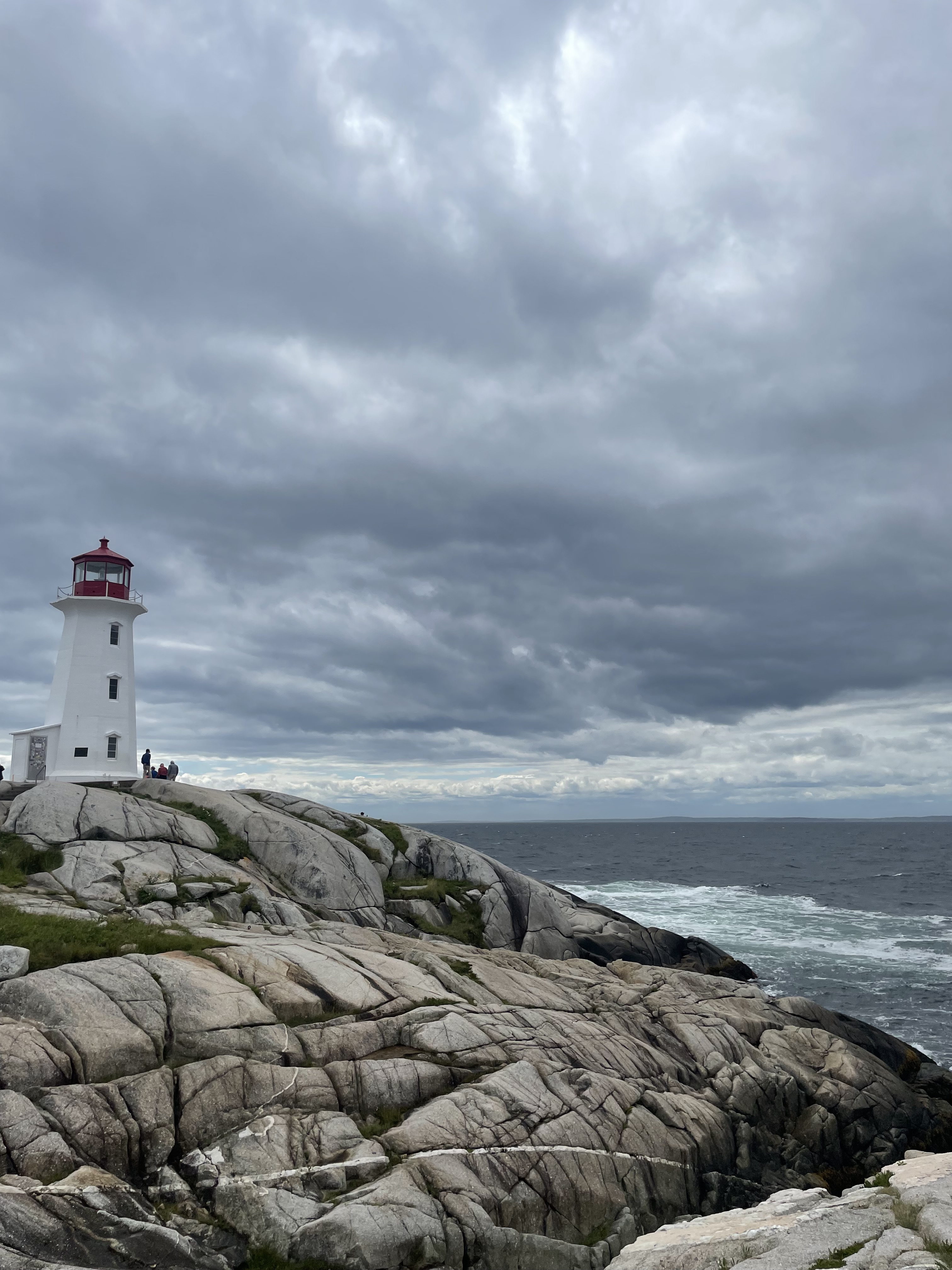
From Lunenburg we took to the road again, switching drivers so I could get my nap in. We were both surprised by the landscape, though in truth I don’t really know what I had expected. Back from the shoreline, the province seemed all long rolling hills with low, dense forests clinging to thin topsoil. The stones were most evident at the coastline itself, rounded rocks scoured by the same wind that threatened our lobster rolls, which we opted to eat in the wind-free comfort of the car while stopped at Peggy’s Cove. Think picturesque – boldly painted lighthouses and square, saltbox buildings along a winding road, all leading to a parking lot swarming with other tourists. We were glad to get back into Halifax and put our heads down for the night.
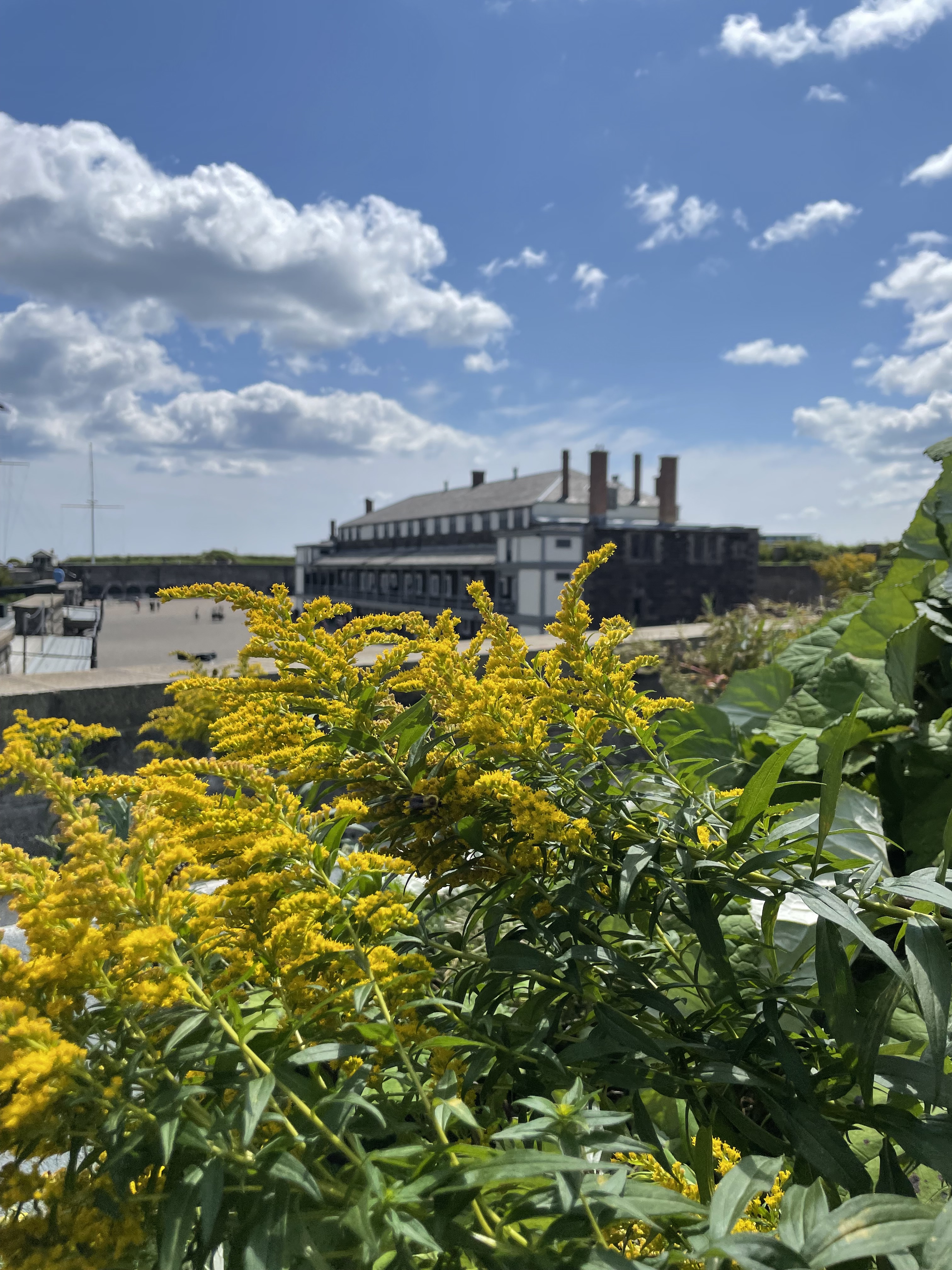
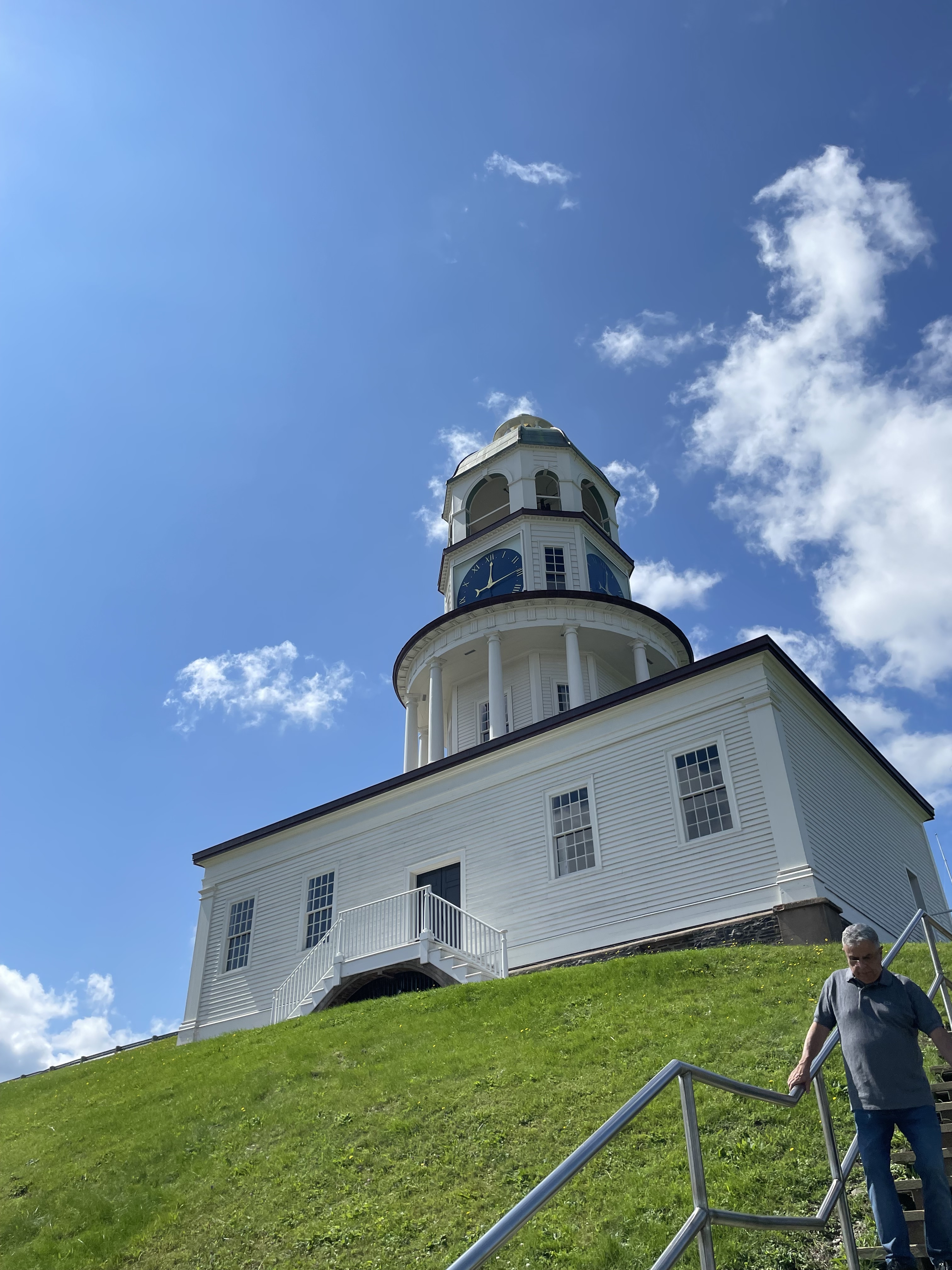
Halifax has a picturesque setting, a steeply pitched peninsula crowned by its 200-year old military citadel, the dramatic length of its harbour, reaching from the Atlantic several miles into Bedford Basin, and its downtown area pinched between the two. The citadel, a Canadian national parks site, is overrun with young locals in period costumes working summer jobs, stationed in the various rooms explaining the schoolroom seating (youngest in front, adults in back) or inviting you to try on the heavy regimental wools. Others tramp around the parade grounds inside the citadel walls clad in highlander kilts, drilling for us tourists. A portion of the barracks are now a Canadian military museum, offering a comprehensive take on the nation’s armed forces and providing a bit more background for an American like me.

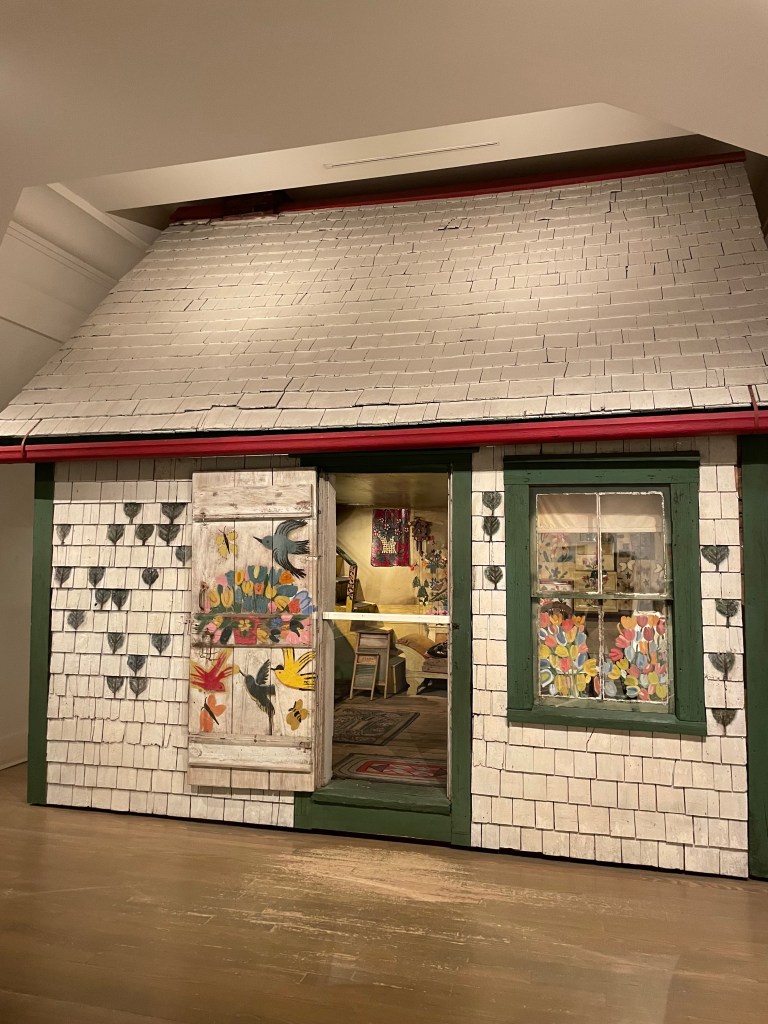
Maud Lewis House
The city’s other museums are scattered throughout the downtown, back down the hill from the citadel. The most interesting of the batch was the immigration museum at Pier 21 at the south of end of the waterfront. For half a century, steamers and ships let out thousands of passengers starting a new life in Canada. Halifax was a midpoint for many, a place for paperwork and medical exams before a train ride west. Here the museum nicely balances the big picture with individual stories, particularly a series of recreated crates and trunks showing the personal effects that crossed the Atlantic, a tangible reminder of a time when the world felt much bigger. Farther up the waterfront is another maritime museum, further evidence that Halifax has a robust model ship cottage industry, guessing by the sheer volume of glass-encased miniatures. The big story of course is the Halifax Explosion, thought to be the largest of the pre-atomic era. In 1917, two ships collided in the harbour and one; a munitions ship, blew to high heaven shortly thereafter, taking several thousand lives and a wide swathe of Halifax with it. The last museum of note is the somewhat eclectic Art Gallery of Nova Scotia, which contains the relocated and rebuilt home of the province’s favourite daughter, Maud Lewis, along with a number of her cheerful works evoking simple pleasures of 20th century Nova Scotian life.
Since its founding in 1749, Halifax has borne a dual function as both a port and a military town, a geographic raison d’etre. With this legacy comes tales of debauchery and hard living. We put forth our best contemporary homage to this past during our days here by partaking in the local cocktail and beer scene, sampling our way through various restaurants and breweries in the North End. For Hannah’s birthday, we were able to find private room karaoke in a basement business operated by a quiet middle-aged man from Chengdu watching soaps on his phone. Aside from one other lone crooner, we were the main action that Monday evening, taking on our share of late 90s and early 2000s hits. There is a big gap in ability here: Hannah did choir for years while I did not. Either way it made for a fun way to celebrate together.
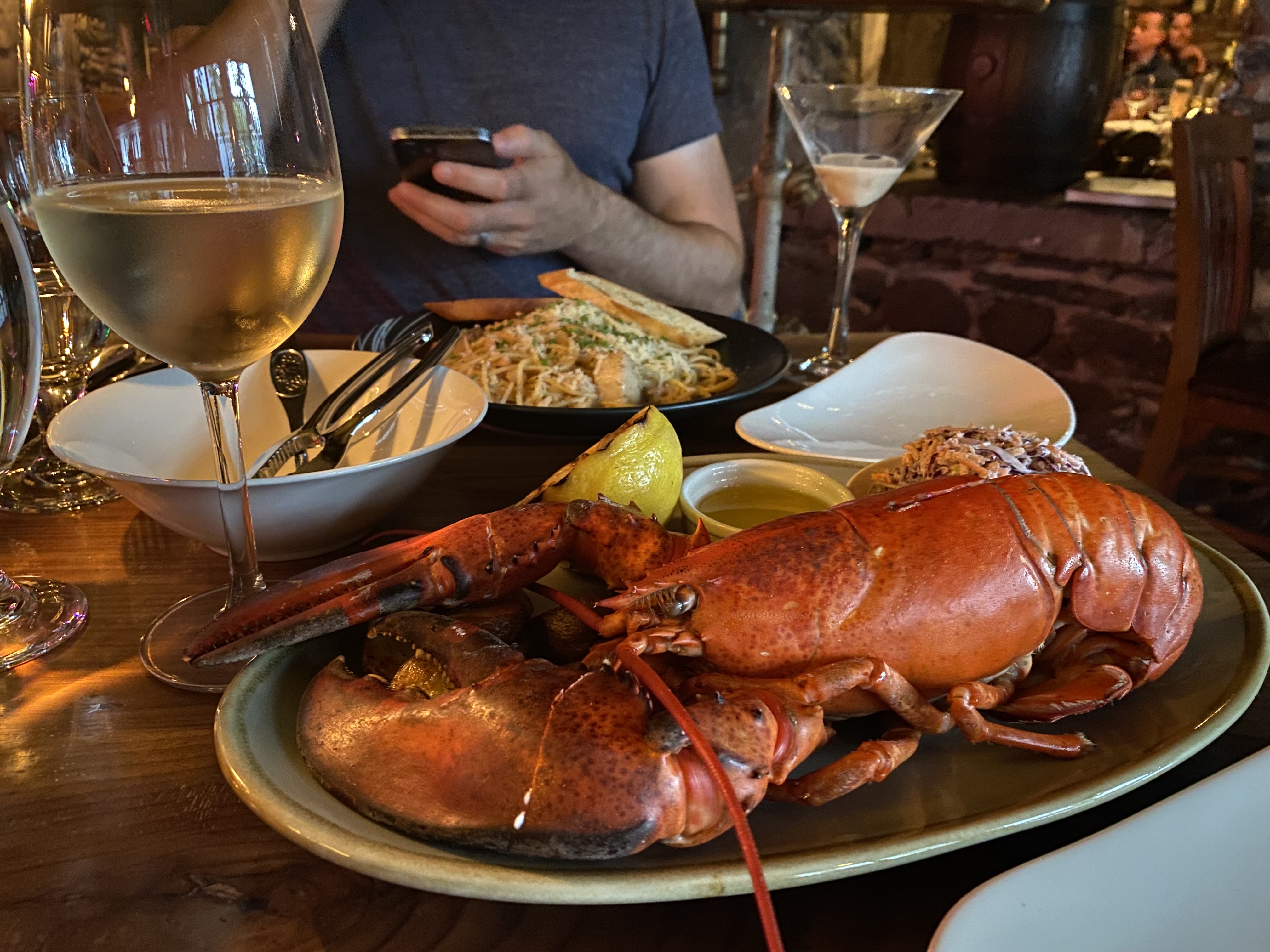
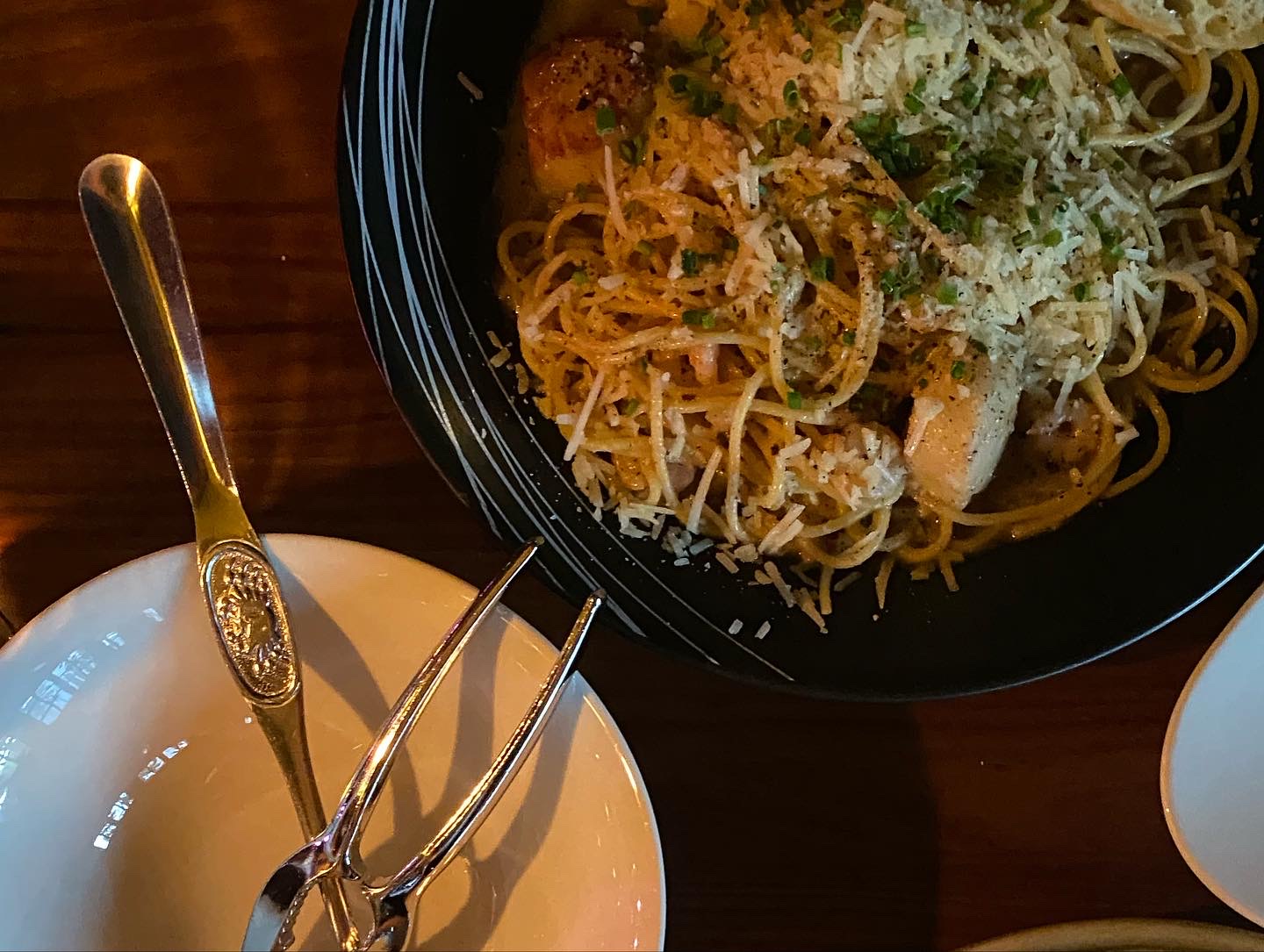
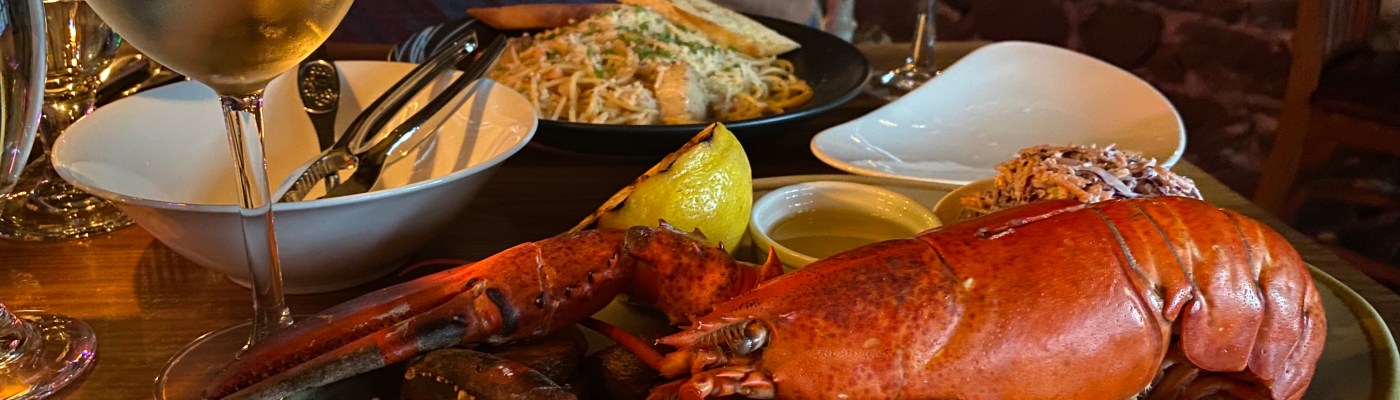
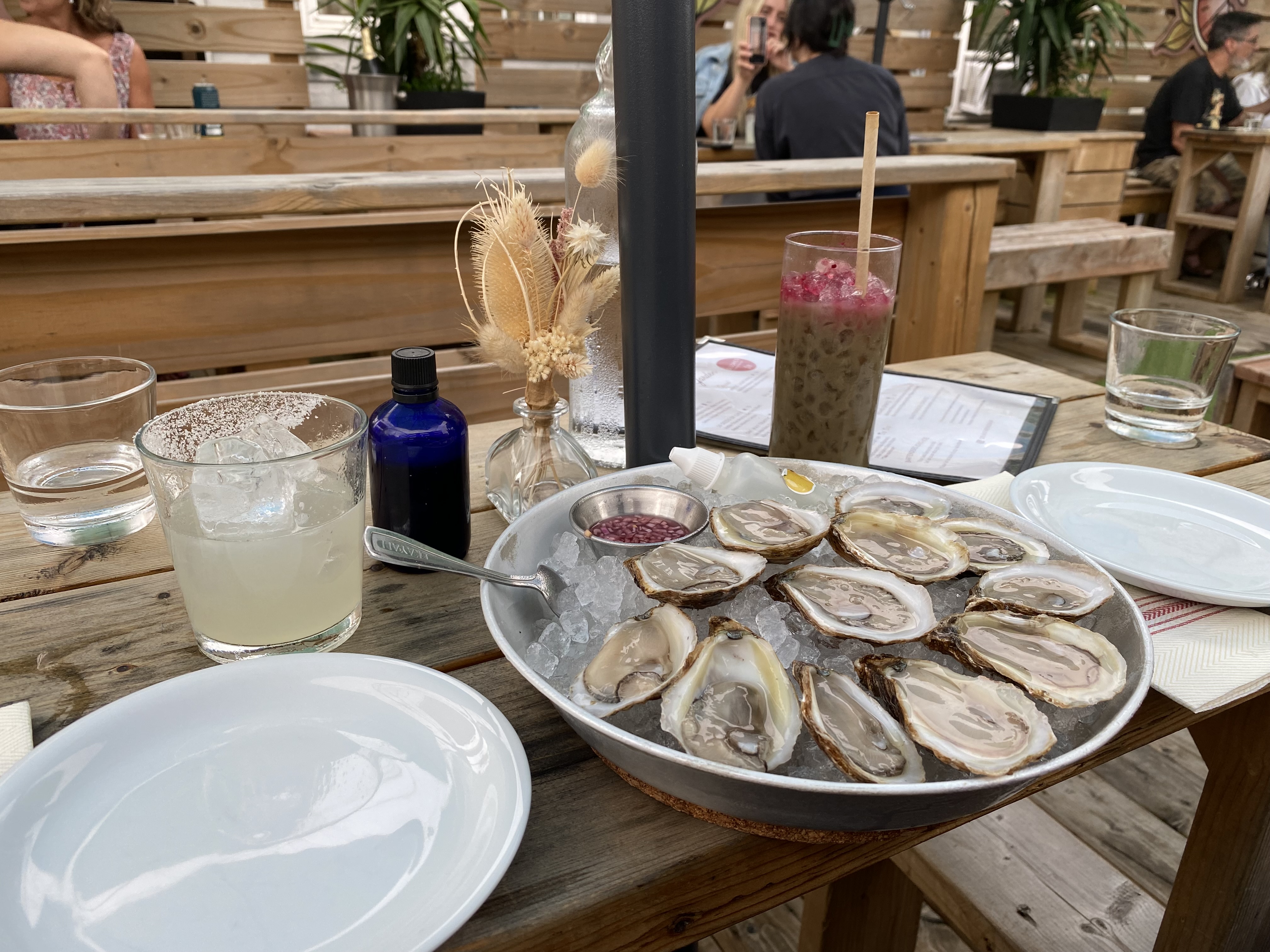
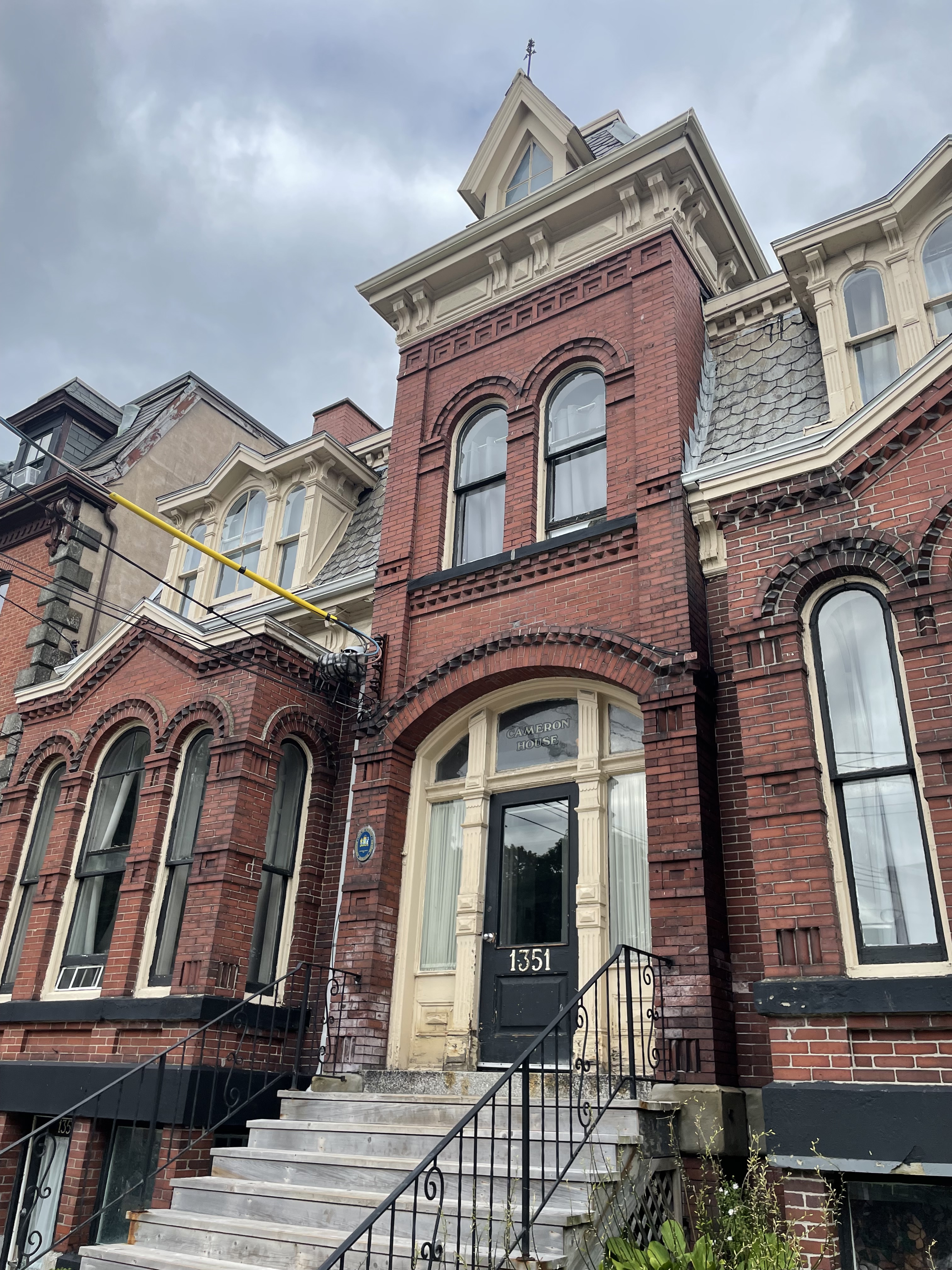
An unexpected pleasure in Halifax was the food. The Maritime setting was enough for us to circle seafood as a theme, with the aforementioned lobster rolls, seafood chowder, scallop and shrimp pasta, and several rounds of raw oysters all featured. The star of the long weekend was the full lobster, boiled and plated, with butter and charred lemon provided by Press Gang (the name a rather dark call back to earlier times). The evening made for a nice encapsulation of Halifax – seafood in a restaurant set in the former stable of Carleton House, which dates from the 1750s and has foundation stones raided from the former French fortress at Louisbourg following the final English victory. Our server, a recent transplant from Barrie, seemed to epitomize the new energy in Halifax, young people pouring into the city from other parts of Canada, the reversal of a long trend of outmigration.
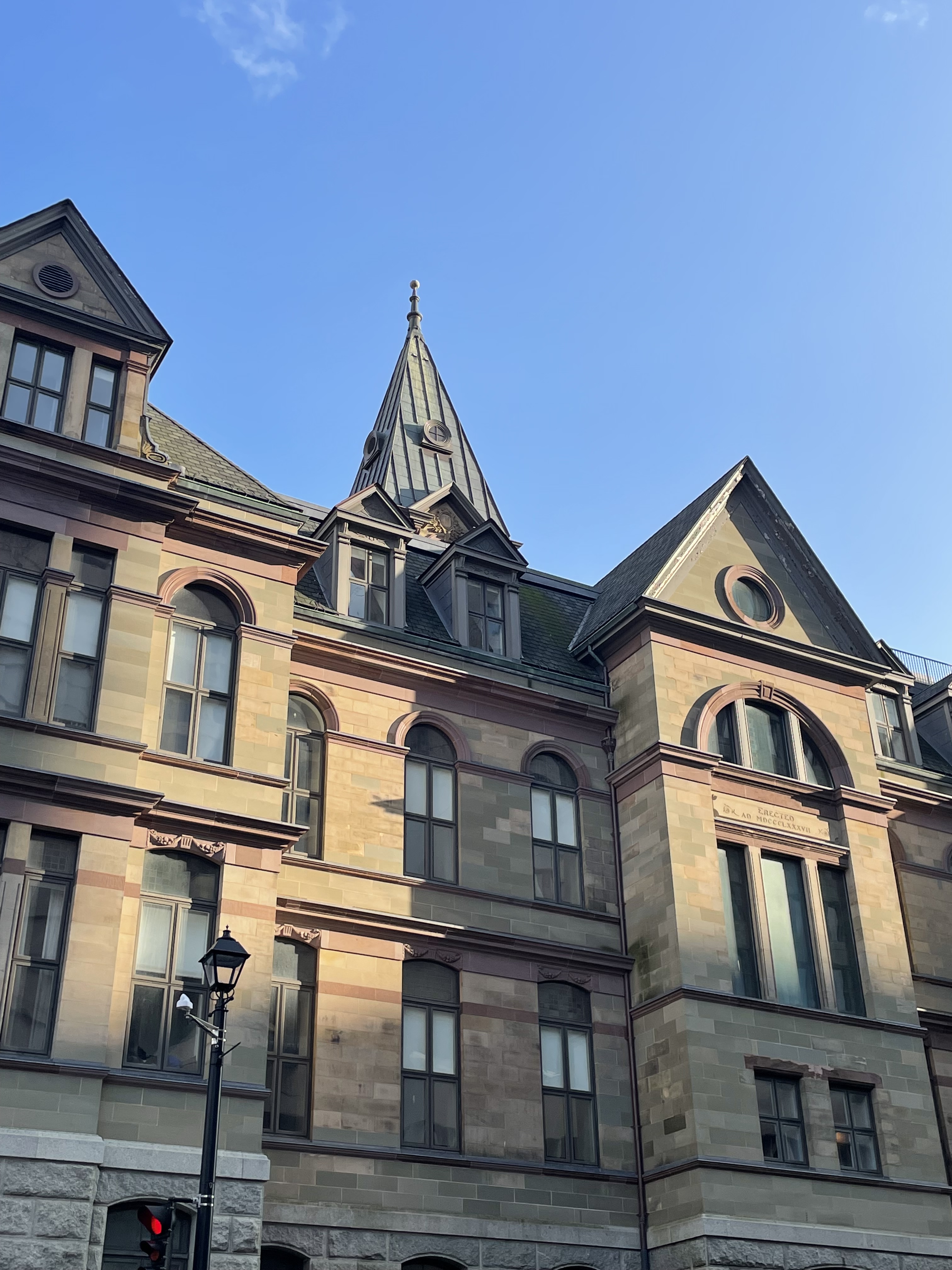
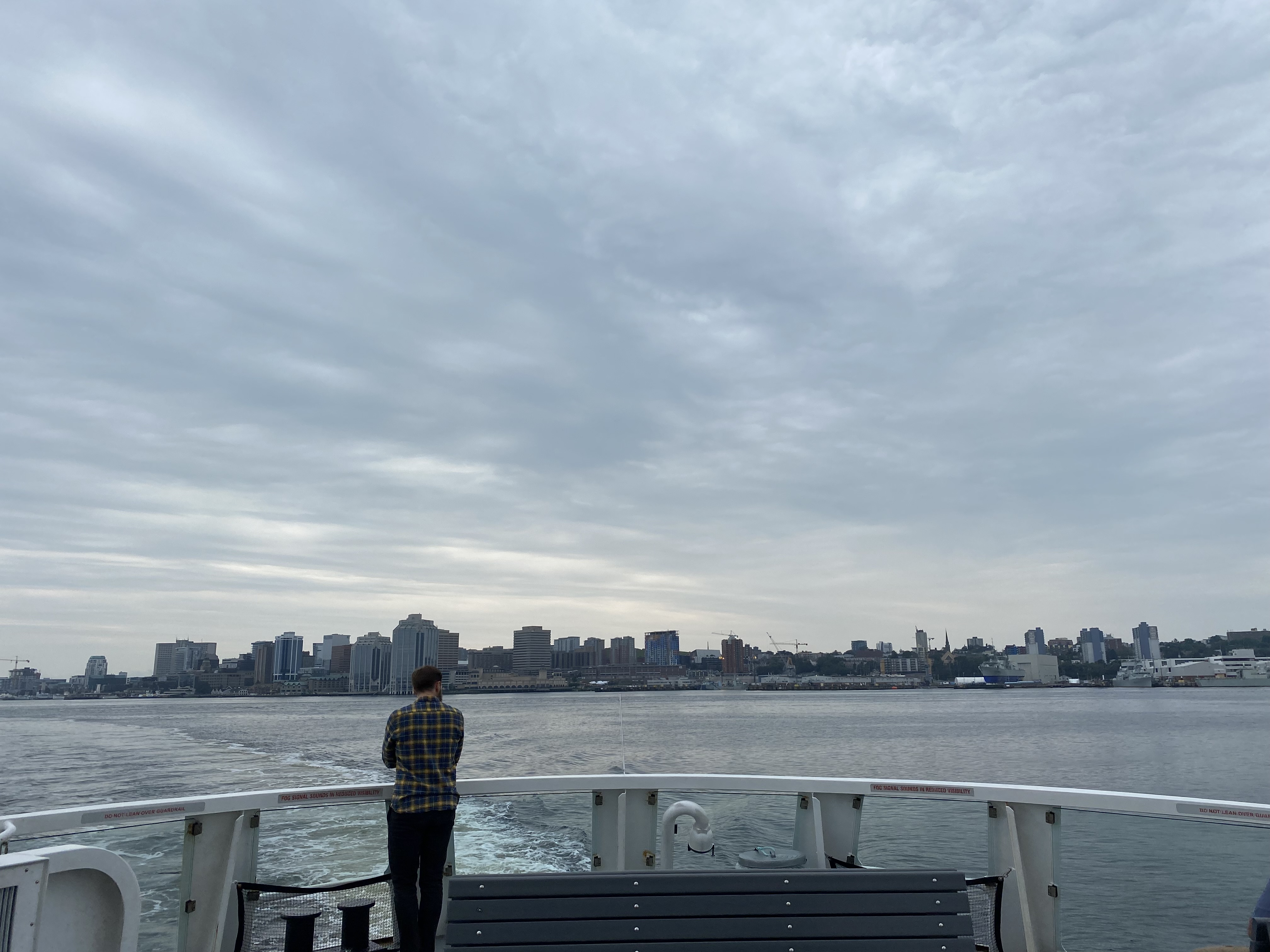
The sea change in Halifax’s fortunes are most readily apparent on the ferry departing Dartmouth on the far side of the harbour. For $2.75 (exact change only, no change given) a passenger is treated to a beautiful view of the city and a skyline that seems to have awoken from a 1980s slumber with a vengeance, construction cranes sprouting across the peninsula. For all this apparent change, all the people we met fit the stereotype of friendly Maritimers happy to share conversation, recommendations, and in one case taking care of our bill. Hopefully that spirit will carry on as the city grows.

 Zak Abroad