
Instead of rushing back to Vancouver and dealing with multiple flights and multiple airports, I tried an experiment. This time, I would break up each leg, see a different place, and make my way home over several days. This meant two interim stops: the Hungarian capital, and Utrecht, mid-sized city in the Netherlands. While Utrecht was entirely new to me, I had been to Budapest in 2004, literally nearly half a, or at least my, lifetime ago. Back then, my friend Ian had met me for a month while we played the part of backpacking college students, telling ourselves that we were roughing it behind the Iron Curtain. Of our time in Budapest back then, I recorded the following insightful note: “Budapest – Pretty cool but also a bit rough around the edges”. I’d like to think my takes today are a bit more nuanced and informed.

On the ground, Budapest looked much as I remembered, though I wouldn’t call central Pest, on the eastern side of the Danube and my operating base, rough around the edges anymore. Unlike the dorm room with the thin mattress on a metal bedframe, I had an apartment to myself, including a kitchen and even more luxurious, a washing machine. This allowed me to properly take care of the long overdue matter of laundering my clothes and gave me an excuse to take an easy night in. A few of the benefits I’ve found of getting older and revisiting places are my willingness to spend a bit more for lodging and not feeling the self-imposed pressure to get out and see as much as possible.
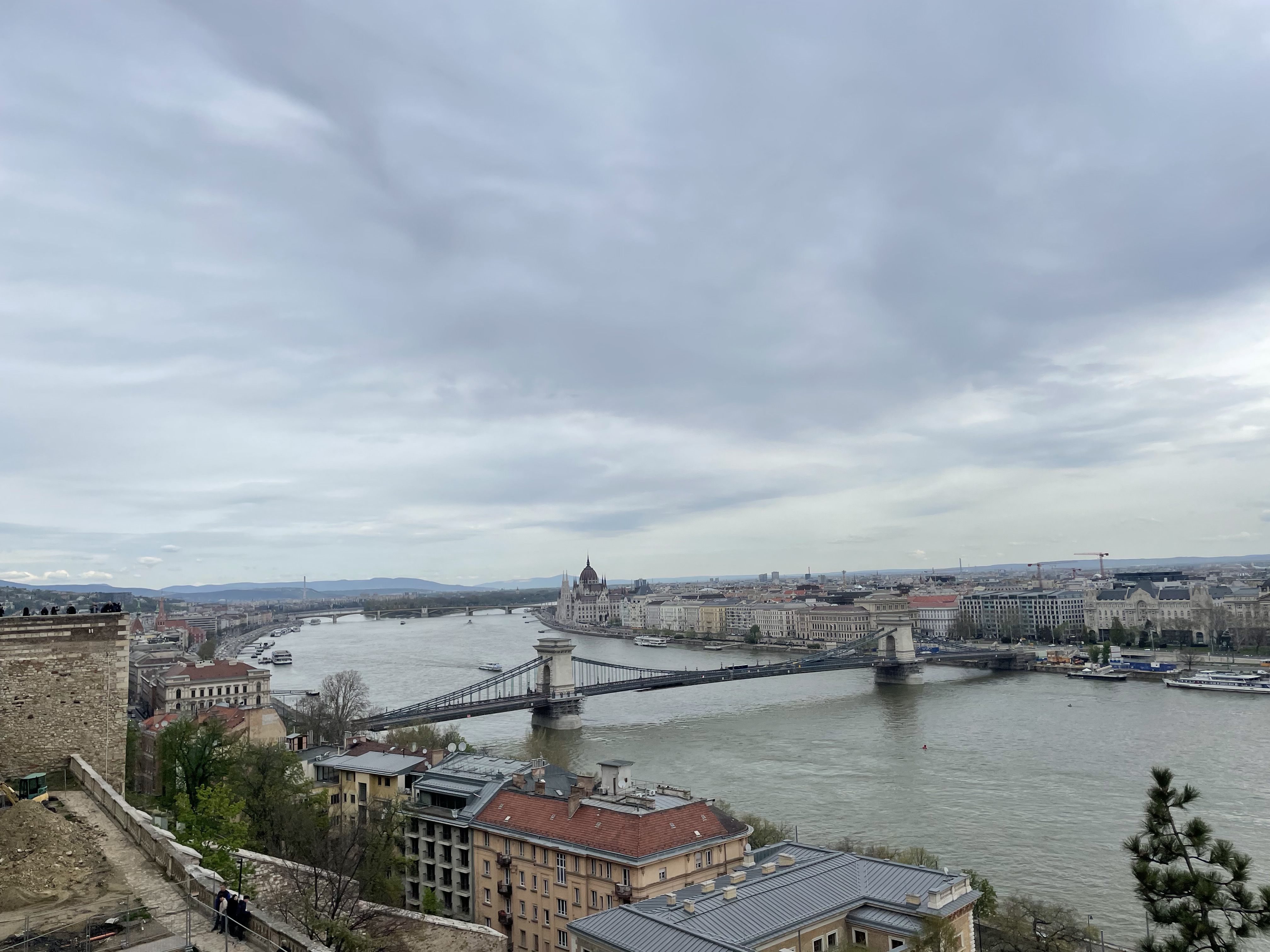
Which is not to say there is nothing to see. A few blocks away is the House of Terror, a museum in the former headquarters building of a Fascist party. The museum is dedicated to showing the impacts and effects of life under Fascism and, afterward, Communist regimes, the tools of state control and repression, and the suffering visited upon Hungarian people through it all. It is effective, particularly near the end where visitors are taken to the basement. The space, bare, cold and damp, was once a prison where torture and executions took place. It is chilling to stand in these spaces, to reflect on how recent this history really is, and the irony that the museum came to be with the support of current president Viktor Orban, who seems set on eroding some of the very rights past generations fought for.
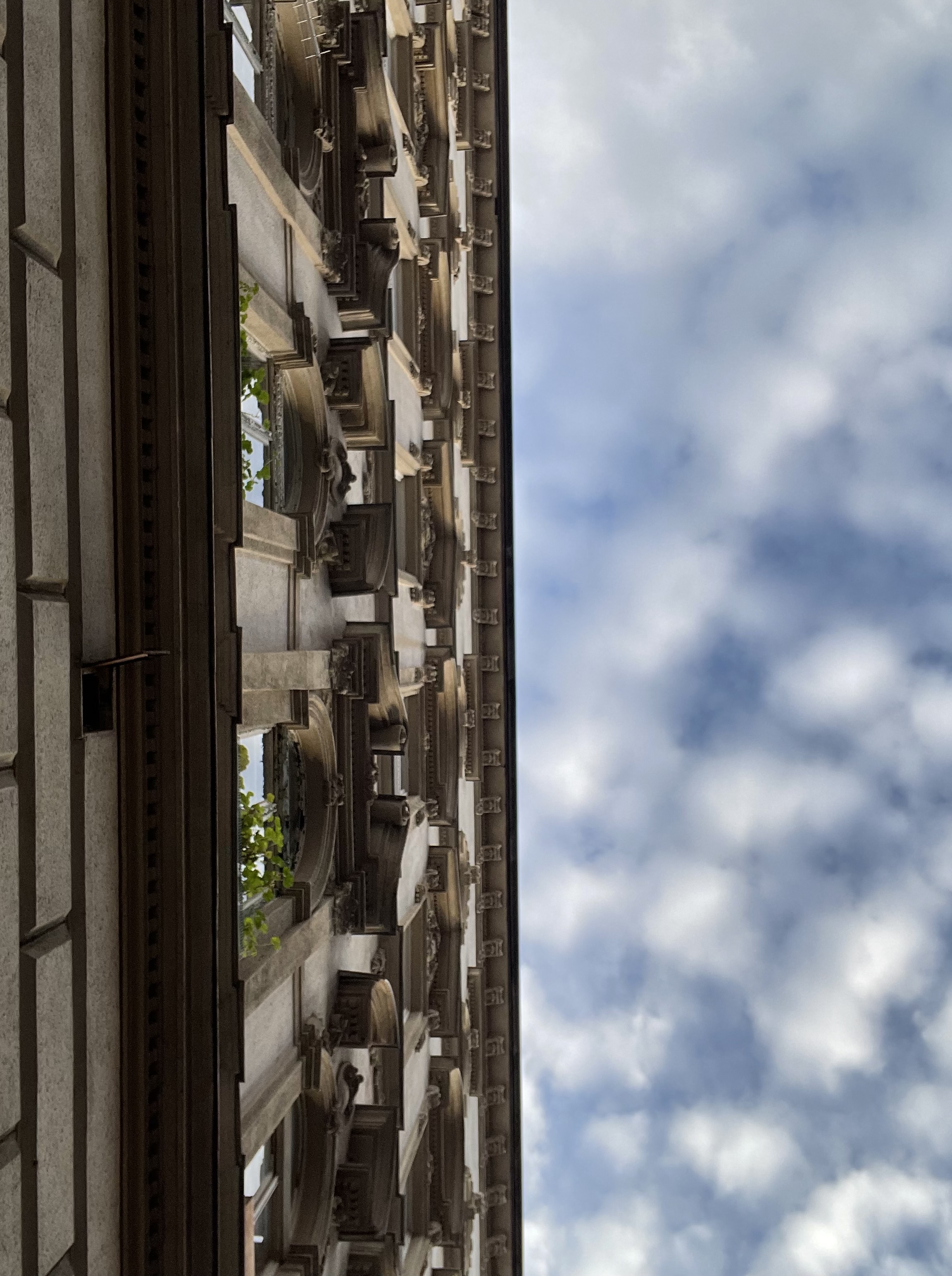
On a much lighter note was the small Budapest Underground Railway Museum. While I would not recommend it to most, it was predictably a welcome diversion for me, and the museum occupies an unused portion of the Deak Ferenc Ter metro station. Budapest is home to the oldest metro line on the European continent, and fourth oldest in the world, opening in 1896. The standards have changed in the past 125 years – the stations are shallow, accessed only by stairs, and run short two-car trains with tight station spacing. The tile and woodwork of both the stations and the old railcars is beautiful, lending a gravitas and a dignity to the public transport experience that is too often lacking in my corner of the world.
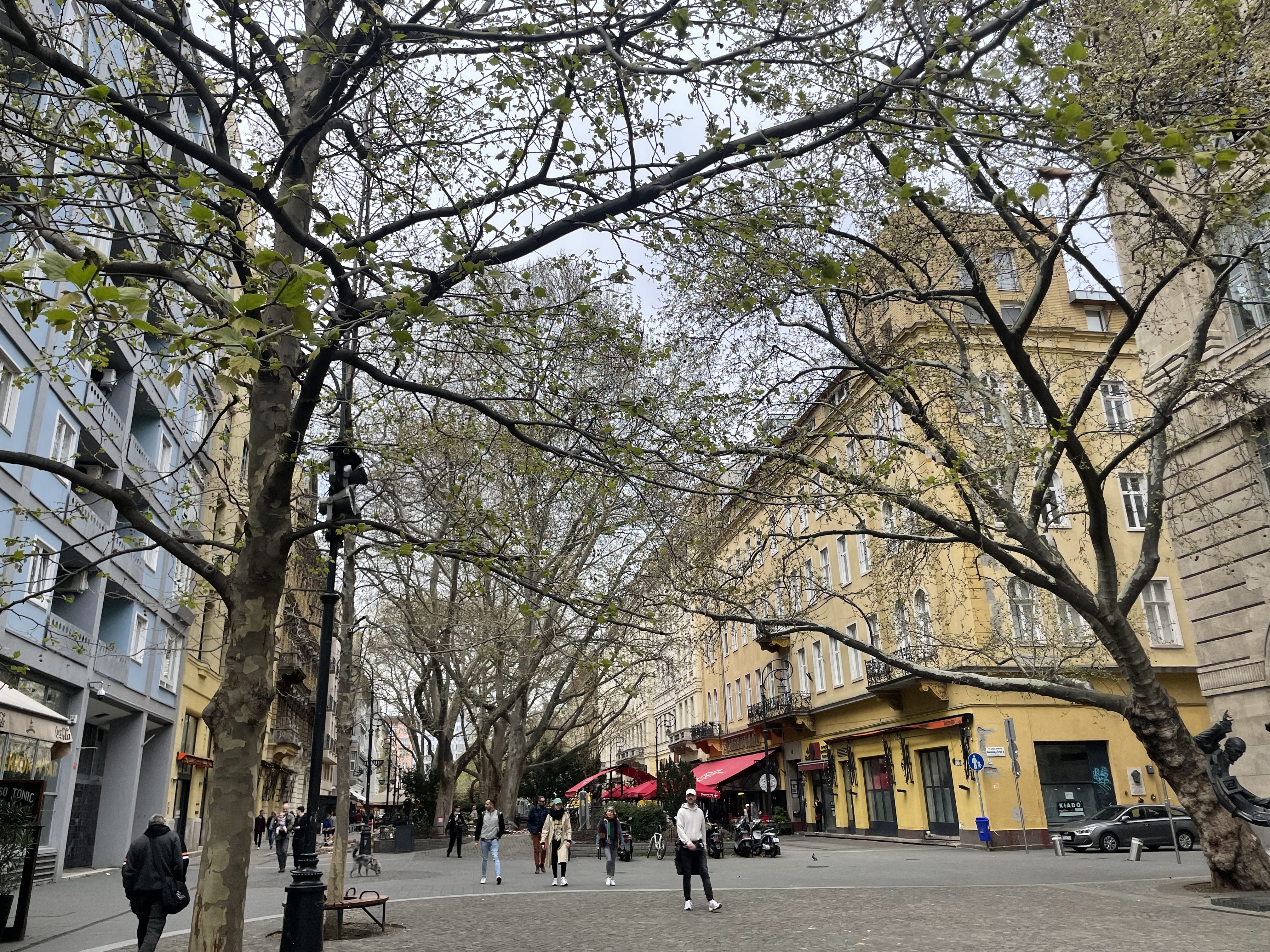
While riding the metro was exciting, the real highlight of Budapest was the chance to meet my Russian teacher, Yulia. She lives nearby and made the trip into town to join me for coffee and a walk. Though from Moscow originally, she has been in Hungary for a number of years now and has shown one of her virtues, patience, to me many times over our Skype lessons while I mangle Russian grammar. It turns out she is also delightful in person, and kindly indulged me in a mission to re-create a photo from 2004, braving the many, many tourists around Buda Castle. It was really lovely to see a friendly face after two weeks of traveling solo amongst strangers. I was also happy to report to her on my modest successes with the Russian language in the Caucasus countries and that I really didn’t forget everything she’s taught me, even if it sometimes seems that way.
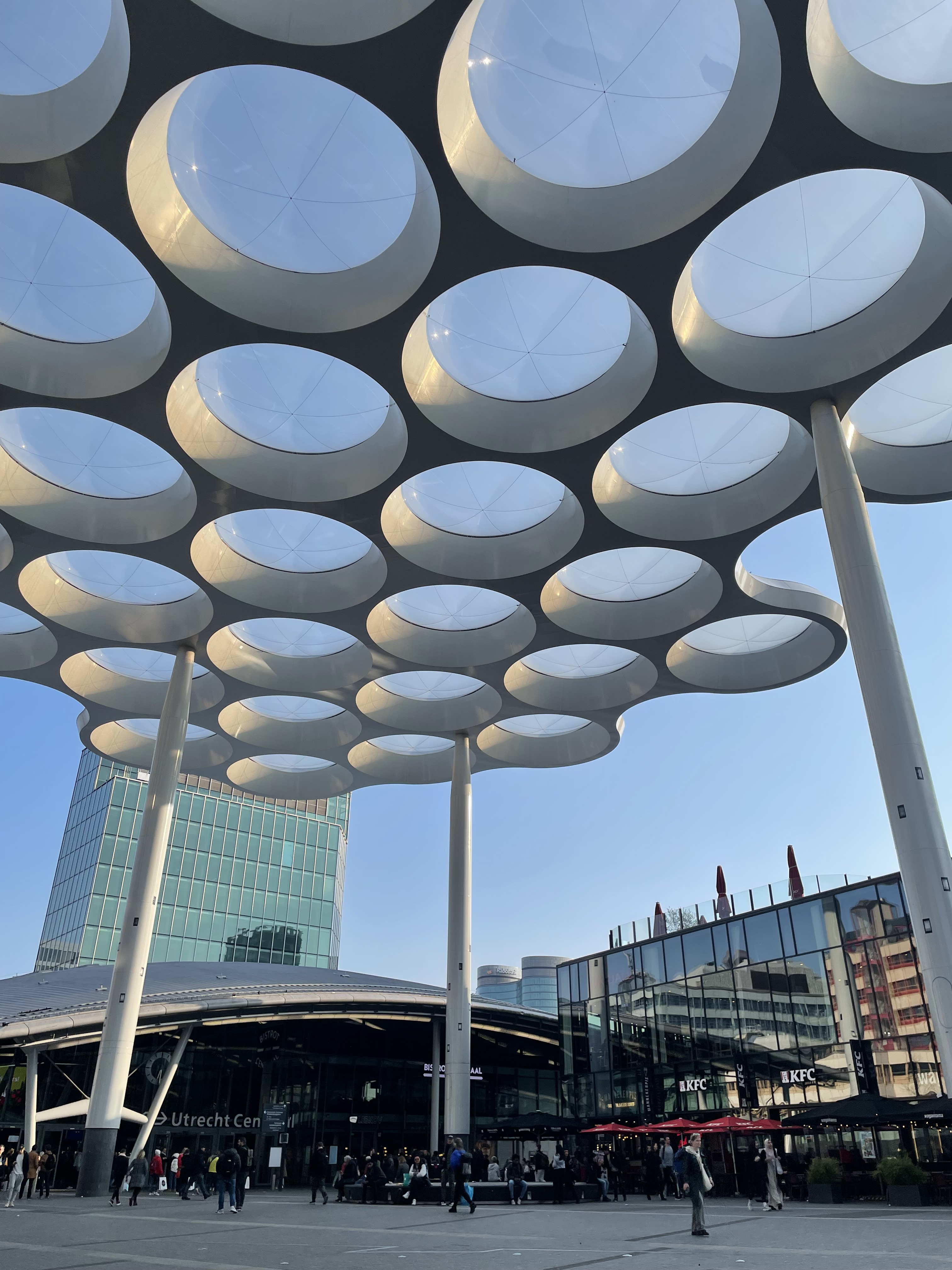
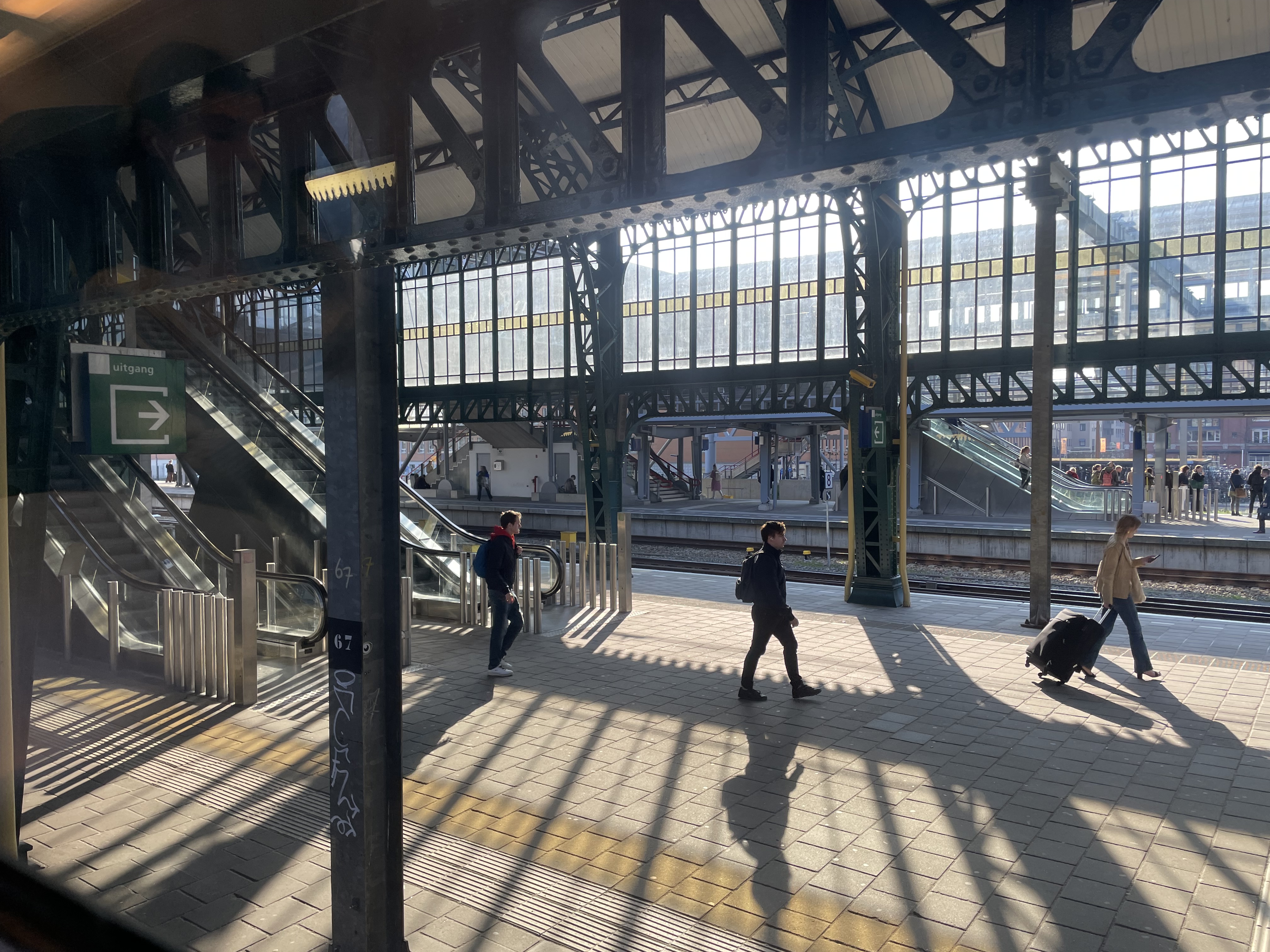
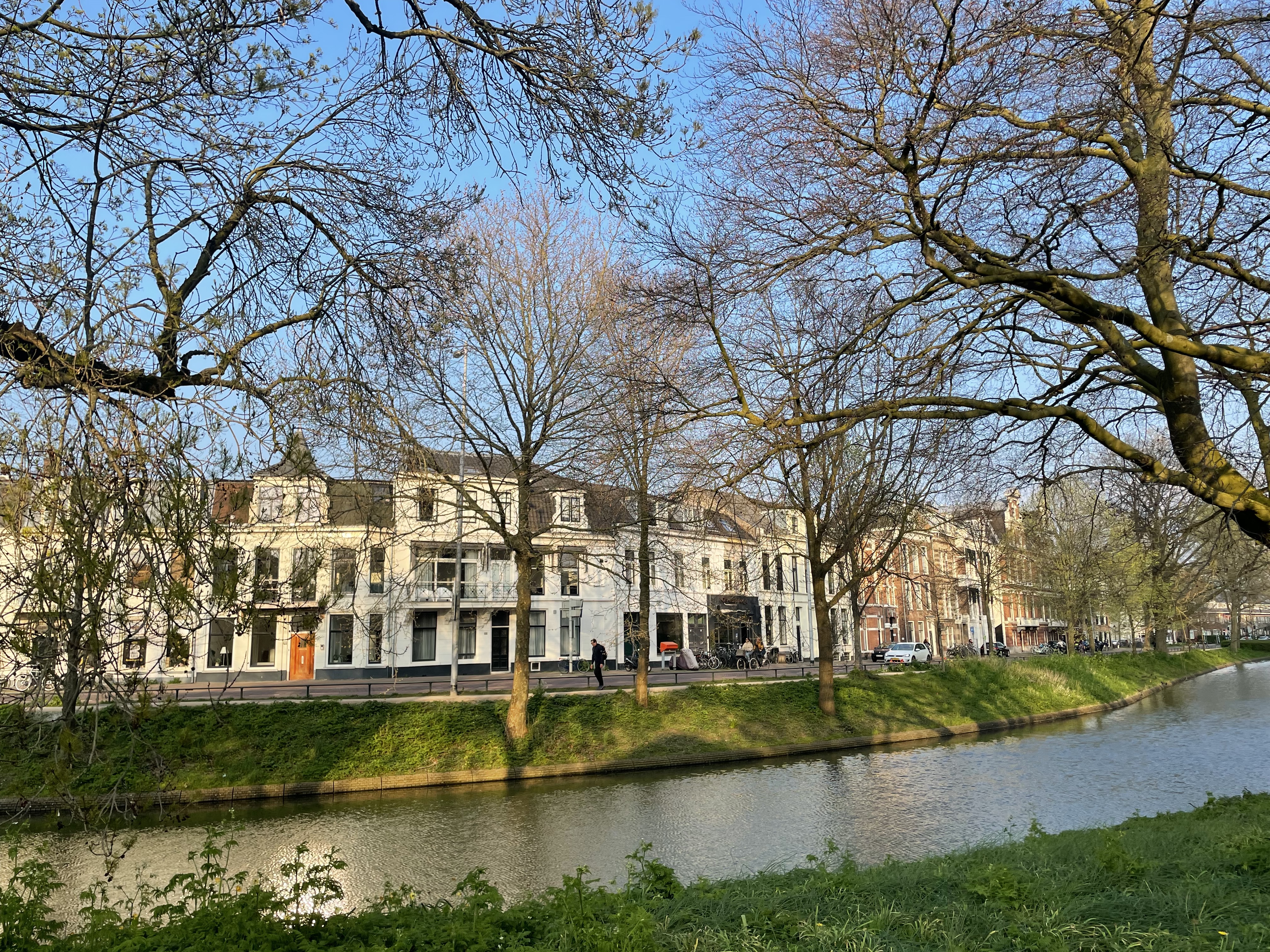
From Budapest, I left for Eindhoven, a budget hub in the Netherlands, before making my way to Utrecht. The main rationale here is that Utrecht looks nice and is about halfway between the two airports I would need. And Utrecht, and the Netherlands in general, are nice. Everything just seems to work, and watching the Dutch go about their business is like a transportation symphony, a seemingly effortless interweaving of trains, buses, bikes, pedestrians and even cars in the city. I could not help but feel a sharp pang of jealousy, made that much worse looking at the weather awaiting me in Vancouver: rain, rain, and more rain. This seemed like a bad trade when sitting at a sunny canal-side cafe, listening to birdsong while a stream of bikes pass by.
Sadly I was not able to finish the trip on this high note. My last evening, while staying in Utrecht, I had a fall and cracked, or probably broke, some ribs. I’d like to say it was rescuing orphans from an onrushing car, or even that I’d been a bit drunk and gotten what I deserved. Alas, no. My accident lacked any such ceremony – I was climbing out of my upper bunk at the hostel, I missed a ladder step, then very quickly missed a hand hold, and then, it seemed very slowly, came crashing down on the bed opposite me. I assessed the damage that night. Definitely sore, definitely hurting, but nothing out of place and no bleeding. So that was good. The next morning I woke feeling better, well enough to travel, and boarded my flight home. Nearly two weeks on, I am thankfully fine and continuing to convalesce. I will however think twice before taking outlandish risks like staying in a hostel dorm again.
 Zak Abroad
Hi Zak
I very much enjoyed your accounts of your trip.
Cheers,
Gertrud
Welcome to aging