
The first stop on the solo leg of this trip was Asuncion, the capital of Paraguay, that other small, land-locked country in the heart of South America. Unlike Bolivia, Paraguay has the distinct advantage of being relatively low-lying and for me, it was a welcome break to only worry about the pollutants I was inhaling and not the effects of altitude. The other major difference was heat – and lots of it. Paraguay seems to lie squarely in the tropics zone, no great surprise but a shock all the same. Asuncion itself is typical of tropical town, a lazy and muggy burg situated above a bend of the river from which the country takes its name. As such, it is a pace of deliberate pacing, with seemingly nobody (save bus drivers) looking to be in a hurry. Tourists are rare as well, and as such one can wander the broad streets of the romantically dilapidated downtown unaccosted by helpers and hustlers. It was great.
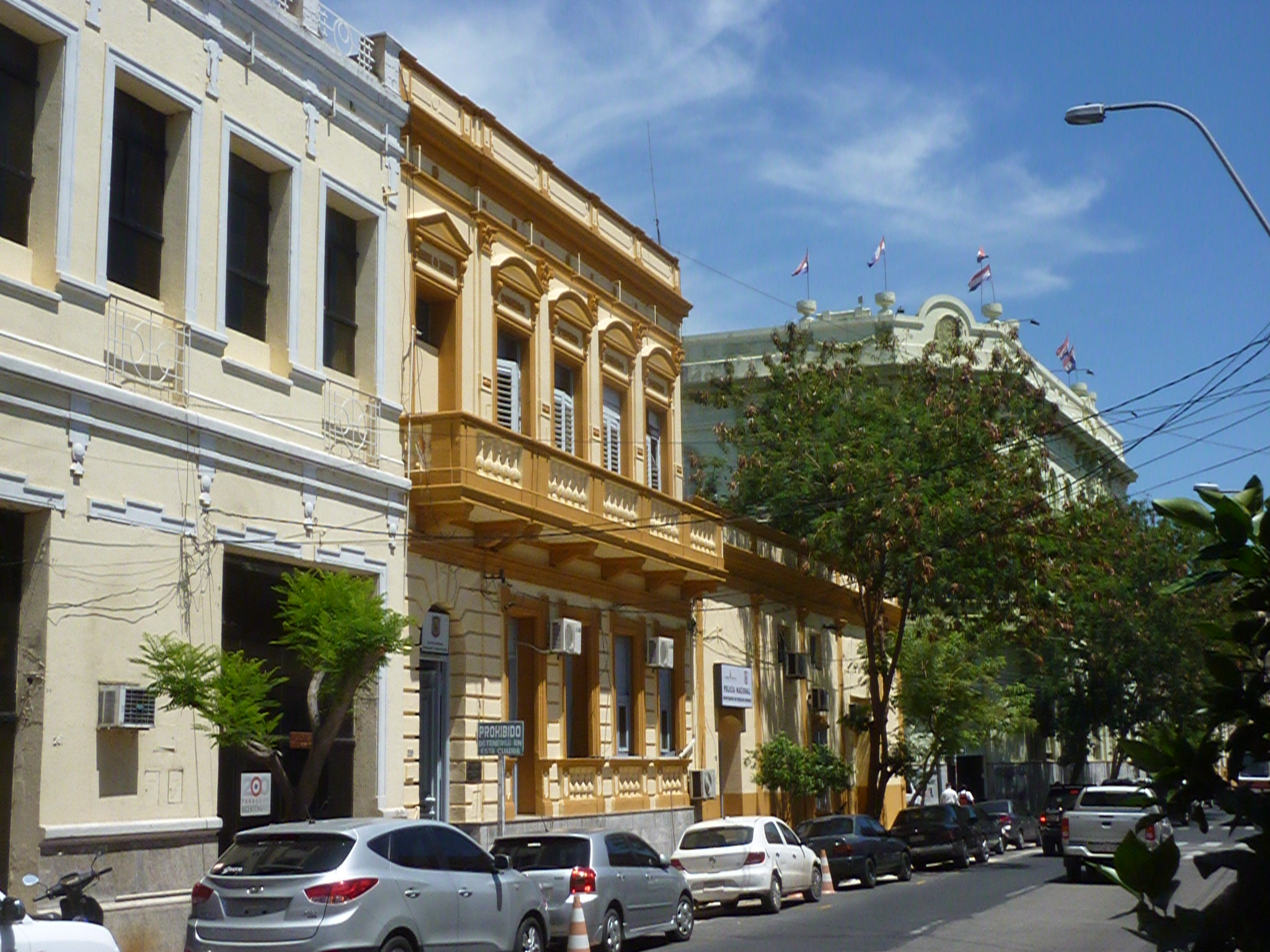
While Asuncion has some sights to recommend it, by and large it is a place to while away the time. Taking full of advantage of this, my day was a series of walks and stops – for food, for the scattered museums, and for drinks. The most engaging of the museums was the one set in ´La Tecnica´, a small and otherwise nondescript building downtown that was a torture and prison centre during the Stroessner dictatorship, a 35-year reign that was politically repressive. As for myself, my good fortune had it that an English-speaking student was there at the same time and she provided translation of the museum manager´s spiel, including the bit where the US sent military advisors to help train up the torturers. An inglorious past, but a humbling and fascinating window into a country we so rarely even hear about.
My stay in Asuncion was brief though. The following morning I was on a bus, bound for Encarnacion. Turns out it was another, smaller, and sleepier town along a river, this time the Parana, the other great watery bound to the country. The ride itself was lovely, an uncrowded bus with Wifi through the lush, green rolling countryside, passing farms filled with cows (well it IS beef country) and even one with ostriches. Before I could recover from ostriches, we rolled through a small town that seemed to derive its income solely from hammock sales, if the displays were to be believed. There may have been a gas station too, but I bet they sold hammocks.
The star of tourism for both Encarnacion and Paraguay as a whole are the ruined remains of the Jesuit missions, a series of 30 pueblos scattered amongst the countries that today use the Paraguay and Parana rivers. Begun in the 1600s, these missions were multi-use, serving not only the obvious goal of bringing the Gospel to the native Guarani people, but also serving as compounds wherein the Guarani were, in theory, safe from the predations of slavers and free to form their own societies. Of course, they had their own societies before, but these new ones may have been more suited to European tastes. One of the interesting outgrowths of these was the use of the Guarani language within the missions. The same language persists today in Paraguay as an official language alongside Spanish and even the word ´guarani´ is used as the name of the local currency.
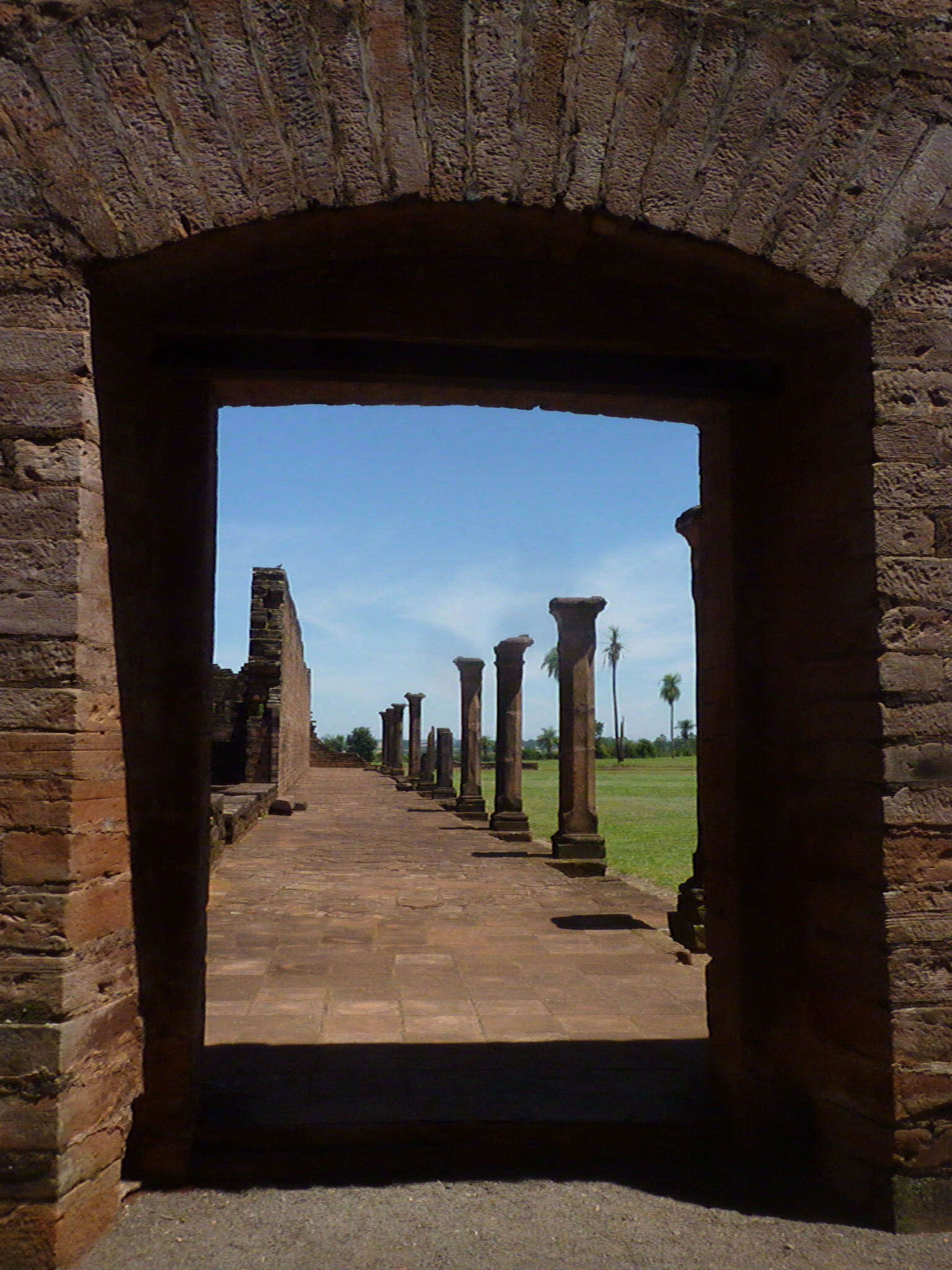
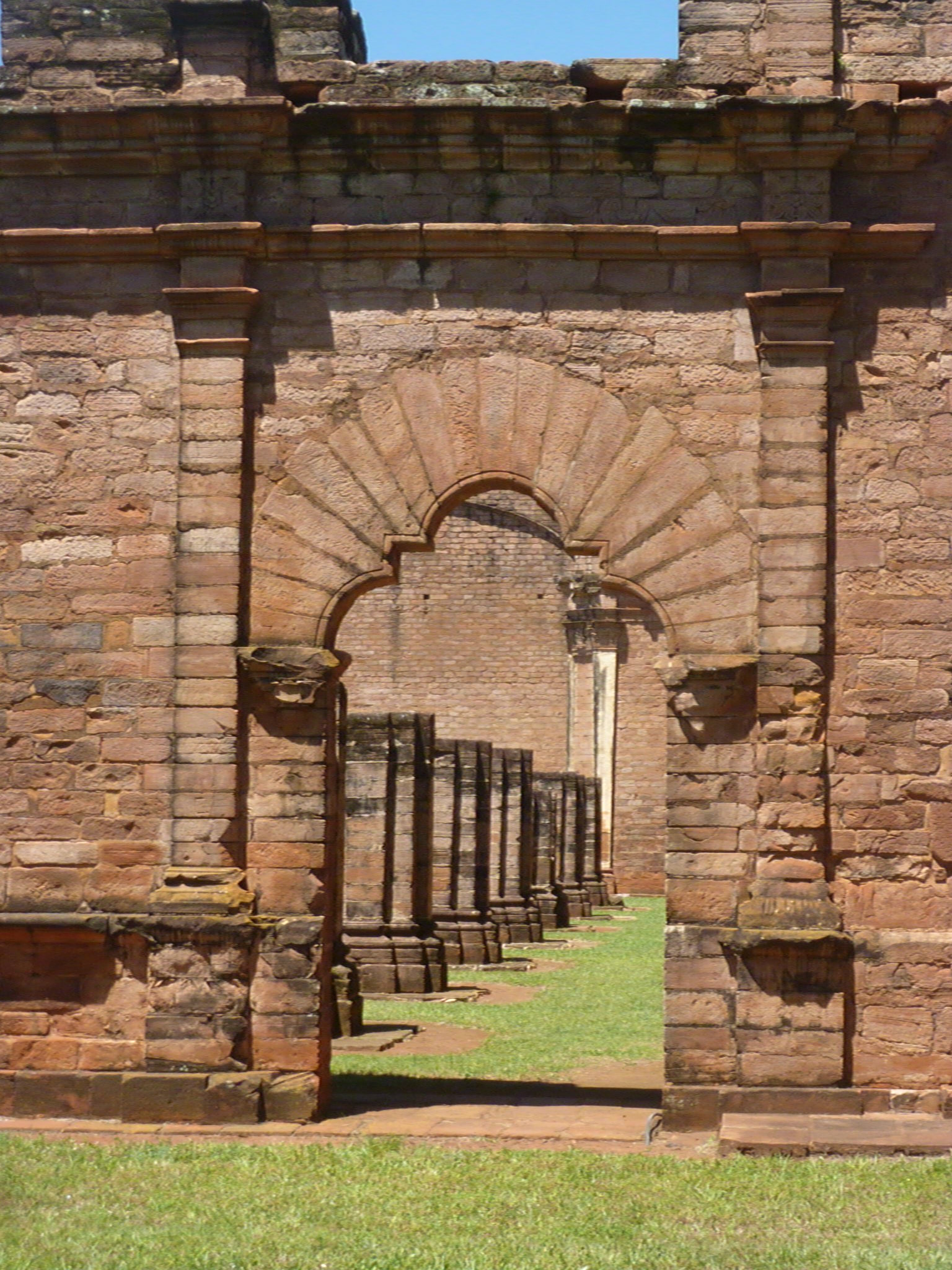
The largest and best preserved of these missions lies in Trinidad, some 30km north of Encarnacion and a relatively painfree bus ride. Despite their world heritage status, I saw a grand total of 4 other foreign tourists there, not especially surprising given how off the radar Paraguay generally is. The ruins are set atop a hill, commanding a broad view of the rolling countryside and, accompanied by the loud call of birds and the buzz of local insects, allows the visitor something of a chance to imagine what life may have been like. Today the ruins are mostly walls and pillars, occasional doorways, and some remaining carving visible in the large, roofless church. After the Treaty of Madrid in the 1750s, the Spanish kicked out the missionaries and a century of work, for better or worse, was left unfinished.
There are a few noticeable differences being out of the Andes and on the eastern(ish) side, at least in my short experience. First, the people are friendlier, nicer. They seem more willing to help and less concerned with squeezing every last shilling out. Second, the Spanish is markedly different, looser, not as clear. My sister would doubtless be glad to know that it has given me a bit of humility as my own ability to use the language, while useful to a point, has not won me any accolades. Rather it has served as a reminder that language learning is ever a process. I´ve also learned that to give Paraguay half a week does it a disservice – in my future travels I intend to be more deliberate and not so hellbent on cramming places in. That said, Argentina is coming up next!
 Zak Abroad
Wonderful little discovery, Paraguay. I’m sure Argentina will present quite a contrast!
Love,
Dad