I went through my last classes a week ago, telling my students what I will be doing and where I’ll be going after I leave them behind. They were a little sad, as was I, and the word ‘bittersweet’ was the one I chose for illustrating my feelings about leaving. In truth, it is nice to be done with teaching, nice to be able to put it behind me. I’m quite glad to say I am much better for it and at it than I was in 2007 when it all began. The truth is, the kids already know a lot of English. They simply lack confidence and practice to use it. That was by far the greatest contribution they got from me, the chance to apply what they’ve spent years learning finally. It makes me wonder about the value of the multitude of powerpoints I put together, but I’ll try not to dwell on that.

Classes behind me, I set off to conquer Beijing’s museums in the way that I’d fully intended to do all year yet never got around to. Funny how a lack of time works so well as a motivator, and it was exactly the same in years past in Shenzhen. A pair that I did together were the Railway Museum and the Beijing Urban Planning Exhibition, which neighbor one another on a busy street corner at the southeastern edge of Tiananmen Square. While the museums on their own may not be enough to draw in the average person, few things could have been more engaging or entertaining for me, and I thoroughly enjoyed it, especially the big scale model of Beijing with all the various points and places I know under my feet.
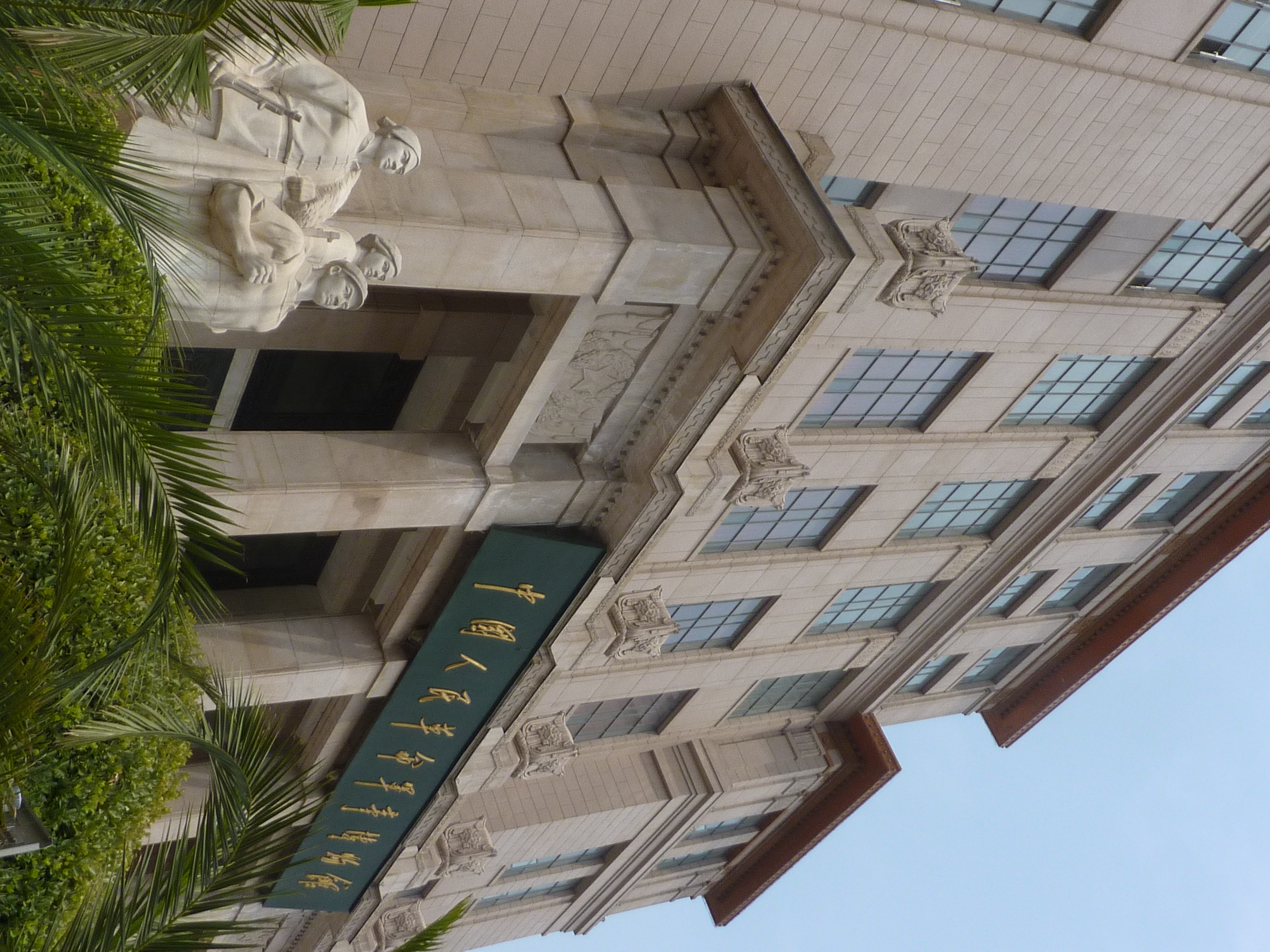
The next stops on the museum tours were the Beijing Capital Museum and the aged Military Museum. The Capital Museum is housed in a new, modernist building that I rather liked, large open spaces, clean lines, good materials. The exhibits themselves were lackluster, without really imparting any grand new knowledge and mostly I just enjoyed the building. The Military Museum I went to as an afterthought, only to be happily surprised at its scope and thoroughness. I guess that is my own fault for not anticipating such in a country so proud of the army and its role in the Liberation War, as the Chinese Civil War is called here.
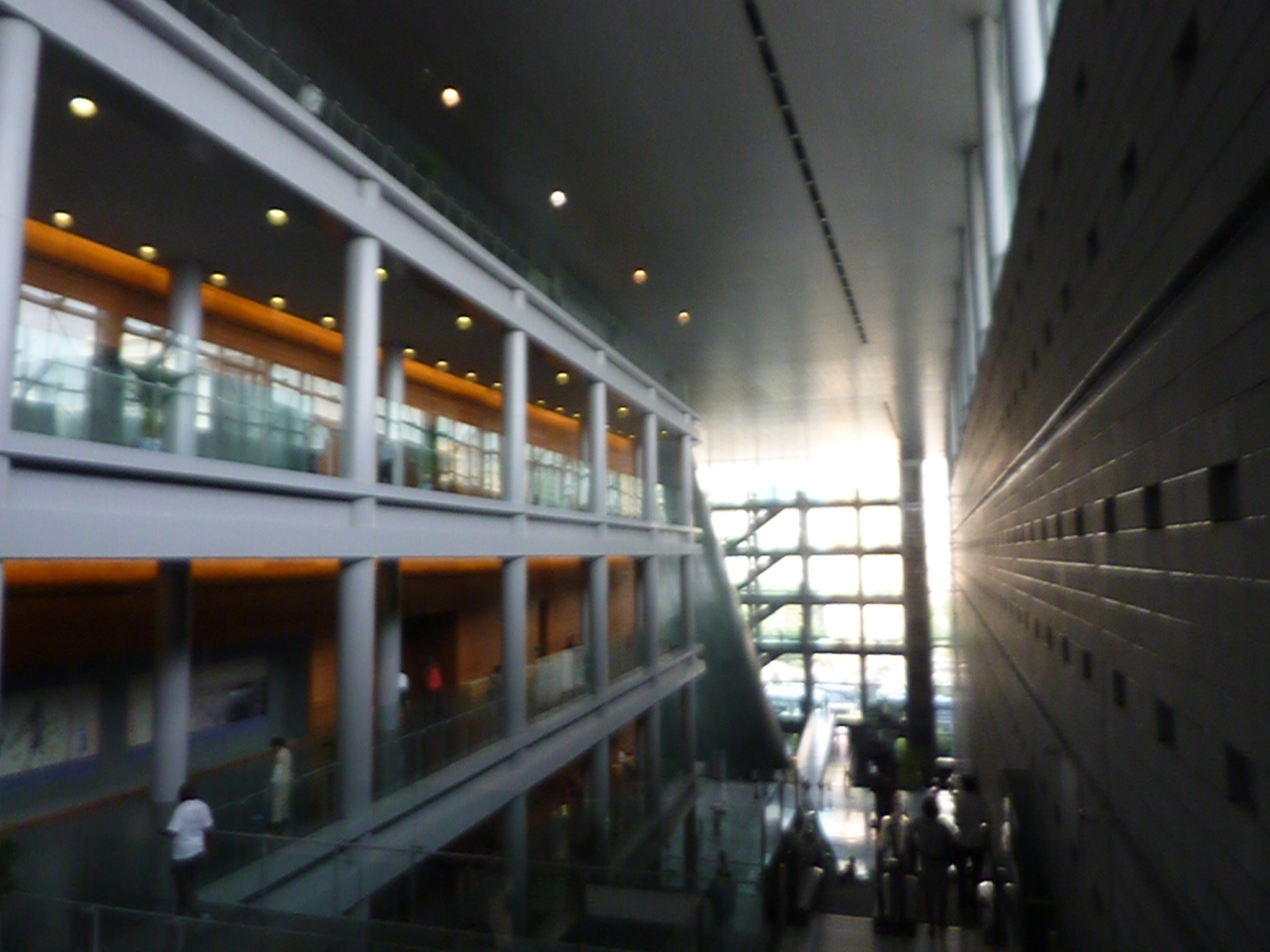
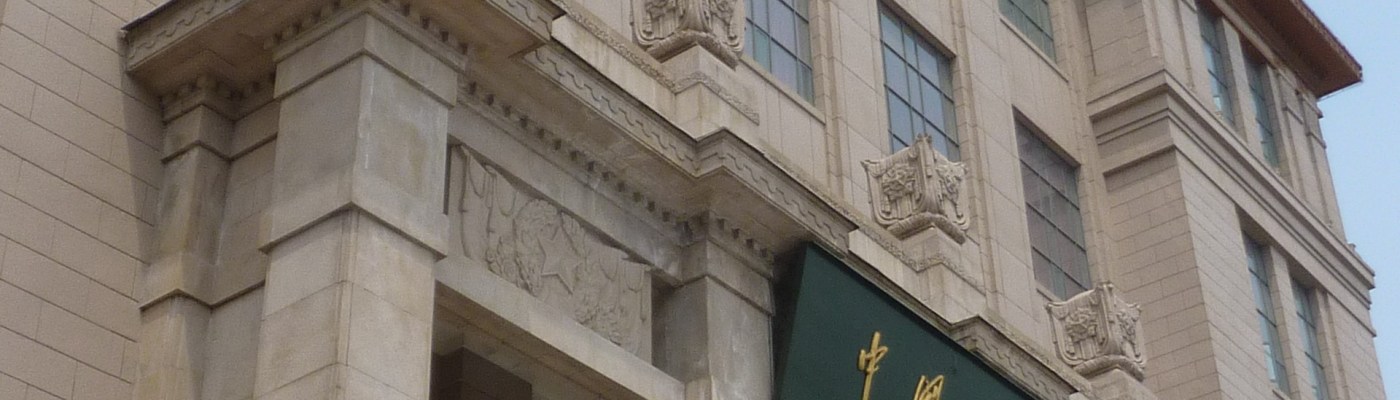
The museum is in a large, grand structure of the Soviet/Communist style, imposing and frankly a bit nice, as they at least did a good job when they were building it. Inside are numerous weapons and machines, including wreckage of a US spy plane. It was also a vocabulary gold mine, as before I had never known how to say the word ‘torpedo’ in Chinese, and of course have been aching to know. Yulei, the two characters meaning ‘fish’ and ‘thunder’, is torpedo. I could only laugh at the wonderful literalness and pragmatism of the Chinese language, something that one appreciates I think the deeper into it you go. The treatment of the War Against US Aggression in Korea was actually not overly patriotic. My only real issues were the Chinese declaration of victory (sure looked like a stalemate to me…) and that the war ‘started’ with the US army, not with the North invading the South. Then I guess I’m just squibbling over details perhaps.

The last weekend I finally made the trip to nearby Tianjin as well, another thing which lingered on my list all year before finally being realized at the last minute. Tianjin is another large city, situated near the Bohai Sea and a major port and finance area in the north of China. It also has a reputation as being dull and boring, polluted and industrial, which means it is largely overlooked in favor of Beijing, which is only a 30 minute bullet train ride away. The weather was great however and the first impression of the city was stunning. The train station leads out into a large open plaza overlooking the He River, with restored Concession-era architecture on the opposite bank. The warm, sunny weather didn’t hurt things either.
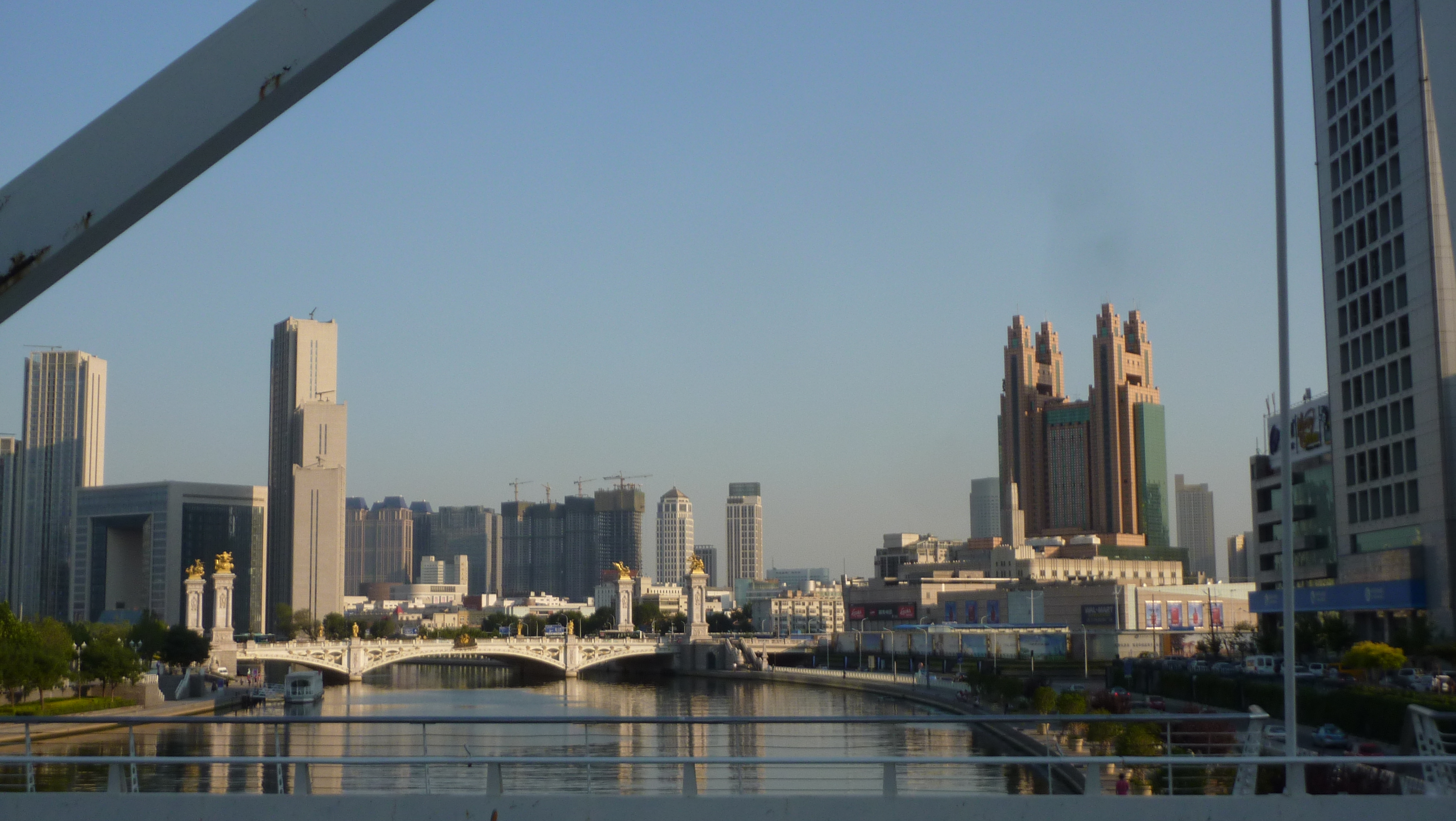
Tianjin has a large foreign concession area which is now mostly restored and turned over to banks putting up prestige offices in these old European constructions. Indeed the overall vibe of the city matches that, even in the Chinese old town area, of a relaxed, quiet city. There were few tourists and the two long pedestrian streets in the main section of town are largely the domain of the locals, who pass up and down in a laconic pace typical of the Chinese when they have nowhere to be. In the same fashion, that was perhaps how Tianjin was best enjoyed, shuffling through the old town and along the river banks and taking in the world around me. It all made for a nice counterbalance to the swirl of activity that Beijing has been, and was time well wasted.
 Zak Abroad