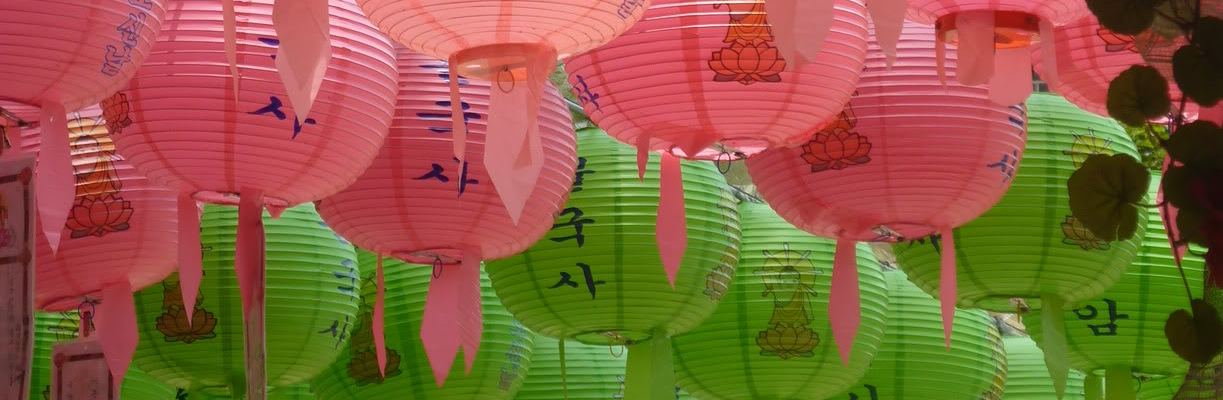
My poor students were subjected to the GaoKao, the infamous college entrance exam that heaps pressure upon the seniors of China as their fate is decided well into the future. Something like the SATs, and then multiplied by several factors. While pressure is piled upon the students, for myself and the other foreign teachers, it marks a wonderful opportunity to get in some traveling time. Having been in Shenzhen since the vacation in February ended, I’ve been itching to get back out on the road. Currently my friend Ian and his fiance are living in Seoul, so it seemed as good a time as any to head to South Korea. Transiting via Beijing airport, I got into Incheon at night, meeting Ian there. In hand he had a transit card for me and we were off towards the apartment he and Lindsey share.
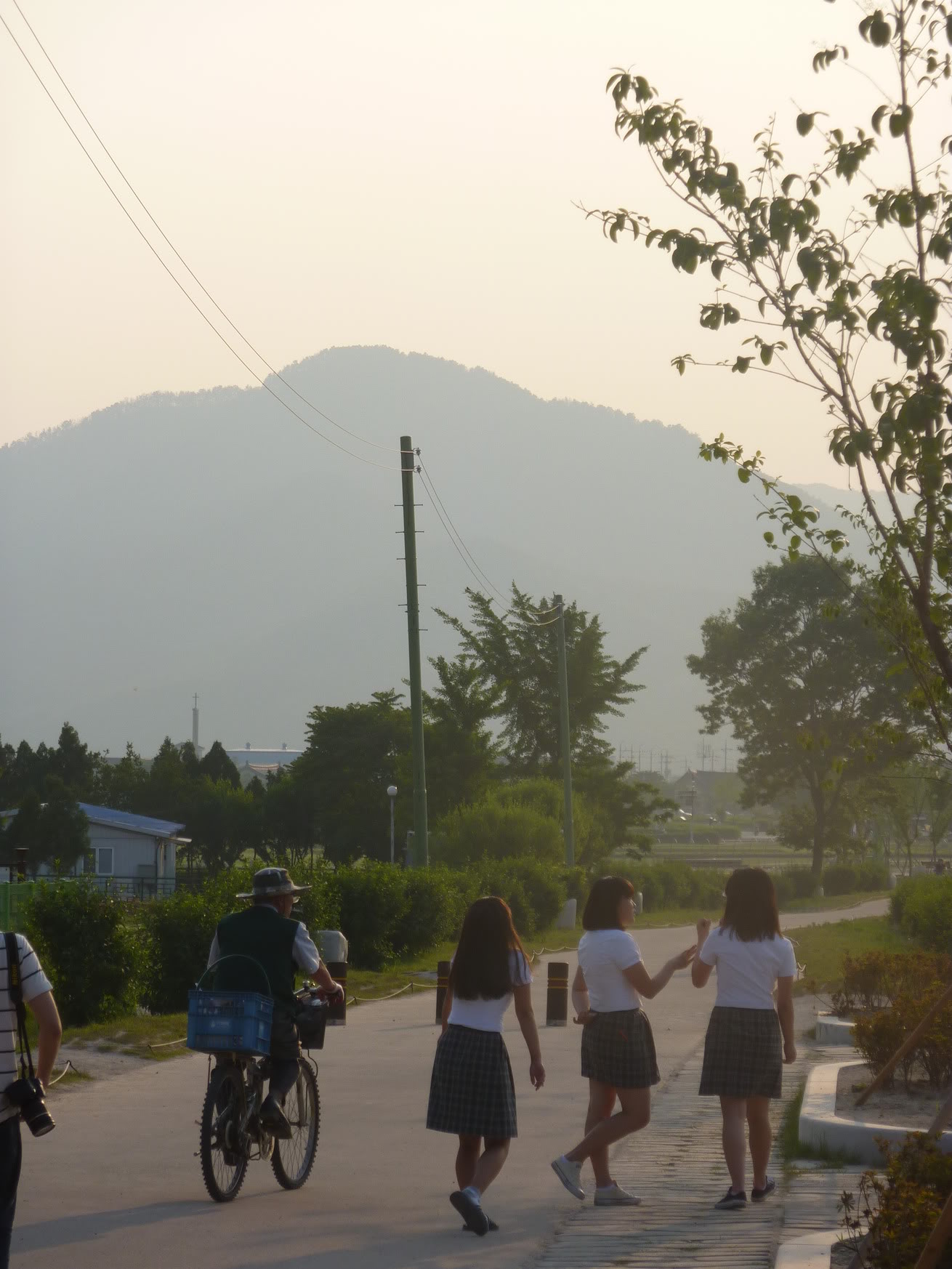
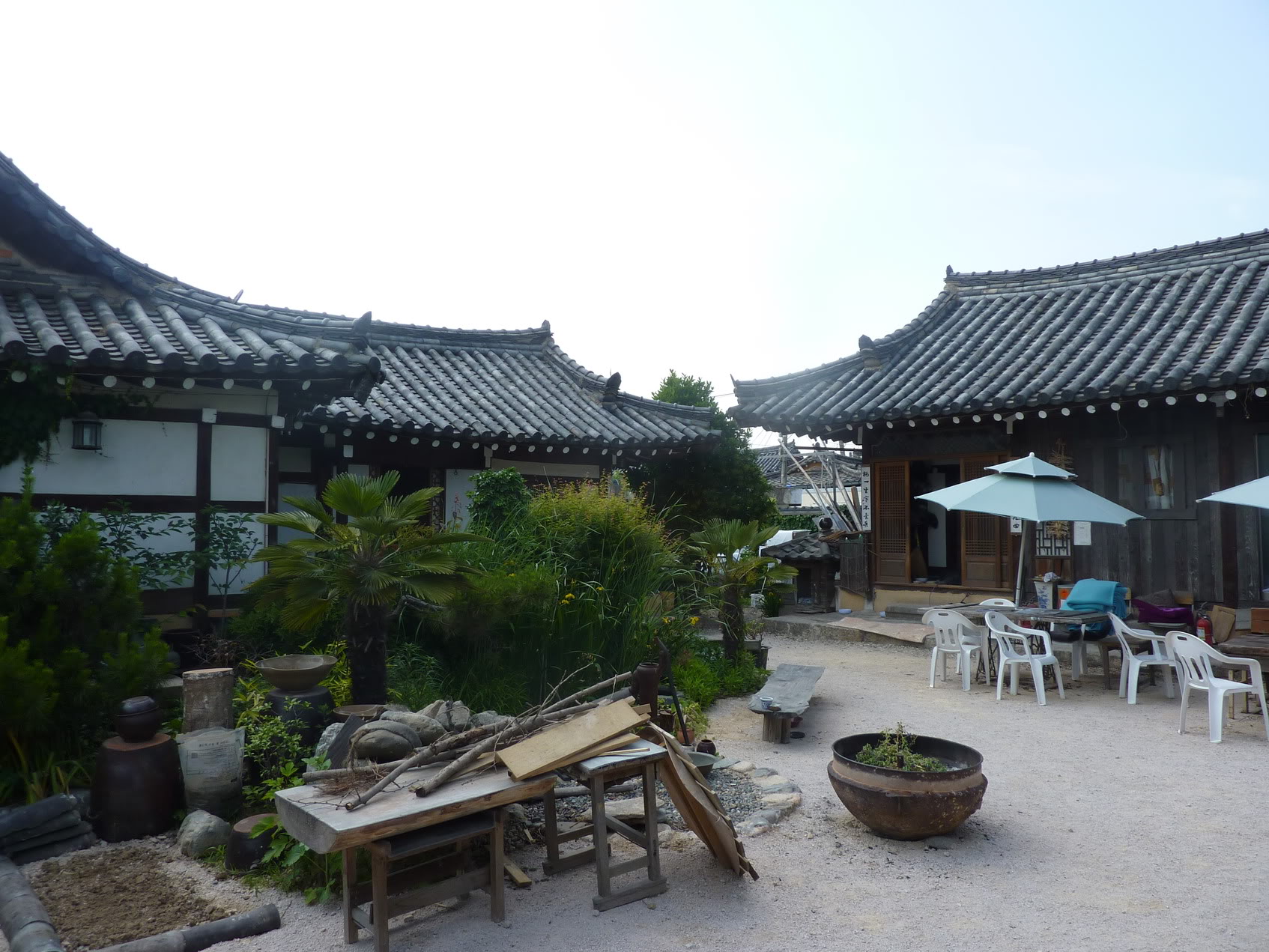
At the morning, we grouped up, joining Matt and Carrie, two college friends of my friends (confused yet?) who were visiting as well. Now assembled and with train tickets in hand, the KTX, Korea’s high-speed rail system, shuttled us down the small country until we reached Gyeongju, a small city and the seat of the ancient Silla Kingdom which reigned supreme for about 900 years. So it is invested with some sites, such as the tumuli, Korean burial mounds for the deceased royalty. The first night we were sans Lindsey, and in our effort to find lunch, ended up eating pig intestines, though we did not figure that fact out until the next day. It’s alright though, they weren’t bad. Our guesthouse though was easy to figure out, a classic Korean compound of several small buildings surrounding a courtyard. A fantastic, relaxing setting to return after a busy day of exploring.
Lindsey came down and joined us as we hiked Namsan, a mountain (well a hill) south of Gyeongju coated in pines and peppered with Buddhist landmarks such as a 7th century carving and a 10-meter high Buddha etched into a rock face. The fresh air was wonderful and I was amazed as over and over again the Korean hikers simply packed out any garbage they made, as no trash cans were available. In China it is, for now, the opposite, with a host of trash cans yet garbage between them all. Hopefully that part will change. At day’s end, tired from a nice long bout of hiking, we wandered around the city center alit with neon and buzzing with activity until we found a fantastic dinner. This became a recurring theme…seems that Korean food is really good.
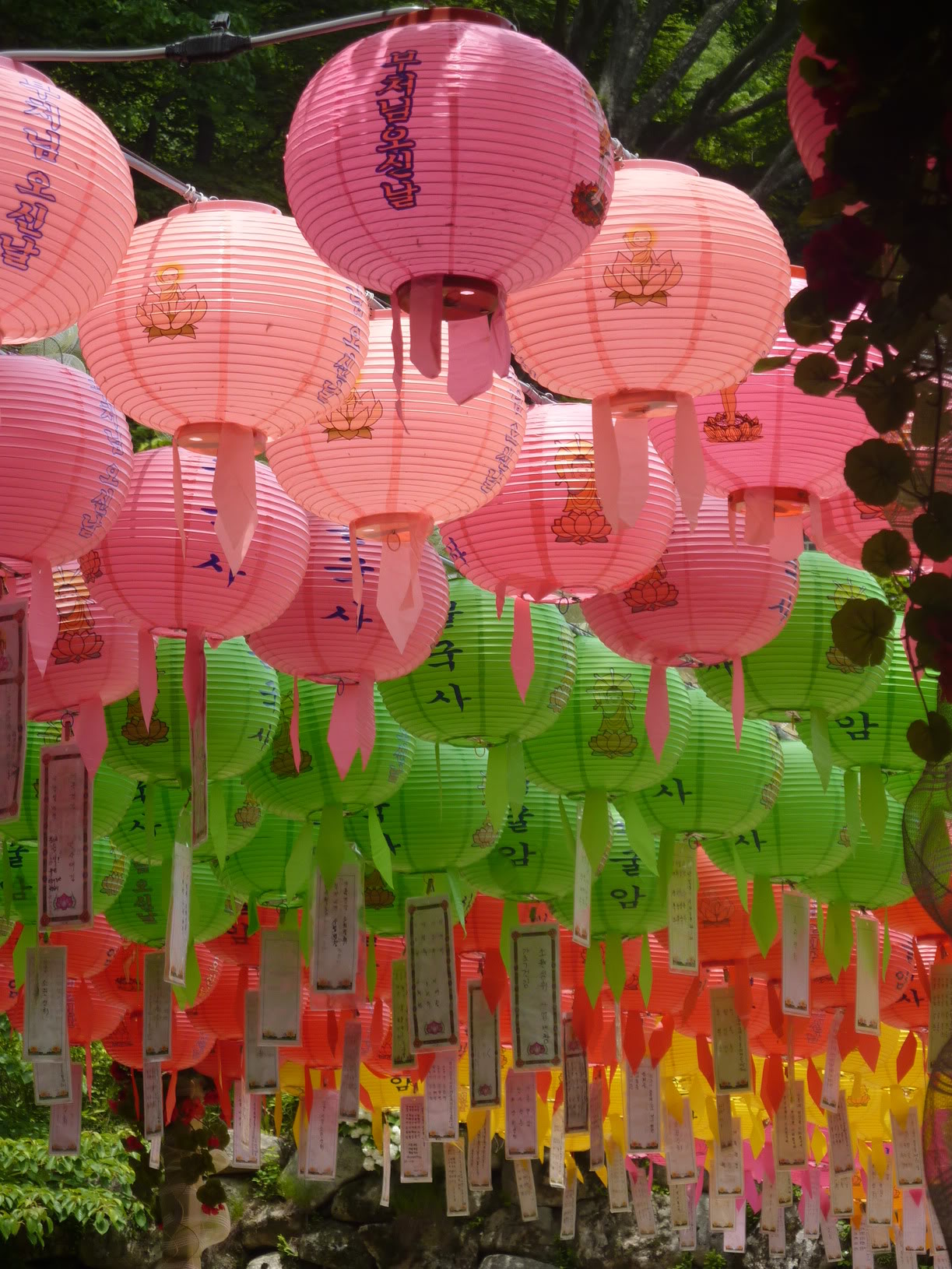
We got up early and moving again the next day, off to Bulguksa, one of the largest and most famed Buddhist temples of the peninsula. The temple originally dates from the 5th century AD and is set on an expansive site stretching along a slope a dozen kilometers southwest of Gyeongju. The Koreans maintain their landmarks well and Bulguksa is no exception, with the grounds pristine and the temple buildings in a wonderful state. The writing on most places at historic sites like this is traditional Chinese, which was used for writing for centuries prior to the development and adoption of hangeul and it was kinda neat for me to piece together meanings that would’ve otherwise been lost on me.
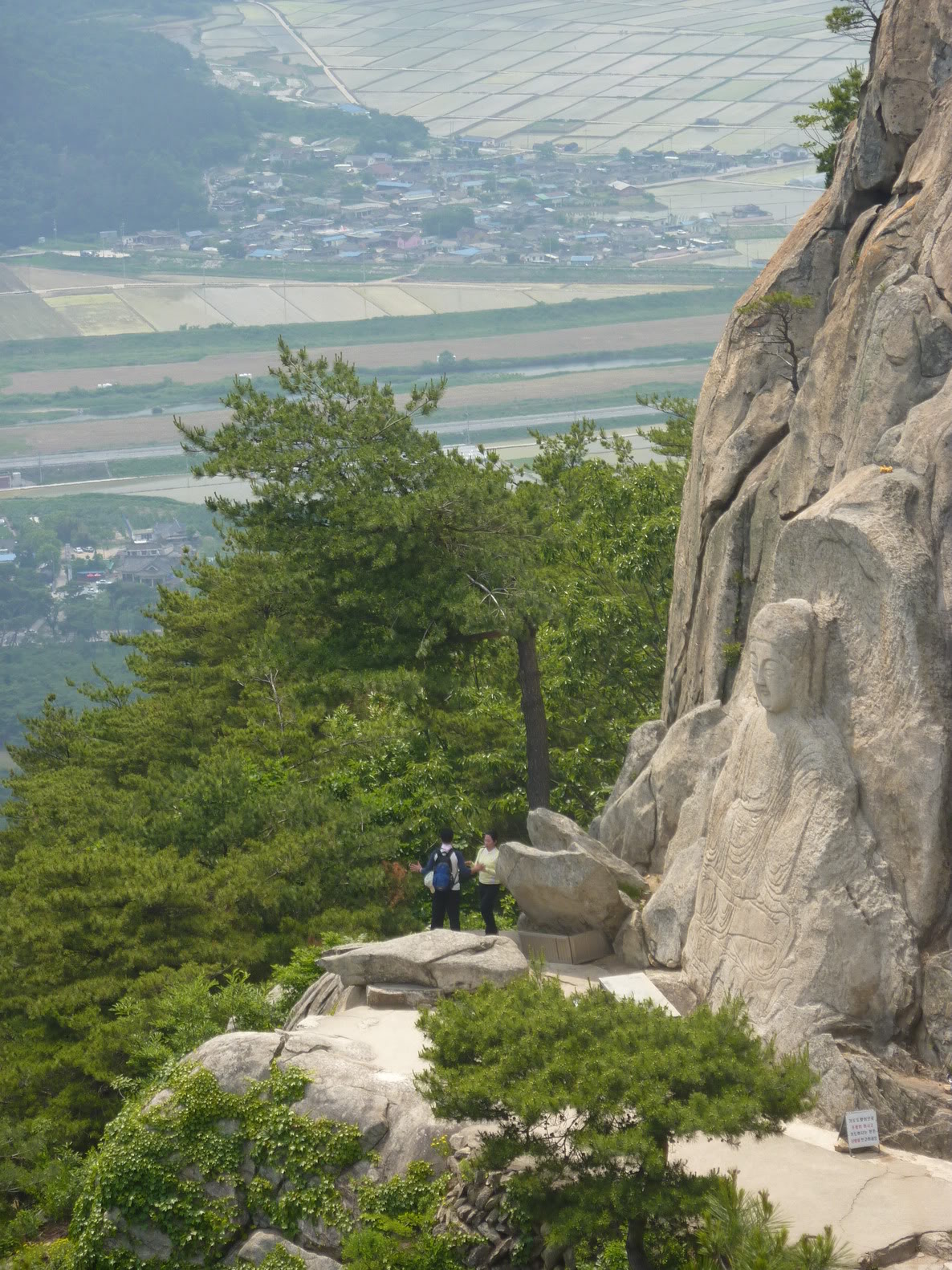
While swamped with tourists just like their mainland Chinese brethren, the temples here are still actively used as well, and it was moving to see people kneeling before an image of the Buddha. Since the Communist era in China, faith was discouraged for so long that few people these days really have it and while I’m not a religious man, it is nice to so people worshiping something past capitalism for a minute or two. For large parts of the trip, it was hard not to draw parallels and seek comparisons between Korea and China. Later we found our way up to Seokguram, a 7th century Buddhist grotto with an impressive and large stone sculpture of the Buddha housed within. On a clear day you can see to the sea, but alas we were thwarted by cloud cover.
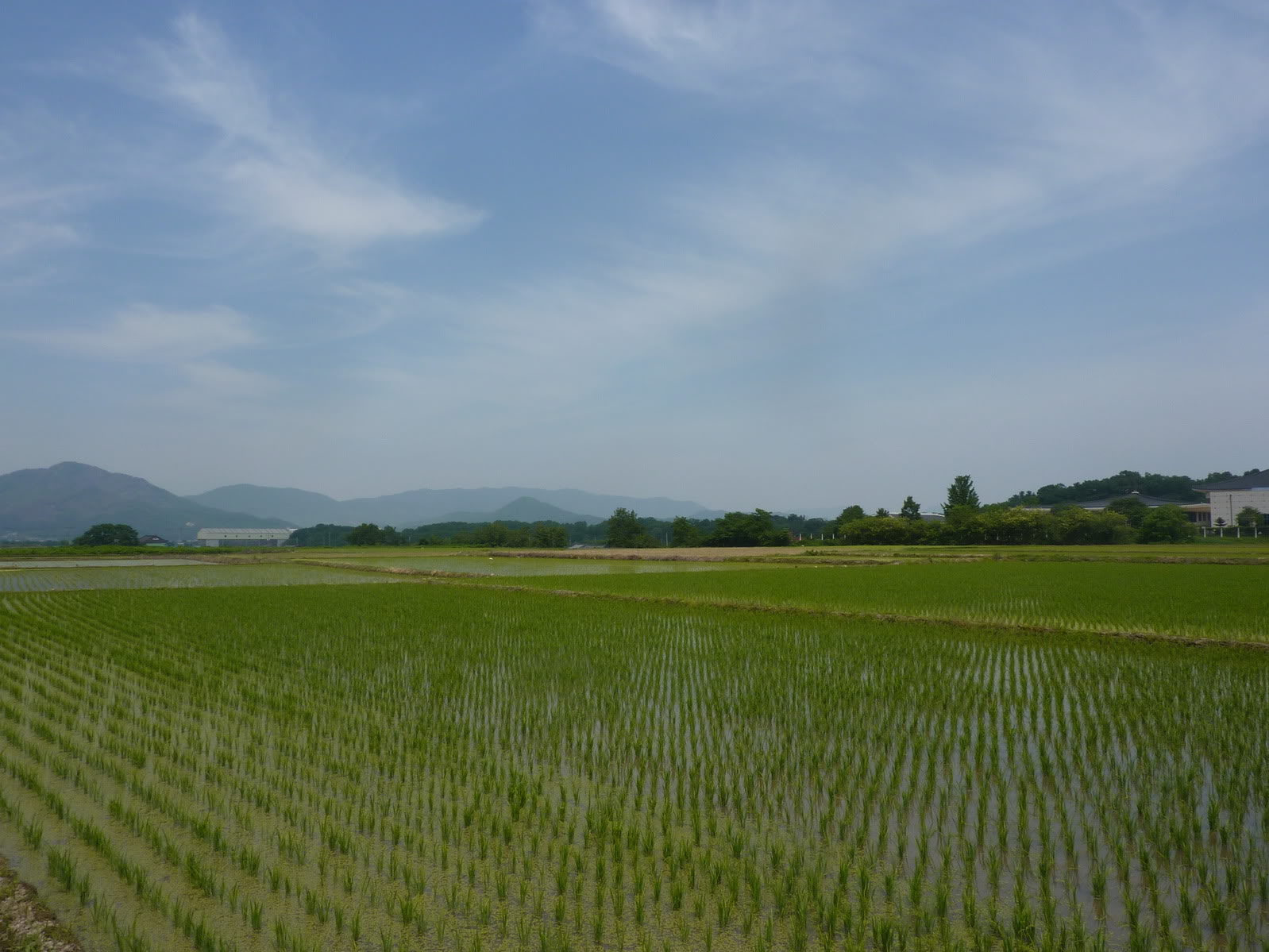
The next day we departed, headed back to Seoul. It’s amazing in some ways to witness the ease and convenience of travel throughout the country, just over 4 hours door-to-door with smooth connections. Granted that while part of it is the small physical scale, the Koreans organize their connections well and make it simple, something I ache for the Chinese to do. Perhaps in time it will happen, but for now the country still has a lot to improve on. It is truly remarkable to see that a country that was left divided and utterly devastated less than 60 years ago has been able to refashion itself into a regional power with a dynamic economy, high quality of life, and an educated, global citizenry. It gives me hope that China someday could be in a similar state, though when that day may come…
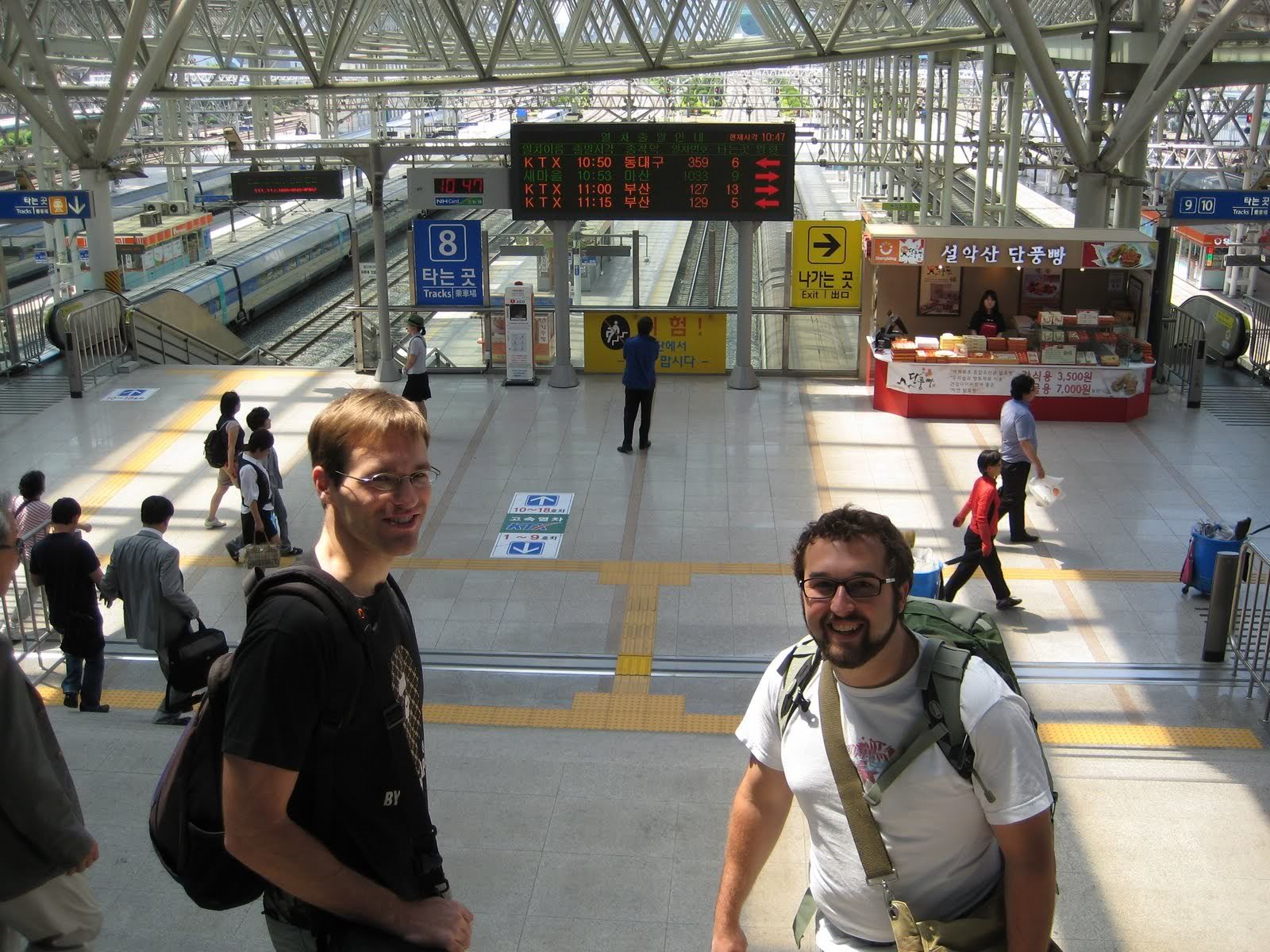
Arriving in Seoul, we got ourselves all settled in again in our respective abodes and met up later for dinner. This time out we had Korean BBQ, the proper name of which I can’t recall but it is a wonderfully engaging way to eat and I honestly can’t recall the last time I’d had steak in any way prior to that. The food is brought to the table raw, with a grill set up in the middle. Shoes by the door, we sit on the floor to cook our meal, picking over the various side dishes with our metal chopsticks while the meat and mushrooms cook on the grill. To top off the experience, the Korean beer is actually pretty good, much better than I had expected, and the rice wines lack the acrid acidic taste of the Chinese liquors. Those were both pleasant surprises throughout the duration of my time there.
 Zak Abroad