
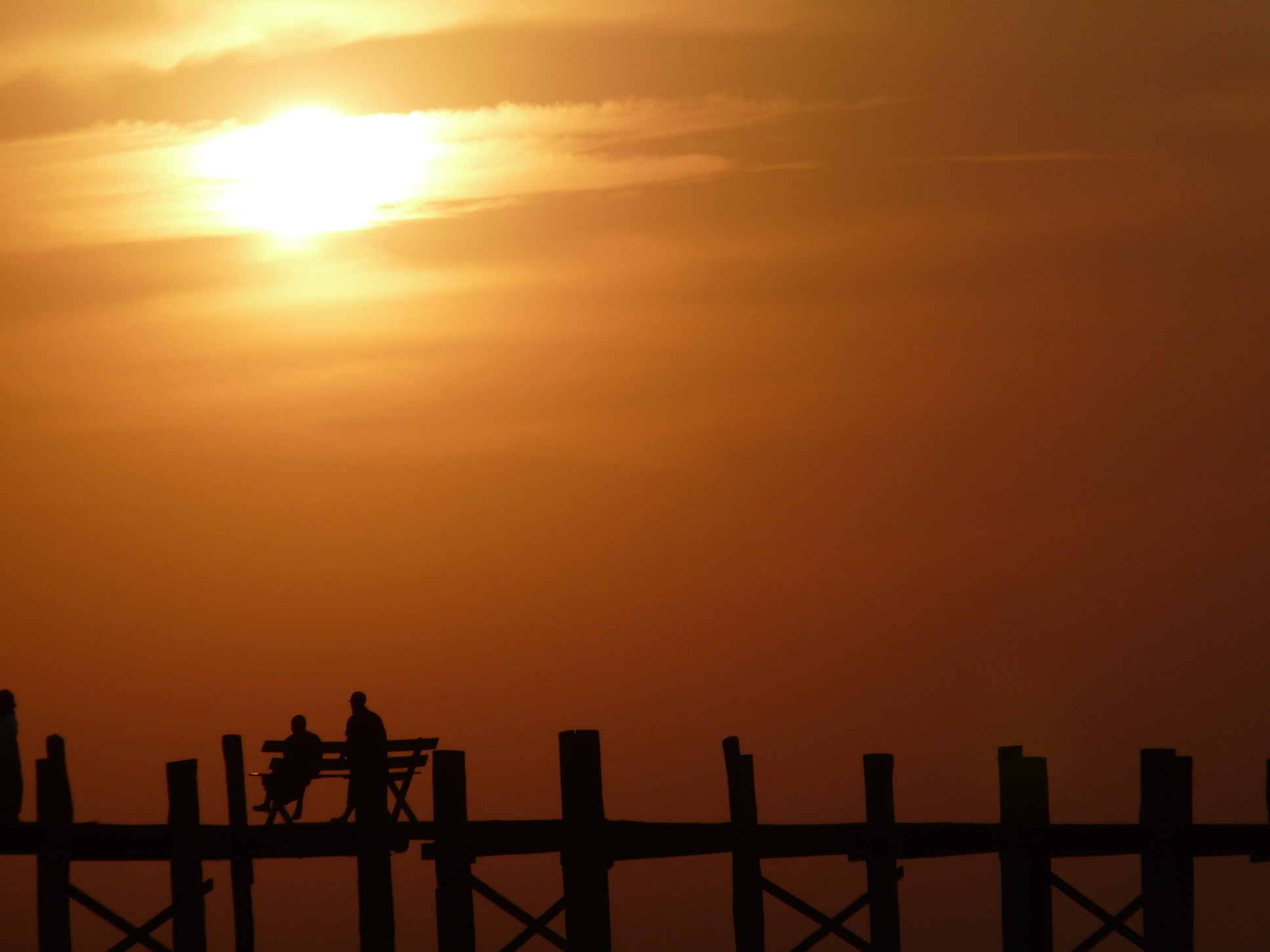
Mandalay is a name that is present in people’s mind, if not for the works of Rudyard Kipling than at least for the prominence of Las Vegas and her casinos in present day society. Whatever romantic evocations the name may hold were quickly quashed for me in the functional but somewhat listless city. Regardless of said circumstances, we rented bikes, bought outbound train tickets for the next day, and rolled off down the road in the remaining cool of morning for Amarapura, one of the many old capitals set outside the city limits a ways. The main highlight here was a lengthy teak bridge that still seems to be in use as a means of crossing over the seasonal waterways that swamp the land.
Next we continued our ride out to Inwa, one of the forgotten capitals despite the fact that it served for over 400 years as a imperial seat. Inwa is on an island, and the remnants of the wall are still easily visible, along with ruins from old temples. Currently the island is home to friendly villagers who were quite happy to gesture and point with us and a friendly monk who loved 50’s crooners and had a distaste for his country’s home government. This was also the place where we all tried betel nut. For the unawares, it is a mild natural narcotic that is supposedly similar to nicotine in its effect. Locals chew it by the handful and the tell-tale red juice it produces is left spat all over the streets. The taste was…unfullfilling, and the effect for me at least was a bit of mild relaxation. Interesting for a try but I don’t think I’ll be a regular. The long term effects of betel nut use include a mouthful of reddened teeth that belong more in a zombie movie than the street.

Later in Mandalay we took in a zoo, petting (and being pet) by a juvenile elephant and then feeding sun bears bananas and feeling hippo snot. The highlight for many of the local kids, it seemed, were the cages of rabbits and guinea pigs. Perhaps one country’s pets are anothers curiosities. At the zoo Darragh befriended a monk who walked us up Mandalay hill and told us about himself. The man was quite friendly and helped us avoid paying the fees for entry. This may seem dishonest…until you consider these fees go toward a bad government and we didn’t want to go onboard with that. Besides, if a monk says its okay, you don’t argue.

We left that night from Mandalay on a train bound to Bagan. We of course bought the cheap seats, wooden benches over wooden slat floors which one could see the floor rather easily through. Here we entered into the strange situation of trying to find comfortable sleeping positions. For Nick, and later myself, this meant lying under the benches on the floor, as many of the locals took to doing. The others tried to find comfort on the benches. After a trip to the toilet, I came back to find that my supposed friends (and sister) had allowed some woman to steal my place on the floor, leaving me with a lowly seat. I was genuinely upset, and this perhaps illustrates the silliness of the train system with Myanmar, a relic of the days of Burma and the British.
By sunrise the train had emptied out considerably and was far more comfortable, though not much warmer. The sunlight coming up from the east was beautiful, but I was in no shape to appreciate it. Instead I was learning the hard way that you never drink water that may be bad, because it doesn’t respect your time in Asia or your generally solid stomach. No, it will wreak havoc within you until you eject it out the window of the train with the rest of your food from yesterday. Thus the first day of Bagan was largely a wash for me, spent between sleeping and the occasional throwing up. I did rent a bike to visit temples but had no energy and the sun was no kind stranger and I called it a day before too long to save my body any further abuses.

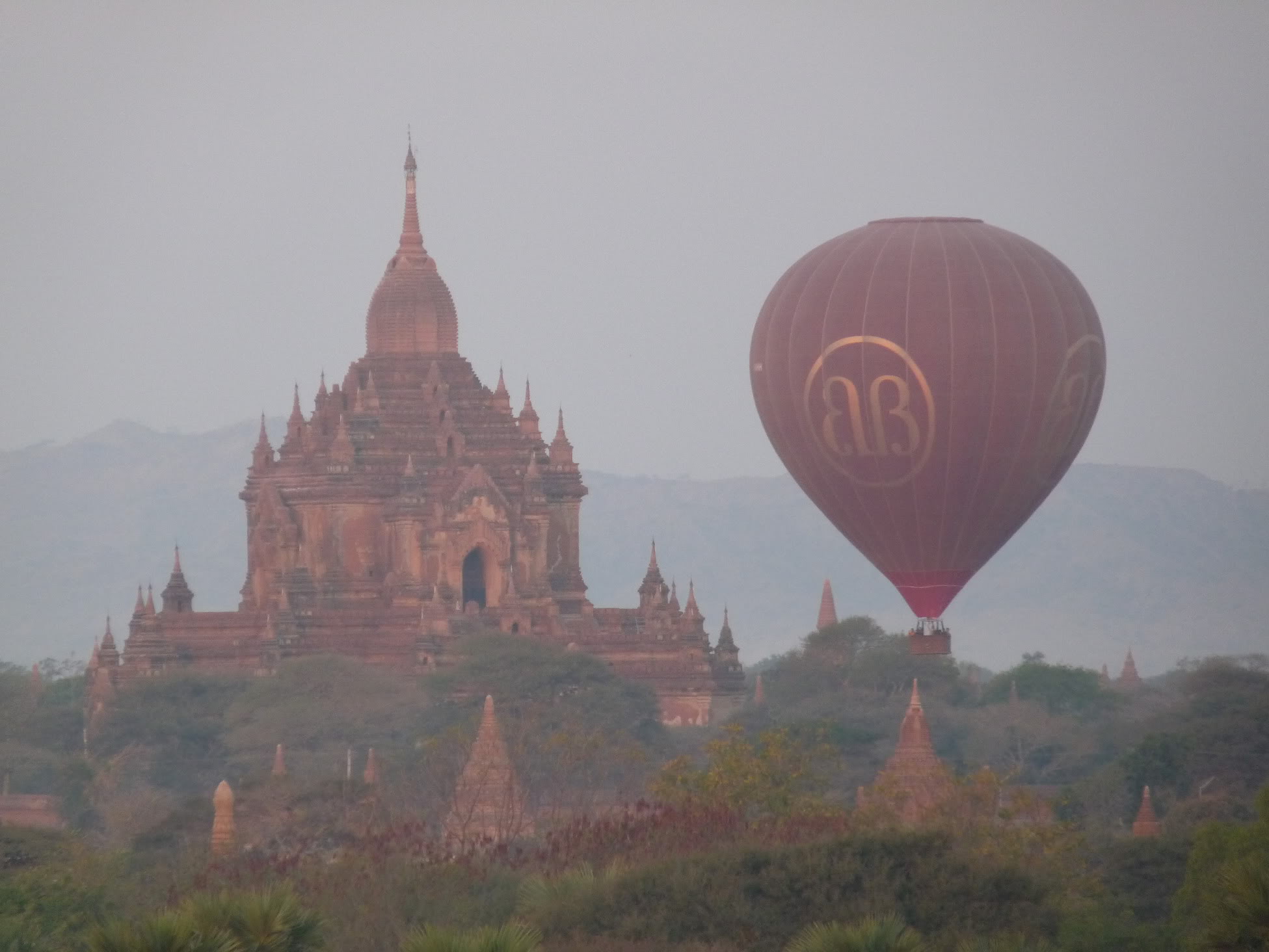
The next day, rested and healthy again, I joined my friends for ventures around the temples. Bagan’s temples are from an old Burmese Empire, ordered by a fervent series of Buddhist rulers who were very anxious to demonstrate their faith through stone. Thus the entire hot, flat plain is filled with temples in all directions, their pointed tops creating an ancient skyline above the scattered trees, punctuated with a large temple every so often. They are less ornate though taller than their cousins at Angkor, and are most impressive perhaps when taken as a whole, particularly given the relative isolation and freedom to roam that the average tourist has at this location.
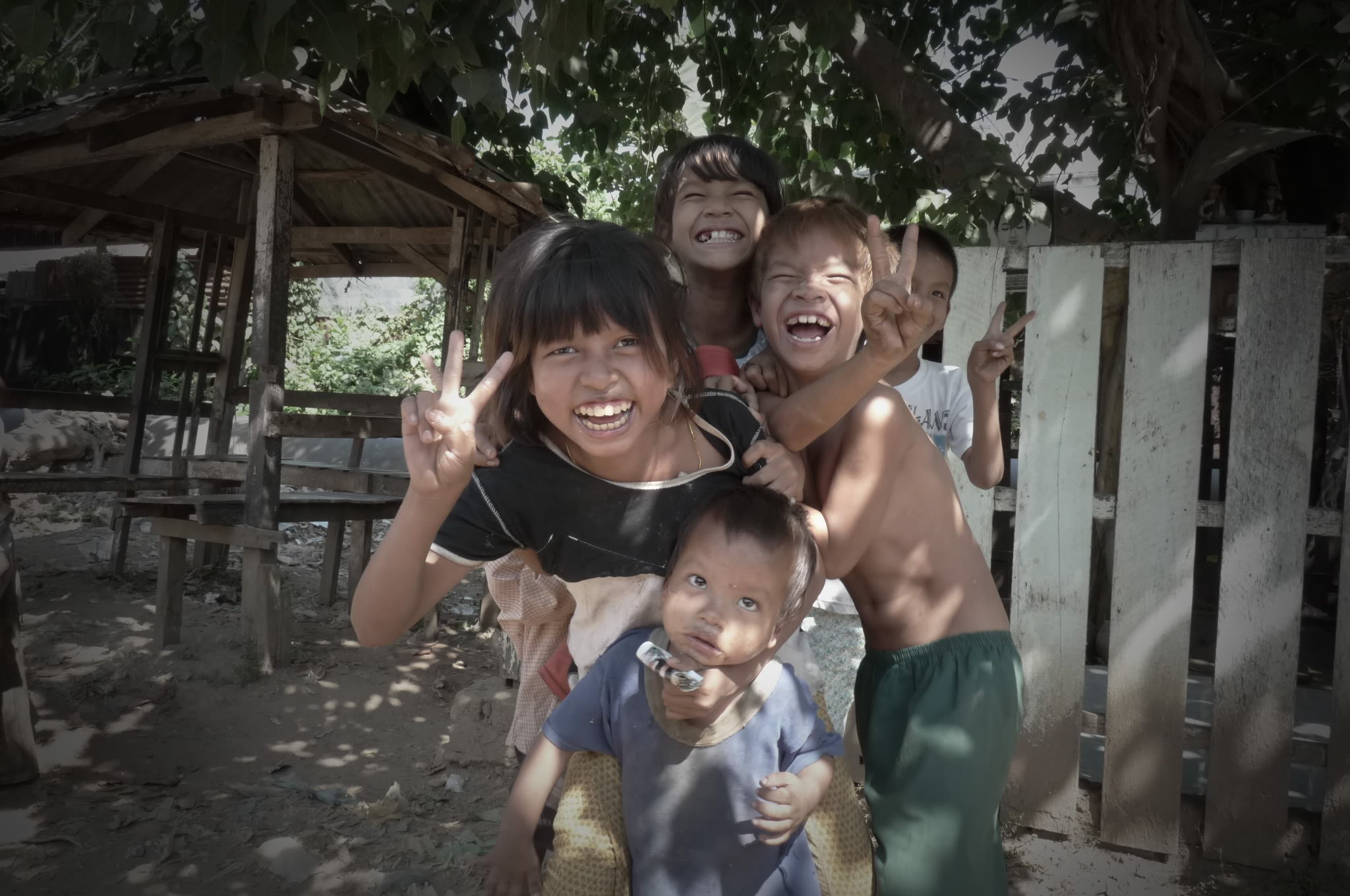
From Bagan, it was yet another long bus ride into Yangon and a day spent there hanging out. We, sans Tori, took the circle line, an appropriately named aged train line that meanders around Yangon. We stopped off at a giant religious-looking structure which we could not find an entrance too, but instead wandered around a shantytown meeting happy kids and sipping at teashops until the next train came by to whisk us away. It made for an interesting day in all and a nice enough send off for our morning flight the following day. So in sum, Myanmar is, government aside, pretty great. Pretty similar description to where I live, actually.
 Zak Abroad
I’m so very sorry that we let a poor, old Burmese woman who lives under an oppressive and oftentimes abusive government take your spot on the floor. You really DID need it more.
Figures T would be as close as she could get to the elephant.
Great to hear from you on Lucy’s birthday! And then Tori called her tonight. Will wonders never cease?! Glad you’re feeling better after that day of retching.
Love,
Dad
What’s wrong with the gov’t where you live? They are more than willing to give out money to help keep our gov’t going. Seem like quite the nice chaps 😉