
The three of us set out by foot from the roadside, sharing a backpack between us and lugging over a dozen liters of water for the two-day jungle trek. Our guide, Pen, a young Lao man, led the way up the dirt road on into the jungle, informing us at the first little river crossing that there would be many ahead, and as such, I spent the first couple hours walking barefoot on the soft ground. I was also a bit jealous of his sandals at this point, but the going was easy and we made it to a clearing with time for lunch. We soon came upon our first village, one of the Hmong people, set alongside a stream. The smattering of houses, some with thatched, some tin, roofs was rife with roaming livestock, mostly pigs, chickens and turkeys. The children, as usual, played and seemed to have a good time while the older folks watched them. The parents were off working the fields or in the cities seeking higher pay. This seems to be a running theme in the villages I have encountered in Asia.

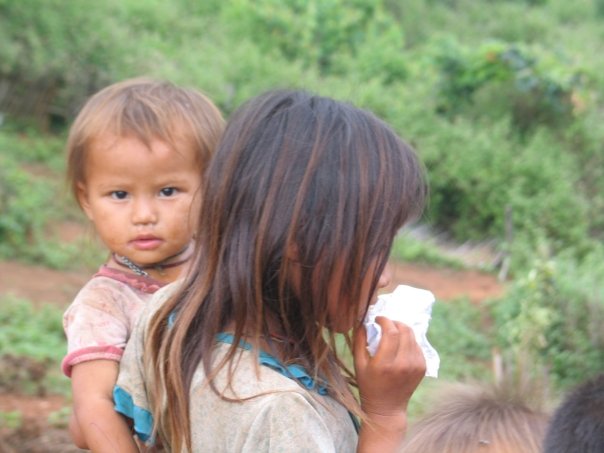
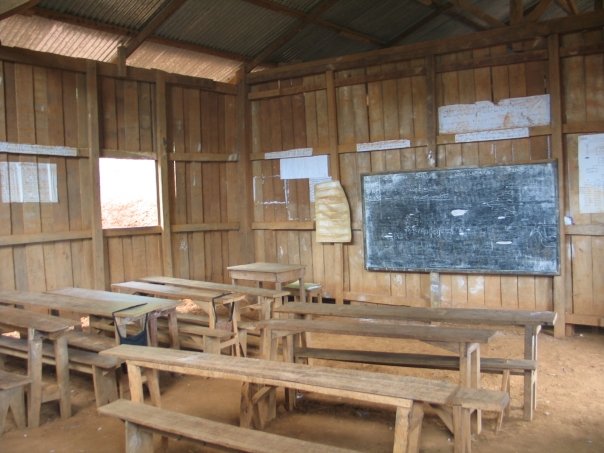
Back on the road we endured a steep climb up the hillside, pausing at the top in a lean-to where we could sit and let the wind hit us, dripping sweat from the heat and humidity. Along the way into the next village, we passed numerous slopes that had been cleared in the slash-and-burn method, which Pen assured us were to be used for rice cultivation, though they seemed only to grow shrubbery and low brush, and farming land was scant. We got into the village early afternoon, after about six hours of hiking, coming first upon the three-room school with dirt floors. The children were running amok outside, watching us warily and later warming up as we showed them the neat things our cameras could do.
Our house in the village was wood frame with a tin roof, and we were set up with some bedding upstairs, under the welcome protection of mosquito netting. Pen began to work on dinner while we ventured down to the village spring, a bamboo-piped output of mountain water in which the villagers both bath and do laundry. Needless to say, we couldn’t strip here for a full bath, but they were nevertheless fascinated with my copious amount of chest hair. I’m used to that one, now. On our way back up we played a miming game with some boys who were wheeling a tire into town. We wave, they wave. We jump, they jump. We do the YMCA, they do the YMCA. A good time was had by all.

Later that night we were treated to a nice meal of sticky rice, veggies, and homemade french fries that were absolutely astounding. We took some chairs with us to a dirt opening in the village and stared at the skies for awhile. Unlike Shenzhen, they are incredibly clear and the stars are easy to make out. Many of the villagers had gathered for the night in a single house with a TV and satellite dish, and the room they were in was stuffed full as they raptly watched some program. Outside, kids peeked through cracks in the walls to see the show. Before going to bed we did a couple rounds of lao-lao, a rice wine, with some of the adults in our house.
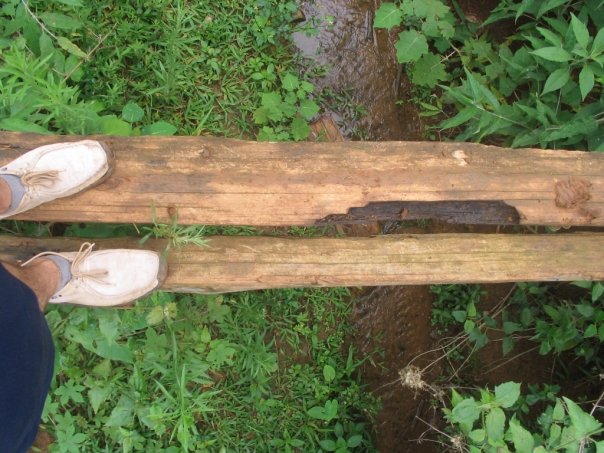
Going out we had a similarly long trek. It had rained the night before and the narrow jungle path was muddy and slippery. We discovered that Laos has leeches, and yes, they love blood. For about an hour and a half we beat our way through the overhanging brush, scraping the little suckers off our shoes periodically, and Andrew and I also got a mild attack from a beehive. By the time we had escaped and made the next village, I had pulled six off my ankles, three from my hands, dozens off my shoes, had about 5 bee stings, fallen in the mud probably four times, and lost my Buddhist bracelet to the woods. At the time I was hating life, in retrospect, it was a great experience.

Our reward for all that work however was a relaxing meal in the next village as well as an invitation for several pulls off a gourd of lao-lao through a bamboo straw, where I did my best to impress the locals with my consumptive ability. Later on we tracked down to a soul-soothing waterfall where we cooled off and cleaned up, relaxing and regaining our strength for the rest of the trip back into Luang Prabang, most of which involved poor singing and humming of various songs that we pieced together.

In sum, I have had a difficult time wrapping my mind around the experience. It was a village out of those ads on tv, where ‘for less than a dollar a day…’ you can make a difference. There is no running water, no electric lines, toilets are a makeshift affair (to put it mildly). Kids run around in dirt without pants or shoes, but like the little boy who played a game making motorboat noises with us, they are happy and enjoy life. Animals roam freely around the town, and there is a palpable sense of community with the elderly watching the younger, and kids 7 or 8 carrying smaller ones or holding their hands around town. Within the simplicity of it all is a sort of beauty, and I wonder how the encroachment of the modern world will change that.
Already, older kids leave the village for school in Luang Prabang. Adults work there or in Vientiane for more money, or do slash and burn in the surrounding countryside. Satellite dishes pop up from roofs, and a few generators in town provide power at night. The winding red road leads down to the highway now, and no doubt tourist excursions like our own contribute to the flow of money into the villages. The filthy shirts the kids wear have English words all over them, and the kids are, in theory, taught English at school. How the villages change in the coming decades should be fascinating to see, and I feel that as a tourist my hand in that change is visible, that the presence of Westerners (and our money) will help drag these places into the present. How well they retain the aspects of community and enjoyment are a challenge the Hmong will have to face. For me, it was an incredibly special place, and I hope that can endure.
 Zak Abroad